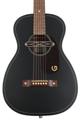
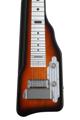
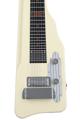
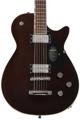
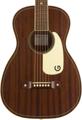
Today’s tip is more of an answer. See, we just got a question about the Gretsch zero fret via e-mail, so we thought we’d share it with you. The zero fret appeared on Gretsch’s upscale models in 1959, ostensibly at the request of Chet Atkins. The zero fret is actually placed where the nut would be, which meant that the nut actually had to be moved back a tiny bit to accommodate this, though the nut is still important because it keeps the string spacing correct. The thinking was that a zero fret would help deliver the same sound as a fretted note further up the neck.
Contrary to what some players might think, the zero fret does not make a guitar equipped with one sound any brighter. In fact, if you think about it, only six notes out of all the notes that can possibly be played on a guitar’s fingerboard would be affected by adding the zero fret. Gretsch was not the only builder using the zero fret; Kay, Selmer, Hofner, and others used them on various models. Today the only true value of a zero fret is to make a reissue guitar historically correct.