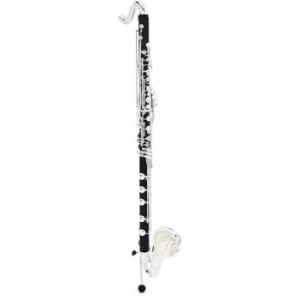



Why do clarinets come in different keys, like B♭ and A?
Different clarinet types are voiced to suit specific repertoire or lend a certain tonal color to the ensemble.
The B♭ clarinet has been the jazz and orchestral standard for over a century, thanks to its balanced sound and rich legacy.
The slightly longer A clarinet adds a warm, woody timbre to chamber music and orchestral arrangements. It also handles sharp keys with fewer awkward fingerings, which is why many clarinetists carry both and switch between them as the repertoire demands.
Need a specialty horn for featured solos and countermelodies? The E♭ clarinet cuts above the clarinet section with its bright tone and higher register.
For specialty repertoire and mixed ensembles, the C clarinet stands out for its reedy tone and transposition-free fingering, making it a natural fit for clarinetists sharing scores with pianists, guitarists, and bassists.