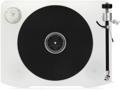
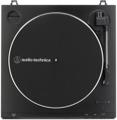
Vinyl has shown incredible staying power in recent years, both with listeners and musicians seeking new sources of revenue amidst the financial challenges of streaming’s dominance. Vinyl as a format is incredibly old, yet its warm sound and the listening rituals associated with it have proved popular with seasoned listeners and younger generations alike.
Even music fans who aren’t collectors get what makes vinyl so enticing. The large size of a standard 12-inch vinyl record helps us appreciate the finer points of album artwork and the links between visual and audio realms. Artists often include extra perks for their fans, whether that’s large lyric sheets or cryptic drawings (what do they mean??). One artist even produced a vinyl that came with a novella-sized work of fiction printed on inserts inside.
The vinyl experience is bigger than music, too. Fans use it as a way to socialize, discuss, and curate their own listening rituals that come along with putting a record on a turntable and dropping the needle. Visiting your local record store during the weekend or time off is a classic pastime that can benefit you, local businesses in the area, and the artists you love!
Let’s discuss how to get the most enjoyment out of listening to your records. These tips and pieces of advice are designed to guide absolute newcomers in getting started.
Here are a few important concepts and options to get familiar with when building your first turntable setup:
- Cartridge: The cartridge is a key component that cradles the turntable stylus (commonly known as the needle). Entry-level and intermediate turntables typically come with a cartridge. However, discerning buyers typically select their own styli once they have a better grasp on the finer points and inner workings of turntable customization. If you’re just getting started, then the stock cartridges that come with many turntables sold here at Sweetwater will do just fine.
- Tonearm: The tonearm supports the cartridge and stylus. Tonearms come in various shapes and lengths. These differences affect turntable performance but not so much so that a novice needs to agonize over which option suits them best. Tonearm shape colors the listening experience by determining the arm’s rebound speed and performance, especially when playing a vinyl record with uneven grooves. At Sweetwater, you can sort turntables by tonearm shape. Our selections cover three popular shapes: straight, J style, and S style.
Straight tonearms are extremely common and a reliable choice whether you’re a big spender or pinching pennies. Straight tonearms are usually shorter in length than J-style or S-style options, which means they have less mass but respond more quickly.
The J-style tonearm adds an angled headshell to the straight design for greater mass and increased tracking pressure. In short, the J-style blends the shorter straight tonearm’s tracking benefits with the benefits of increased mass.
Lastly, there is the S-style tonearm, and this shape is popular with collectors who give their collections heavy, frequent play. The S-style tonearm delivers greater horizontal flexibility and, thus, tends to handle deeply worn or uneven grooves better than straight options.
- Physics: It’s smart to consider the acoustic properties and related physics of any space where you plan to put a turntable setup. You could purchase the most high-end premium turntable ever produced and still get a bad sound if your setup is in a room with low-quality acoustics, such as a concrete garage, for instance.
Environmental physics also impact end results. For example, when building a setup on a ground floor, you may want to choose a room that’s as far away as possible from any nearby roads. Heavy traffic and large or loud vehicles might produce vibrations that spoil the experience or damage your records. Later, we’ll discuss how fine-tuning your turntable setup can help physics work in your favor.
Turntable Overview for Newcomers and Advancing Listeners
How Is a Turntable Different from a Record Player?
Turntables are standalone units without a built-in speaker, and they must be connected to an external sound system for music to be heard. Turntables are more portable than record players. The DJ who does things the old-school way uses turntables. Likewise, listeners who aren’t DJs use turntables because turntables offer multiple levels of refined control, from sound quality and features to user-serviceable parts.
Record players give you an all-in-one system. You typically get a turntable-like platter, plus built-in speakers. Other features are less set in stone. You’ve probably seen a large, old record player console that combines a record player with an FM/AM radio, tape deck, or CD player in a big wooden cabinet. These are record players, not turntables, though not all record players are hulking pieces of furniture like those consoles. Buying a record player is a quick and easy way to get started, but the convenience can cost you in terms of sound quality and customization options.
Connecting a Turntable to a Receiver, an External Preamp, or an Integrated Amplifier
Connecting your setup is relatively easy once you have all the equipment and decide where your rig will live. You’ll need at least one dual RCA cable and possibly more, depending on your setup. If your turntable doesn’t have a built-in preamp, then you will need to connect it to an external one. For best performance, Sweetwater recommends choosing a short cable for this initial stage, as long cables can cause high-impact signal degradation before the relatively quiet signal of a turntable reaches the critical preamp stage.
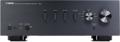
The iFi Zen Phono 3 variable gain phono preamp is a compact, standalone preamp option that delivers uncompromising performance for turntables. This preamp (and similar ones) requires a receiver in order to send a signal to your speakers. If you already own a home theater system, then you may already have a receiver that gets the job done. Standalone preamps aren’t your only option. Integrated amplifiers, such as the Yamaha A-S501, are great all-in-one alternatives that save space. Integrated amplifiers contain a preamp for your turntable and a power amp for driving sound systems, and most models provide tools for tweaking EQ and presence.
What Turntable Features Impact Ease of Use / User Experience?
Direct-drive vs. Belt-drive Turntables
Your turntable’s drive type determines how platter movements start, stop, and respond to touch. Belt drive is an older drive style that’s plenty trustworthy unless you plan to DJ. The belt mechanism slowly picks up speed when started and when rebounding from interference, such as placing your hand on a vinyl record during playback. Those limitations inspired the creation of direct-drive turntables. Invented in 1969 by Japanese engineer Shuichi Obata, direct drive reaches proper speed almost instantly and responds instantly to touch. The invention unlocked the possibility of DJing as we know it today. Both styles are suitable for home listening, but only a direct-drive turntable will do if you want to try your hand at mixing and spinning like a DJ, too. Find both styles at Sweetwater.
Manual vs. Automatic Turntables
If you thought of cars after reading “manual vs. automatic,” then you’re on the right path. This feature shapes your interactions with the turntable’s tonearm. Manual is the norm for high-quality turntables. You must lower and raise the stylus manually to start or stop playback. This gives you more control, but there’s a slight learning curve. Manual turntables are a lot like manual transmissions on a car — once you learn the motion, you know it for life!
Automatic turntables lower and raise the tonearm with fully automated motion guided by additional parts beneath the tonearm. The convenience comes with two cons. Firstly, you sacrifice pinpoint control (this may not matter to some). Secondly, tonearm tracking may be less consistent and smooth due to the impacts of extra parts at a critical point of motion. Extra parts beneath the tonearm also introduce potential points of mechanical failure that are difficult to service or repair.
Additionally, avoid picking up the vinyl record before you have waited for the turntable platter to come to a stop. Records are fragile by design, making it easy to scratch them if you remove the record while the platter is spinning.
Turntable Upkeep: What’s Important to Know?
Turntable Dust Covers
Most turntables come with a clear plastic dust cover, typically mounted to hinges so that you never lose it and can protect equipment in between listens. Strive to use the dust cover as soon as you’re done listening. This helps prevent dust, gunk, and other potentially harmful substances from collecting in various nooks and crannies in ways that impact performance.
How to Clean Your Turntable Stylus
It’s normal for your stylus to collect dirt and grime over time. Grime can affect tracking and sound quality, so it’s best to clean your stylus periodically. We highly recommend Audio-Technica’s specialty AT617a stylus cleaner. You lightly dip the stylus into a polyurethane cleaning gel one or more times until grime is removed from the stylus. Next, wash the gel’s surface using water. The surface is then free of dirt and, once dry, is ready for another round of cleaning. Your stylus should have a slight sparkle after cleaning, but you may need a magnifying glass or microscope to see in such detail.
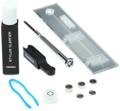
You could also opt for a more all-encompassing turntable maintenance kit. The Reloop Turntable Cartridge Mount and Gauge Set is a great choice. It comes with a cleaning solution for your stylus, plus balancing weights and alignment tools, which we’ll discuss in a moment.
Turntable Setup Overview: What Can You Customize?
Quality turntables have several parts that you can swap out or adjust. This lets listeners optimize their turntables and related gear for pristine performance tailored to their personal spaces and preferences. Consider the following four points of adjustment found on most quality turntables:
- Stylus calibration: Many turntables come with a pre-calibrated stylus that’s immediately ready to roll. If you are furnishing your own stylus, then you need to calibrate it before use. Referencing your turntable’s manual is the best way to go about calibration. Every quality turntable’s paper or electronic manual should offer a calibration chart that’s designed for your specific model.
- Tracking force (a.k.a. tracking pressure or stylus force): Tracking force determines how much pressure your stylus exerts at the point of contact. This pressure is measured in grams. Use the counterweight mechanism located on your turntable’s tonearm to regulate tracking force. The goal is to find a counterweight sweet spot where the tonearm shows perfectly level horizontal balance.
- Anti-skating: Anti-skating settings let you fine-tune how and where the stylus rides within a groove. Ideally, you want the stylus to ride the groove’s center, but skating can lead the stylus to track farther left or farther right. If you’ve already calibrated tracking pressure, then the hard work is over already. Simply match the anti-skating tool’s value to the same value that’s set for tracking pressure, and you’re good to go.
- If you’ve fitted a slip mat to the turntable platter, then be sure to check the tonearm’s balance accordingly, as it may need a slight adjustment. Adding or removing accessories or components in any way can alter your turntable’s performance, so adding a slip mat may render previous balance calibrations insufficient.
More Big-picture Basic Setup Advice
Since a turntable can’t produce listenable sound on its own, there are dozens of other variables that ultimately shape the results you hear when listening. The following four tips are applicable to any and all turntable setups:
- Choose a level surface. Don’t place your turntable on an uneven surface by mistake, or performance will suffer! Never choose a surface with warps, dips, or other deformities, and watch out for furniture with rickety legs. It’s best to examine surfaces and choose your setup location before adjusting or calibrating any turntable parts. Stay patient and save yourself the hassle of calibrating twice.
- Watch out for traffic. Ambient vibrations from outside or inside your home can negatively alter turntable performance. Take care to find a spot that’s largely immune to bad vibrations. Unwanted vibrations can come from loud neighbors or noisy vehicles or ground or air vibrations caused by trucks and aircrafts, power tools, and more.
- Don’t couple up. If your speakers and turntable both share the same surface, then you want to decouple your speakers. This step keeps your speakers’ musical vibrations from shaking the surface they share with your turntable. This is especially important on loud sound systems or when enjoying bass-heavy genres like doom metal or hip-hop. Sweetwater wholeheartedly recommends using ISO-PUCK vibration isolators to decouple speakers from a surface. This studio-grade line of products from IsoAcoustics not only helps safeguard your turntable and vinyl collection but also tends to tighten bass frequencies and provide a clearer stereo image.
- Planning ahead will save you time. Tackling any future setup issues is easier when you already own proper tools! Virtually everything you need for proper turntable maintenance and cleaning is included in the convenient Turntable Cartridge Mount and Gauge Set by Reloop, available here at Sweetwater.
Vinyl Upkeep: How to Care for Your Vinyl Records Like a Pro
How to Store Vinyl Records
Safely storing your vinyl record collection isn’t rocket science, but you want to do it the right way. When you choose a storage method, you’re deciding where your records will rest. No matter how much you love that album, it’s safe to say that LPs spend the vast majority of their lifespans in storage, not on turntables. There are two common mistakes to avoid at all costs:
- Avoid sunlight and heat.
- Never store vinyl records flat or slanted.
Vinyl records are hearty but not invincible. Sunlight and heat are the most common causes of damage to vinyl, barring more extreme threats such as floods and other natural disasters. Be sure to choose a spot that’s relatively cool, dry, and free from exposure to direct sunlight. The sun’s UV rays can cause album art to fade, and extreme heat can cause vinyl to warp, so always take steps to store vinyl records away from large windows or spaces such as sunrooms that experience vast temperature swings each day.
Always store your records upright — never flat — and avoid slanted upright storage as much as possible. Storing records upright helps prevent warping, while flat or stacked storage causes a seriously uneven distribution of pressure and weight. Single records are lightweight on their own, but the records toward the bottom of a flat stack are liable to warp and bend as they bear the combined weight of every record on top of them.
Slanting records has similar negative consequences to flat storage but to a lesser degree. You’ll definitely experience bent or ragged jacket covers, especially at the bottom edges where the combined pressure is greatest. Slants are less consequential if your storage method uses dividers to distribute LP weights and keep the pressure at bay. If your storage solution has dividers, then don’t be stingy or overcrowd them, as this defeats the entire point!
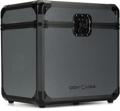
Most collectors store vinyl records using some combination of the following three methods: crates, shelving, or specialty solutions. The size of your record collection will inform what’s best for you. For instance, shelves are popular for big-time collectors with hundreds of records. The verticality of shelves gives you ample room while keeping clutter to a minimum, but shelving might be unnecessarily large if you own only a handful of records or even just a few dozen. That’s where crates come in handy. The Odyssey KROM vinyl LP case is an ultra-durable crate-like case that fits up to 70 vinyl records. The KROM case is lined with foam on the inside and has aluminum trim and a lock on the outside, making it a sweet nest for collectibles and basic presses, too. You might not want something this heavy-duty, but it’s a great choice if you have mischievous pets or lively children near your records. Other specialty solutions can provide ways to display your vinyl with a little more pizzaz, such as small storage racks with metal or wooden dividers that let you keep a few favorites prominently displayed near your turntable.
Need dedicated storage for 7-inch 45s? Magma Bags makes a 45 Sandwich record bag that’s great for dedicated storage, traveling to collector swaps, and beyond.
How to Play and Handle Vinyl Records
We will discuss cleaning vinyl records shortly, but proper handling is the best way to make sure cleaning is a quick and easy affair. So, let’s talk about touch. Mindfulness of how you hold, touch, and handle vinyl records goes a long way toward keeping your collection in good working order.
Dirt, dust, and grime can all negatively affect a record’s sound quality and playback. Sure, you can wash your hands before handling vinyl records, and it’s a good idea to do so. But even then, the natural oils of human hands aren’t something you want to slather all over valuable records.
Thankfully, proper handling of your vinyl is quite simple. The goal is to touch only the vinyl’s edges — never the surface of the record on either side. The edges of a record slope gently to soft points where no grooves are present, so you can safely touch this area when placing records on the turntable or returning them to their sleeves. If you’re a real clean freak, then you might consider using a pair of cotton gloves or gloves made from any soft, nonreactive material that doesn’t leave traces of fibers behind on your records.
Another good habit for cleanliness is to always let your turntable platter stop completely before attempting to change sides or remove the vinyl. Even touching the edges during motion will smear hand residue and spread it farther than if the record was completely still.
But we’re all human, after all. Vinyl records are bound to collect some muck over time, whether that’s dust, pet dander, hair, upholstery fibers, or dirt. Let’s move on and discuss cleaning your collection.
How to Clean Vinyl Records
Vinyl record care, or the lack thereof, is how we get the oft-used idiom about a “broken record stuck on repeat.” Damaged or dirty records can be severely detrimental to enjoying the music. You don’t have to clean records every time they leave the dust cover, but periodic cleanings are vital to your collection’s longevity and health.
There are specialty products that are made for cleaning vinyl records safely. Choosing one or more specialty care accessories devoted solely to vinyl upkeep is always safer than using general cleaning products used for other surfaces. Dedicated cleaning brushes, cloths, and cleaning solutions help make sure that you aren’t rubbing particles and grime from other surfaces into vinyl that needs a good clean.
One solution that’s low effort and high reward is the AT6013a brush. This Audio-Technica product features antistatic carbon fiber bristles for sophisticated cleaning that cleans deep, fine record grooves without much elbow grease. Moreover, the brush’s dual-action design removes dust and collects it, too, making for a fast cleaning experience that makes short work of small and large collections. The AudioQuest Anti-Static Record Brush provides similar levels of antistatic cleaning with a slightly different design.
Need to clean for less? Check out the 6 ’n 1 vinyl record kit by MusicNomad. The included three-in-one tool gives you a dust brush, a pad for applying the included cleaner solution, and a pad for drying any leftover solution post-clean. You’ll use more elbow grease using this kit, but this MusicNomad product is long-lasting, high quality, and perfect for smaller record collections.
Your One-stop Shop for Turntable and Home Audio Gear
Listening to vinyl records and collecting your favorites are simple pleasures, and it’s now easier than ever to buy all the right equipment at Sweetwater. Maybe it’s been a moment since you’ve browsed our expanding selection of turntables, accessories, and home audio gear. Browse recently added categories, such as home turntables and home speakers, to discover great gear that our crew of audio experts and vinyl lovers can vouch for.
Still have questions? Reach out to an expert Sweetwater Sales Engineer at (800) 222-4700 for a personalized shopping experience with guidance and advice that meets your specific needs!