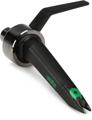
Everybody loves the sound of vinyl, right? From record aficionados who remember it from decades ago to enthusiasts who have just discovered vinyl records within the past few years, there’s something very visceral about the experience of listening to music from vinyl. But what actually impacts what you’re hearing? What’s the most important part of reproducing sound from vinyl?
There are lots of variables that impact the sound you hear coming off a record. I’m not talking about the musicians, studio, or production but the actual reproduction chain in your home — things under your control. Everything from the turntable you choose (motor, drive mechanism, platter type, tonearm), cartridge, stylus, cables, preamp, turntable isolation — there are so many factors that affect what you hear even after you’ve picked out a record. It’s drastically different than playing back a song from iTunes or Spotify.
We can’t cover all those factors here, but we’re going to focus on probably the biggest factor that impacts the sound: the phono cartridge.
- What Exactly Is a Phono Cartridge?
- What Are the Parts of a Cartridge?
- Our Test Rig
- Cartridges
- What Should You Listen For?
- Sound Samples
- Our Observations
What Exactly Is a Phono Cartridge?
The phono cartridge is the most sonically critical part of a record player since it actually converts the physical movement of the stylus in the groove into electrical signals that are amplified and sent to speakers for us to hear. (The technical function of a cartridge is a “transducer” since it converts energy of one form [the physical modulation of a groove] into another form of energy [electrical voltage].)
If you want to upgrade the sound of your record-playing mechanism, then the cartridge is the best place to start. If you don’t know what part it is, then it’s the device that you see at the end of the tonearm; it holds the stylus (some call this the “needle”), which is the part that actually touches the record. The needle is held by a cantilever that carries the vibrations up to a moving magnet assembly in the cartridge where the voltage is created.
What Are the Parts of a Cartridge?
The parts of a cartridge include the stylus (or tip), the cantilever and suspension, the magnet and coils, and the integrated headshell.
Tip or Stylus
Styli (plural of stylus) are the actual needle, typically made of diamond, and styli come in different shapes: elliptical, spherical (conical), hyperelliptical, and others. The table below indicates which stylus shapes we auditioned.
Cantilever and Suspension
The cantilever is the arm that is attached to the stylus and carries the vibrations up to the magnet/coil assembly. The suspension holds the cantilever in place and allows it to move freely.
Magnet and Coils
The magnet and coils are where the physical undulations of the stylus are converted to electrical signals. The magnet and coils are commonly arranged in one of two ways.
Moving Magnet (MM) — The most common and affordable alternative, in these cartridges the cantilever moves a magnet assembly relative to coils of wire that are fixed in the cartridge. The primary advantages are that these are less expensive to produce (and buy) and the stylus can easily be replaced. The cartridges we audition here are all moving magnet types.
Moving Coil (MC) — In a moving-coil cartridge, the coils are attached to the cantilever, and the magnet assembly is fixed in the cartridge. MC cartridges have much lower output level and are generally more expensive.
Integrated Headshell
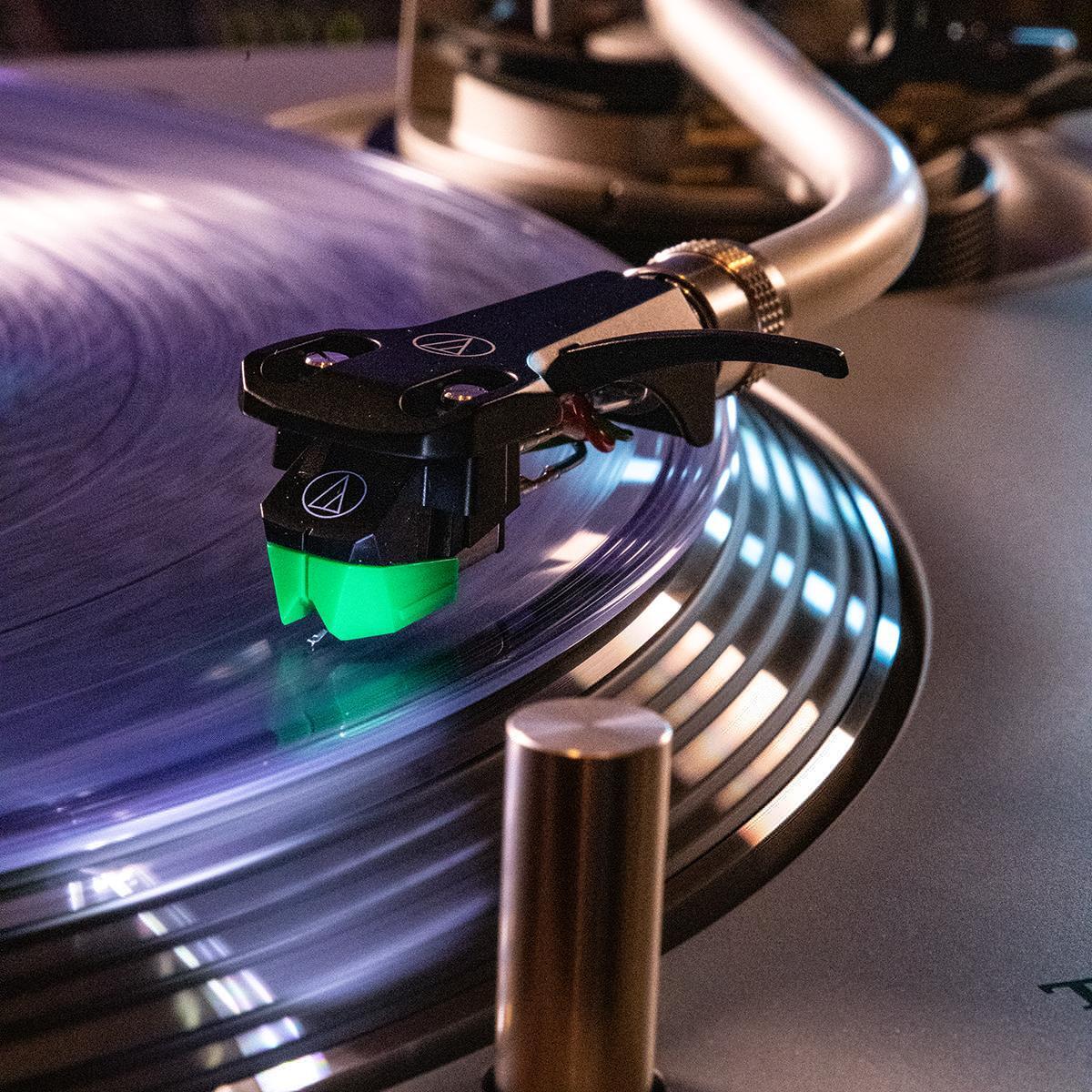
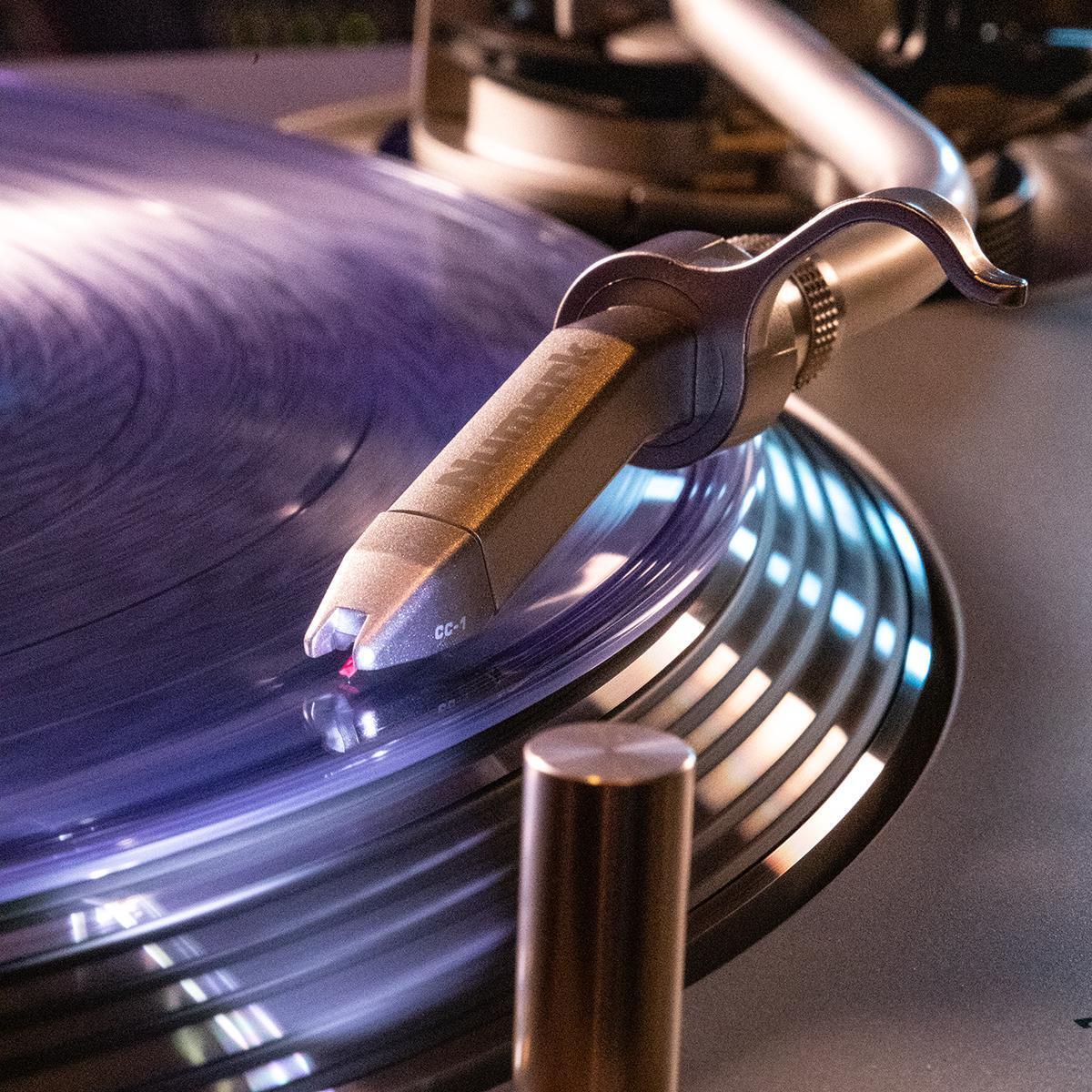
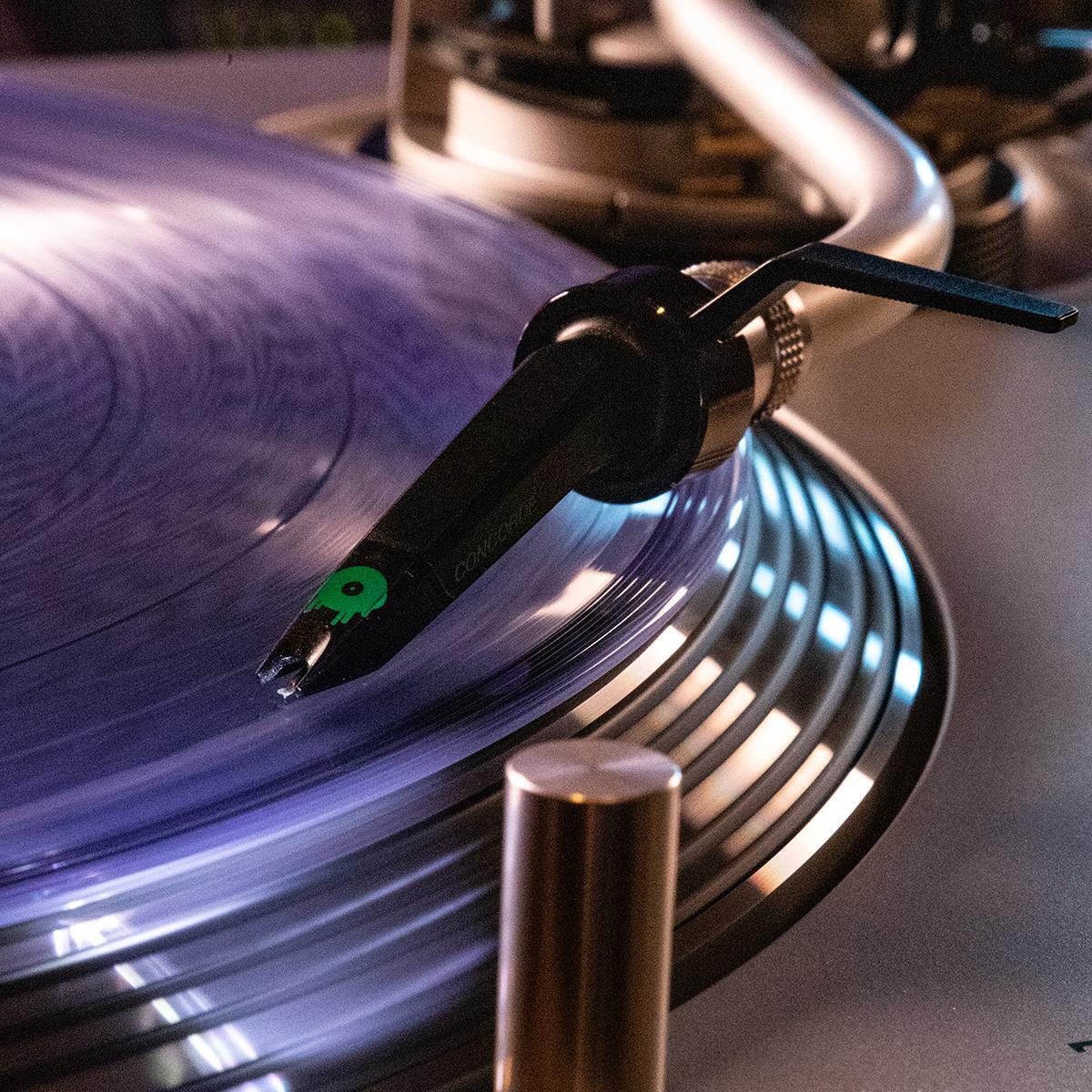
While some cartridges need to be installed in a separate headshell (such as the Shure and A-T cartridges), others (such as the Ortofon and Numark) come with an integrated headshell. Having the cartridge integrated into the headshell greatly simplifies installation of the cartridge on the tonearm.
This is a general overview, and all these parameters can be discussed at great length, but we’re here to listen. Our goal was to see how much difference the cartridge makes in the sound. Honestly, we had never done this before, and you are likely as curious as we were, so we’re delighted for you to join us in this sonic exploration.
Our Test Rig
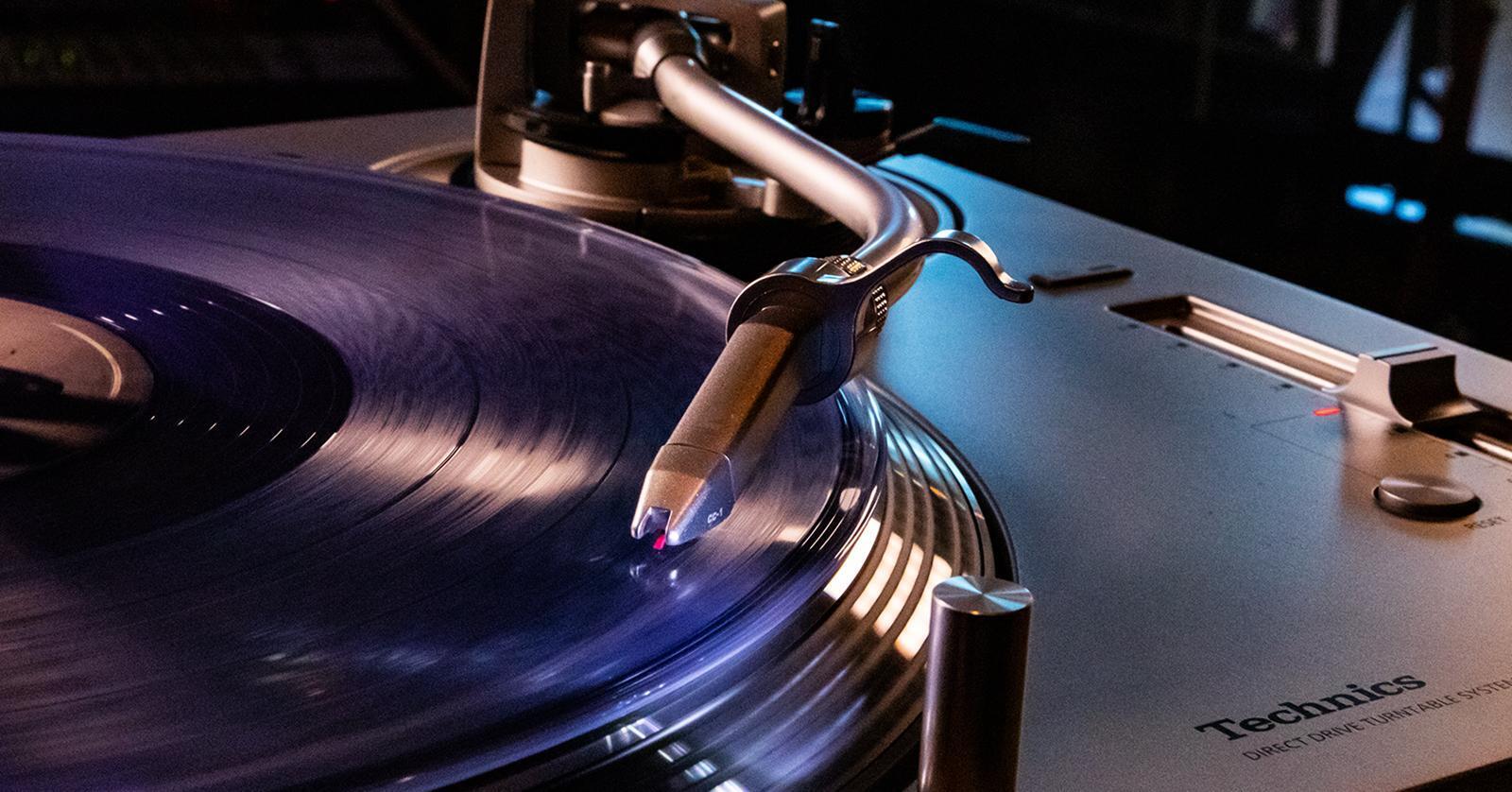
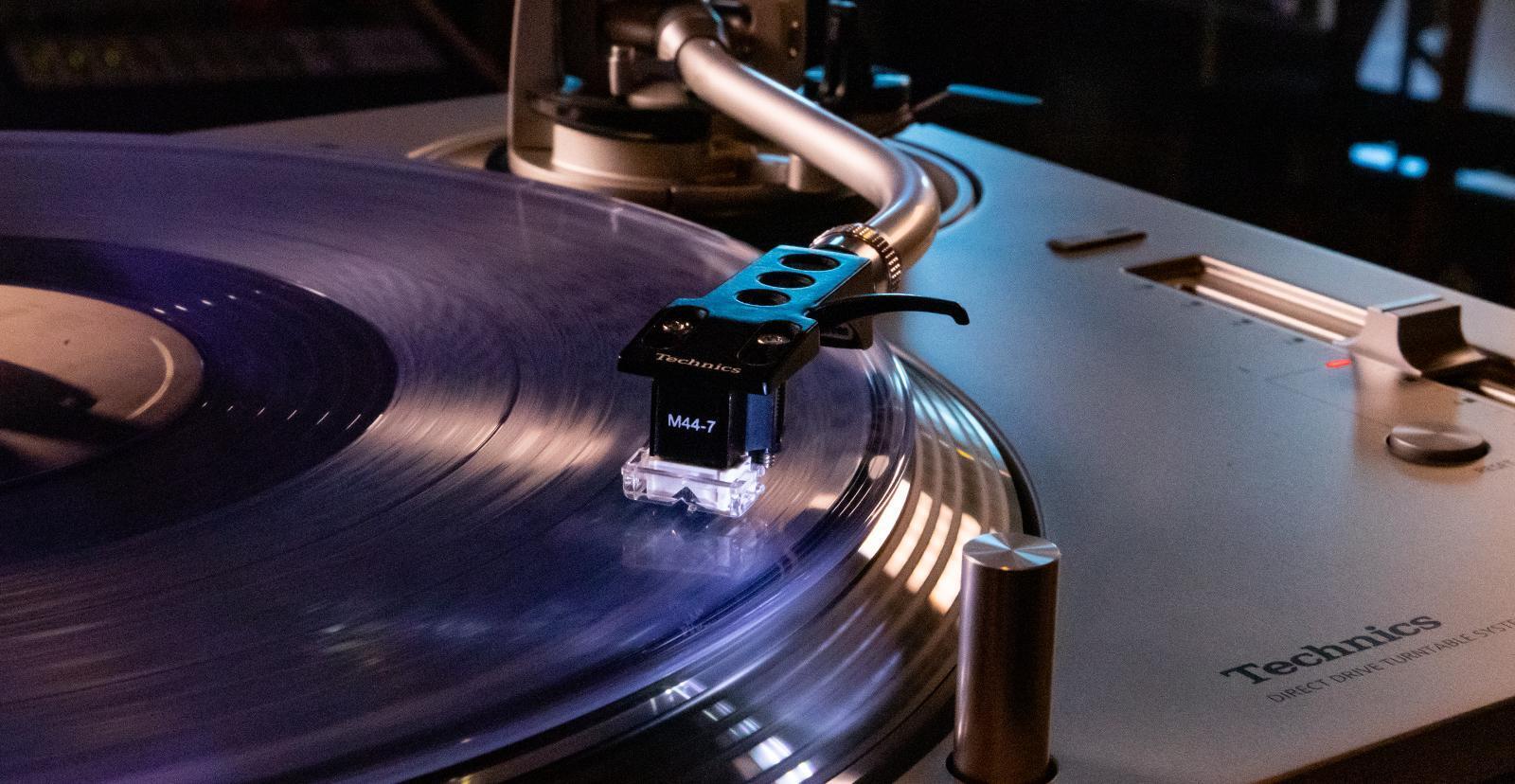
For our test listening, we installed all the cartridges on a silver Technics SL-1200MK7 direct drive professional turntable, which was floated on four IsoAcoustics OREA indigo vibration isolators. Since the setup is absolutely crucial to achieve the best performance, we utilized the Reloop turntable cartridge mount and gauge set to scrutinize the cartridge alignment and to accurately set the tracking force for each cartridge. (Tracking force is a significant spec for DJs since a heavier tracking force will make the stylus “stick” to the record better, meaning the stylus is less likely to jump out of the groove.) We used the Reloop tonearm and cartridge contact cleaning set and the Ortofon bristle stylus brush to clean the stylus before listening and the Ortofon antistatic record brush to clean the records. The output of the turntable was plugged into the phono preamp inputs of a PLAYdifferently Model 1.4 4-channel DJ mixer.

Cartridges
Here are the cartridges we chose to audition listed along with the manufacturer-recommended tracking force and the stylus shape for each.
| Cartridges | Tracking force | Stylus shape |
|---|---|---|
| Audio-Technica AT-VM95e Turntable Cartridge* | 2 g | Elliptical |
| Numark CC-1 Turntable Cartridge and Stylus | 4.5 g | Spherical |
| Ortofon Club Concorde Mk II Turntable Cartridge and Stylus | 3 g | Elliptical |
| Ortofon Mix Concorde Mk II Turntable Cartridge and Stylus | 3 g | Spherical |
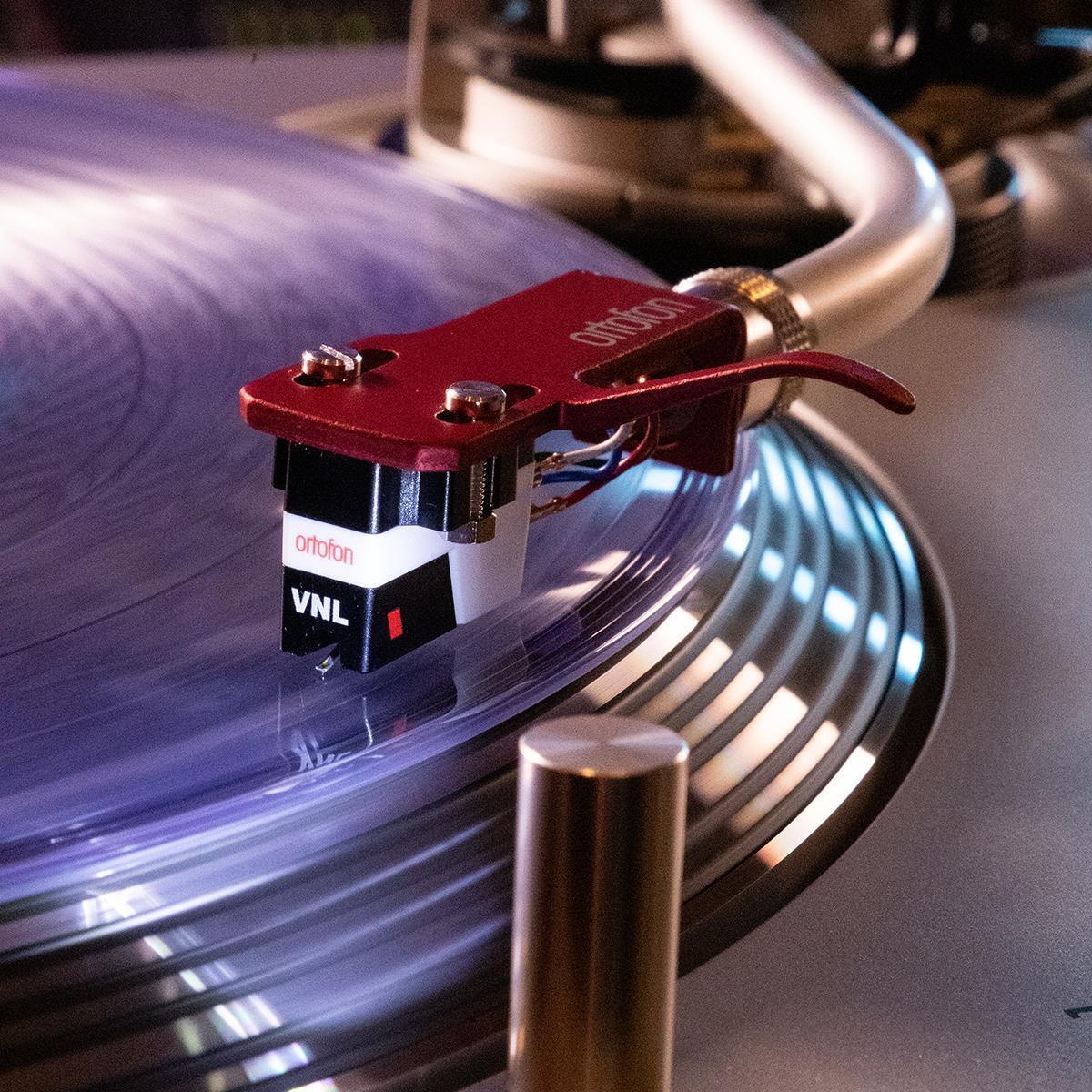
| Ortofon VNL Moving Magnet Cartridge (with VNL II stylus) | 4 g | Spherical |
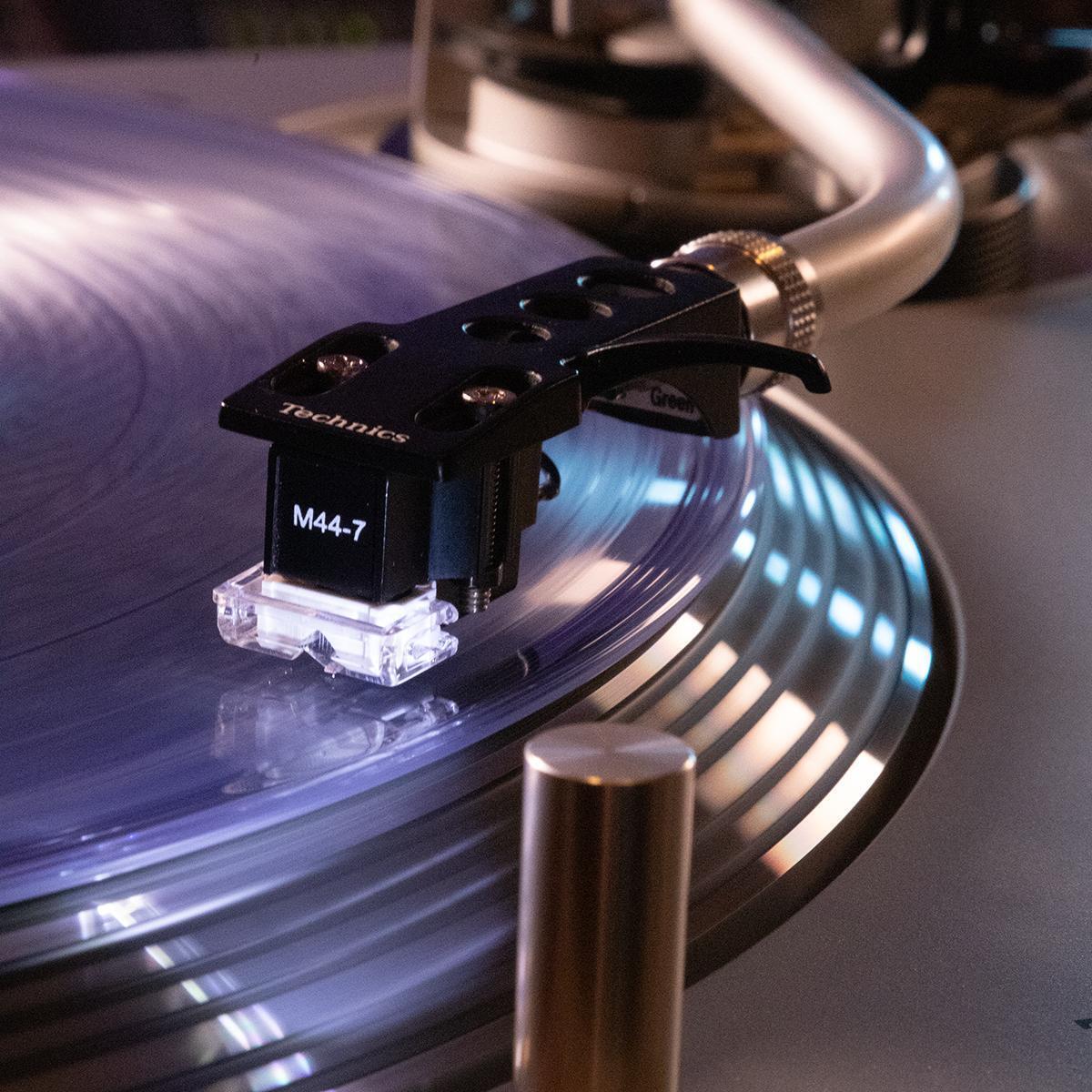
| Shure M44-7 cartridge with JICO N-44-7/DJ replacement stylus** | 3 g | Spherical |
* The AT-VM95e is not suitable for DJ or scratching use.
** This JICO aftermarket replacement stylus fits the very popular but discontinued Shure M44-7 cartridge.
What Should You Listen For?
First, to properly distinguish the differences in frequency balance, stereo separation, and imaging, you’ll need to listen on headphones or studio monitors. Smartphones and computer speakers will not do justice to the sonic shadings of these cartridges. DJs, who push out sounds over big speaker systems, will notice the differences are less subtle. Here are some aspects you may want to listen for:
- Listen for individual instruments inside the mix and see how they fit into the whole
- Listen for the cymbals on Nick D’Virgilio’s Mercy, comparing the Numark to the Shure M44-7
- Listen for the volume of the hi-hat in the drum loop on 313 Acid Queen
- Listen to the sonic character of the strings in Nick D’Virgilio’s Prelude
- Listen to the presence of the snare in the Omega-3 loop
- Listen to the width of the soundstage — is it wide and natural or clumped together in the center?
NOTE: All recordings presented here are used with the permission of the artists.

IMPORTANT! A high-quality playback system is required to distinguish the differences between these audio samples.
Sound Samples

Rebecca Goldberg – 313 Acid Queen
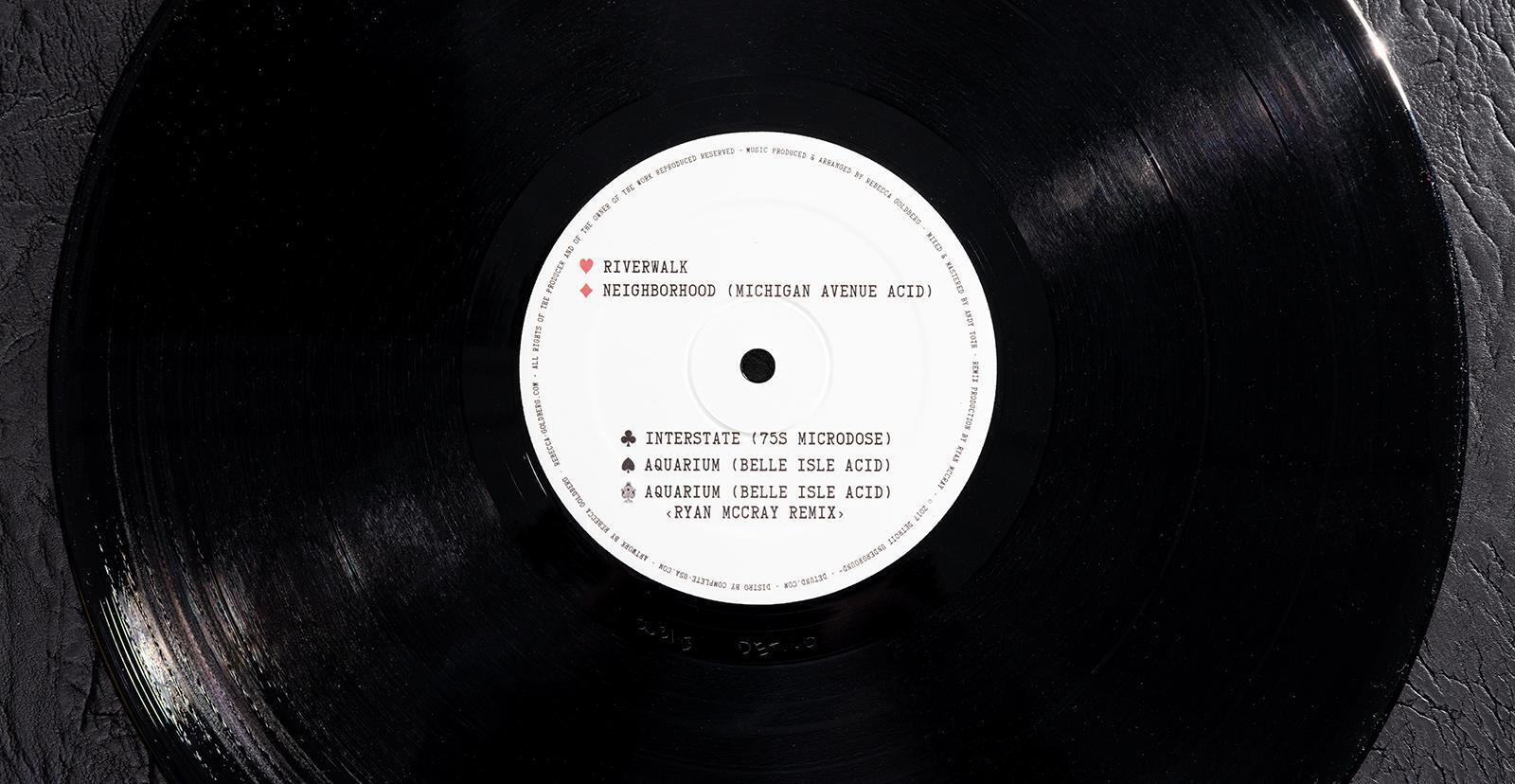
Rebecca Goldberg – 313 Acid Queen: “Neighborhood (Michigan Avenue Acid)”
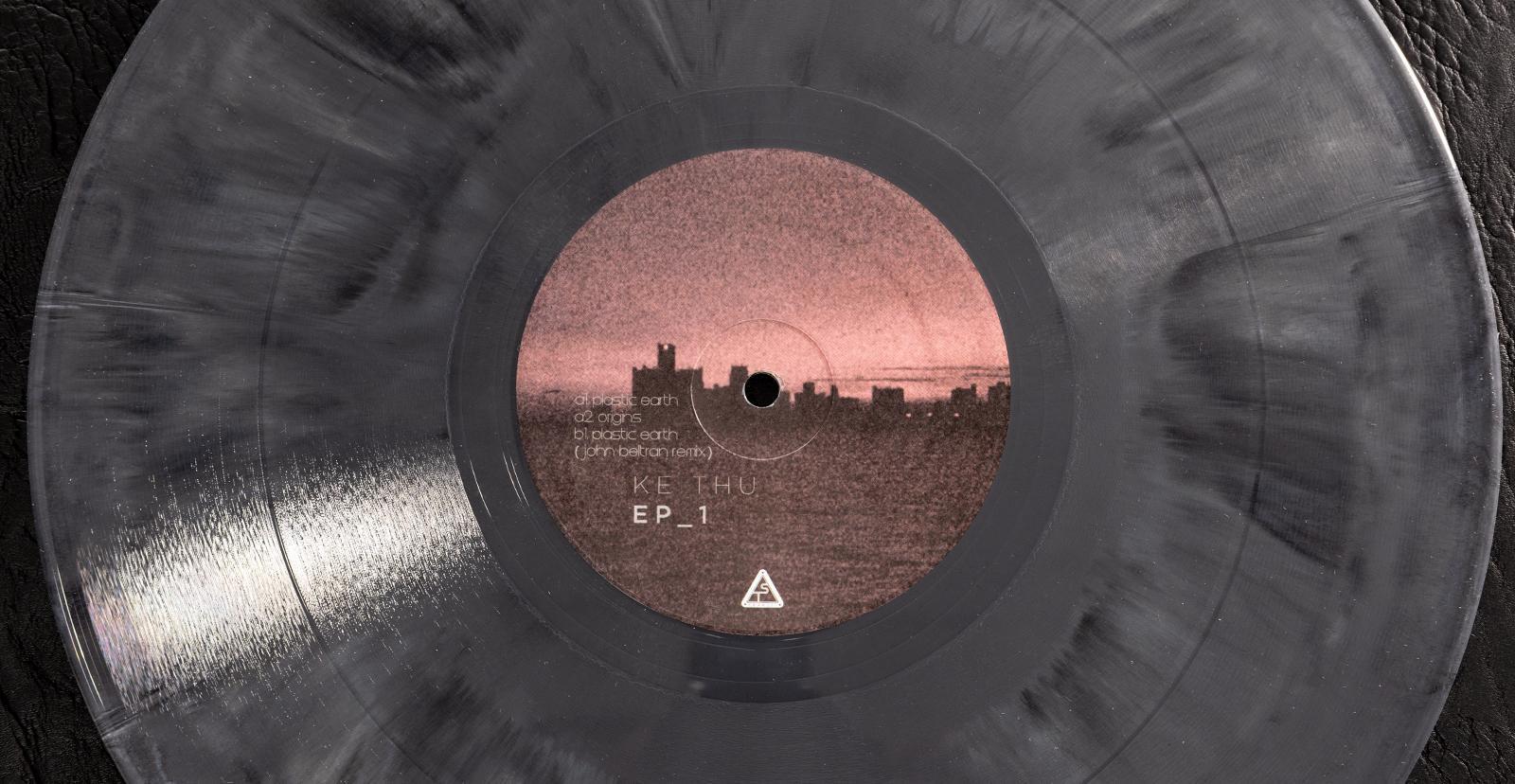
Ke Thu – “Origins”
Rebecca Goldberg — Omega-3 Fatty Acids
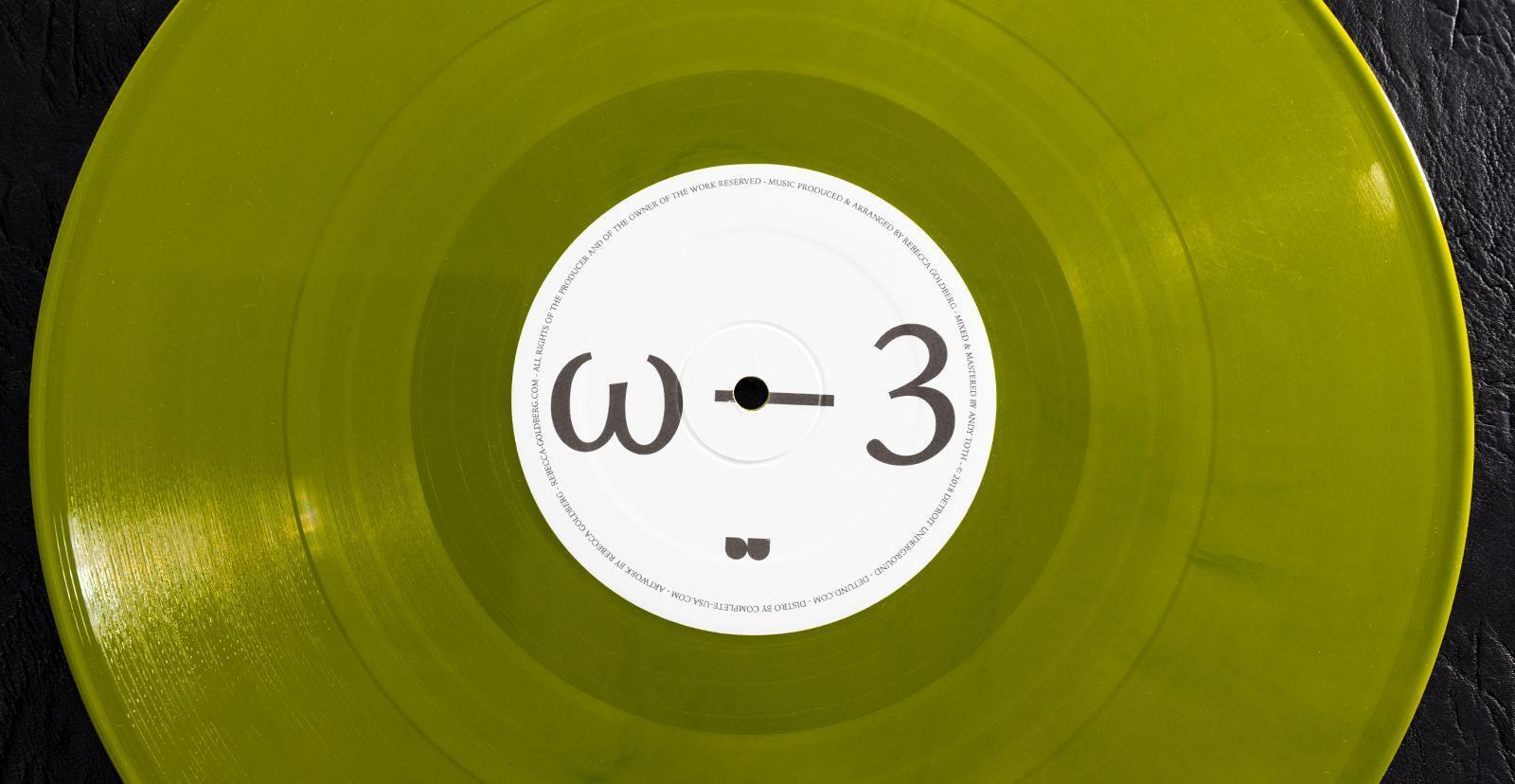
Rebecca Goldberg – Omega-3 Fatty Acids: “Docosahexaenoic Acid (DHA)”
Nick D’Virgilio – “Mercy”

Nick D’Virgilio – “Mercy” on Apple Music
Nick D’Virgilio – “Prelude”
Our Observations
One of the first things we noticed was the wide disparity of output levels. This is directly related to the output levels of the cartridges (specified in millivolts). There was a 10dB difference between the cartridges with the lowest and highest output levels, which you can see in the waveforms below. We did not change the preamp gain while recording so we could measure the differences. NOTE: The files you heard above were level matched — the RMS volume levels are identical within 0.1dB, so the character differences between the cartridges were not skewed by volume differences.


Conclusion
Can you hear the differences? Which one was your favorite? If you have a turntable that came with a cartridge preinstalled, then the biggest upgrade you can make is to install a better cartridge. Not sure which cartridge is right for you? Call your Sweetwater Sales Engineer at (800) 222-4700, and they can help you select the perfect cartridge for your needs.