
How Long Do Guitar Strings Last?
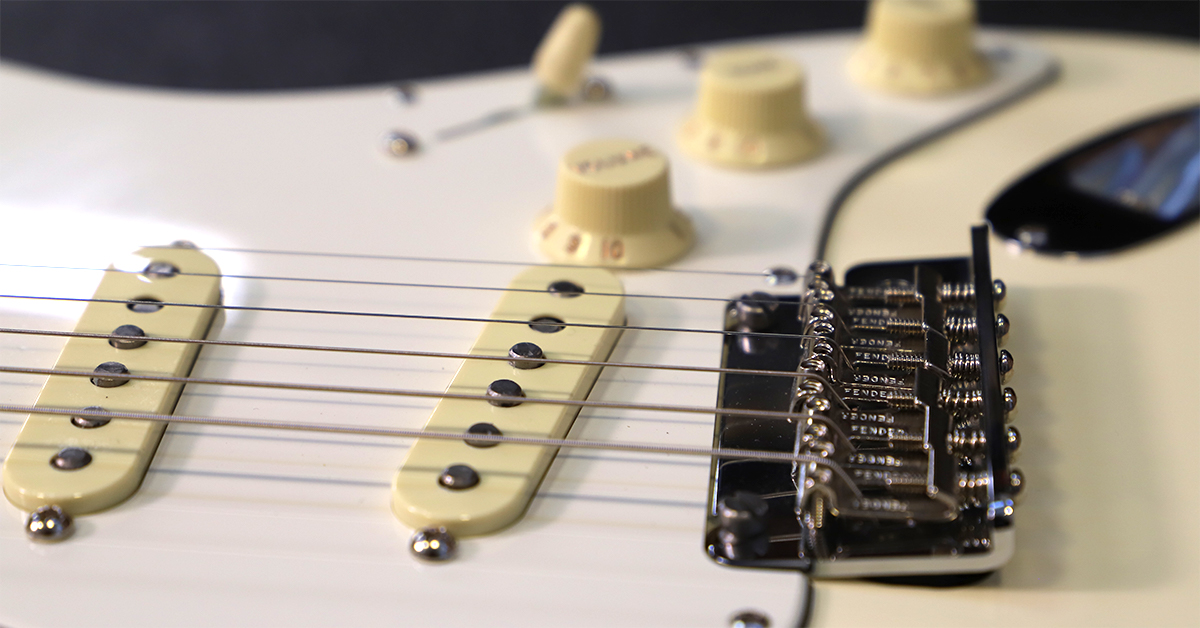
If you’re wondering how long your guitar strings last and when to change them, then you’ve found the right page! Do those who require a new set of strings for each performance really need them? And what about the select few who never change their strings?
Since strings are made from different materials and optimized for various purposes, the type and brand of strings and how you care for them will determine how long they last and when they need to be changed. Some guitarists play their strings for about 90 days before changing them, while many others may wait six months or longer. A select few even change their strings for every performance. Continue reading to learn more about how long guitar strings last and how often to change them.
- When Should You Change Guitar Strings?
- When to Replace Guitar Strings
- Will Changing My Guitar Strings Make It Sound Better?
- How Long Can Guitar Strings Last?
When Should You Change Guitar Strings?
To change strings or not to change strings — that is the question! When your guitar’s strings do not sound as good as they used to, you might need to replace them with a new set.
How often should you change strings?
How often to change your guitar’s strings depends on a few audible qualities. For example, if you haven’t changed your strings in forever but they still sound good to you, then what are the “pros vs. cons” of installing a new set? You might also think about changing your guitar’s strings with a realistic, practical ideology. Strings do not grow on trees, unlike twigs and nuts, and they’re not free. Changing strings is an additional expense to playing guitar, so keep that in mind when deciding to replace your current set with another. Here are a few tips for assessing your strings:
Do guitar strings go bad?
- Your guitar strings are considered alright if they still work, sound clear, and stay in tune after tuning.
- Strings that look or feel dirty but still sound good and hold their tuning do not necessarily require replacement. Consider cleaning the strings with a string-cleaning product to restore their tone and get more use from them.
- If your current strings are damaged or dirty or if they don’t hold their tuning, then installing a new set of strings will improve everything.
Since tone, action, and purpose vary from person to person, choosing when to change guitar strings is a very subjective decision. Each player should consider what their “bottom line” is and how that affects playing the guitar, having fun, and sounding the way they like. Here are some conclusions you might reach:
- I don’t need new strings for my next performance; the current ones work and sound fine.
- I don’t need new strings because I installed a new set yesterday.
- I do need new strings for my next performance; the current ones have lost their tone.
- I do need new strings to change string type or size.
- I do need a set of backup strings just in case the current set of strings breaks.
NOTE: It’s not about how your strings will break, but when. Always have a backup set ready to go in case one or more strings break because of use, weather, or accident.
When to Replace Guitar Strings
Since guitar strings can last a long time, when is the best time to change them: right before a performance or the night before? What about a week before? What about during the performance?While there are a few different reasons for changing strings, players typically install a new set for one or more of the following reasons:
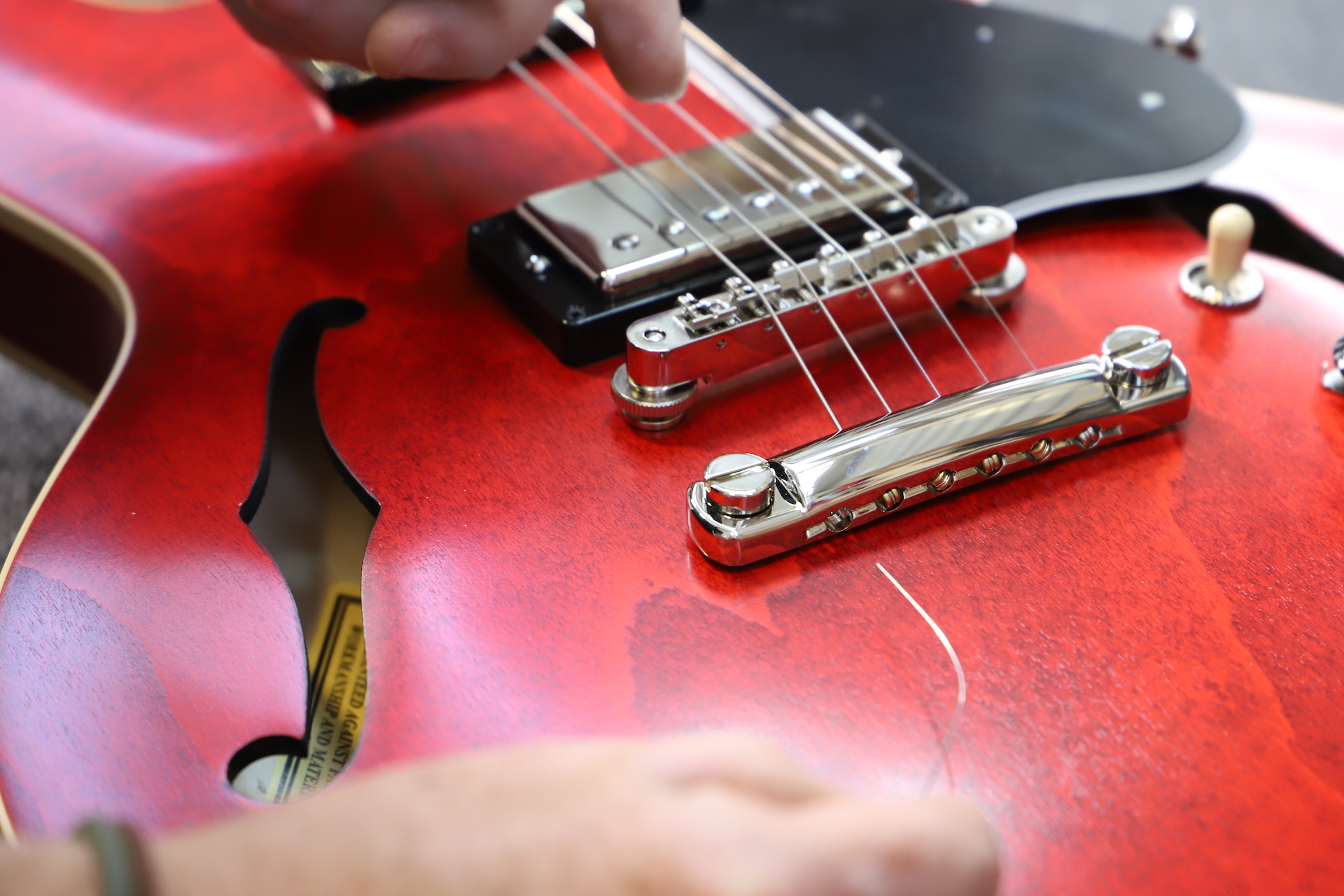
Replace one or more broken strings
This is unavoidable and requires restringing. Any matching single string can be used, but it is much preferred to change the entire set so that each string matches the set’s respective type and size.
Restore the string’s original tone
Aged, dirty strings lose clarity and sustain. Installing a new set is the best way to completely restore the sound of your strings.
Change the action or feel
The feel or “action” your guitar has is largely determined by the string gauges. With smaller and “lighter” strings, it takes less force to press and pluck them. Heavier strings typically have a bit more tension and low-frequency response.
Change the sound or tone
Consider your tonal options and explore the variety of roundwound, flatwound, and coated strings available. There are lots of options for creating new tones, even with the same string gauge. Consider focusing on your ideal tone or trying something totally different.
NOTE: Changing the gauge of your guitar strings typically necessitates a setup if you are going much lighter or heavier. That means allowing the string tension to settle and then adjusting the truss rod (neck curve), action (string height), and then intonation (string length).
Will Changing My Guitar Strings Make It Sound Better?
If you haven’t changed your strings in forever, then yes, more than likely, installing a new set of strings will let your guitar produce the full range of frequencies it’s capable of.
If you just finished a performance and are itching to change them out, not so fast! Strings do “break in” and lose a bit of their brightness (high frequencies) and stiffness (tension settling). Depending on which strings you have and how you play, each set can take anywhere from an hour to a week to settle. For example, if you install a new set of strings without breaking them in, the strings will continue to stretch and drop in pitch as you play. On the other hand, if you properly stretch them while changing them and then break them in, the strings will adjust to the new tension much sooner.

Cleaning guitar strings is useful when you want to maintain a clear tone without installing a new set of strings.
How Long Can Guitar Strings Last?
The old saying “If it ain’t broke, don’t fix it”definitely applies to guitar strings — but there’s a catch. Even though the strings still vibrate and the guitar produces a sound, the quality of that sound may or may not be what you like. New strings sound clear and stay in tune, while worn-out strings sound muted, have less sustain, and lack tuning stability.
- Roundwound strings are the most common string type and demonstrate the average guitar-string lifespan. Each string’s type, materials, and price will vary, all reflective of their construction quality or anticipated lifespan.
- Flatwound strings don’t allow as much skin and oil debris to accumulate between the windings and, thus, are easier to clean. They are naturally less bright sounding, so the dampening effects of wear are far less noticeable than with roundwound strings.
- Coated strings have a clear barrier applied to the string, reducing the depth of each winding and creating a “surface shield.” That coated surface makes it more effective when cleaning your strings, especially when wiping them off after playing.
How long do guitar strings last with daily use?
Frequent playing typically means frequent changing; and infrequent playing means less frequent string changes. Even so, a seldom-played guitar will quickly acquire rusted strings because of humidity and moisture in the air. The average set of strings played by the average player may last around 90 days (about three months).
How long do guitar strings last in the package?
Unlike produce at your local grocer, guitar strings do not have specific expiration dates. They are metal, though, and, if subjected to air and moisture, will rust. Most guitar-string manufacturers advise their strings can last several years before opening and use. Some guitar-string packaging is air sealed to protect them until opened. If your new, out-of-the-box strings appear to have corrosion or wear, then the packaging may have become compromised.
How can I make my guitar strings last longer?
The best thing you can do to make your guitar strings last longer is to wipe them down after every use. That will remove any moisture applied from the air, which causes your guitar strings to rust. That rust, along with skin debris, will fill in the windings and coat the surface, absorbing vibrations and deadening the string. If your strings are still working but have lost some clarity, they’d probably benefit from cleaning. A standard towel will help remove oil and skin debris, but guitar-string cleaning products are ideal for restoring a dirty set to “like new.”
- Use a dry towel to wipe down your neck and strings every time after playing.
- Guitar-string cleaning kits are ideal for deep cleaning and conditioning of the fretboard.
- Replace your strings with a new set when cleaning doesn’t help anymore.

Guitar Care and Maintenance Guide
Learn how to keep your guitar safe during temperature and weather changes, as well as looking good and sounding great.
Related Content
- How to Clean Guitar Strings
- Guitar Care and Maintenance Guide
- How to Choose Electric Guitar Strings
- Understanding Acoustic Guitar Humidity
- The Ideal Humidity for Your Guitar
When you need help, Sweetwater has the answers!
Our knowledge base contains over 28,000 expertly written tech articles that will give you answers and help you get the most out of your gear. Our pro musicians and gear experts update content daily to keep you informed and on your way. Best of all, it’s totally FREE, and it’s just another reason that you get more at Sweetwater.com.