
How Do Drum Triggers Work?
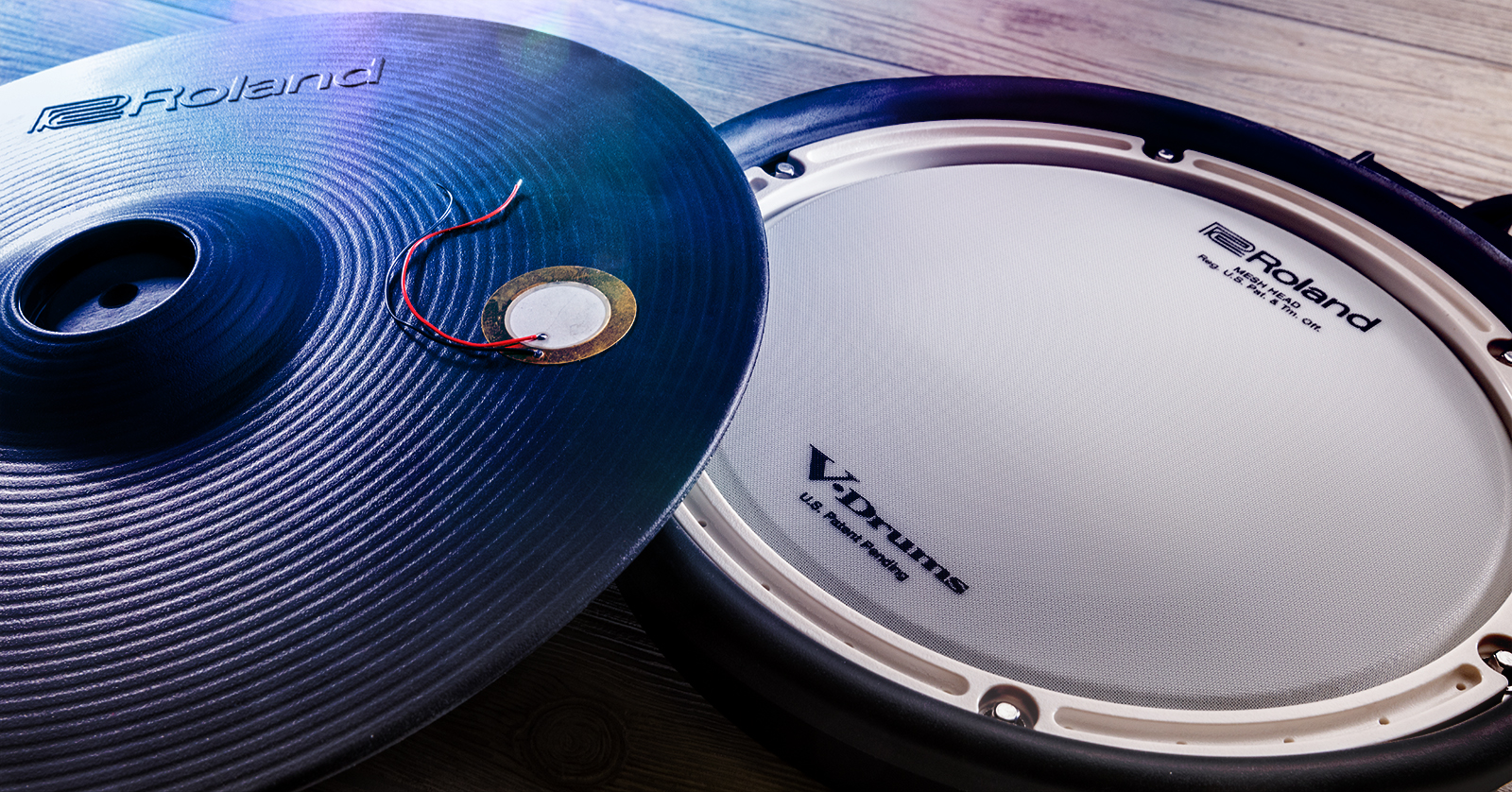
In previous articles, we’ve talked about how to set up an electronic drum kit, how to connect it to your computer, and the most common terms used when using electronic drums, but we have yet to discuss what a drum trigger is and how it works. In this guide, we will break everything down so you can better understand your kit’s ins and outs. Let’s get started!
How Does a Drum Trigger Work?
Whether it’s an external trigger or an electronic drum pad, piezo (piezoelectric) sensors are used to detect the stick’s strike. Piezo sensors consist of a small brass disc with a very thin quartz disc layered on top. Drum and cymbal pads are protected by rubber or foam discs. Once electric leads are attached to the brass and quartz discs, the piezo will almost act like a microphone’s diaphragm.
When the sensor is attached to a surface like a rubber drum pad or an external trigger’s foam disc, it measures pressure and vibration changes and converts them into an electrical charge (voltage). For drum triggers, this spike sends a voltage down the cable, triggering the sound on your drum module. The softer you hit a pad, the less voltage is sent, resulting in a quieter sound. Conversely, the harder you hit a pad, the more voltage is sent, resulting in a much louder sound.
You might be surprised to hear that piezo sensors are not only used in drum triggers. You will also see them with acoustic guitar pickups and everyday appliances like key fobs, microwaves, and gas grills!
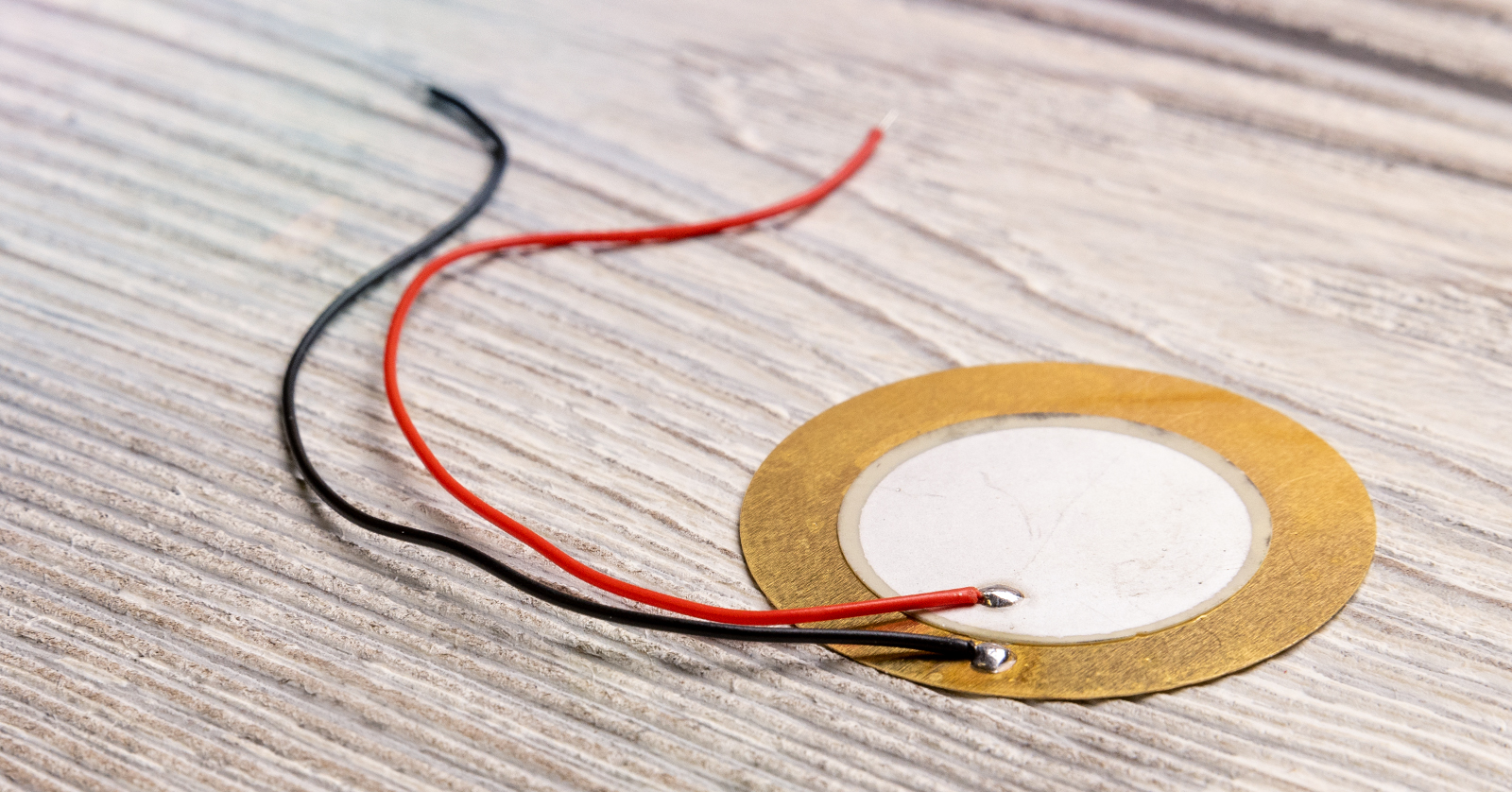
A piezo trigger
Sensors in Drums
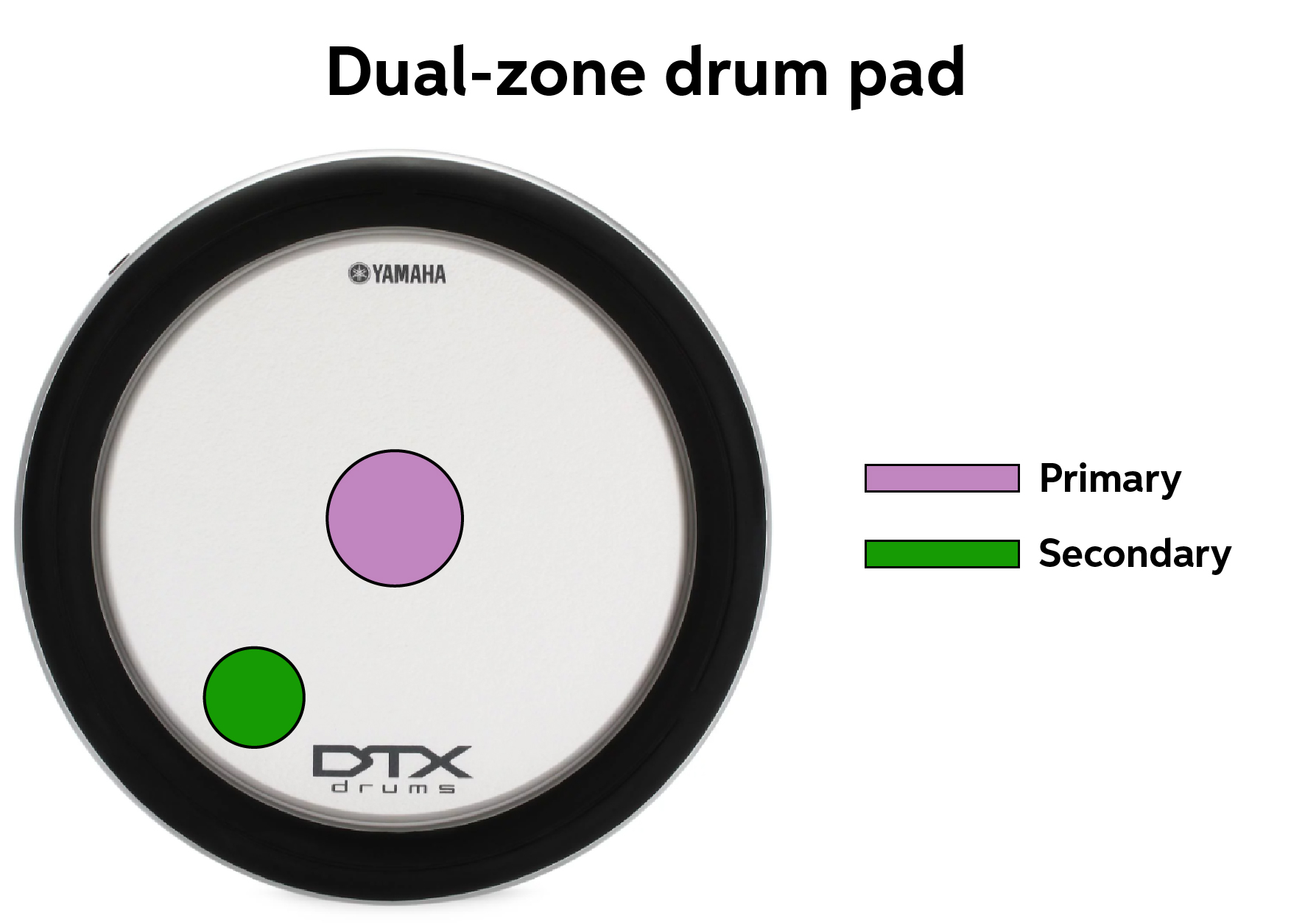
Electronic drum pads will almost always use a standard-size piezo sensor at the center of the pad. If you have dual- or triple-zone pads, there will be a few different spots on the pad where they may be located.
External triggers come in a few shapes and sizes and offer greater flexibility in placement. Most acoustic drum triggers are clamped to the acoustic drum’s rim, but some manufacturers have also created conversion kits where you can place a trigger inside the drum.
Dual- and Triple-Zone Drum Pads
If you have a dual- or triple-zone drum pad, it will have multiple piezo sensors. These sensors are positional, meaning one piezo will trigger a specific part of a pad, and another will trigger a different section.
For example, in dual-zone snare pads, one piezo is located in the center. The other is on or near the rim. This means any time you hit the rim, it will trigger a different sound than the piezo in the center.
Cymbal Switches
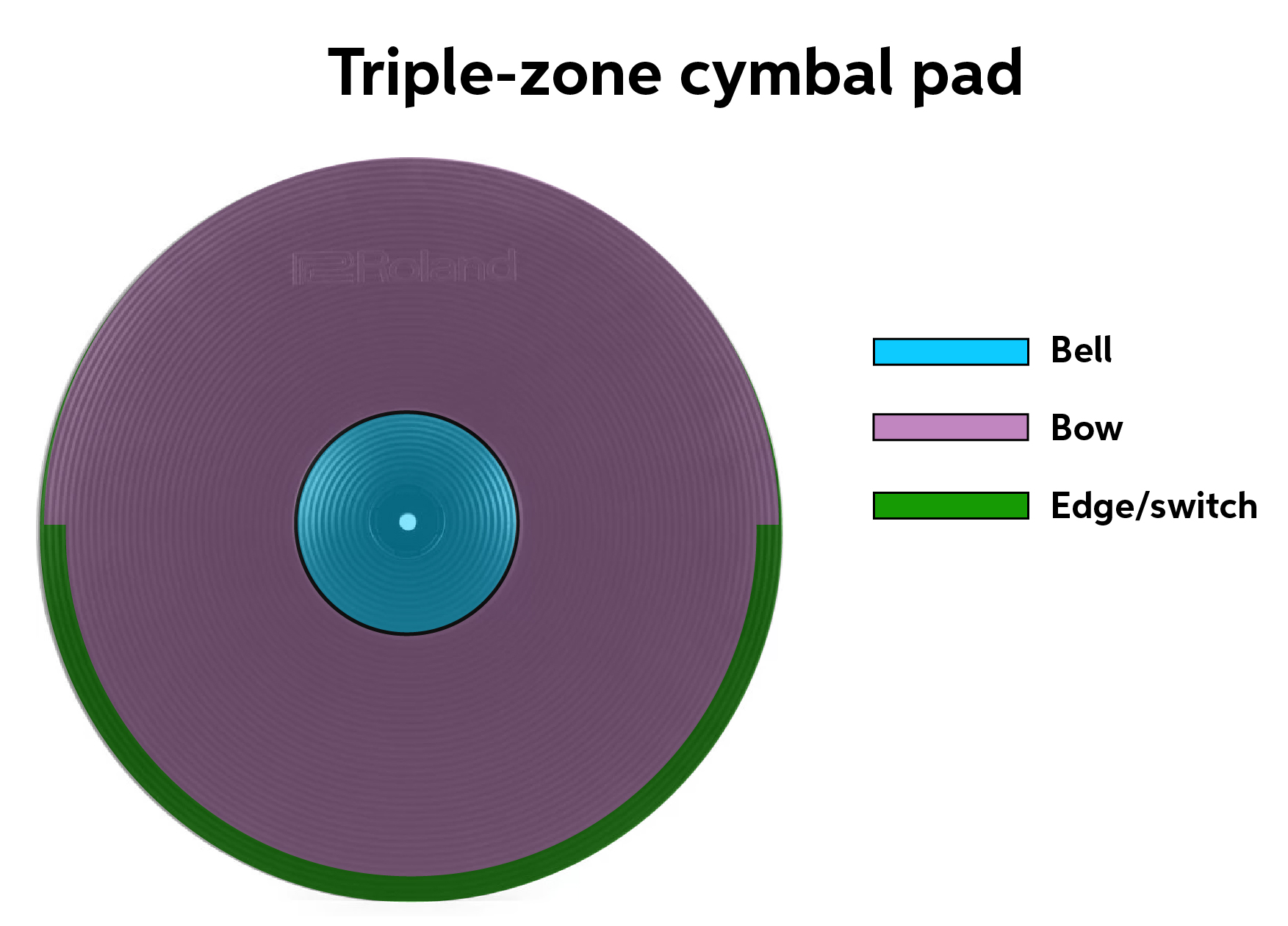
A cymbal pad with multiple zones can also have a pressure switch that sends ON/OFF messages when touched.
The switch works in conjunction with the piezo. As the name implies, it sends ON and OFF information. A piezo switch often utilizes a piezo and a membrane or a ribbon. If you strike the piezo switch, it produces a sound (ON), but when the membrane/ribbon is pinched, it cuts the sound off (OFF).
- If you hit the switch and the piezo is triggered, it triggers a specific sound (for example, edge or crash) and turns OFF once the switch is pinched.
TRS vs. TS Cables
TIP: If you want to expand your electronic drum kit, you can connect an additional drum or cymbal pad to your module using TRS to TS y-cable. If you’re connecting a dual-zone pad, however, it will convert into a single-zone pad.
Almost all modules that come with cables will include TRS cables. This is important because, while you can use standard TS cables, those will only trigger the “primary” sensor. So, if you have a TS cable connected to a dual-zone snare pad, the module will always trigger just the snare sound.
TRS cables are used for balanced connections, but for electronic drum pads, they are used with piezo sensors. Here is how a cable works with drum and cymbal pads.
- Drum pads
- Tip: drumhead sensor
- Ring: rim sensor
- Sleeve: ground
- Cymbal pads:
- Tip: ground
- Ring: bell/edge sensor
- Sleeve: bow sensor
Triple-Zone Cymbal Pads
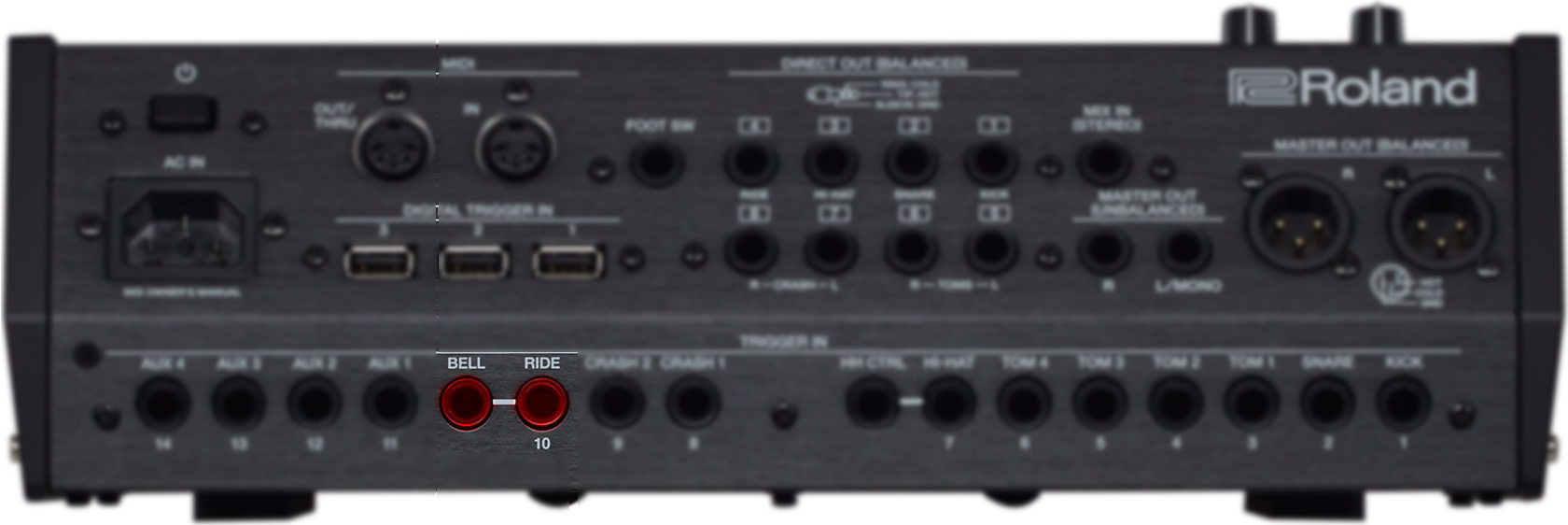
The exception to this rule is triple-zone cymbal pads, as the TRS cable can only handle the edge and bow signal. So, if you have a triple-zone pad, like a triple-zone ride cymbal pad, there will be an additional input on the module specifically for the third zone.
- While it is uncommon, some manufacturers can utilize one cable to handle all three zones.
Related Articles
When you need help, Sweetwater has the answers!
Our knowledge base contains over 28,000 expertly written tech articles that will give you answers and help you get the most out of your gear. Our pro musicians and gear experts update content daily to keep you informed and on your way. Best of all, it’s totally FREE, and it’s just another reason that you get more at Sweetwater.com.