As a musician, there is nothing more important than protecting your hearing. Sure your hands, feet (especially if you are a drummer), and voice are incredibly important, but as far as music is concerned, all of those things would not matter if you could not hear. How could you do your job if you couldn’t hear beautiful melodies, luscious keyboard pads, ripping guitar riffs, funky bass parts, and so on. Frankly, as devastating as it would be to lose your hearing, it’s just downright inexcusable to not protect your hearing, because there are so many products now that do just that. Protect it! It is not like the old days when you had to shove cotton or wax in your ears. Even though the basic foam earplugs you can buy at any corner drugstore are still around, there are now plugs that can be custom fit to your exact ear with different levels of protection. The technology is fantastic. There are earplugs out there that protect and allow good sound, too. Here are a few things you can do to protect your hearing, along with some product suggestions.
1. Turn Down
The first thing you can do to protect your hearing is to turn down the volume and play more quietly. Yes, I know that this is easier said than done, but it is a must if you want your hearing to last. It takes some practice and discipline, but I know from years of experience that you can play a whole gig with dynamics, energy, and volume and not go home at the end of the night with your ears ringing.
2. Get Away from the Mains
When you go out to see a show and the venue is small, do not stand too close to the main speakers. If you stand back a little, it will sound better anyway.
3. Don’t Put Your Ear Next to the Floor Wedge
This has happened to just about every musician I have ever known. Your microphone is working out of the main speakers, but nothing is coming out of the wedge. You can’t tell exactly what you are hearing, so you bend over, put your ear to the wedge, and then you get slammed with feedback that not only scares you to death, but hurts bad. Your ears immediately start ringing, you are now in a bad mood, you want to chew out the monitor technician, and you still have to get it together and put on a show. NEVER PUT YOUR EAR CLOSE TO A FLOOR WEDGE! Ask questions and make it known to whoever is running sound that you are not hearing anything. If you are running the sound, then just try to fix the problem while keeping your head and the microphone away from the speaker.
That kind of crazy feedback can happen through no fault of your own, and it can still be blisteringly loud without having your ear down next to the speaker. One very bad time for me was at a soundcheck. I was sitting behind my drum kit waiting to play, and nothing was coming out of the drum wedges around me. All of a sudden, the loudest high-pitched sound of all time came screaming out of the speakers and nearly knocked me off of my drum throne. It was VERY painful. The sound tech was very apologetic, and he didn’t mean for that to happen, but ever since that day, I make sure my ears are protected even before going onto stages for soundcheck.
4. Hearing Protection
Never leave home without it! Here are some options when it comes to hearing protection.
-
Basic Foam Plugs
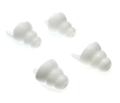
Basic foam earplugs can be purchased just about anywhere. They usually bring down the decibel level significantly and also cut out much of the high end. They are great for really loud environments. Hearos Rock ‘N Roll earplugs are a great basic plug that is washable and reusable.
-
Universal Fit Plugs
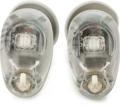
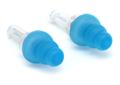
 The next step up from a basic foam earplug is a universal-fit plug. These usually have a soft plastic or foam tip and sometimes even come in various strengths. The Etymotic Research ETY-Plugs, the Planet Waves Pacato Hearing Protectors, and the Westone TRU Universal plugs are all great options that will last a long time. Etymotic Research also makes an electronic earplug called the Music Pro. The plugs let you select how much attenuation you would like – 9dB or 15dB – but the plugs don’t actually start working until sound levels reach that point. That is some very cool technology.
 -
Custom-fit Plugs with Filters
 If you want to go all out and get earplugs that will last as long as your ears stay the same size, which is usually a very long time (in case you don’t know, your ears grow as you get older), then getting custom-fitted earplugs is by far the best way to go. All you do is go to an audiologist and have a mold made of your ear. It is a strange feeling if you have never had it done. It is not painful at all; it is just weird when the molding material is first inserted into your ear. The audiologist sends the molds off to the manufacturer, and soon you get a pair of earplugs that fit your ear exactly. It is a very cool process that works really well. On top of that, you can get small filters that go on the ends of the plugs that offer different attenuation – usually 9dB, 15dB, or 25dB. If you can afford it, I highly suggest purchasing all the different filters, that way you can pick just the right amount of attenuation at every event.
Protect your ears! Even if you are not a musician and simply work in a loud environment like a factory, hearing is one of the most amazing things our human body does, and more importantly, it’s irreplaceable. Don’t take it for granted, and protect it so you can keep enjoying all of the beautiful sounds this world has to offer, like your favorite music!