The first devices used to generate delay or echo effects were reel-to-reel tape machines that recorded and played back sound using separate recording and playback heads. Dedicated echo devices, such as the Echoplex, soon followed. The distance between the two heads or the tape speed could be adjusted to vary the delay time. Some serious magic happened with the introduction of multiple playback heads, as in the Roland Space Echo. Not only were there multiple repeats, but they could also happen in various rhythmic intervals, instead of static, consistent repeats. These variable repeats offered a powerful tool for adding depth and complexity to a simple part.
The other popular method for creating multiple delay patterns in the pre-digital era was replacing the tape with a rotating magnetic drum or disc surrounded by record and playback heads. The most successful was the Binson Echorec, famously used by Pink Floyd. The Echorec offered a wide variety of rhythmic options, and the drum was more reliable than tape.
Fast-forward to the current millennium, and even though there are a number of ways to achieve the skipping, rhythmic fun of multi-head delays (you can even do it in a phone app), the charm of analog and all its quirks still have quite an allure — not to mention that each particular machine had its own way of creating the sonic goodness that came with its own idiosyncrasies.
There’s a multitude of modern vintage delay re-creations available in pedal form, but let’s check out some versions that capture the multi-head delay mojo.
Strymon Volante

This in-depth, full-featured pedal is aimed at nailing the details of tape and drum delays, even though it’s digital. There are four taps (heads) that can be individually turned off and on, level adjusted, panned left to right, and set to single or multiple repeats. There’s a knob to adjust the spacing between the taps, and Wear and Mechanics controls simulate what happens to an aging delay machine. The Half/Normal/Double Speed switch re-creates the mechanical differences that occur when a drum or tape spins at a slower or faster rate, which is different from adjusting the delay speed. This pedal goes deep!
It also has the modern touches of tap tempo, eight onboard presets or 300 presets accessible via MIDI, expression pedal control, stereo instrument-level or line I/O, and a looper. Let’s not forget the spring reverb! This pedal will definitely bring out your inner multi-head delay geek.
Also check out the Strymon El Capistan for a trimmed-down version. The sound quality is equal to the Volante, if you don’t need as much tweakability.
BOSS RE-20 Space Echo

This pedal is a faithful, digital re-creation of the legendary Roland Space Echo with modern upgrades. Acclaimed originally for its reliability over other tape-delay machines, the Space Echo has its own unique sonic fingerprint that’s all over the recordings of a wide range of artists, including Bob Marley, Brian Setzer, and Radiohead.
The RE-20 has three taps (heads), and the 11-position Mode Selector allows you to choose different combinations of taps, along with the RE-20’s Reverb. Most of the RE-20’s controls resemble the Space Echo’s, but tap tempo, expression pedal control, mono or stereo I/O, and a Direct switch to defeat the dry signal give you extra creative flexibility.
Catalinbread Echorec

Catalinbread’s aim was to put the Binson Echorec’s magnetic-drum swagger in a small, reliable, easy-to-use pedal, and they succeeded! They even created extra goodness with variable timing control via the Delay Time knob, up to 1,000ms of delay time, a true bypass/buffer selector, plus internal global gain and modulation trimpots.
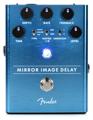
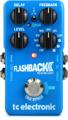
So, if you aren’t 100% committed to a tape or drum delay simulator but want to catch some of the vibe, then what are your options? The simplest way is with a TC Electronic Flashback 2 or Fender Mirror Image; they both have a switch that adds another delay that’s spaced at a dotted quarter note. That adds the 3-against-4 skip that’s associated with multi-head delays.
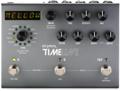
If you’re looking for something that has more options and tweakability, then many full-featured delays with different delay voices have multi-tap, pattern, or dual delays. The Electro-Harmonix Grand Canyon has a multi-head drum delay as one of the voices. The BOSS DD-500 and Strymon Timeline both have a Pattern Echo voice with 16 independent delays. They also have a Dual Delay feature, which can be used in series (feeding into each other) or parallel (independent).
The Source Audio Nemesis has Pattern and Ping Pong voices. With the Neuro Mobile app, you can access a multi-head drum delay voice or add a second delay to any existing delay voice (tape delay, perhaps?).
There are a wide variety of pedals that capture the fun of multiple delays working together. The main goal is to find the one that works for you and inspires you to make more music!