Saxophone. It’s such an iconic-sounding instrument. From Paul Desmond’s timeless melody on the biggest-selling jazz single of all time, Dave Brubeck Quartet’s “Take Five,” to David Sanborn’s classic line on David Bowie’s “Young Americans” — or Clarence Clemons’s stunning tone on Bruce Springsteen’s “Born to Run”; or Raphael Ravenscroft’s signature phrase that launches Gerry Rafferty’s “Baker Street” — the saxophone produces an amazing sound that can truly make a recording memorable.
But making it sound as great in a live venue or on a recording is not as easy as you might think. What microphone and what mic placement capture that sound best? Well, as you might have guessed, there are as many opinions for mic placement as there are engineers. But, for this article, we simply wanted to hear what different mics sounded like on the same horn in the same studio.
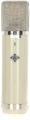
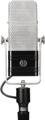
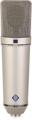
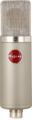
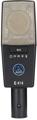
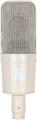
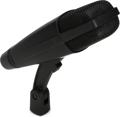
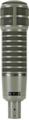
There are all-time favorite mics that you see in videos and hear on recordings all the time, such as the Sennheiser 421, the Electro-Voice RE20, and the ubiquitous Shure SM58. But there are also newer mics that should be on your radar, too. For this comparison, we gathered up 21 of our favorite sax mics and had Sweetwater Sales Engineer Craig Edgar come in to play through all of them so we could hear them side by side. He brought these saxophones for us to listen to.
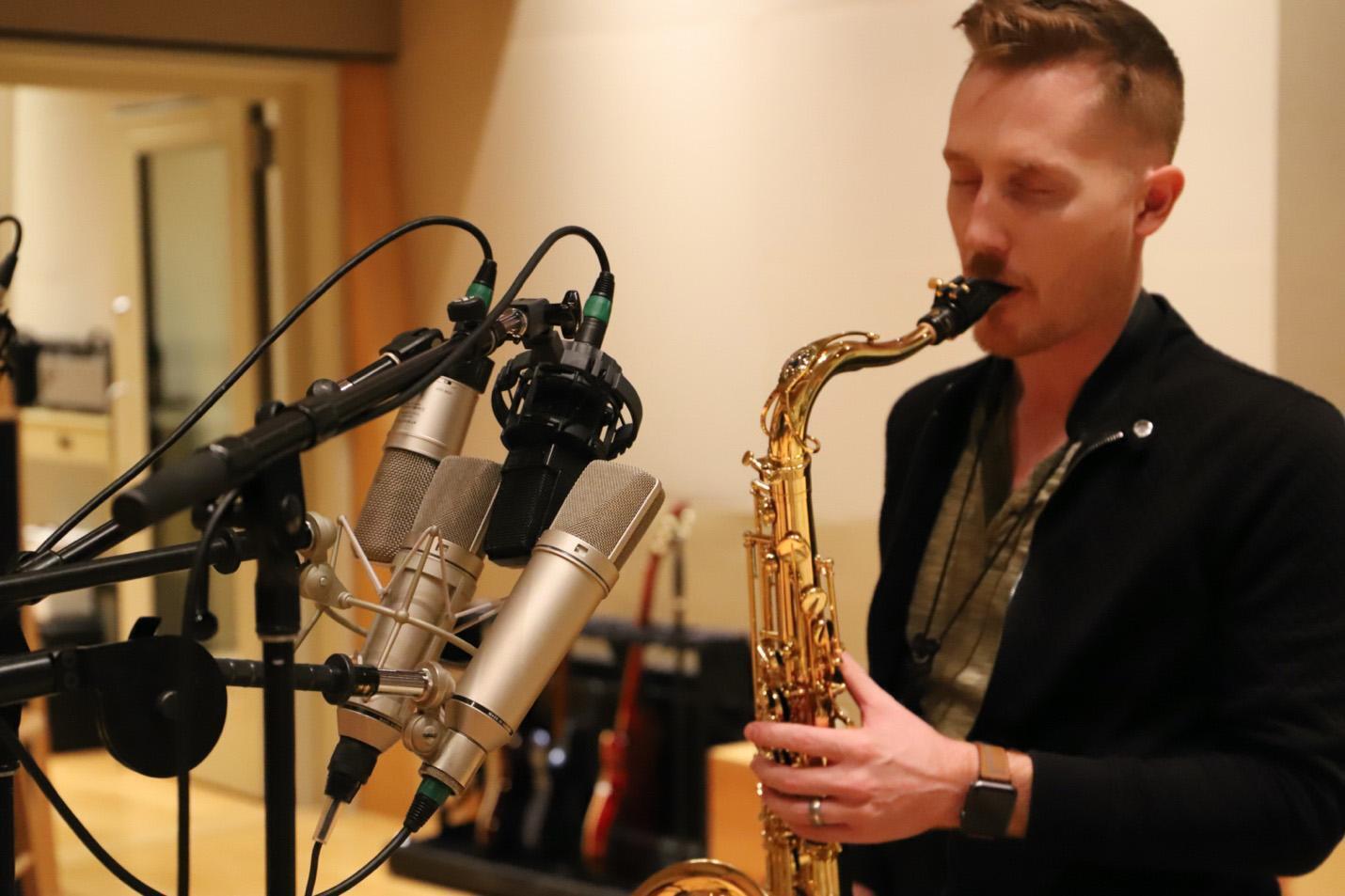
Alto: Growling Sax Uprise Series professional (silver-plated) with a Meyer 7M mouthpiece and a Vandoren Blue Box 3.5 reed with a Vandoren one-screw ligature.
Tenor: Selmer Paris Reference 36 professional tenor sax with a D’Addario MKS-D7M Select Jazz tenor mouthpiece, a D’Addario Select Jazz 3S unfiled reed, and a Rovner Dark ligature.
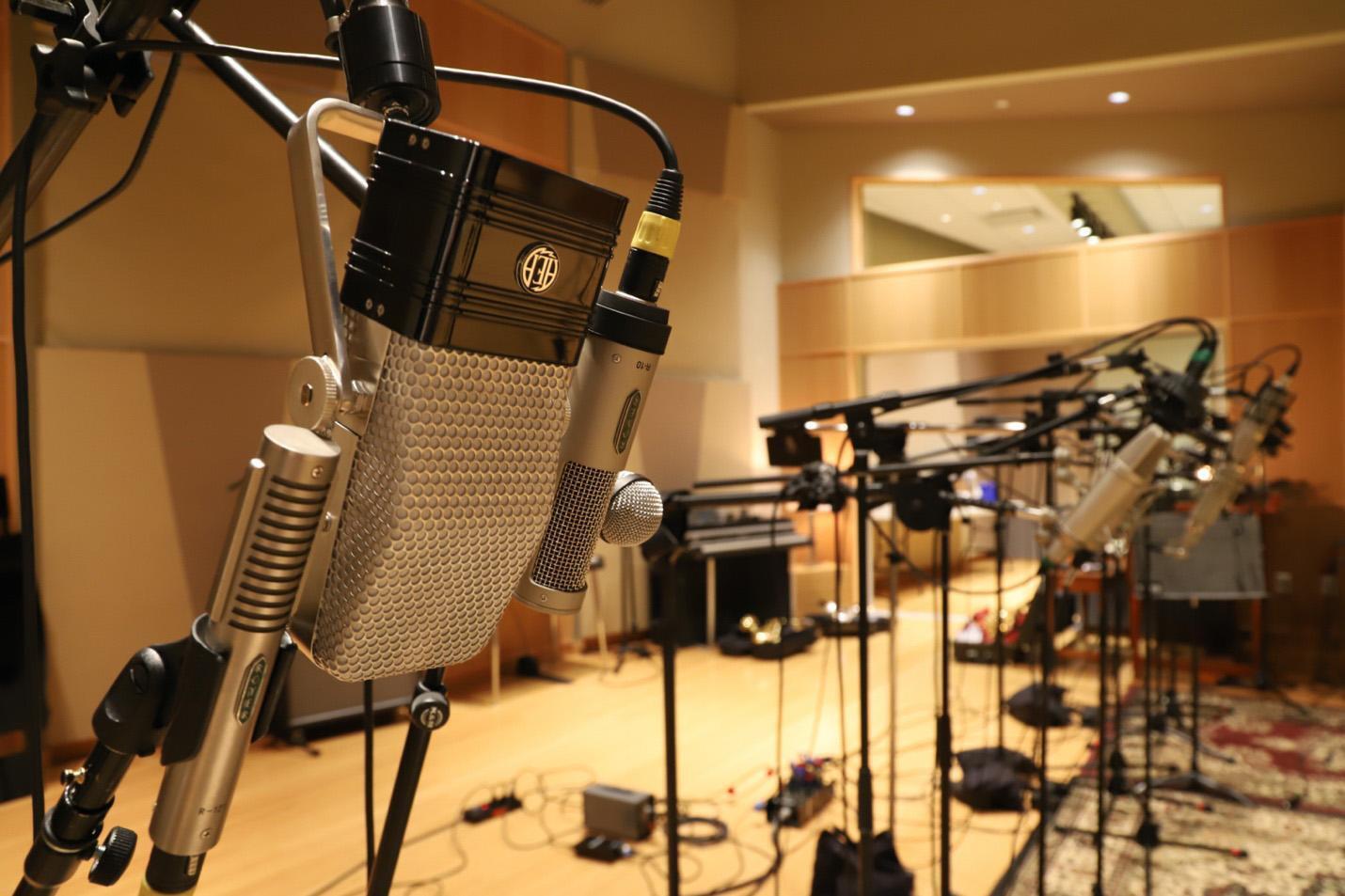
We lined up all the mics in the studio, routed them into Rupert Neve Designs Shelford channels with no EQ or compression, and recorded them into Pro Tools with the AVID MTRX converters. You’ll hear Craig play two different saxophones (alto and tenor) in a variety of ranges, allowing you to hear how each mic interprets the sound. Make sure to also listen for how much room sound each mic picks up.
The mics we auditioned included dynamics, condensers, and ribbons. If you’re not sure what those distinctions mean, then check out our Studio Microphone Buying Guide.

The Microphones
(Grouped by type)
Ribbon microphones
Take a Listen
Here are the performances. Take a listen and decide which sound you prefer. These are in the same sequence as above, grouped by type: condenser, dynamic, and ribbon.
Alto sax
Tenor sax
What Was Your Favorite Mic?
What do you think? Can you hear the differences? Did you find the right mic at the right price that will fit your needs? If not, then call your Sweetwater Sales Engineer at (800) 222-4700, and they can help you narrow down your microphone options and suggest alternatives.