In 1994, Rivers Cuomo of Weezer tapped into a common experience of musicians when he sang, “In the garage, I feel safe; no one cares about my ways.” He described in perfect detail how a garage can be a creative safe haven, a place away from the world where you’re free to explore music making, free from judgment, either alone or with your bandmates. When you’re limited on space in your home, garages are a great option. At Sweetwater, many of our staff and customers use their garages as rehearsal spaces, writing rooms, and recording studios. After all, do cars really need their own bedrooms? That’s one of those “things that make you go hmmmm . . .” questions C+C Music Factory warned us about.
Setting up your garage as a rehearsal space or recording studio does require a bit of forethought to yield the best results. So, we talked to some Sweetwater employees who are currently working out of converted garages (or who have in the past) to gain their insights. Read on to learn more about how to turn your garage into the ultimate music room!
Define the Purpose
The first question you’ll want to answer when converting your garage into a music room is, “What is the room’s purpose?” For example, do you intend to use it as a recording space, a rehearsal space, or both?
If the purpose is to use it as a recording space, then focus on creating a setup that complements your recording workflow, has suitable acoustics, and is conducive to long hours spent tinkering with compositions and productions. You’ll want to choose a nice desk that has room for your computer, audio interface, and any hardware that you want on hand and easily accessible. Sweetwater offers various studio desks and workstations that can accommodate any setup, whether it be simple or complex, at multiple price points. Next up, outfit yourself with the requisite recording gear, including an audio interface, microphones, monitors, headphones, and, of course, instruments. If you need help shopping for the right equipment, then check out our article “How to Make a Baller Home Studio for Under $2K.“
However, if you intend to create a rehearsal space for your band, there are other considerations to keep in mind. Not only will you need a layout that you find personally comfortable, but you’ll also have to keep in mind your bandmates’ preferences. Successful rehearsal spaces are all about fostering collaboration. That said, when you’re surveying your space, include your bandmates and take the time to carve out a spot for each of you, paying attention to ergonomics as well as sound. When you’re writing and arranging, you’ll want to have clear lines of sight between band members since visual communication is extremely important at this phase. You’ll also want enough flexibility in your layout to also be able to rehearse as if you’re onstage so that everyone is comfortable looking out at a crowd versus looking at each other.
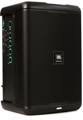
Monitoring is extremely important for fruitful rehearsals, and there are several options from which to choose. For your primary instruments, including guitar, bass, and keyboard, your stage amplifiers will almost always push enough volume for a garage rehearsal space. We suggest erring on the side of keeping the volume down, not only to preserve your ears and to keep your neighbors happy but also because playing at moderate volumes makes it easier to assess if an arrangement is working. For vocals, a portable PA system, such as the Bose L1 Compact portable PA system or the JBL EON One Compact portable PA speaker, will more than suffice. Plus, you can gig with it if you ever need to supply your own PA.

Acoustically Treat Your Space
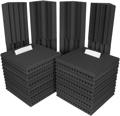
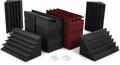
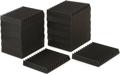
Whether your garage will ultimately be used as a home studio or as a rehearsal space, it will certainly require some amount of acoustic treatment. Why? Because garage designs don’t take acoustics into account. It’s quite the opposite as your garage likely has the worst acoustics in your house due to its concrete floor, parallel wall construction, and potentially low ceilings. But don’t fret; with a little acoustic treatment, you can mitigate some of the issues you’ll face, including flutter echoes, standing waves, and bass buildup. Sweetwater provides a host of acoustic-treatment solutions including full packages sized for your room. For an overview of acoustic treatment, explore our handy “Acoustic Treatment Buying Guide.”
Acoustic Treatment Solutions
At Sweetwater, we offer a comprehensive assortment of acoustic-treatment solutions including absorption and diffusion panels, bass traps, and full room systems. Here is a selection of some of our favorite acoustic-treatment options:
Full Room Acoustic Treatment Systems

Primacoustic London 16 Acoustic Room Kit
Learn More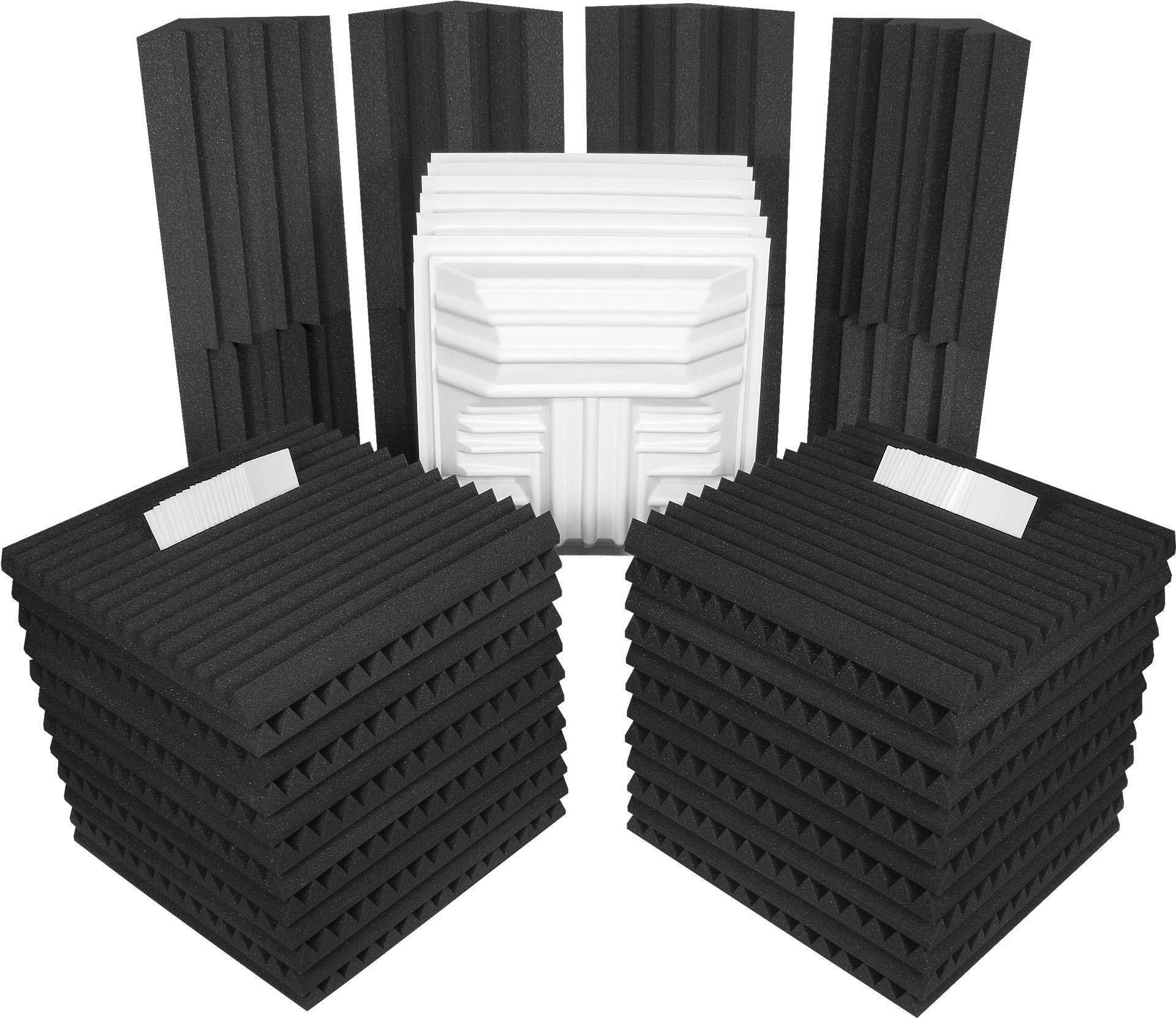
Auralex Deluxe Plus Roominator Kit
Learn More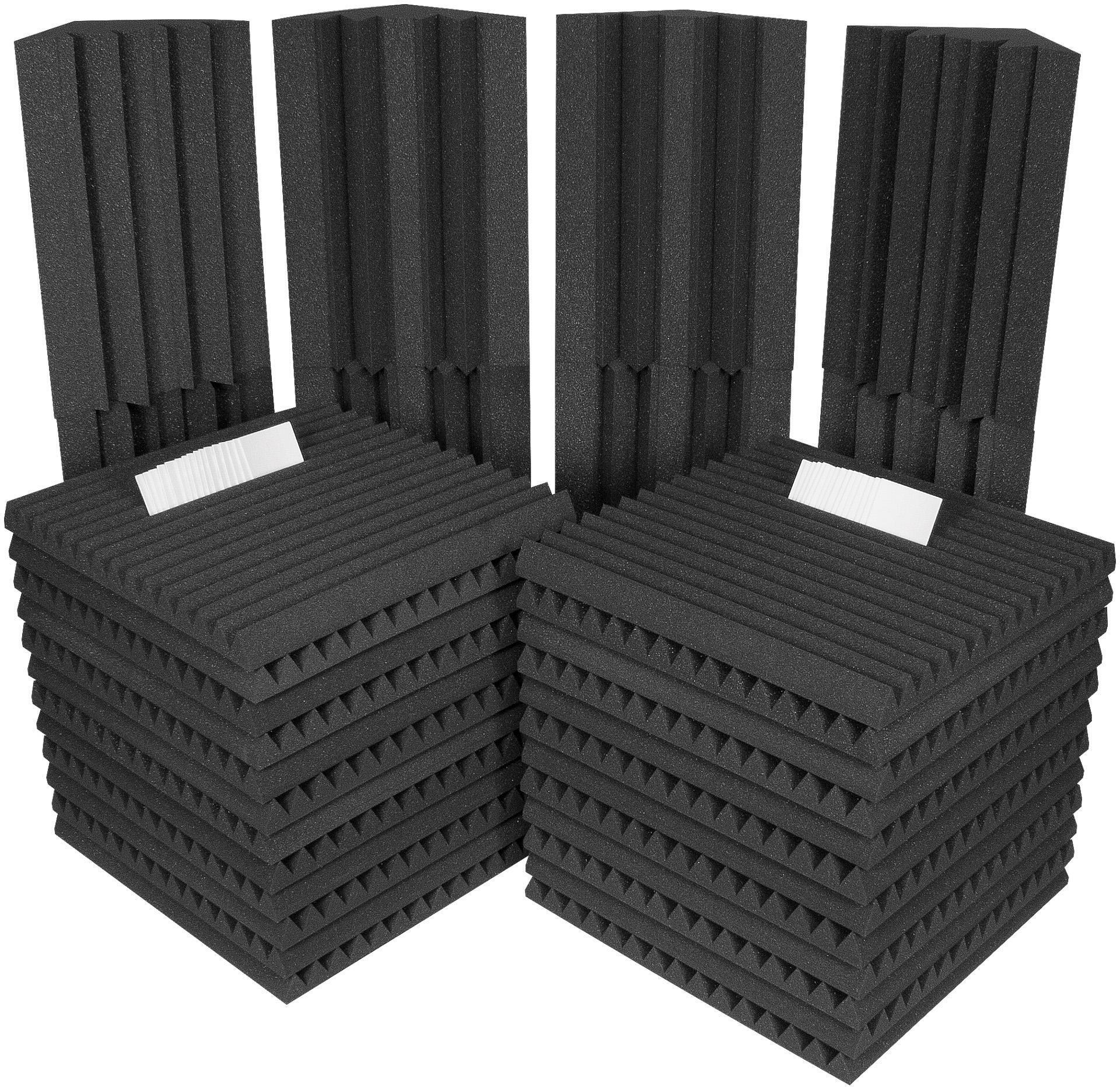
Auralex Project 2 Roominator Kit
Learn More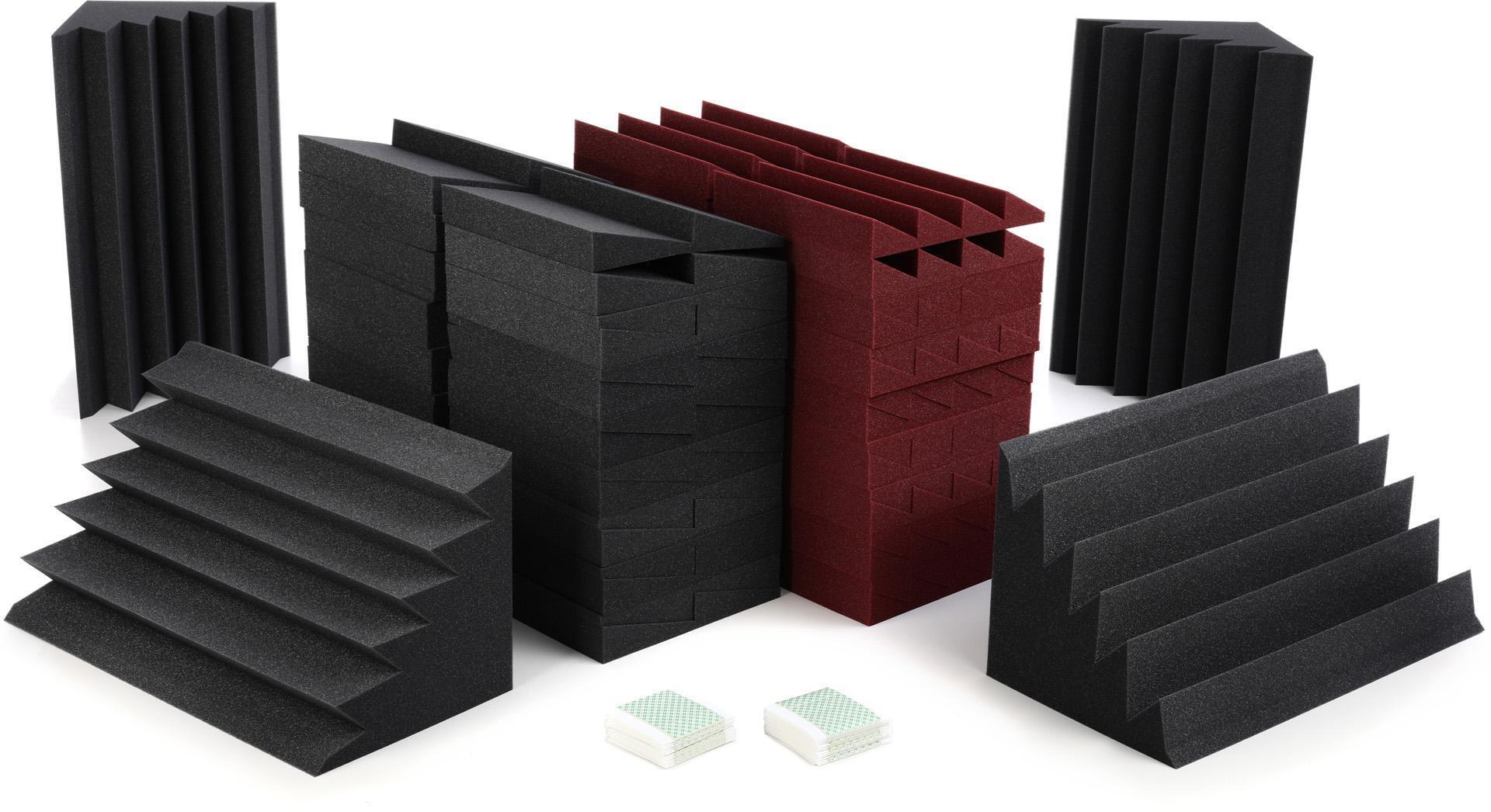
Auralex Alpha-DST Roominator Kit
Learn More
Foam Acoustic Panels

Auralex 2 inch Studiofoam Wedgies 1×1 foot Acoustic Panel 24-pack
Learn More
Auralex 2 inch Studiofoam Pyramids 2×4 foot Acoustic Panel 12-pack
Learn More
Bass Traps

Auralex LENRD 1x1x2 foot Studiofoam Bass Trap 4-pack
Learn More
Auralex ATOM-12 Bass Trap System
Learn More
Primacoustic 2 inch London Bass Trap Kit 24×48 inch Panel 2-pack
Learn More
Vocal Isolation

sE Electronics Reflexion Filter X Portable Vocal Booth
Learn More
Aston Microphones Halo Portable Microphone Reflection Filter
Learn More
ISOVOX 2 Home Vocal Booth – Grey
Learn More
On top of acoustic treatment, you might be inclined to attempt to soundproof your garage to appease the aforementioned neighbors. There are ways to reduce the amount of sound that escapes your garage, many of which are covered in the article “How to Soundproof a Room for Drums.” (Let’s face it, we all know who’s making the most racket!) However, true soundproofing requires construction, typically by building a free-floating room within a room. We go over all the nitty-gritty details here: “Tips for Soundproofing Your Home Studio or Practice Spot.” Short of that, our recommendation is to use acoustic-treatment material to get your garage music space sounding as nice as possible while playing at reasonable volumes. You might be surprised at how full a band can sound at low volumes with even a moderate level of acoustic treatment.
Set a Mood
Never underestimate the power of a vibe! Once you’ve got your gear in place and your acoustic treatment on point, it’s time to set the mood. This can be as simple as decorating your space with stylish musical paraphernalia, selecting some attractive rugs, and adding a few creature comforts like a mini fridge or cozy seating. Another important piece of setting a mood is to keep your space relatively tidy by organizing your gear, having enough guitar stands and keyboard stands to go around, and using cable organizers to eliminate tripping hazards and visual clutter.
To level up the ambience, consider adding a few colored lights. On the less expensive end, you can pick up app-controlled color-shifting light bulbs online or at your local hardware store, which allow you to create and save different color scenes for tailoring your environment to whatever part of the creative process you’re in. If you want an even more dramatic effect, then look into a small lighting bundle (the type used by mobile DJs). These are definitely a pricier option, but they can double as a solid addition to your gigging rig when you’re playing small venues that don’t have their own lighting systems.
Power Up
It’s often advised to avoid plugging audio components and lighting components into sockets that share the same circuit to prevent noise contamination. However, in our experience, this is typically only an issue when your lights are on silicon-controlled rectifier (SCR) dimmers. SCR dimmers work by chopping the waveform, which is effective and inexpensive for light bulbs, but it can cause incandescent light bulbs to sing when dimmed!
If you’re suffering from noise and lighting is not the culprit, then you may benefit from buying a dedicated power conditioner with a noise filter for your audio equipment, such as the Black Lion Audio PG-XLM rackmount power conditioner. Additionally, there are more advanced power conditioners, voltage regulators, and uninterruptible power supplies available from Sweetwater, depending on how deep you want to go to clean up your sound. To learn more, read the article “How to Avoid Power Disasters in Your Studio.” And, as always, if you have any questions on this or any other subject, please reach out to your Sweetwater Sales Engineers — they’re happy to advise!

Master the Elements
Another thing to think about when converting your garage into a music space is to protect your gear from fluctuating temperature and humidity levels. In a finished garage, this is less of a concern. But, if your garage is lacking full insulation or has leaky windows and doors, you’re likely putting your gear at risk. However, if your only option is to use an unfinished garage as your music space, then, at a minimum, you’ll want to seal your windows and doors (there are numerous tutorials online describing affordable DIY options). And, if you’re in a humid climate, invest in a dehumidifier to keep your gear dry. If your garage gets cold in the winter, then make sure to let all of your powered gear warm up before use. Finally, store your most delicate instruments, microphones, and hardware indoors between sessions.
Conclusion
Ready to transform your garage into a stellar music room? Our knowledgeable Sweetwater Sales Engineers can help you figure out everything you need from hardware and instruments to acoustic treatment and power supplies. Give us a call at (800) 222-4700 and get started building the garage music room of your dreams!