The bass drum has been the beating heart of the drum set — and of music in general — for centuries. Long before the bass drum was the bedrock of the modern drum set (alongside its compatriot, the snare drum), it was the rhythmic foundation of 14th-century Turkish military bands who played large davul drums. These developed into the orchestral bass drums of 17th-century Europe, where composers such as Mozart and Beethoven used them to great effect. Marching bass drums of the 19th century kept both the US military and citizenry in step, as marching music (think John Philip Sousa) was a popular form of music at the time. Eventually, in the late 1800s, the bass drum made its way onto the ground, where drummers began playing it with makeshift “overhang” pedals before Ludwig patented its bass-drum pedal design in 1909. The bass drum (now also known as a “kick” drum) has been providing us with four on the floor ever since.
Though its technology and playing techniques have changed over the years, the bass drum’s role in music has not. This large, low-pitched drum is a percussive conductor, providing performers and listeners of nearly all contemporary genres with a solid, punchy pulse to move and groove to. So, let’s consider the bass drum and show it some love with a deep dive looking at it in the context of modern drum sets.
- What Is a Bass Drum?
- What Are the Parts of a Bass Drum?
- What Are Bass Drum Accessories?
- A Look at Bass Drum Pedals
- How Do You Play the Bass Drum?
What Is a Bass Drum?
The bass drum, or kick drum, is the largest drum in a standard drum set. It rests on the floor and is played with a bass drum pedal (more on this later). The bass drum is typically the only drum set component played solely with the feet. When struck, the bass drum produces a low-pitched “thump” or “boom” that, together with the bass guitar or bass synth, comprises much of the low-frequency content in many modern styles of music and is a critical part of most rhythm sections. Generally, smaller bass drums with a tighter “thump” sound and less sustain are preferred for genres such as jazz, funk, or fusion, and larger bass drums with a “boomy” sound and more sustain are preferred for styles including rock and metal.
What Are the Parts of a Bass Drum?
Shell
The core construction of the bass drum consists of its shell. Drum shells are usually made from plies (individual layers) of wood, though other materials such as acrylic are also available. Although there is not a “standard” format for noting size (depth x diameter vs. diameter x depth), the larger dimension is almost always the diameter. The most common depths for bass drums are from 14 inches to 18 inches, and the most common diameters are from 18 inches to 24 inches, though both dimensions can vary significantly. Either way, the diameter of the drum is typically the larger number. Finally, each drum shell has at least one vent hole for air to escape so that the drum doesn’t have a muffled sound when it is struck.
Bearing Edges
Drum shells also have bearing edges, which are the outer edge of the shell upon which the drumhead rests. Bearing edges are generally rounded or cut to specific angles (30 degrees and 45 degrees are the most common cuts), and how they are shaped affects how the shell and the drumheads resonate. Rounded bearing edges generally produce fewer overtones and are more common on vintage drum sets whereas modern drum sets tend to use more sharply cut bearing edges for additional attack.
Hoops, Lugs & Tension Rods
Like all drums, bass drums also have hoops, lugs, and tension rods that work in tandem to hold its drumheads against the bearing edges. While these components essentially function the same on snare drums, toms, and bass drums alike, there are some notable differences regarding bass drums, specifically. First, bass drum hoops are always referred to as “hoops” while hoops for snare drums and toms are also colloquially called “rims.” This is because it’s common to play on snare drum and tom hoops for techniques including rimshots and rim clicks, but bass drum hoops are not normally struck. Second, bass drum hoops are almost always made of wood whereas snare and tom hoops are usually made of metal. Finally, snares and toms almost unanimously use direct-threaded tension rods and lugs to hold their hoops/rims in place, but bass drums will commonly use what are called “claw hooks.”
Spurs
To keep the bass drum in place while playing, they have spurs. Spurs are basically two adjustable legs with rubber feet near the resonant (front) drumhead that sit against the ground to stop the bass drum from moving. Spurs are often telescoping in nature and may even have small, retractable metal spikes that can be used to more firmly anchor the bass drum on certain surfaces, such as on carpet or a drum rug. Note that Sweetwater Sales Engineers always advise using a drum rug, as bass drum spurs and spikes can damage your carpet or wood floor or even dull the tips of the spikes themselves if used on a harder surface.
Tom Holder
Bass drums may have a tom holder bracket on top of the drum, where the post connected to the tom attaches to the bass drum. This makes it much more convenient to mount a couple of toms on top of your bass drum instead of requiring additional stands or racks to mount them. However, many bass drums, especially those found on high-end drum kits, do not have a tom holder bracket. This is because a tom holder that is directly attached to the shell is thought to diminish the tone quality and resonance of the shell, thus inhibiting the drum’s overall sound.
Drumheads
Finally, bass drums have one batter head and one resonant head like most other drums, though (again) there are a couple of notable differences unique to bass drums. First, these days it’s common for the resonant head of the bass drum to have a small hole (usually no larger than 6 inches in diameter) cut out of it. This hole is called a port, and its primary purposes are to facilitate mic placement, enable easy access for damping accessories, and promote airflow to reduce excess sustain. Second, bass drum batter heads are often reinforced in the center (where the beater hits the head) with a protective layer of material, usually added later by the player as an accessory in the form of bass drum patches. These add longevity to the drumhead and can also increase the attack of the beater striking the head. When it comes to choosing drumheads for bass drum — or any other kind of drum, for that matter — experimentation is key. You can read more about the differences in drumheads by checking out the Sweetwater inSync article “How to Choose the Best Drumheads for You.”
What Are Bass Drum Accessories?
There are many kinds of accessories to augment your bass drum sound, help you cut a clean port hole in your resonant head, mic your bass drum, and more. Due to the sheer number and variety, we won’t go over all of them, but here are some of the most common:
Damping/Dampening Accessories
Traditionally, drummers used common household objects such as pillows, blankets, or towels to control their bass drum’s sustain. While these items can work perfectly fine in many settings, we now have tailor-made damping (or dampening) accessories that cater specifically to drummers’ needs by being more consistent and enabling a much finer degree of tone control than grandma’s old patchwork quilt. The Evans EQ Pad bass drum muffler is an excellent example of a bass drum damping accessory. You can learn more about damping techniques for your drums by checking out the Sweetwater inSync article “How to Control Drum Sustain with Dampening.”
Bass Drum Patches/Pads
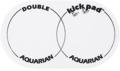
We’ve mentioned bass drum patches/pads as an extra layer of protective material for your batter drumhead to improve longevity and potentially enhance the drum’s overall attack. These accessories come in single- and double-pedal variations, and the Aquarian Bass Drum Kick Pad provides a stellar example of both.
Kick Drum Risers
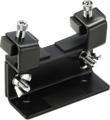
Drummers who use bass drums with a relatively small diameter (say, 20 inches or less) may benefit from a kick drum riser. This accessory makes it easier for your bass drum pedal beater(s) to strike the optimal spot on your bass drum’s batter drumhead. The Gibraltar SC-BDPM bass drum platform is a kick drum riser that will get the job done.
Kick Port & Port Hole Ring
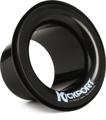
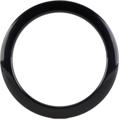
Many Sweetwater drummers view their kick port as indispensable for getting the optimal amount of punch and low-end body from their bass drums. If you’re already satisfied with your kick drum’s sound or if you want to protect your bass drum’s port from potential damage, then a port hole ring makes a worthy addition to your resonant drumhead. Additionally, you can learn how to cut a port in your bass drumhead by checking out the video in our “How to Cut a Hole in Your Kick Drum Head” article.
A Look at Bass Drum Pedals
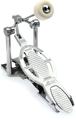
The bass drum wouldn’t also be known as a kick drum without the essential kick, courtesy of the bass drum pedal. As stated earlier, the Ludwig drum company patented its bass drum pedal design in 1909, and modern bass drum pedals follow the same function as that design, though advancements in machining and engineering have drastically redefined the form. Speaking of engineering, let’s look at the major components of the bass drum pedal.
Base Plate
The base plate, also called a footplate, is the part that sits on the ground and supports the rest of the pedal.
Hoop Clamp
Attaching your pedal to your bass drum hoop is done by using the aptly named hoop clamp. Many pedals’ hoop clamps have a rubber inlay to help protect your bass drum hoop. If your pedal doesn’t have one, then you can still preserve your hoop by using an accessory such as the Tackle Instrument Supply Bass Drum Hoop Protector.
Footboard
This is the part of the pedal that you press with your foot to play the bass drum.
Heel Plate
Located at the back of the footboard, the heel plate features a hinge joint and is where your heel will rest if you play with a heel-down style.
Cam
After you press on the footboard, the cam (sometimes called a “sprocket”) is the part that rotates, pulling the beater forward to strike the drumhead.
Drive
The drive, or drive system, is how the energy from your foot pressing on the footboard is transferred to the cam and rotates it. The most common drive style is single or double chain, but strap/belt and direct-drive styles are also available. You can view these in more detail by visiting the Sweetwater inSync “Kick Pedal Drive Types Explained” article.
Beaters
The beater is the part that strikes the bass drumhead. Beaters come in all manner of sizes, shapes, and materials that cater to an enormous range of playing feels and desired sounds. To learn more about them, please read the Sweetwater inSync article “Different Types of Bass Drum Beaters.”
Spring Assembly
After the beater strikes the drumhead, the spring assembly is what brings the pedal back to rest at its default position. The spring assembly can be tightened or loosened depending on your preferred playing feel.
Auxiliary Pedal
Unique to double pedals, the auxiliary pedal is the pedal that is placed nearest to the hi-hat and played with your weaker (nondominant) foot.
Connecting Rod
Also unique to double pedals, the connecting rod gets its name by joining the primary pedal to the auxiliary pedal.
These major components can be tweaked to an incredible degree, and learning how to precisely dial in your bass drum pedal to your preference can take years of experimentation. Fortunately, Sweetwater can help you speed up this process significantly — be sure to check out the SweetCare article “Dialing in Your Bass Drum Pedal.” Additionally, if you want to explore the pros and cons of using a double pedal versus two bass drums, then the “Double Kick Drum vs. Double Kick Pedal: Which Is Right for You?” article is a must-read.
How Do You Play the Bass Drum?
Depressing the footboard to make the beater hit the drumhead may seem like a simple no-brainer at first glance, but there are various techniques and styles that drummers can employ, depending on the power, speed, and sound that they want.
Heel-down Style
In this style, your entire foot rests on the footboard, with your heel on top of the heel plate at the end of the footboard. Heel-down style uses only ankle motion to produce sound, which is great for controlling dynamics at low volumes. As such, you’ll often see jazz drummers playing this way.
Heel-up Style
Conversely, heel-up style lifts your heel off the heel plate so that only your toes and the ball of your foot are touching the footboard. This style uses ankle motion as well as leg motion to produce a powerful, staccato-type sound. Heel-up style is arguably the most common way of playing the bass drum, thanks to its versatility. You can articulate strong accents when needed and play quieter with a little bit of practice.
Heel-toe Technique
The heel-toe technique is a fantastic way to achieve quick double strokes with one motion. Your heel drops to make the first stroke, quickly followed by your toes to make the second.
Slide Technique
Another technique that some drummers prefer for fast double strokes is called the slide technique. This technique starts with the ball of your foot near the middle of the footboard to play one stroke, then you slide your foot forward to quickly play a second stroke.
Swivel Technique
For drummers who truly have the need for speed, the swivel technique is where it’s at! Played in heel-up style, swivel technique will have you swiveling your foot from side to side. This blast beat-ready technique can feel a little awkward at first until you build up the ankle dexterity to pull it off consistently, but the rewards are well worth it. Many of the fastest double-bass drummers in the world utilize the swivel technique to great effect.
Long Board vs. Short Board
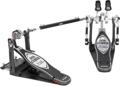
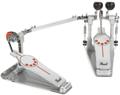
When looking for a kick drum pedal, there are two types: long board and short board. A long-board pedal extends the full length of the foot whereas a short-board pedal is divided in the middle of the pedal. If you use a heel-down technique or alternate between heel-up and heel-down, then you will probably want a short-board pedal, such as the TAMA HP900PWN Iron Cobra 900 Power Glide. If you exclusively play heel-up or want to use heel/toe technique, then you may benefit from a long-board pedal such as the Pearl P932 Longboard.
Sweetwater Is the Place to Get Your Kicks
Whether you’re a novice looking to get your foot in the door or a seasoned pro wanting to put your best foot forward, Sweetwater is the place to get your kicks. With thousands of products covering kick drums, pedals, and other drumming accessories, our deals are the best that the industry has to offer. So, don’t drag your feet! Call your Sweetwater Sales Engineer at (800) 222-4700 and let our gear experts go to work for you!