Here at Sweetwater, producers and mixing engineers often ask us how to plan an upgrade path for their studio systems. Is a better microphone the key? Or is a better set of studio monitor speakers the way to go? Perhaps new DAW software or plug-in processors are the best bet? As Mitch Gallagher explains in the video below, recognizing your studio’s weakest links and upgrading from the bottom up is a smart approach. Let’s look at the core elements of your music-production workflow — once you’ve identified where your studio’s weakest links are, focus there for your next studio upgrade.
Microphones
Start with better audio right at the source
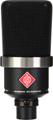
After the sound source itself, your choice of microphone has the biggest impact on the sound quality of your recordings. Once you’ve been recording for a while, it becomes apparent that having a selection of complementary mics is crucial — and veteran recording engineers know that it’s just as important to have at least one amazing centerpiece microphone. If you have a collection of low- or mid-level workhorse mics that are simply “good enough to get the job done,” then investing in a top-level microphone that can be used on instruments as well as vocals is one of the best upgrades you could make.
Pro Tip
Having a truly great microphone not only will improve your sound, but with it you also get bragging rights. Customers and clients, even singers, will be impressed when they walk in and see that really nice mic on your boom stand. It’s a big upgrade that improves not only your sound but also your credibility as a studio. Check out this article, “The Case for Owning a High-End Vocal Microphone.”
- Neumann TLM 102 Large-diaphragm Condenser Microphone – Matte Black
- Warm Audio WA-251 Large-diaphragm Tube Condenser Microphone
- Slate Digital VMS ML-1 Large-diaphragm Modeling Microphone
- Lauten Audio LA-320 Large-diaphragm Tube Condenser Microphone
- Aston Microphones Spirit Large-diaphragm Condenser Microphone
Acoustics
Enhance recording and monitoring simultaneously
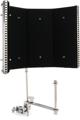
No matter what microphone you use, the sound of your recording space will make a huge impact on the sound of your recordings. If you haven’t addressed basic acoustic treatment in your recording space, then you should focus on that first — it will improve your production sound no matter what mic you use. With even a minimal amount of basic acoustic treatment, you’ll balance the overall sound of your room, you’ll minimize “roomy” resonance, and you’ll have a more accurate representation from your studio monitors when mixing. You’ll spend less time fine-tuning the sound of your recordings, you’ll be able to make critical mixing decisions with more confidence, and you’ll find it easier to make mixes that translate well to any playback system. One of the biggest differences between a hobbyist studio and a pro studio is acoustic treatment — if you haven’t added any acoustic treatment to your space, this is the place to start.
Pro Tip
If you’re not sure where to start with acoustic treatment, focus on three main goals: reducing excessive bass and room modes with bass trapping, controlling direct reflections and eliminating flutter echoes with broadband absorption, and balancing high-end clarity with diffusion. Start with bass traps, then add broadband absorbers, then add diffusion to add some life back to your room’s sound — learn more in our Acoustic Treatment Buying Guide.
Explore All Acoustic Treatment
Monitors and Headphones
How accurately are you hearing your mixes?
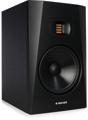
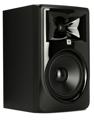
From recording your first scratch tracks all the way through the final mastering stage, your choice of monitors and headphones will dictate every sonic decision you make. Professional studio monitor speakers represent the audio spectrum in a neutral, un-hyped fashion and will empower you to make mixes that translate well to practically any type of playback system. If you have trouble getting your mixes to translate outside of your studio, or you simply hear deficiencies in sound quality when listening to your favorite mixes, then upgrading your studio monitors would be a smart move.
Pro Tip
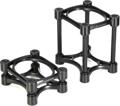
Studio monitor placement plays a critical role in the sound of your studio. By orienting your monitor speakers as two corners of an equilateral triangle to maximize stereo imaging, keeping them away from walls to avoid bass buildup, and placing them on stands or isolators to minimize vibrational transfer, you’ll maximize their sonic potential. Learn more in Lynn Fuston’s article “Studio Monitor Placement – 5 Tips for Optimal Sound.”
Explore All Studio Monitors and Headphones
Software
Enhance your production and processing prowess
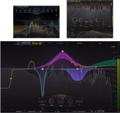
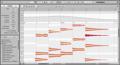
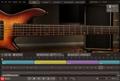
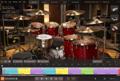
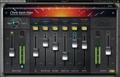
Whether you use Ableton Live, PreSonus Studio One, Avid Pro Tools, Apple Logic Pro X, or anything else, modern DAW software packs a range of processing tools to shape your mix — but you may be missing out on powerful tools that can take your productions to the next level. Unique tools like Toontrack’s EZ series of virtual instruments and processors can give you professional-sounding performances without having to hire a session player. Third-party plug-in processors that emulate classic studio processors can imbue your tracks with analog-like character that your DAW’s built-in plug-ins don’t offer. Pitch-correction tools can not only give you the power to fix the occasional off note, but they can also be great tools for arranging vocal harmonies. If you’re capturing good recordings and your monitoring system is balanced and accurate, then some new software tools could be the best next upgrade for your studio.
Pro Tip
As with anything software related, you always need to keep system compatibility in mind when adding new plug-in instruments and processors to your studio — you don’t want to make your studio system unstable just because you added a new software tool. Whenever you’re considering adding new software, or upgrading existing software, check out Sweetwater’s SweetCare knowledge base for the latest info and compatibility guides on new software.
Explore All Software And Plug-Ins
Upgrade from the Bottom Up
Hopefully you’ve already identified the weakest link in your signal chain, whether it’s a lack of acoustic treatment, lackluster microphones, inaccurate monitoring, or an insufficient selection of software tools. Focus on upgrading your weakest link first, then move on to the next weakest link. While we’ve listed some of the most popular options in each of these areas, the best option for you depends on your workflow preferences, the unique attributes of your studio space, the style of music or audio work that you focus on, and much more. Give your Sales Engineer a call at (800) 222-4700, and they’ll be happy to make personalized recommendations to help you achieve sonic bliss in your studio.