

Think that in-ear monitors are only for live sound engineers? Think again! I’m a big fan of using in-ears when I’m engineering in the studio. Here are six reasons why you should consider using in-ear monitors yourself.
Sound
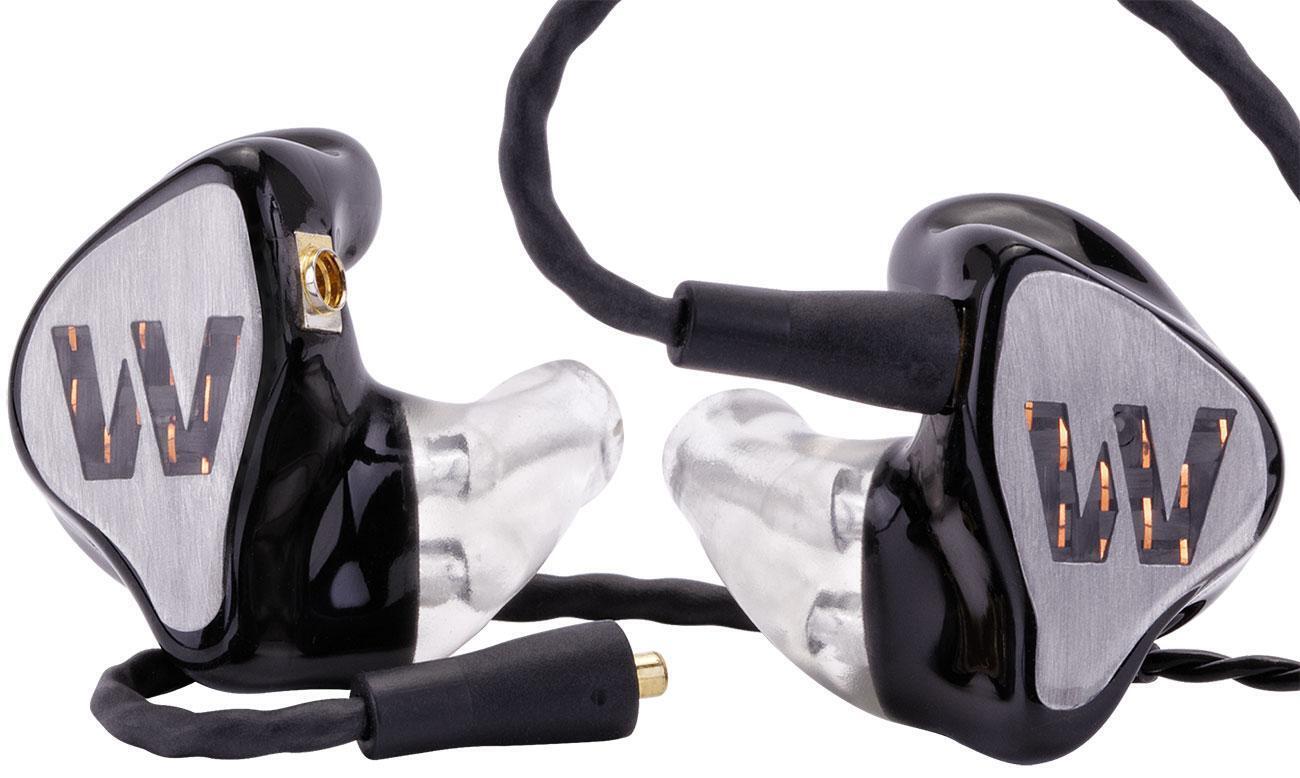
Modern in-ear monitors are marvels of technology, with multiple drivers in each earpiece — sometimes as many as eight! These in-ears split the audible spectrum into different bands that feed specialized drivers, just like a multi-speaker studio monitor, resulting in very accurate sound. The biggest advantage is that, unlike portable loudspeakers, your in-ears sound the same no matter where you need to mix.
Convenience and Consistency
If you’re an engineer who travels, then you’ve probably hauled speakers with you, so you can have a consistent, familiar sonic reference. Any location engineer knows how critical it is to have speakers or headphones they know. Imagine having a sonic reference that will fit in your purse or pants pocket — a reference that you can carry everywhere. It’s revolutionary, believe me. Being able to pull a studio-quality listening reference out of your pocket at any time is really amazing.
Technology
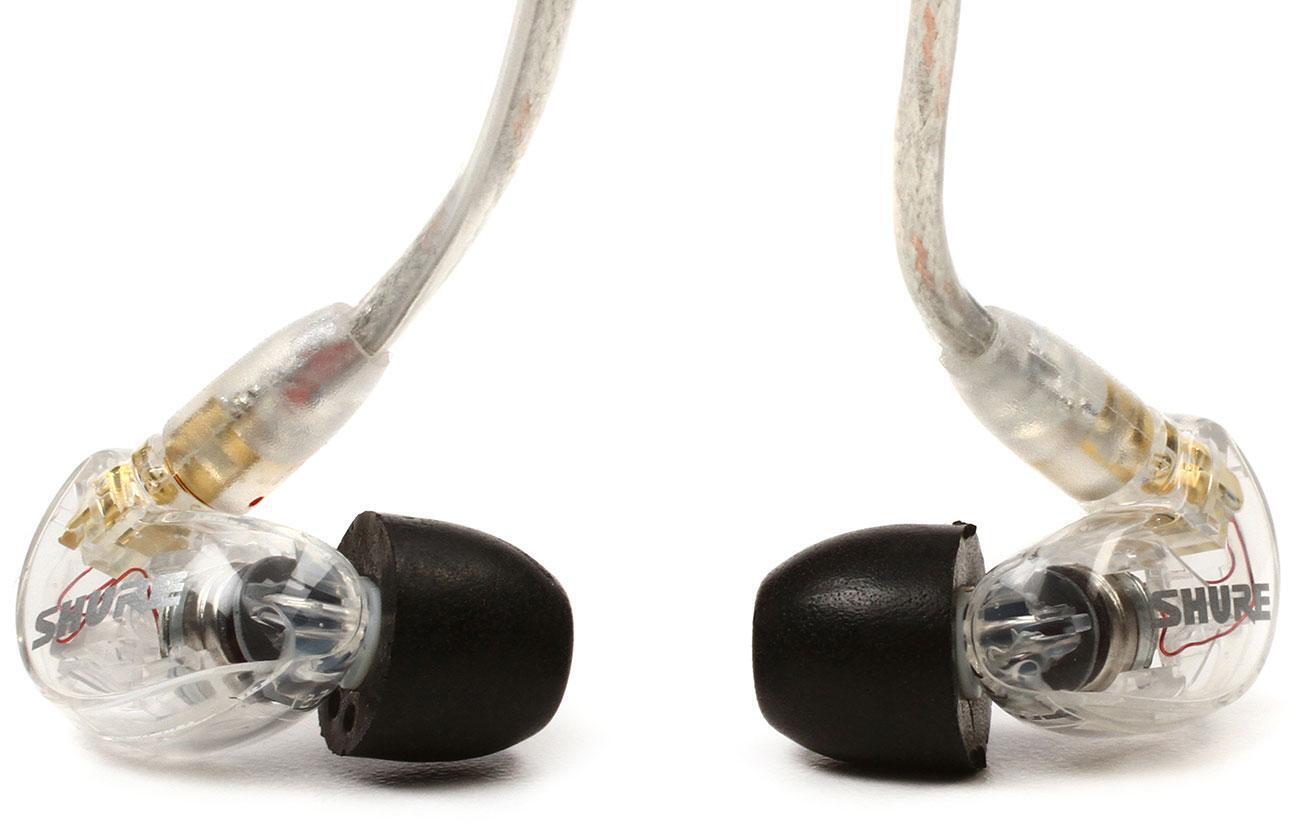
Today’s best in-ears use balanced-armature drivers that are more compact and efficient than the moving-coil drivers used in most loudspeakers. This technology allows for greater sonic accuracy in an incredibly compact space — within the outer profile of your ear. Plus the custom-molded housings on modern in-ears are incredibly robust and will hold up to life on the road. The best in-ears offer durable, removable cables meaning that a cable failure can be remedied in short order.
Comfort
If you’ve tried lots of in-ears like I have, then you realize that they are not all created equal. Some fit better than others, and some barely fit at all. If you utilize in-ears more than an hour a day, then having custom-molded in-ears is the way to go. Not only do they fit your ear perfectly, you can also wear them for hours. They’re so comfortable that you’ll likely forget you have them in because they are created from a mold of your ear canal.

Isolation
Isolation is a big deal when you’re mixing and monitoring. The days of getting to make all of your critical sonic judgments in a purpose-built control room are fading fast. Now engineers are tasked with doing mixing and editing in more diverse, noisier, far-from-ideal places, such as coffee shops, airplanes, and live venues. With the custom fit of molded in-ears, you can effectively “turn down” outside noises by 10–30dB. For situations where you are tasked with recording from inside the venue, in-ears with better isolation are drastically better than headphones. And they excel when you are trying to position mics on loud drums or guitar amps and need to be able to hear just what the mic is hearing while minimizing the direct sound.
Readiness
In my job, people are always asking me to listen to something — mics, preamps, converters, mixes. Usually they hand me whatever headphones they’re using, whether I’m familiar with them or not. The next question is “What do you think?” Being asked to judge the quality of a piece of hardware or software, or even the merits or balances of a mix on an unfamiliar monitoring system is challenging at best and disastrous at worst. Having a trusted monitoring system that will fit in your shirt pocket is really ideal. It’s like carrying around your favorite studio monitors with you all the time.
When you’re ready to step up to a great-sounding, reliable set of custom-molded in-ears, check out Sweetwater’s Westone Customizer. It enables you to create a personal look and sound that is tailored precisely to your needs. Or for other in-ear options, contact your Sweetwater Sales Engineers at (800) 222-4700.
