

With so many drumstick options out there in the world (Sweetwater currently sells 74 different types of drumsticks and that does not include Rute-style sticks, brushes, or mallets!), how do you know what type of stick to try? Do the woods used make a difference in the sound of the drum or cymbals? Do you need different size sticks for different musical applications? This article will answer these questions and more.
A Brief History
There is speculation of drums being hit by sticks from the earliest time of man, but there is real evidence from 7th-century Asia of a single-headed drum being hit by a stick. Double-headed drums being used with sticks started to make their way in the Middle Ages; moreover, in the 18th and 19th centuries, military drummers marching along in battle played a vital role. From things like providing structure for the company to march to, and signaling vital orders, drums and the tools used to hits those drums have been around for a very long time. They have grown into precision implements that come in myriad different sizes, shapes, and materials. The drumstick as we know it today has been around for less then 100 years; the nylon tip was invented in 1958. From that point to the present day drumsticks have evolved into hundreds of different styles and configurations making it possible for drummers to find their exact fit.
How Drumsticks Are Made
Most drumsticks are made out of wood; maple, hickory, and oak are the most popular wood types. These days there are synthetic materials like plastic and graphite used for sticks that help them last longer then wood sticks; they have a very different feel and sound.
Different stick manufacturers have different methods for how they make a stick, but for the company Vic Firth, the wood is brought into the factory in long square dowels and dried to obtain the proper moisture content.
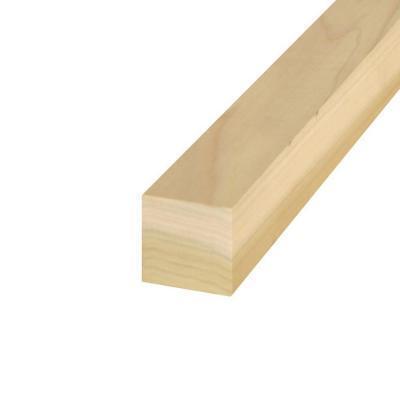
After that the square pieces are put into a machine and turned into round dowels.
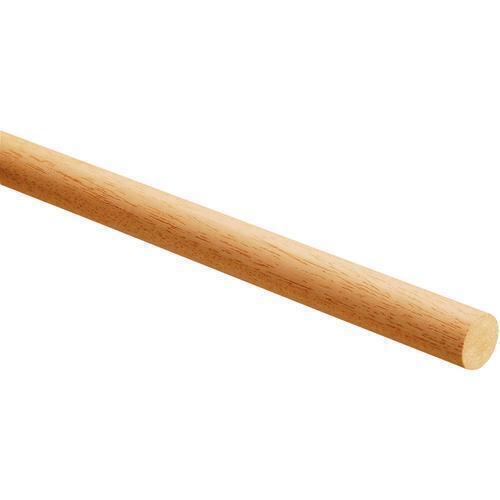
The next step is to put the round dowels into a grinding machine that brings the sticks down to its specified diameter and cuts in the butt and tip shapes. If the stick being made requires a nylon tip it is applied at this time, then the final steps are printing the label and packaging.
Every step of the manufacturing process is meticulously checked and inspected by machines and humans in order to ensure the sticks match in weight, tone, and color, and that they are perfectly round.
What the Numbers and Letters Mean
Mr. William F. Ludwig was instrumental in creating the letter and number system used for identifying drumsticks. The letter on the stick refers to its intended application and the number refers to the circumference of the stick. The three letters chosen were A, B, and S. A stood of ORCHESTRA; apparently Mr Ludwig did not like the way the letter “O” looked when printed on a stick and chose “A” instead. These were the lightest of the sticks and intended for big band-type playing. The letter B stood for BAND and were intended for brass band and big symphonic band playing. They were heavier then A sticks but still able to get softer sounds when needed. The final letter was S and that stood for STREET. These were the heaviest and largest of the drumsticks and meant for drum corps and marching band.
The main numbers used to identify weight were 7, 5, and 2. Strangely enough, the higher the number on the stick, the lighter the stick.
Today those same numbers and letters are still used and still refer to the same things, only now there are also other names and numbers that the different companies have come up with to set them apart from the competition. With that said, every drumstick company makes sticks based on the original number and letter system.
Which Drumsticks?
The best way to find the right drumstick for you is to try different variations and see which feels most comfortable. But these are some basic guidelines will help you make your choice:
If you are a beginning drummer, then a 5A is the perfect place to start. It is the middle-of-the-road stick that works for just about any style of music from hard rock to jazz. A good choice could be the Promark SD330W Signature Series Drumsticks–Todd Sucherman, the Vic Firth 5A, or the Zildjian 5A. If that feels a little too heavy, then you can try a 7A, but 7A sticks are thin and meant more for jazz and lighter styles of music. They may not last very long in a rock setting and you may not get the power you are looking for with that weight stick. If the 5A is a little too light, then a 5B may be the right option. It is a little heavier then the 5A and will also last longer. Unless you are in a marching band or a drum corp you will not need sticks in the S range for drumset playing. They are too big and heavy for set playing.

If you like a bright attack on the cymbals, then try out a nylon-tipped drumstick. The hard plastic tip really brings out cymbal articulation. And, if you like clear drumheads on your kit, then you will get even more attack out of them with a nylon-tip stick. Check out the Zildjian Hickory Dip Series Drumsticks, Vic Firth 2BN nylon tip, Pro-Mark PW5BN nylon tip oak 5B.

Here are some “Signature” sticks that are worth checking out because they are usually just slightly varied from the original number and letter system:
- Pro-Mark PW747W wood tip oak 747 Neil Peart signature
- Pro-Mark Bob Gatzen Balance Groove hickory drumstick
- Vic Firth SSG Steve Gadd Signature Series drumsticks
- Vic Firth SJM Jojo Mayer Signature Series drumsticks
- Vic Firth SPE2 Peter Erskine Signature Series drumsticks

The woods used in drumsticks don’t have much to do with sound, but rather have more to do with feel and durability. Hickory is the most popular and feels good in the hands when doing things like rim shots on the snare drum. Maple is a softer wood then hickory and is even easier on the hands, but may not last as long. Oak sticks will last the longest but their rigidity will also transfer more impact and vibration to your hands and arms then hickory or maple.
In Closing
Once you go through the process of finding the right stick for you, I can almost guarantee that you will never change. I played a 5B for my whole career up until about 10 years ago when I found a stick with dimensions in between 5A and 5B. I’ve been very happy and there has been no need to change anything. We, as drummers, have so much to think about and keep up with as far as our playing in concerned. Once you find your perfect stick you can forget about that and take on the life-long challenge of actually playing the drums.









