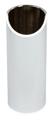
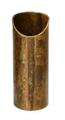
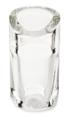
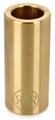
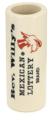
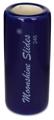
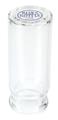
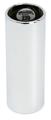
Most guitar players have a favorite slide, usually based on the way it feels. But have you ever compared guitar slides based on the way they sound? Well, neither had we. So, that means one thing: a guitar slide shootout! We took nine different slides into the studio and auditioned them on three different guitars — two electrics and one acoustic. How different do they really sound? Take a listen — you might be surprised. Here are the slides we chose to audition and what they’re made of.
| Material | Slide | Measured Weight (in grams) | Ring Size (from mfr. specs) |
|---|---|---|---|
| Nickel Plated | The Rock Slide Nickel Plated Slide – Medium | 57g | Size 10 |
| Chromed Steel | Dunlop 220 Chromed Steel Slide – Medium | 51g | Size 9 |
| Porcelain | Dunlop RWS12 Rev Willy’s Porcelain Slide – Large | 49g | Size 11 |
| Brass | D’Addario Rich Robinson Brass Slide – Large | 105g | Size 13 |
| Regular Glass | Dunlop 202 Pyrex Glass Slide – Medium | 15g | Size 8 |
| Heavy Glass | Dunlop 275 Blues Bottle Slide – Medium | 42g | Size 9 |
| Ceramic | Dunlop 246 Moonshine Slide – Medium | 75g | Size 9 |
| Small Aged Brass | The Rock Slide Aged Brass Slide – Small | 56g | Size 7 |
| Small Glass | The Rock Slide Moulded Glass Slide – Small | 32g | Size 7 |
What to Listen For
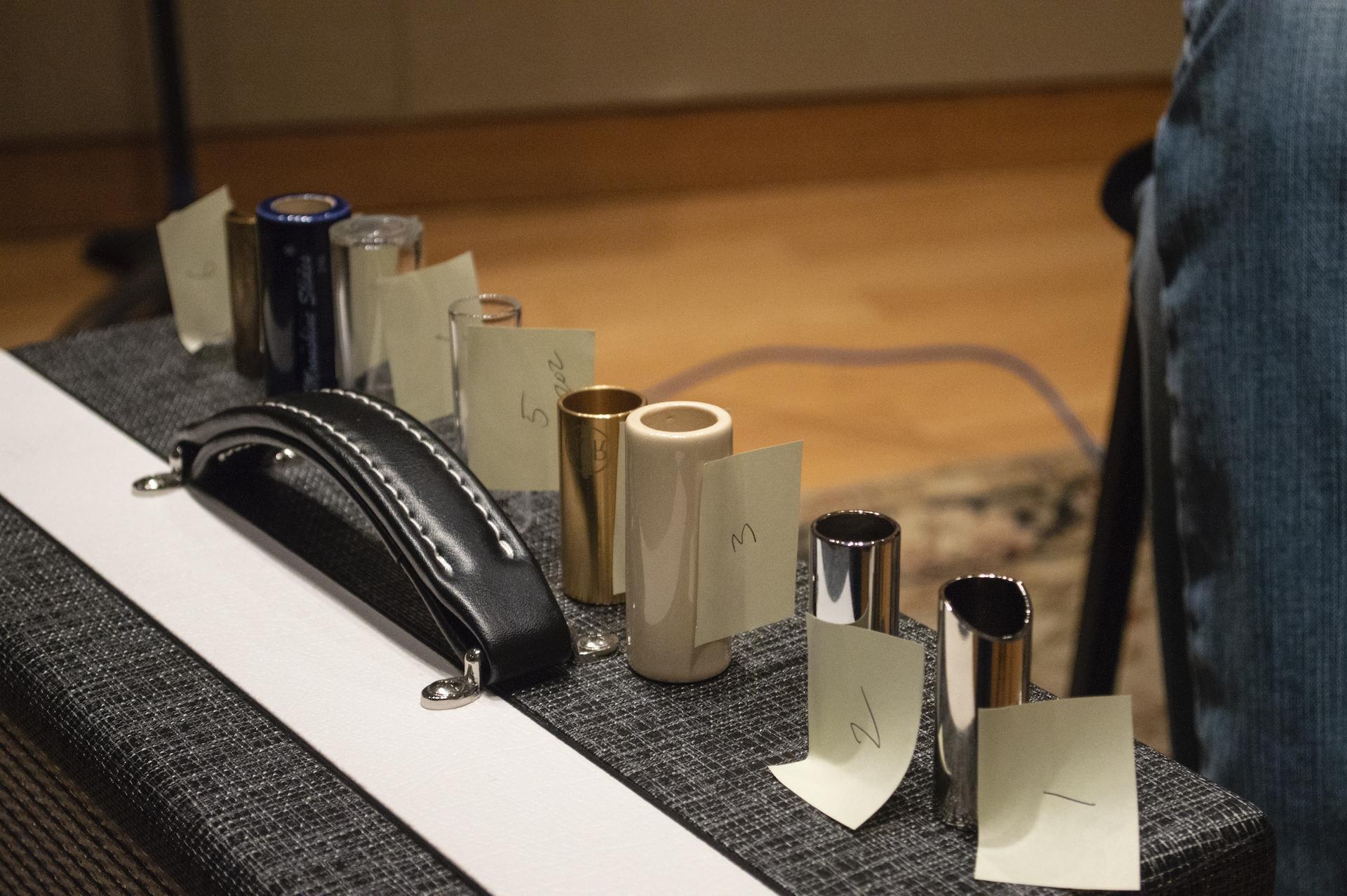
Don Carr played all the slides for this shootout and offers his thoughts on what differences to listen for:
The various exterior materials and different weights of the slides go a long way toward creating their unique sounds. The most obvious differences are in the high frequencies. Listen to the snap on the note attack, the particular color of sustained notes, and the scratch when the slide moves. The mids and lows are affected pretty dramatically, too. Some slides will sound fuller, almost louder, because they’re creating more harmonic content. By contrast, some sound cleaner and more defined. Note sustain, particularly of high-register single notes, is something to pay close attention to. Is the attack choked? Does the note die prematurely? Some of this is attributed to matching the weight of the slide to the string gauge and the guitar’s action. If a slide is too heavy for the guitar’s setup, the attack can be pinched. If the slide is too light, the notes won’t sustain as long or as evenly.
Take a Listen
We’ll get into the details of how we recorded these later. Listen to these sound clips first.
The Rock Slide Nickel Plated Slide
Acoustic
Electric – Stratocaster
Electric – Les Paul


Dunlop 220 Chromed Steel Slide
Acoustic
Electric – Stratocaster
Electric – Les Paul
Dunlop RWS12 Rev Willy’s Porcelain Slide
Acoustic
Electric – Stratocaster
Electric – Les Paul


D’Addario Rich Robinson Brass Slide
Acoustic
Electric – Stratocaster
Electric – Les Paul
Dunlop 202 Pyrex Glass Slide
Acoustic
Electric – Stratocaster
Electric – Les Paul


Dunlop 275 Blues Bottle Slide
Acoustic
Electric – Stratocaster
Electric – Les Paul
Dunlop 246 Moonshine Slide
Acoustic
Electric – Stratocaster
Electric – Les Paul


The Rock Slide Aged Brass Slide
Acoustic
Electric – Stratocaster
Electric – Les Paul
The Rock Slide Moulded Glass Slide
Acoustic
Electric – Stratocaster
Electric – Les Paul

What Gear Did We Use?
For this listening session, we went into Sweetwater Studio B and recorded the samples using the guitars and gear listed below. No EQ was applied, and levels were set and kept the same; so, any differences you hear are because of the slides themselves. The results are very enlightening, and the differences are not subtle (at least to us), either in listening or playing.
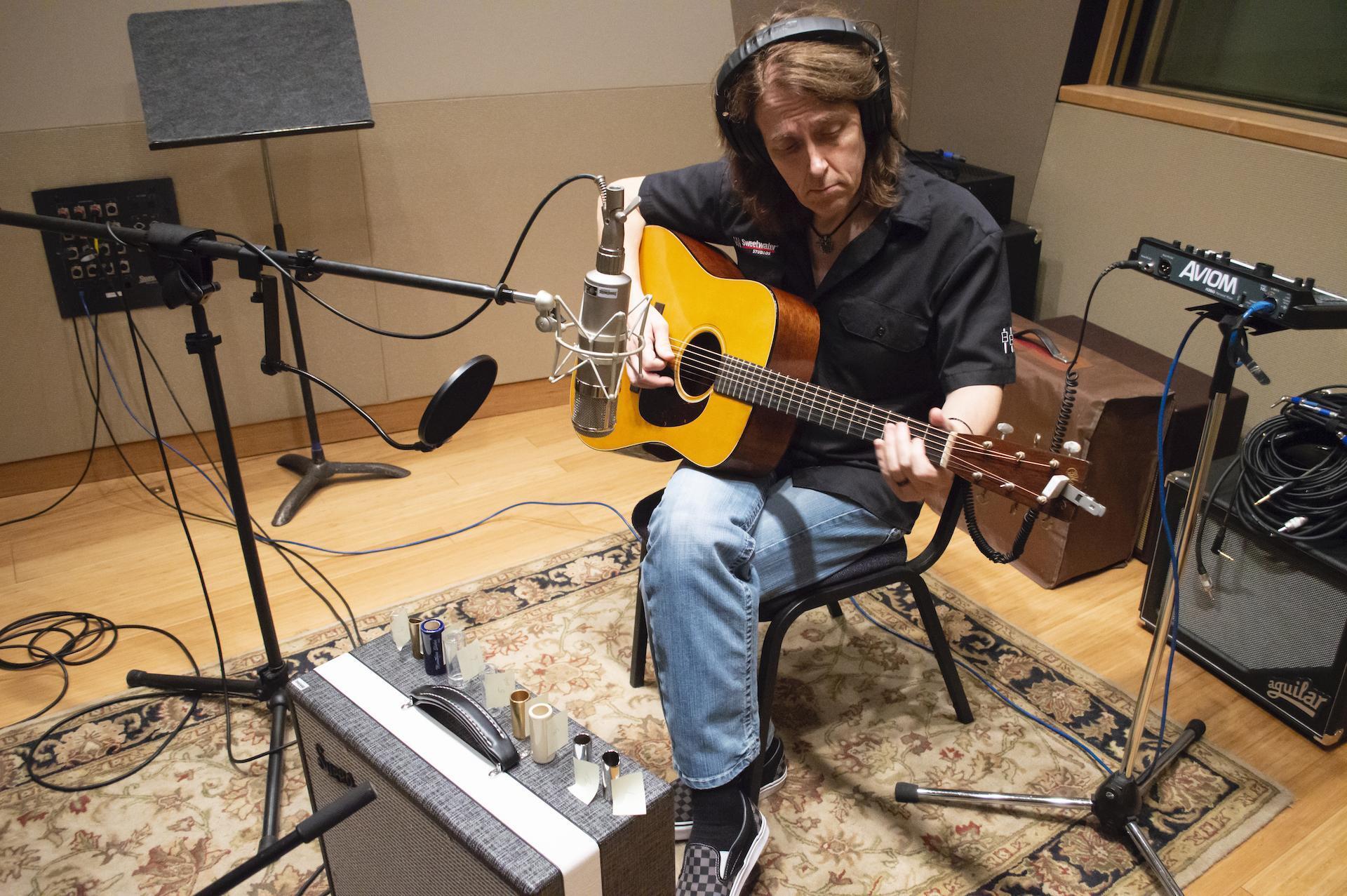
Acoustic Guitar — Martin D-18
- Guitar: Martin D-18 Authentic 1939 Aged Acoustic
- Strings and gauge: Martin Authentic Acoustic .012–.054
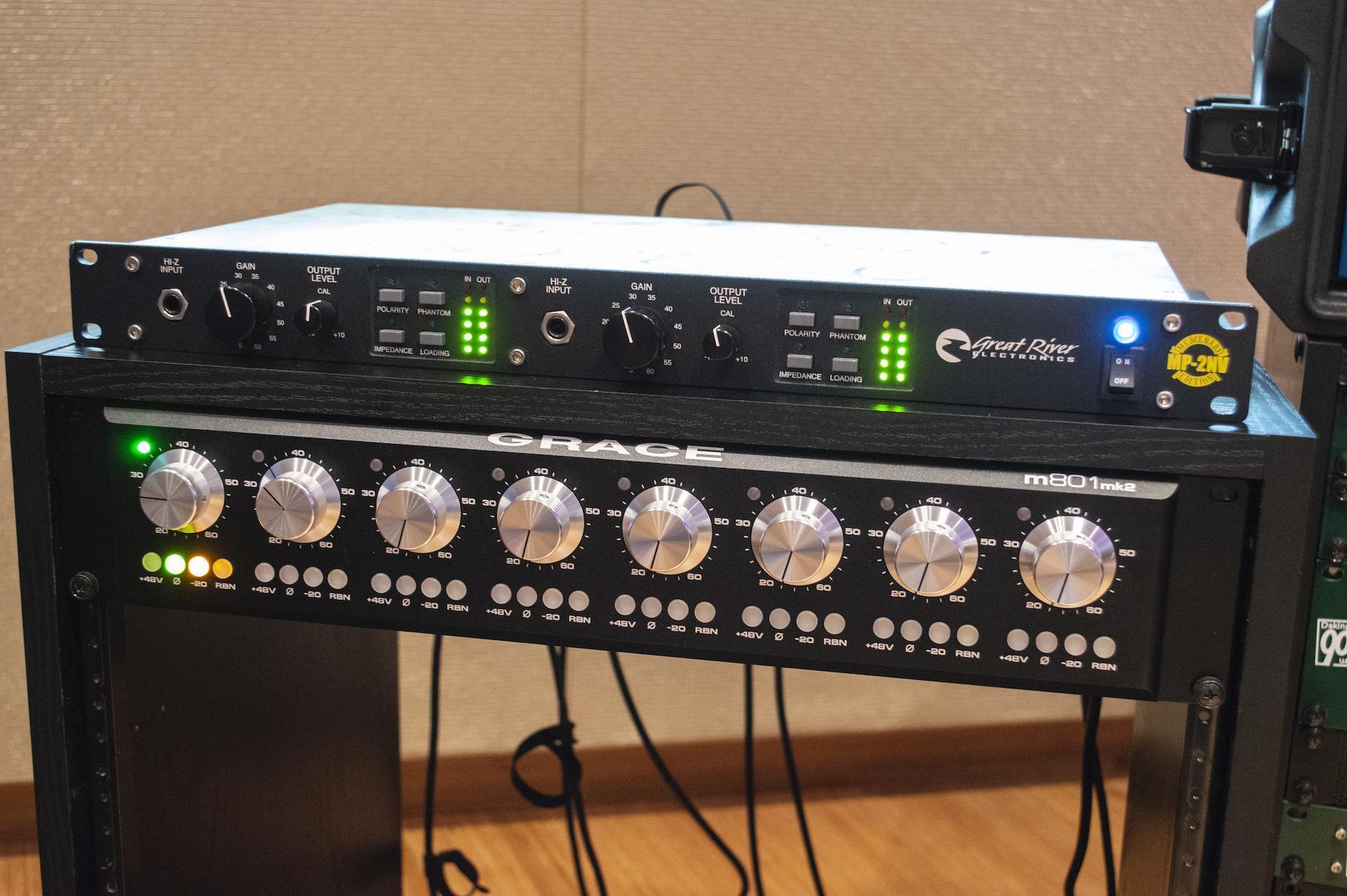
- Microphone and preamp: Telefunken U47 and Grace Design m801mk2
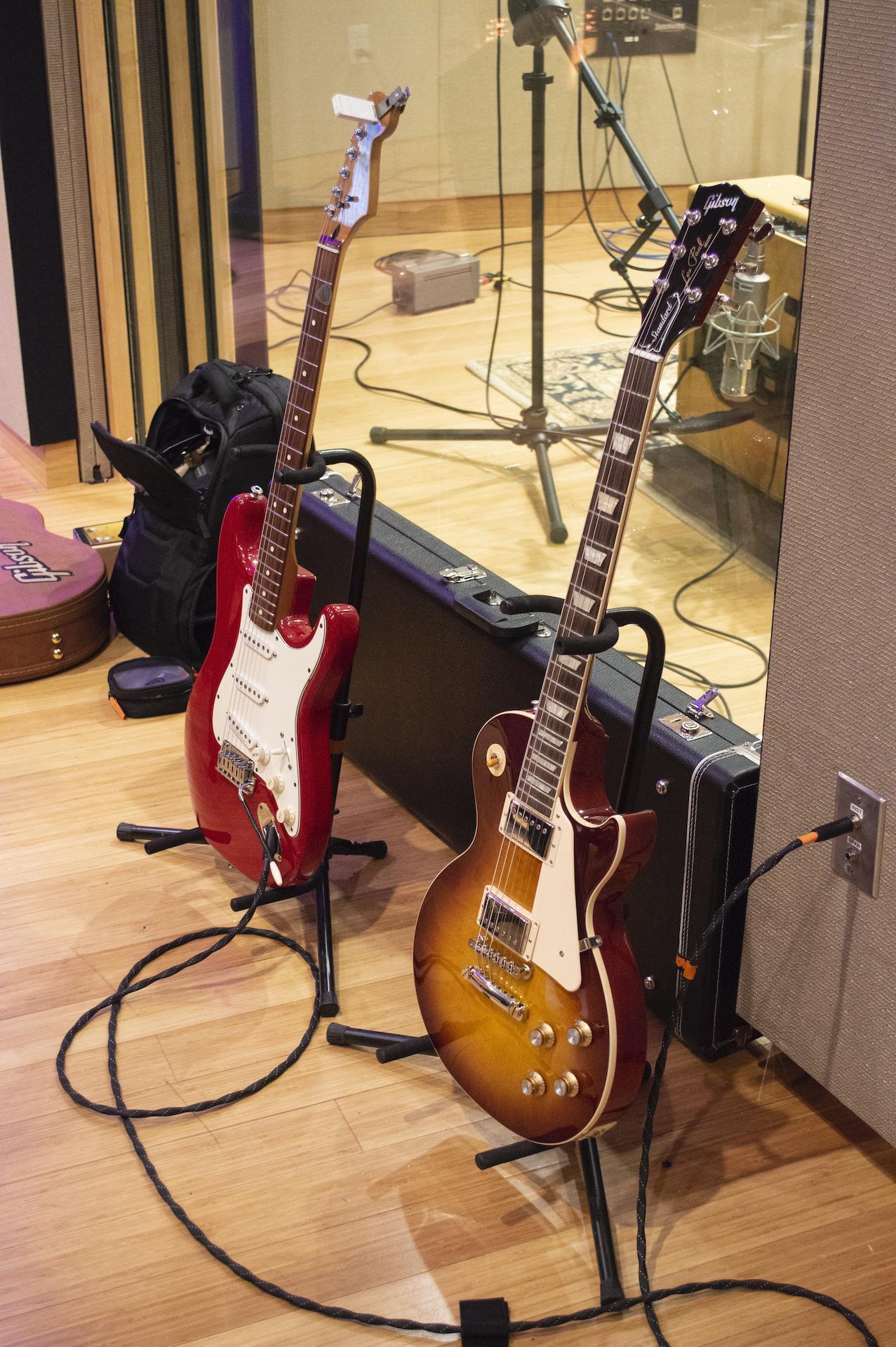
Electric Guitar — Fender Stratocaster
Guitar: Don’s 1987 Fender American Standard Stratocaster
- Strings and gauge: GHS GBXL Boomers .009–.042
- Pedal: Jackson Audio Golden Boy overdrive pedal
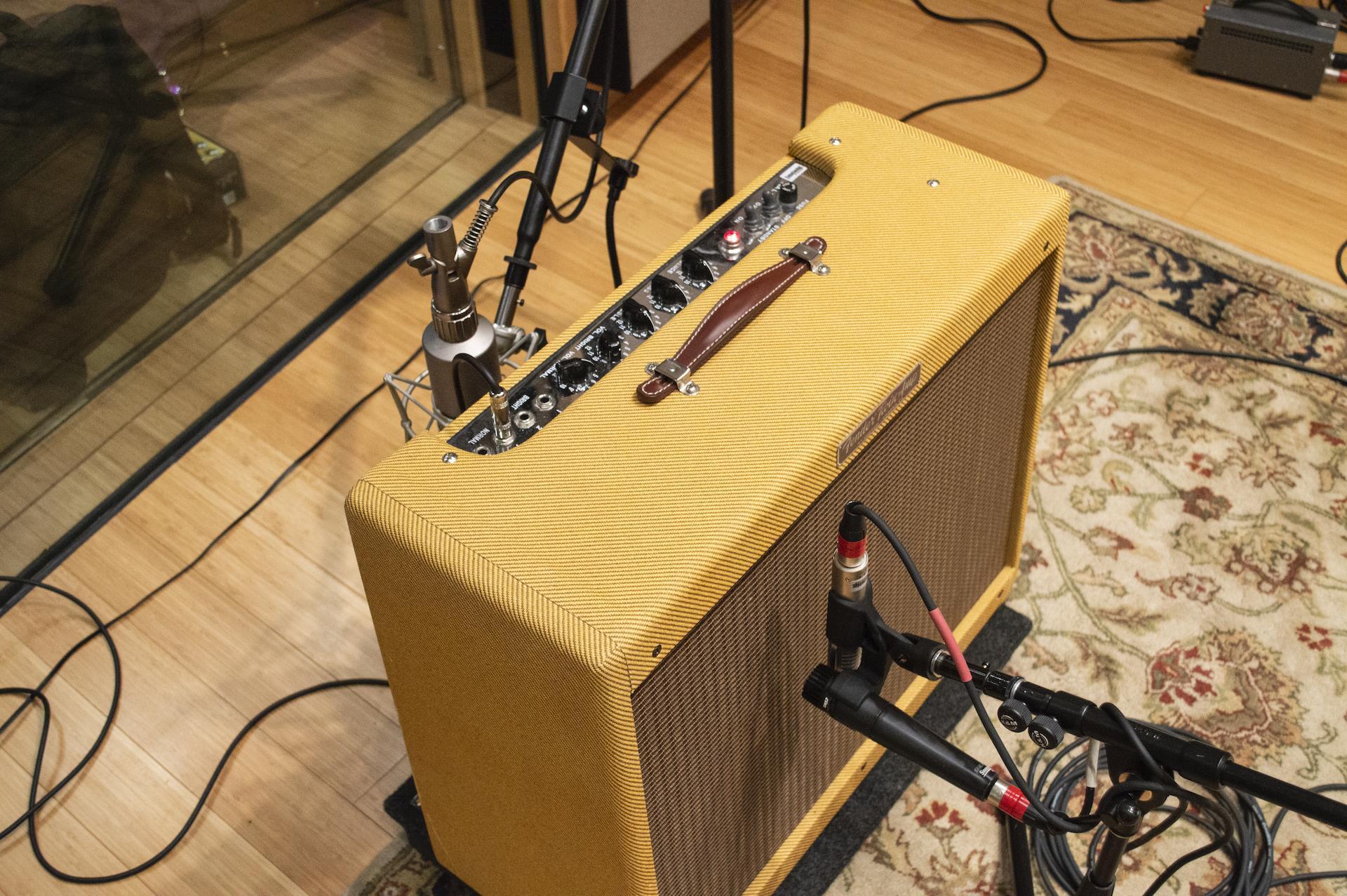
- Amp: Fender ’57 Custom Twin-Amp 2×12-inch — Tweed
- Microphones and preamps: SM57 and R-121 on Royer AxeMount SM-21 Dual Microphone Mount through a Great River MP-2NV preamp with a polarity-reversed Telefunken U47 behind the amp through the Grace Design m801mk2 preamp.
Electric Guitar — Gibson Les Paul
- Guitar: Gibson Les Paul Standard ’60s
- Strings and gauge: D’Addario EXL145 .012–.054
- Pedal: Jackson Audio Golden Boy overdrive pedal
- Amp: Fender ’57 Custom Twin-Amp 2×12-inch — Tweed
- Microphones and preamps: SM57 and R-121 on Royer AxeMount SM-21 Dual Microphone Mount through a Great River MP-2NV preamp with a polarity-reversed Telefunken U47 behind the amp through the Grace Design m801mk2 preamp.
How to Choose the Right Guitar Slide
If you’re new to guitar slides and not sure how to choose the right slide or even the right size slide, you should check out our article “How to Choose the Right Guitar Slide for You.”

How to Choose the Right Guitar Slide for You
How do you pick the right guitar slide for your style of playing? What material? What size? We’ll walk you through all the factors you should consider.
In Conclusion
Which slide sound did you prefer? Or maybe you’ve been playing the same slide for years and are interested in trying out others. Sweetwater carries dozens of slides in a range of materials and sizes. Give your Sweetwater Sales Engineer a call at (800) 222-4700 and find the slide that’s right for you. And if you’re not sure what size you need, check out our printable slide-sizing accessory available in this article.