
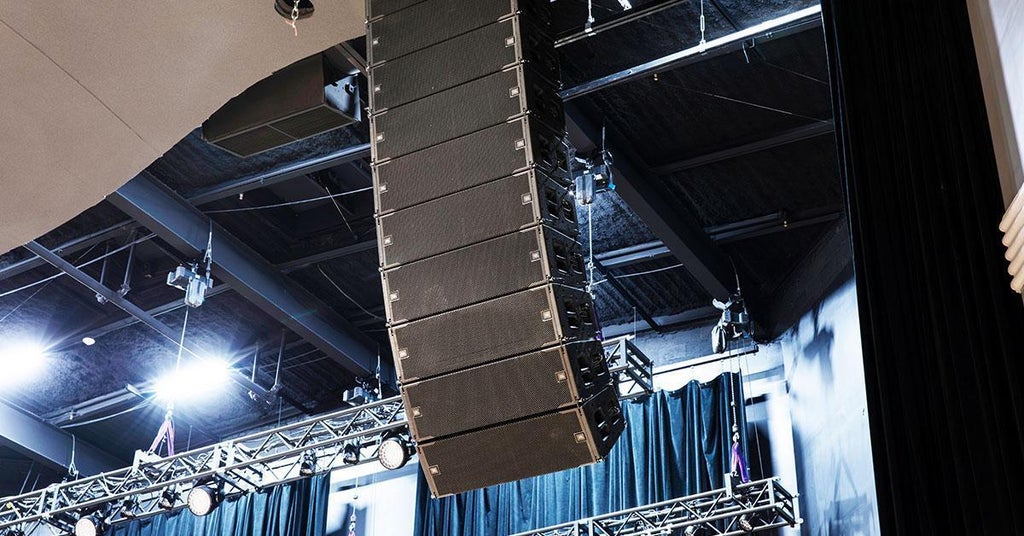
Whether you’re putting together your first PA system or building on the one you’ve already started, there are several things to consider that will help make sure you cover all the bases. Most of these issues are the same whether you’re setting up a mobile rig or running sound at the local nightspot.
But before we dive into the gear, let’s go over the basic considerations that will help you make smart choices when you buy your equipment.
Here’s a list of top advice you should think about:
- Sketch It Out
- Build from the Outside In
- Stay Organized
- Protect Your Gear
- Work Ahead of Problems
Sketch It Out
When you first start putting together your PA system, you’ll probably read a lot of articles on sound rigs that cover all kinds of gear. It’s easy to become convinced that you have to have all kinds of gear that you really don’t need. Before you start buying gear, take the time to figure out your needs. This exercise will help you determine exactly what’s required to build the system you need.
Start by making a simple signal-flow diagram. Here are the things you’ll want to mark:
Inputs
- Microphones
- Direct instruments
- Media players
Pre-mixer gear
- Patchbay
- Preamps
- Outboard effects/processors
Mixer
- Channels
- Mic inputs
- Line inputs
- Stereo inputs
- Wireless/Bluetooth input
Outboard gear
- Inserts
- Send/receive processors
- Full-range processors
Outputs
- Main mix
- Aux sends
The idea is that if you can’t do it on paper, then you certainly won’t figure it out when you’re hooking up your gear. Trace each mic back to the board and each output to its appropriate speaker or monitoring system. Need outboard EQ on the mains, in-line compression for bass, or effects for vocals? Figure out where these processors live in your signal flow diagram too. And if there are holes in your system, take note of them — you’ll want to circle back around to these next time you improve your system.
Once you’ve laid out your entire system in whatever way or ways you plan to use it, you should be able to figure out all your cabling needs too, which will make setting up your rig easy. This will save you a ton of time. And best of all, when you put together your rig like this, you know exactly what you actually need.
Build from the Outside In
Now that you know what you need, it’s time to start looking at the gear. Here’s a bit of common wisdom in the field of audio system design: the biggest impacts come from the far ends of the signal path. That means working in from your mics and preamps on one end and your speakers and amps on the other end. This isn’t to say anything against investing in a quality mixing console or PA management system. All it means is that the biggest impact you’ll have on your overall sound will happen when you invest in quality mics and speakers.
Microphones
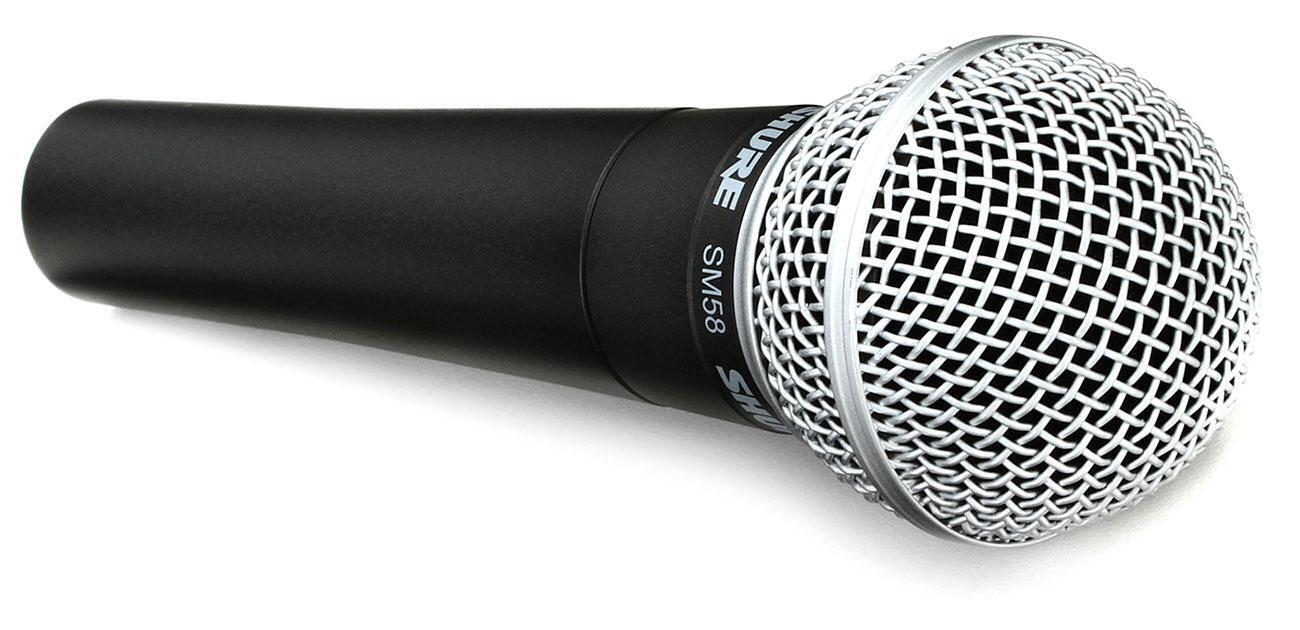
As the first and arguably most important link in the chain, your microphones have the most noticeable impact on your sound. Microphones are the closest connection to the source you have, and which ones you choose can mean the difference between lackluster vocals that drown in the mix and clear and present vocals that are easy to hear. There’s a lot that goes into choosing the right microphone:
- Dynamic vs. condenser
- Polar pattern (noise rejection)
- Application (what are you miking?)
If you’d like to read all about choosing the right live sound microphones, check out our Live Sound Microphone Buying Guide. You might also want to take a look at our Wireless Microphone Buying Guide.
Speakers
On the other side of the system are your PA speakers. Speakers translate all your mixed signal into sound. Bad speakers will suck the life out of performances so completely that it doesn’t matter how well the band plays. Great speakers offer the kind of clarity you don’t expect in a live sound environment, which can spell the difference between a bad night out and a great show. Here are the main things you’ll need to consider:
- Powered vs. passive speakers
- All-in-one PAs
- Adding a subwoofer
You’ll find the answers to these questions and many more in the Sweetwater PA Speaker Buying Guide. Don’t forget about stage wedges and other monitors. We also have a buying guide devoted to stage monitoring and one on in-ear monitoring.
Mixers
Mixing consoles come in a variety of sizes, capacities, and capabilities. Whether you want something simple that routs signal where it needs to go or you want something so elaborate it practically runs itself, there’s a mixer out there for you. Here are some of the main considerations:
- Digital or analog?
- Number of inputs/channels?
- Number of aux sends and other outputs
- Digital snake or personal monitor expansions
- DAW and/or wireless control integration
You can delve further into this subject by checking out our Mixer Buying Guide.
Processors

Outboard signal processors for live sound can vary from a traditional graphic EQ compensating for poor acoustics to an all-in-one PA management system such as the dbx DriveRack series. Inserting compressors and EQs lets you smooth vocals and add punch to bass or kick drum and fit each channel comfortably into the mix. Of course, you can’t forget about effects, and then there are the unsung heroes, such as feedback suppressors and de-essers. If you want to know more about outboard signal processors, then check out our Guide to Signal Processing.
Accessories
There’s plenty of additional gear you’ll need to build a complete PA system. For instance, mic stands are essential for any typical PA rig, and speaker stands tend to be helpful too. Then there are the cables you need to sort out, plus rack cases to keep your gear safe and organized. The best thing you can do to make sure you’re considering all the accessories and fine details while building a PA rig is to call your Sweetwater Sales Engineer. In the meantime, check out these other handy buying guides.
Once you have your core PA system established, there are a number of things you should bear in mind. The following tips will help you keep that new PA system running smoothly.
Stay Organized
Starting off with a clear idea of what you need is a critical step in putting together your rig; it’s another matter entirely to remain organized in the long run. Running live sound can get hectic, and it’s easy to let simple organization give way to total chaos. Mobile sound engineers in particular should take note of these three essential rules:
Label Everything
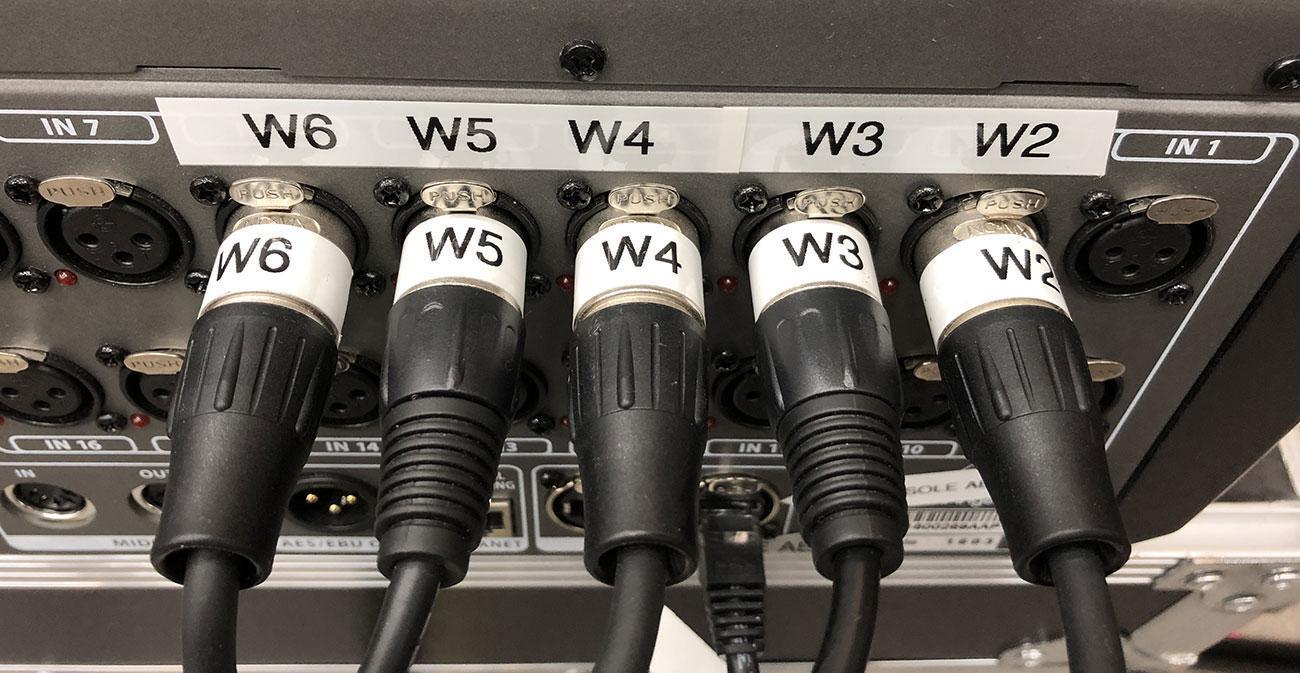
Inputs, outputs, stage snakes, patch points, you name it — if you can stick a label on it, then do it. The clearer your rig’s signal flow, the easier it is to sort out issues as they arise. And if you’re running a mobile rig, then nothing will make setting up faster than clear labels.
Be Consistent
This goes hand in hand with labeling. Some things can’t or shouldn’t be labeled, such as cables, which you’re likely to swap around depending on your needs. Still, it’s awfully convenient to be able to look at a cable and know exactly what it is. One common way to keep cables straight is to use a colored-tape system. A great example of this is to use two colors, one for the type of cable and the other for the length. Then you can tell the difference between a 20′ XLR cable and a 50′ TRS cable at a glance.
Avoid Spaghetti
We’ve all seen it: that dreaded, writhing mass of black tentacles waiting at the back of the patchbay or lurking around the mixer. It’s cable spaghetti, and it’s basically an epic time suck. Cable spaghetti happens over time as you sloppily plug in and unplug many cables in the same space. Eventually they become entwined with one another, forming the amorphous mass of tangled cables that makes finding and liberating individual cables daunting. There are plenty of great cable organizers that can help with this issue. But more important than the gear is simply taking the time to keep your cables clear. However you do it, avoid this mess.
Protect Your Gear
Everyone knows that gear wears out and eventually breaks. Some of that is inevitable, but much of it is perfectly avoidable, as long as you take good care of your equipment. Between preventing accidental damage and actively maintaining your gear, it’s not hard to keep your rig running smoothly.
Cases
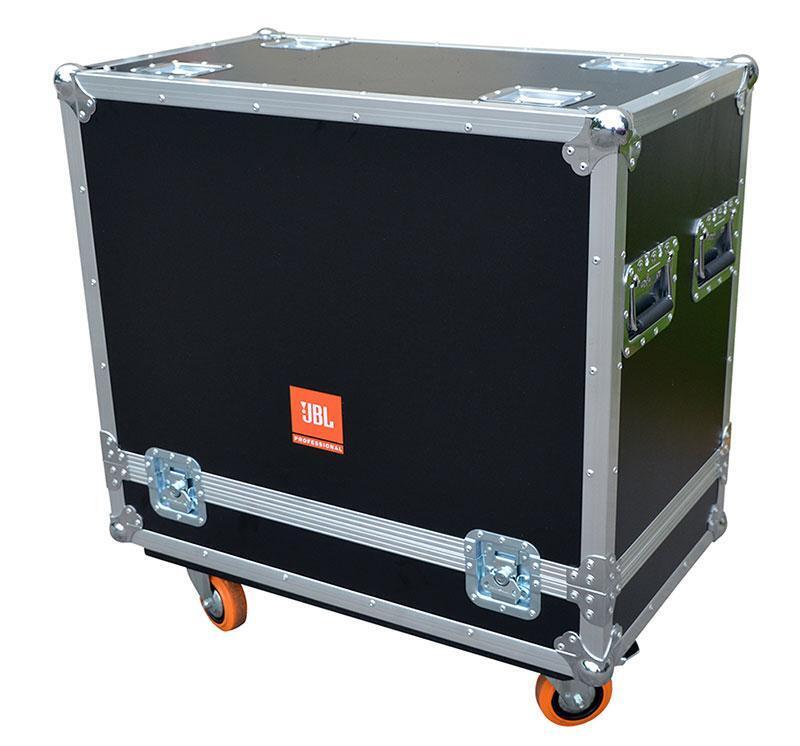
If you’re running a mobile live sound system, then getting quality cases for your gear isn’t even a question. The key is to get better cases than you think you need. For instance, if you load up and haul around your gear every week, hardshell cases are a no-brainer, and you may even want to consider flight cases. If you aren’t piling everything into the back of a truck and don’t have to worry about your gear getting crushed, then nonrigid cases and padded bags may be enough. Ultimately, you need to ask yourself whether you’d rather invest in good cases now or replace your gear on short notice.
Covers
Don’t mistake covers as merely decoration or a way to keep your equipment looking clean. That same dust that ruins the look of your mixer and outboard gear can also ruin the function of the gear itself. Putting a cover on your mixing console and other sensitive equipment when it isn’t in use will keep all that debris from settling into your contact jacks. When the dust and grime build up, the results include noisy connections, crunchy pots and faders, and even gear-killing electrical shorts. Even more convenient, some covers include rigid components that offer a further layer of protection against spills and impact.
Cable Wrapping
It doesn’t matter how good your cables are, if you wrap them incorrectly, then you will eventually wear out the solder joints between the wires and the contacts or damage the thin wires themselves. Fortunately, learning to wrap cables the right way is easy. You’ll find this video on wrapping cables, plus many other helpful topics, on our YouTube channel.
Work Ahead of Problems
When you run a system with as many complex parts as a live sound rig, you need to be prepared to deal with the problems that creep up on you. One day, that crackling pot is only an issue when you move it, then it starts developing constant noise, and a little while later the whole channel is dead and beyond simple repair. However, if you’d have hit that pot with a bit of DeoxIT, or similar product, when it first started crackling, then you could have eliminated the issue in seconds.
On a less dramatic note, there are plenty of things you can do to stay ahead of regular issues. One of the big ones is keeping fresh batteries in your wireless microphones. This can be as simple as always having spare rechargeable batteries on hand fully charged and swapping the batteries at the beginning of each show, even if you don’t think you need to. Likewise, give your cables a once-over regularly. A cable tester can save you headaches down the road, and being able to spot a dying cable or suss out a signal flow issue before the show is always better than discovering the issue mid-show.
While building a PA system can be tricky, we hope this brief guide has helped to point you in the right direction. As you can see, we have several additional resources we hope you check out too. And you can always get the help you need right away by giving your Sales Engineer a call at (800) 222-4700.