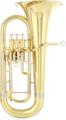
It’s easy to love the euphonium: it’s a beautiful instrument known for its rich, warm sound and expressive tone. But shopping for one can be a little daunting, even for experienced players.
Whether you’re a seasoned pro or a complete beginner, Sweetwater’s “Euphonium Rental & Buying Guide” can help you choose the best instrument that’s right for you. Here’s what we’ll cover:
- Ready to Rent? Read This!
- Types of Euphoniums
- Euphonium Parts & Features
- Differences Between Baritone & Euphonium
- What Materials Are Euphoniums Made From?
- What Are the Differences Between Beginner, Intermediate & Professional Euphoniums?
- Euphonium Rentals: Why & How to Rent a Euphonium
So, let’s dive in and explore the wonderful world of euphoniums!
Ready to Rent? Read this!
If you’re considering renting an instrument, then check out our “Why & How to Rent a Euphonium” section below! We’ll walk you through some key considerations when choosing to rent and answer several frequently asked questions. Plus, you’ll learn why Sweetwater is the best place to rent instruments for yourself or your child! We’ve partnered with numerous school music programs to make the rental experience seamless and stress-free! This guide includes a lot of great product recommendations, but you can narrow down your choices to the products specifically selected for you by your music educator with our handy rental wizard. Click here to learn more!
Types of Euphoniums
Euphoniums usually fall into three categories: 3-valve, 4-valve, and compensating models. Let’s take a closer look at each one:
3-valve Euphoniums
This is the most basic type of euphonium. 3-valve models allow you to play a full range of notes and offer a simplified experience. As such, they’re perfect for beginners who are still getting familiar with the instrument. They do have some limitations though: intonation might not be as precise, and the lack of a fourth valve makes playing technical passages more difficult.
4-valve Euphoniums
Most intermediate and professional players will want a euphonium with four valves. The extra valve extends the euphonium’s low range and provides alternate fingerings for more technical passages of music. Plus, players can use it to solve most of the intonation issues present on a 3-valve instrument.
Compensating Euphoniums
Most euphoniums are inherently sharp in the low register. Compensating euphoniums are specialized 4-valve instruments designed to address those tuning issues or “compensate” for them. They achieve this through an additional set of tubing that redirects air through the first and third valves.
Compensating euphoniums can be identified by their 3+1 valve configuration: three top-action valves plus a fourth valve on the side, controlled by the left hand. Most high-end professional euphoniums feature a compensating system.
Euphonium Parts & Features
The euphonium is a surprisingly complex instrument, with several parts and features impacting its sound and performance. Let’s take a closer look:

Leadpipe
Sometimes called a “mouthpipe,” the leadpipe serves as the initial entry point for airflow inside a euphonium. It’s typically made of yellow brass, though some beginner models feature a rose brass leadpipe to help reduce corrosion (see “What Materials Are Euphoniums Made From?” below).
Mouthpiece Receiver
Like trombones, euphonium mouthpieces come in different sizes to match instruments with different bore diameters. Mouthpiece receivers will fit either small-shank or large-shank mouthpieces. Most pro-level and intermediate euphoniums will use a large-shank mouthpiece, while the majority of student models use small shanks. If you’re not sure which mouthpiece is right for your euphonium, then talk with your Sweetwater Sales Engineer.
Bore
The euphonium has a conical-shaped bore, which gradually gets wider from the mouthpiece to the bell. This design helps give the euphonium a warm, mellow, and rich tone. Most modern euphoniums have a bore diameter between 0.571 and 0.661 inches.
Bell
Like any brass instrument, the bell is where all the euphonium’s sound mostly comes from. Basically, it’s like a big speaker that amplifies the sound produced by the player. Several of the bell’s factors can affect the instrument’s overall tone and projection.
Bell Diameter
Wider bell diameters tend to produce a broader and more resonant sound, enhancing the instrument’s overall projection. As such, it allows for a greater volume of air to be moved, resulting in a richer and fuller tone. On the other hand, a smaller bell diameter produces a more focused and compact sound that’s easier to control and allows for more precise intonation. Most euphonium bells are between 10 and 12 inches.
1-piece vs. 2-piece Bells
Euphonium bells are usually made from one or two pieces of metal. Most beginner and intermediate models have a 2-piece bell, typically made by brazing two sheets of brass together. 2-piece bells are easier to manufacture and are very stable.
In contrast, making a 1-piece bell is more labor-intensive and usually a sign of high-end professional and intermediate euphoniums. In many cases, they’re hand-hammered by an artisan during the manufacturing process. Many players will argue that hand-hammered 1-piece bells produce a more colorful and nuanced sound than 2-piece bells.
Bell Material
The type of brass used to make the bell can also impact the sound. Most modern euphoniums have a yellow brass bell, which helps give them a vibrant sound. A handful of unique models feature a gold brass bell, which gives them a wider tone. Learn more below in “What Materials Are Euphoniums Made From?”
Valves
The euphonium features piston valves for controlling airflow through the instrument. Most euphoniums have three or four valves, each housed in its own casing. Pressing a valve down effectively lengthens the amount of tubing to redirect the airflow and change the instrument’s pitch. On compensating euphoniums, the fourth valve redirects air through an auxiliary set of slides on valves one and three to adjust for sharp notes in the low register.
Tuning Slides
Tuning slides are the movable sections of tubing found on the euphonium’s body. They’re used to adjust the instrument’s pitch and intonation. Extending or retracting these tuning slides allows you to fine-tune the instrument to achieve accurate pitch and blend with other instruments in an ensemble.
Water Keys
As you play the euphonium, moisture builds up inside the instrument. The water key helps drain the condensation, removing accumulated water over time. Regularly using the water key reduces the chance of corrosion or mold growing inside your instrument. As a result, it increases the longevity of your euphonium.
Differences Between Baritone & Euphonium
The baritone and euphonium are similar in many ways: they’re roughly the same size, play in the same register, and can even use the same mouthpiece. But there are some key differences that make each one distinct.
For starters, they have different bore shapes. The euphonium has a much wider bore with a more conical shape. As a result, air travels slower through the instrument, which produces a more warm and mellow tone. On the other hand, the baritone has a more cylindrical bore, meaning it stays a consistent diameter throughout the length of the instrument. The bore diameter is also a bit narrower, which helps air travel faster and produce a brighter, more direct sound.
What Materials Are Euphoniums Made From?
As a member of the brass instrument family, euphoniums are generally made from one of these common materials: yellow brass, gold brass, or red (rose) brass. Yellow brass is the most common material used to make these instruments, comprised of approximately 70% copper and 30% zinc. The vast majority of euphoniums feature a yellow brass body and bell.
While less common, some intermediate and professional euphoniums are made from gold brass. This material has a higher copper content (80% copper and 20% zinc) and generally gives the instrument a wider, fuller sound. It also has a slightly darker, golden color than yellow brass. Red brass, or rose brass, has an even higher copper content (90% copper and 10% zinc) and a distinct, reddish hue. It gives the instrument an even warmer, mellower tone and is more corrosion-resistant.
| Material | Ratio of Copper to Zinc | Tonal Characteristics |
| Yellow Brass | 70:30 | Bright and forceful timbre |
| Gold Brass | 80:20 | Wide and full sound |
| Red (Rose) Brass | 90:10 | Warm and mellow tone |
What Are the Differences Between Beginner, Intermediate & Professional Euphoniums?
Buying a euphonium for a first-time student musician? Read this.
1. Don’t shop based primarily on price.
While it can be tempting to buy the most affordable student euphonium you can find, low-quality instruments can have performance issues and a less-than-satisfactory sound. That can make the process of learning to play the instrument frustrating and unrewarding, and it may derail your student’s musical aspirations before they even begin. Fortunately, Sweetwater only carries high-quality student instruments spanning multiple price points to fit your budget.
2. Consider purchasing an instrument your student can grow into.
This is a follow-up to the first point. As instruments increase in price, so do their features. If you’re confident that your child will commit themself to their instrument, then it may be worth exploring a more feature-rich student euphonium or an intermediate euphonium. The upfront cost will be higher, but you’ll save money in the long run by not having to purchase a step-up instrument as your child progresses.
3. Make durability a key criterion. There’s no way around it: student instruments are going to take a beating. From bus rides and locker storage to getting knocked around in the band room, a student euphonium will be subjected to numerous opportunities for damage. The best way to know if a euphonium is built for durability is to check with your Sweetwater Sales Engineer. They can give you the lowdown on the factors that affect the durability, such as the quality of the finish, how reliable the valve assembly is, and how much maintenance will be required to ensure the instrument plays great, sounds good, and retains a comfortable resale value.
Beginner Euphoniums
Student euphoniums are typically built with three things in mind: playability, durability, and affordability. Generally, beginner euphoniums are made from yellow brass and have a 2-piece bell. Most of them only have three valves, though some models have four. It’s also common for student instruments to have a rose brass leadpipe to help warm the sound and increase its longevity. On top of that, beginner models tend to have smaller bores and a small-shank mouthpiece receiver for ease of playability.
When shopping for a beginner euphonium, you may be tempted to select one based solely on cost. But while some low-quality instruments have an attractive price, they’re often unreliable and have a poor sound quality, which can be very frustrating for new players. Therefore, it’s critical to choose a well-made instrument that is affordable, durable, and sounds great.
Intermediate Euphoniums
Intermediate or “step-up” euphoniums offer improved tone and features that facilitate more advanced playing techniques. For starters, they usually have a fourth valve that provides alternate fingerings for some notes and makes it easier to play smoothly across the instrument’s entire range.
There are a lot more options available for step-up euphoniums: they can have 2- or 1-piece bells, smaller or larger bores, and small- or large-shank mouthpiece receivers. The expanded range of models lets players choose an instrument to fit their needs and continue refining their skills.
Professional Euphoniums
College-bound players, professionals, and other dedicated euphonium players will eventually outgrow the capabilities of their student or intermediate horn. As such, a pro-level horn will give them everything they need to tackle any musical challenge.
Professional euphoniums often have some handcraftsmanship involved in manufacturing, such as a hand-hammered 1-piece bell. Most pro models usually have a 4-valve design, many of which are fully compensating. Plus, they tend to have a large bore and smoother valve action for improved playability across the entire range. A handful of models also have tuning slide triggers to make faster, on-the-fly adjustments. All these features combined make for a superb-sounding euphonium that’s full of rich, tonal colors that’ll satisfy soloists and ensemble players alike.
Euphonium Rentals: Why & How to Rent a Euphonium
If you’re shopping for a euphonium, then you have two choices: renting or buying. If you or your child has already invested a lot of time into practicing and learning the baritone or euphonium, then it may be worth purchasing one outright. Owning your euphonium can be extremely rewarding. You can customize it to your liking with mouthpieces, mutes, wraps, and other aftermarket components.
Alternatively, renting a euphonium is a fantastic option if you haven’t fully committed to purchasing one immediately. Renting is more affordable for many families, and it lets you try the instrument without making a significant financial commitment. We’ve made it incredibly easy to rent a euphonium with our Sweetwater Band & Orchestra Instrument Rental program. Keep reading to learn more!
Why Rent a Euphonium from Sweetwater?
When you rent a euphonium from Sweetwater, you can rest easy knowing you’re getting the finest instrument possible. For starters, we work closely with music educators across the country to provide the exact instruments they want to see in their classrooms. As such, all the rental euphoniums we offer have been preapproved by teachers and come from top brands, like Yamaha, King, Eastman, Jupiter, and others.
And with Sweetwater’s 40-point Inspection process, you can be confident that your instrument will arrive ready to play out of the box. In other words, you or your student will get a fantastic instrument that sounds great, enables proper learning, and will last you for the long haul. And best of all, there are no hidden fees, so 100% of your rental payments go toward purchasing your euphonium. Once it’s paid off, it’s yours to keep.
How to Rent a Euphonium from Sweetwater
Sweetwater makes it super easy to rent a euphonium at an affordable monthly rate. Start by visiting the Sweetwater Band & Orchestra Instrument Rentals site. Then, click on the “Rent Now” button and complete the form. Select your state, school district, and your child’s school if it’s listed. Then, select “Euphonium.” From there, you can choose from a list of options preapproved by your child’s music teacher.
After that, the euphonium will arrive at your doorstep within a few days. It’s a straightforward process you can do all from the comfort of your home — no waiting in long lines or traveling required!
Euphonium Rental Repairs
You may wonder, “What happens if my euphonium gets damaged and needs repairs?” Not to worry! Sweetwater offers an optional Instrument Protection Plan as an add-on to your rental. This program lets you exchange your instrument whenever it needs repair. Just let us know when something goes wrong, and we’ll send you a replacement horn that same day.
All you have to do is return the damaged one using the free shipping label we provide. Then, you can continue your rental with the fresh instrument that just arrived. It’s a fast and convenient process, and it saves you or your student from weeks of downtime without an instrument — that means more time playing, practicing, and learning!
Euphonium Rental Returns & Exchanges
We understand that kids have changing interests and that the euphonium might not be right for your child. No worries! There are no long-term obligations with a Sweetwater rental. So, once you’re done with the instrument, you can return it to us — no questions asked — and your monthly payments will stop.
Alternatively, your student could excel with the euphonium and eventually be ready for an upgrade. As you rent from Sweetwater, you build equity that stays with you, not the instrument. When the time comes, you can easily exchange your student horn for a more advanced euphonium, and your previous rental payments will apply to the new instrument.
And if your student wants to try another instrument like trombone or clarinet, then Sweetwater will help you with that, too. We’ll take your current rental and exchange it for a completely different instrument while preserving the equity you’ve earned so far.
Find Your Euphonium at Sweetwater
Sweetwater is the perfect place to rent or purchase any euphonium. Our knowledgeable Sweetwater Sales Engineers can provide expert, friendly advice if you need any assistance. Call your Sweetwater Sales Engineer at (800) 222-4700, and they’ll be happy to help you pick the best euphonium.