Many contemporary, electronic-based record producers — especially in the pop, hip-hop, EDM, and R&B genres — have embraced a hybrid approach to selecting sound-design tools. Commonly, virtual instruments, soft synths, and computer-based drum sequencers will live side by side with hardware digital synthesizers, analog synths, Eurorack, and other modular sound devices. Having that amount of flexibility offers contemporary producers an unprecedented number of choices from which to pick the perfect piece of gear to bring an imagined sound to life.
However, this flexibility comes at a price: as a producer’s personal collection of electronic instruments grows, so, too, does the complexity of their system. Yet, moving quickly between devices to audition patches and sounds is vital to keep pace with a producer’s creativity. So, finding a way to streamline multi-device systems is necessary; and, since contemporary producers are increasingly using smaller private studios rather than larger recording facilities when building tracks, doing so with a minimal amount of cabling and physical routing hardware is ideal.
Thankfully, technology has reached a point where it can easily accommodate the needs of a producer suffering from a bad case of gear acquisition syndrome. And one of the most effective ways to centralize and simplify complex setups is to use networked audio.
Centralize Your Hardware and Streamline Your Workflow
Networked audio systems come in several flavors. Some companies use proprietary protocols, such as Waves’ SoundGrid and Behringer’s Ultranet devices. However, many manufacturers have adopted universal protocols — such as Dante and MADI — for their devices and interfaces. We won’t go into all the details here, but to learn more about the various systems, and for an overview of networked audio in general, check out our article “Audio Networking Explained.”
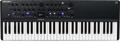
Every producer working with synthesized sounds knows that MIDI is your best friend. And most DAWs make working with MIDI a breeze, whether you’re using USB MIDI or traditional 5-pin DIN interfaces. When using soft synths and VIs, all you need is a MIDI controller, and you’re good to go. Standalone hardware synths, such as Modal Electronics’ Argon8X or Moog’s Subsequent 25; analog drum machines, including Behringer’s Rhythm Designer RD-8; or the endless selection of Eurorack modules, like Dreadbox’s Chromatic Series, can also take advantage of MIDI routing within your DAW or other music production software.
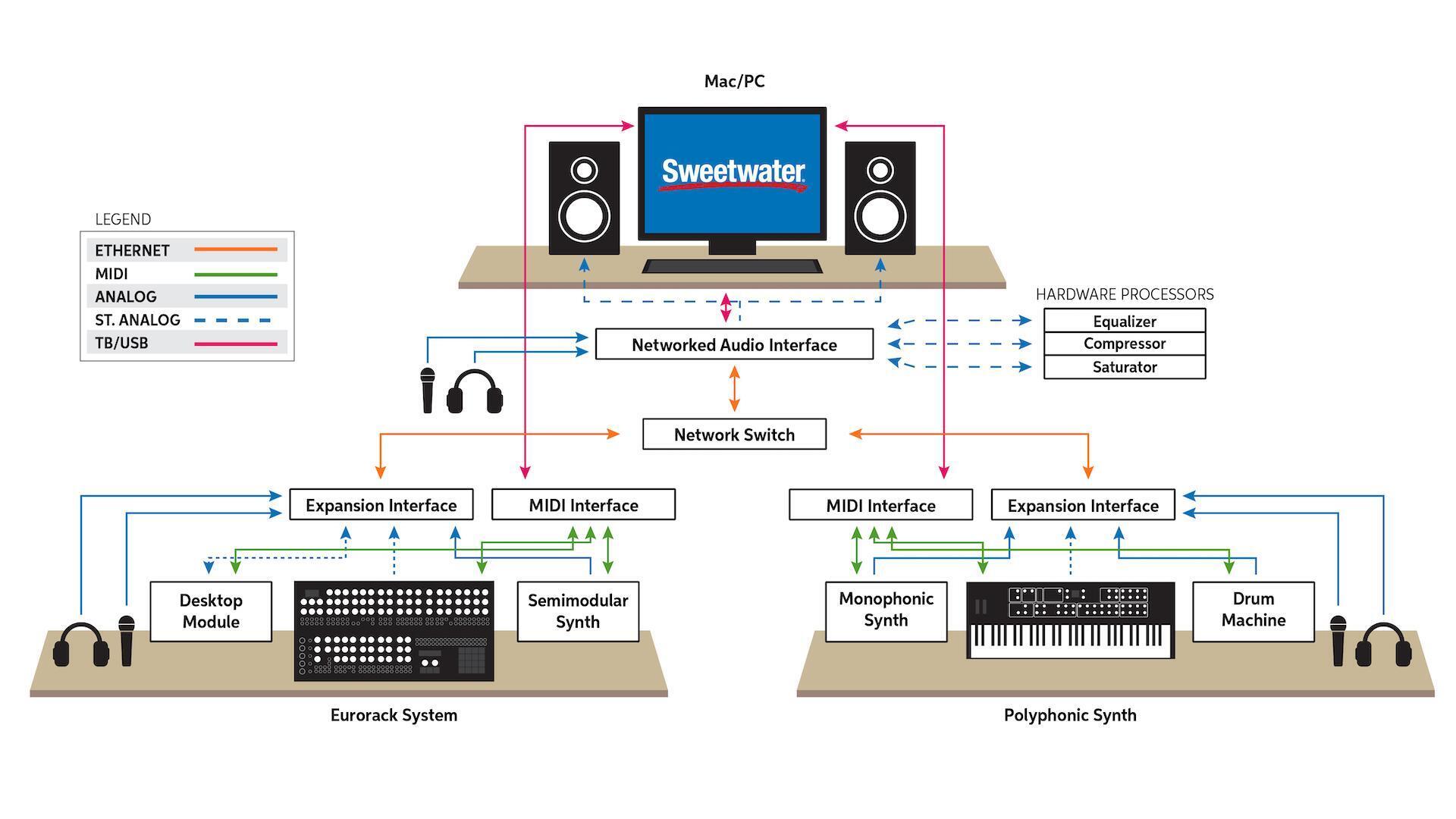
However, all of these devices have separate audio outputs, and keeping them plugged in and at the ready can require hundreds of feet of cabling. And, if you’re using shared hardware processors for your delay, reverbs, and modulation effects or if you want to utilize the external inputs on any of these synths, then you’ll have to use some kind of patchbay. So, now you have more cabling, and you have to recall and document complicated routing schemes. Even worse, when you want to integrate new devices (which, let’s face it, you definitely will!), you might be forced to restructure the entire setup. Yikes!
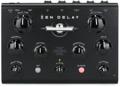
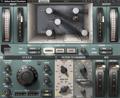
Networked audio systems solve this problem by allowing you to send dozens (or, in some cases, hundreds) of audio channels over a single Cat5, Cat5e, or Cat6 digital cable. And networked audio systems that utilize ethernet boast nearly latency-free operation, so you’ll never have to worry about audio lag negatively affecting a performance. Additionally, if you want to use a combination of hardware and software processors in real time (say you want to run your Erica Synths Zen Delay through a Waves Abbey Road Chambers reverb plug-in), several networked audio interfaces include their own built-in DSP, which also minimizes latency and frees up your CPU bandwidth.
Moreover, networked audio systems drastically simplify routing. With audio routing software being included with most networked audio devices, your computer becomes a digital patchbay, allowing you to link any device on the network with a simple click of a mouse button. Matrix-style routing applications, like those included with Waves SoundGrid or Audinate’s Dante Controller, are visually uncluttered, unlike the spaghetti cabling that dangles from the front of physical patchbays. And extension software, such as Dante’s Virtual Soundcard, offers the ability to patch in USB or Thunderbolt interfaces into your network, so you can continue to use non-Ethernet-equipped devices or add them to your setup. It’s a total win-win!
Conclusion
Suffice it to say, networked audio does wonders in terms of streamlining workflow. And while we focused on electronic instruments in this article, networked audio is equally effective for routing any audio source. Not only that, networked audio systems are entirely scalable; so, as your rig grows, you can expand your network to accommodate your needs.
With the ability to integrate software and hardware becoming easier every day, it’s an exciting time to be an electronic-based music producer. The market is awash with incredible sound-design tools, and the creative potential is limited only by a producer’s imagination. If you’re looking for a way to centralize control over your growing collection of synthesizers, drum machines, and hardware processors, then networked audio may be the ideal solution. To learn more, reach out to our highly knowledgeable Sweetwater Sales Engineers at (800) 222-4700. They’ll gladly assist you in building a networked audio system to match your workflow!