

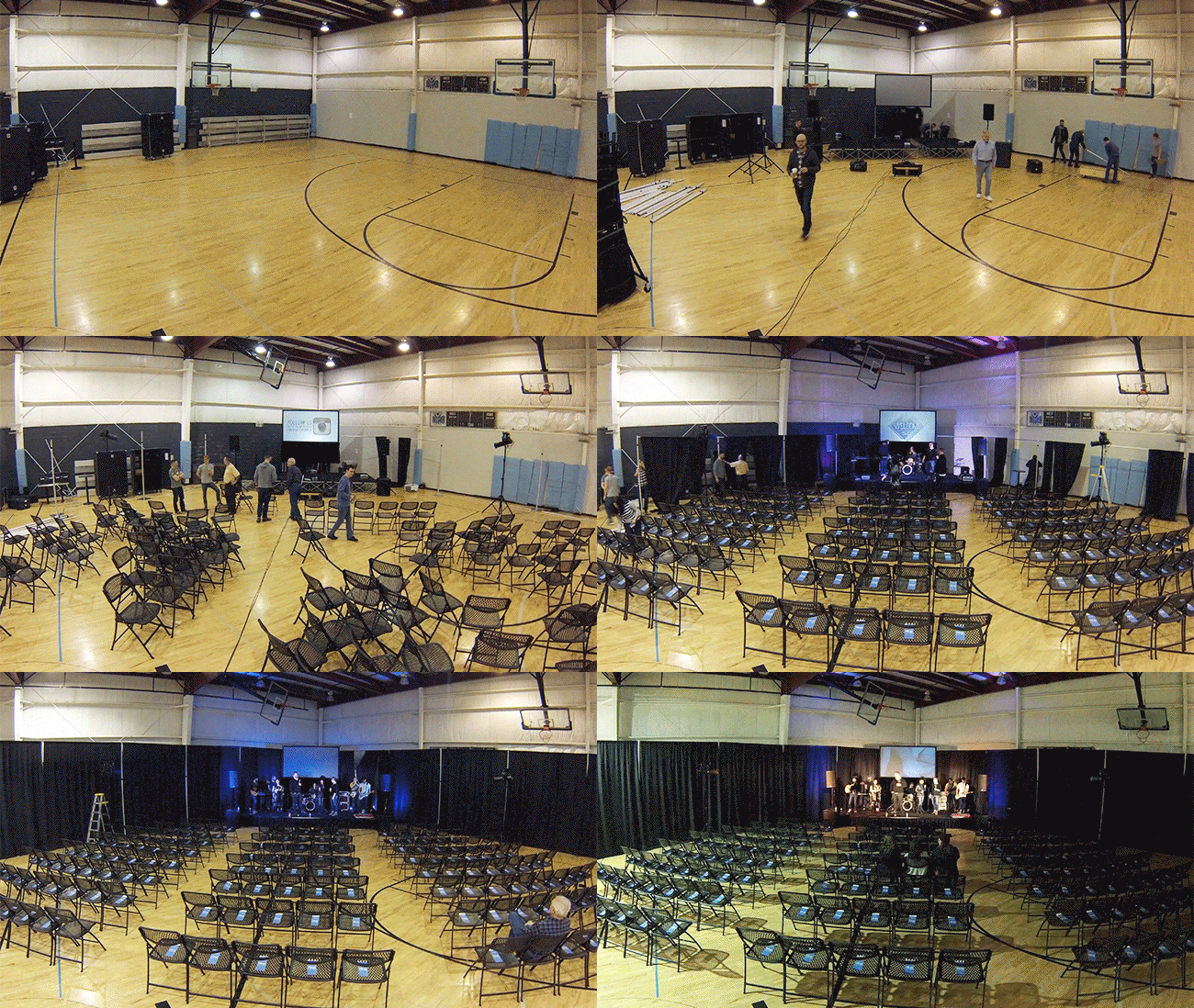
When Jesus traveled the countryside in Judea, his version of a portable church was a hillside where he could stand with enough grass for his followers to sit on. These days, however, a portable church requires a lot more than that. Seating and parking are the easy parts when using available space instead of purpose-built facilities, but the sound, video, and lighting requirements can be challenging. Modern worship requires full sound systems, with quality (often wireless) microphones, projection systems, lighting, musical instruments, and more.
Whether you’re starting from scratch or just need a checkup, here’s a list of things you need to consider, including solutions to common problems you may encounter.
One of the largest considerations when choosing technology is the budget. Since it is different for every group, we’ll focus on providing an overview of options with the understanding that there are many effective choices regardless of your price range.
Here are the primary aspects you should consider when choosing technology for your portable church.
Venue Size and Features
Before you can make decisions about the sound system you need, you should know the size of your venue and the anticipated attendance. The attendance will hopefully grow over time to fill the venue you choose. Making intelligent equipment choices at the beginning will allow you to escalate and expand as your needs change.
The appropriate sound system for a full room that will seat 75 people is drastically different from one needed for a group of 75 people sitting in a room large enough for 600. The cubic volume and the arrangement of the congregation in that space are equally important. The sound system that works for a center platform with the congregation seated in an arc around it probably won’t be right for the same congregation arranged in traditional straight rows.
You also should consider the construction materials of the venue. Drywall reflects and absorbs sound much differently than cinder block found in places like a gym or basement, and there’s a noticeable difference between the muffling effect of carpet and the natural warmth and reflections of wood floors.
Portability is a major factor when it comes to the physical size of your sound system. If you’re allowed to keep your equipment setup, then you can start collecting equipment that you’ll probably use when you transition to a permanent church facility. Conversely, if you need to strike your setup and stow it or load out every week, then you’ll need to go with smaller and lighter gear that’s easier to transport.
Musical Style
Worship and praise music encompasses a wide variety of musical styles. The style that’s the best fit for your congregation and worship team comes with its own set of sound-reinforcement demands. Here’s an overview of some of the most common styles. The demands on the sound system will vary greatly depending on the musical style.
Traditional or Folk
Vocalists, piano, acoustic guitar, and choir
Classical
Vocalists, strings, brass, woodwinds, guitars, and percussion
Contemporary/Modern
Vocalists, acoustic and electric guitars, drums, bass, and keyboards
Progressive/Concert
Vocalists, full drum kit, multiple electric and acoustic guitars, bass, keyboard(s), and more
Once you know the venue and the style of presentation, it’s time to start evaluating and selecting the appropriate technology. These are complex decisions with many variables, and you may need help understanding and deciphering the options. So let’s dive in and consider all the choices you’ll need to make.
Mixing Console

Digital mixing consoles have largely replaced traditional analog consoles, particularly in live worship music. The big consoles that previously took up lots of space (and displaced lots of seats) are no longer necessary. While digital consoles are more complex than analog consoles, the benefits of digital mixing consoles certainly justify the steeper learning curve. For instance, digital consoles let you save and restore settings instantly. With just the push of a button, even the least experienced volunteer can switch between different worship setups. Additionally, digital consoles almost always include onboard effects/processing, potentially replacing racks of complicated and expensive outboard gear. Many of the current digital consoles also offer support for remote control apps over Wi-Fi, allowing you to dial in the system via a tablet/mobile device from anywhere in the room.
Regardless of the type of mixer you use, you’ll also need a snake to carry signal to and from the stage. Analog mixers require large, heavy snakes that can be difficult to manage in a portable sound-reinforcement setup. Many digital mixers allow you to use digital stage boxes, which connect to the board via a single Ethernet cable. This solution looks cleaner and sounds better than the analog alternative, and if the cable gets damaged, you can replace it quickly and affordably.
Learn more about selecting the right console for your needs from our Mixer Buying Guide.
Shop for digital mixing consoles >>
Microphones
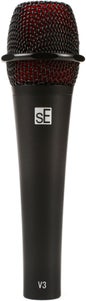
It’s easy to get nostalgic about the days when all a church needed was a mic at the pulpit and maybe a couple over the choir, but modern worship services are no less demanding than any other live musical performance. These days, it’s likely you’ll need a few handheld mics for the worship team, plus microphones for guitars, amplifiers, drums, and more — and you’ll still need a mic or two for announcers or guest speakers. It’s not uncommon to regularly utilize 16 to 32 channels of mostly microphones. There are hundreds of microphone options out there, and they range as widely in price as they do in application. Professional engineers spend a lifetime finding the right mics for any given job, and it’s even harder when you’re limited to a modest budget. That’s where getting help from a professional such as your Sweetwater Sales Engineer can spare you a lot of grief. Likewise, if you’re going wireless, then there’s a good chance you’ll need expert help. Complete packages are available that make setting up three or four wireless systems simple, but it’s easy to get lost in channels and frequency bands when you go beyond that.
Finally, don’t forget about essential accessories, including mic stands, boom stands, cables, storage, and more. Remember that you may need multiples of different types of mic stands, either straight stands, mini-boom stands, or large booms for big mics or getting mics up over drums or a choir.
Learn more about choosing the right microphones in our Live Sound Microphone Buying Guide.
Shop for microphones >>
Stage Monitors
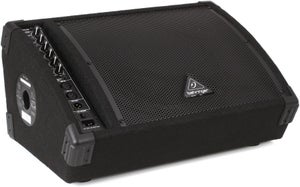
If you’re using acoustic instruments in a smaller space, then you may not need monitoring at all. The room reflections can be enough for the team to hear themselves. For larger spaces with more players, electric guitars, and acoustic drum sets, you’ll probably need at least a few stage monitors/wedges for the singers and players. Many churches prefer a cleaner look and lower stage volume, and you can get that by using an in-ear monitoring system. In-ear monitor systems pair well with onstage personal mixers, which allow individual performers or small groups of performers to create individual monitor mixes.

Variations that combine elements of these systems also work well. Some worship teams use wired in-ears, with wireless systems for the singers. Other worship teams use in-ear monitors for the band and provide stage wedges for the vocalists. As a rule, monitoring systems are equal parts practical necessity and preference.
Learn more about picking the right monitors in our Live Sound Monitors Buying Guide.
Shop for monitor speakers >>
Shop for in-ear monitor systems >>
Loudspeakers
Portable churches come in many sizes and meet in every kind of venue. However, the vast majority of portable church sound-reinforcement systems need to be set up and torn down quickly. You also need to be able to pack it all up small enough to store or load out, so weight and size are big factors when choosing your gear. There are three popular types of sound-reinforcement systems that fit these needs: personal PA systems, mini line arrays, and stand-mounted speakers.
Personal PA
In general, personal PA systems are designed for small groups addressing a small audience. They’re as portable as it gets, with some options no larger than a practice guitar amp. Alone, these systems are absolutely wonderful for intimate meetings where everyone gathers closely together, but they become ineffective for larger groups. Fortunately, it’s easy to build onto these systems, eventually using them as personal monitors when you move to a bigger setup, so they almost always prove to be a wise investment for small churches.
Mini Line Array
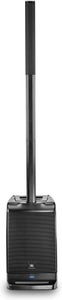
The next step up is a mini line-array system like the popular Bose L series or the JBL EON ONE. These systems use a scaled-down version of the kind of sound-distribution method found in large venues. The center column is actually made up of a vertically aligned string of speakers. Each speaker is tilted at a slightly greater angle to target a different distance away from the stage. A speaker system like this can be packed in a duffel bag and still comfortably cover a group of up to 300 people. Most of these systems also double as stage monitors, using complex math to prevent feedback.
Stand-mounted Speakers

This kind of system, affectionately called “speakers on sticks,” resembles the standard PAs found in full-scale venues around the world. These systems include large PA speakers mounted on tripod stands on either side of the stage. There are several reasons these systems are by far the most popular for medium-sized sound-reinforcement applications. The three biggest reasons are coverage, price, and simplicity.
Coverage — when it comes to coverage, large-format speakers on stands clearly outperform small floor-mounted systems. The speaker drivers are typically in the 10″–15″ range and are combined with powerful amplifiers. By elevating them above the congregation, you can easily get enough coverage for a very large congregation attending a portable church.
Price — as you might expect, a traditional PA system can be far less expensive than mini line arrays. In fact, a single mini line array can cost as much as a pair of 15″ powered speakers, including the stands and cables needed to hook them up. That doesn’t mean the system will be right for your church, but when you’re dealing with a tight budget, it’s good to know.
Simplicity — in terms of simplicity, most modern, midsized PA speakers are powered, which means that each speaker includes an integrated amplifier, so you don’t have to deal with separate amplifiers and speaker cabling. Not only does this save you the initial calculations to ensure your speakers and amp will play well together, but if you need to reconfigure your PA (e.g., change from an indoor Sunday worship to an outdoor wedding in the park) or even add speakers, you don’t have to recalculate everything.
Challenges of Stand-mounted Speakers
Although traditional PA speaker setups offer you more volume for less money, they do come with a few costs of their own. For starters, they’re big, and a single speaker can weigh more than an entire mini line array. Setting up and tearing down will require strong backs, and though it’s common for members of the congregation to bond over the ritual of hauling out and stowing the system, you’ll want to make sure you have the right volunteers for the job.
Another consideration of traditional PA systems as opposed to mini line arrays is that they are more complicated to set up. Using monitor speakers on stage for the singers and players to hear themselves usually means creating a separate monitor mix from the console, which adds complexity and requires experienced sound personnel. Speaker management and tuning are also factors. For starters, you’ll need a way to tune your speakers to your room, which requires using an equalizer. A feedback management processor like the dbx DriveRack series is also good to have.
The final factor to deal with in a traditional setup is volume. As any experienced sound-reinforcement engineer can tell you, louder is not always better. Once you start turning up the guitar amps to keep up with the drums and dialing up the PA to keep the vocals above the amps, it’s easy to end up with more volume than anyone on the other side of the speakers can handle. There are many popular solutions to this problem, including swapping out acoustic drums with digital drums and using in-ear monitors instead of stage wedges, but you’ll have to budget for them.
To find out more about selecting the right speakers for your PA, check out our PA Speaker Buying Guide.
Shop for PA speakers >>
Musical Instruments

In addition to the sound-reinforcement demands for your style of music, there’s also the need for instruments and other musical equipment. Here are a few questions for you to consider:
- Will you provide instruments, or will the players bring their own?
- Will you use traditional guitar and bass amplifiers?
- Will you use acoustic drums, quieter percussion options like cajon, or an electronic kit?
- If you provide a piano (as many churches do), then how versatile does it need to be?
Shop for guitars >>
Shop for keyboards >>
Shop for drums >>
Lighting
Your needs for stage lighting for a portable church will likely be very simple, but lighting can really add polish and dimension to a temporary stage setup. Just a few accent lights can add a noticeable atmosphere, so here are a few points to consider.
There are two types of lights: spots and washes. Spots (short for spotlights) are used to accent a particular person or area, such as a pastor or soloist. Washes, on the other hand, provide overall lighting and fill in the spaces that spots do not cover. Washes can add depth, contrast, and color and can enhance or intensify the mood. In a portable church setup, multiple washes (including using some as backlights) will provide lighting for the whole stage, so with a few selective spots added in, you may have all you need.
Shop for your lighting needs >>
Additional Needs
There are other items you shouldn’t forget, such as video projection, computers for images and song lyrics, and video cameras if you need to display/magnify the onstage talent. Staging, pipe and drape for dressing up the room, remote sound distribution for nurseries or nursing-mother rooms, and even cases to store everything during weekdays — these are all things you may need to complete your tech setup.
Checklist for Gear
Think of this as a simple checklist of questions you should answer before investing in a PA system for your portable church. Some of these are recaps, but many are beyond the scope of this simple introduction.
- How big is your congregation to begin with?
- How large (cubic volume) is your initial venue?
- Will your system need to be disassembled and stored every week?
- Is there on-site storage space available, or will everything need to be stored off-site?
- What style of music will your worship team play?
- Do you need a full PA, or are personal speakers enough?
- Which musical instruments do you need?
- What type of microphones do you need and how many?
- How will the musicians hear themselves (speakers or in-ears)?
- How will you manage stage volume?
- Will you make accommodations for people with hearing impairments?
- Will you need to provide sound to additional rooms, such as a nursery or a nursing-mothers space?
- What kind of projection equipment and screen(s) will you need?
- Do you need lighting to go with your PA?
- Are you budgeting for cables, stands, cases, and other needed accessories?
Got It All Figured Out Yet?
About now, that grassy hillside may be sounding pretty appealing. As you can see, the complexities of setting up a system for a portable church are just as intense as setting up a fixed installation with the added demand for portability, storage, and expandability. If you need help putting together all the pieces of this puzzle, then call your Sweetwater Sales Engineer. We’ll be happy to guide you through this challenge to ensure that you get the best return on your technology investment and provide the most engaging presentation for your congregation.
Call Sweetwater at (800) 222-4700 for all your portable church needs.
Note: Thanks to City Church of Fort Wayne for letting us watch you set up.