Jeffrey Rogers | Photographer, First Baptist Atlanta
Miking an orchestra for worship services combines technical skill with artistic sensitivity. In addition to supporting distraction-free worship for those in the room or listening online, you’re weaving a balanced musical fabric that allows each musician to contribute to the overall sound and message of the service. Thoughtful reinforcement creates a cohesive, immersive sound that supports singing, enhances musical dynamics, and translates effectively to different listening environments. These microphones and techniques can help you successfully take on the challenge.
- The Overall Goal of Miking an Orchestra
- Common Orchestra Mic Challenges
- Building Your Orchestra Mix
- Approach 1: Miking an Orchestra Alone
- Approach 2: Miking an Orchestra with a Contemporary Band
- Things You Should Know
The Overall Goal of Miking an Orchestra
Miking an orchestra is the process of capturing and reinforcing acoustic orchestral instruments in a worship environment using strategically placed microphones to achieve a natural, balanced, and intelligible sound for the room, the livestream, or both — recognizing that each mix may ultimately require different microphone choices and mixing priorities. It emphasizes preserving the ensemble’s acoustic blend while enhancing clarity and presence where needed. Unlike studio recording, the focus is real-time reinforcement that supports live worship dynamics. Miking an orchestra for live sound often prioritizes cohesion over isolation and musicality over technical perfection.
Common Orchestra Mic Challenges
Get everything right, and an orchestra can provide a heavenly invitation to worship. But things can go wrong! Every acoustic instrument in the room becomes a potential source of feedback in your sound system. Each mic potentially introduces phase issues and adds bleed from other instruments or the speakers and creates sonic mush. Poor miking can result in muddiness, imbalance, or harshness that distracts from worship and disengages listeners in the room and online. Incorporating amplified instruments such as electric guitars, basses, keyboards, and drums increases the challenge because of their added volume. However, with a good plan and the right combination of equipment to match your room acoustics, you can create an engaging, natural sound both in the room and in the livestream mix that invites connection and worship.
Building Your Orchestra Mix
Begin building your room mix with the natural sound in the room. If the orchestra is loud enough, then use the mics just enough to supplement and balance what the congregation already hears acoustically. Rather than developing individual instruments, create a unified sound that captures the whole orchestra.
Develop the orchestra’s natural, acoustic room sound in three layers, beginning with platform mics, section mics, and room mics. Finally, refine the overall sound with EQ and careful blending so the orchestra supports vocals and the broader worship mix.
Approach 1: Miking an Orchestra Alone
Whether you are supplementing your orchestra in your front-of-house (FOH) sound or recording for your service stream, this three-tier approach often provides great sound.
Platform Sound
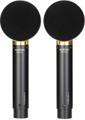
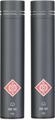
Capture your primary sound by using a stereo pair of microphones, one positioned to the right and one to the left of the conductor. This creates the foundation of your streaming mix and is the primary support for the room sound in your live mix. Generally speaking, this is a great location for capturing a balanced, natural, and cohesive orchestra sound because louder instruments tend to be positioned farther from the conductor.
Sections & Individual Instruments
Sectional mics support the overall sound of your strings, woodwinds, brass, and percussion groups. These supplemental microphones capture sections, desks (pairs of musicians), or even individual instruments. These mics allow sound engineers to finely tune the balance of the orchestra and emphasize specific instrument qualities, such as the presence, articulation, and audibility of the harp.
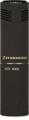
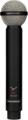
When it comes to mic types, condenser microphones are often the go-to due to their sensitivity and extended frequency response. Keep in mind polar pattern, placement, off-axis behavior, sensitivity, and stage volume are important factors. Small-diaphragm mics tend to capture detail and articulation. Large-diaphragm mics can capture warmth and space. Dynamic mics are safer for feedback rejection and handle higher sound pressure levels. Ribbon mics handle depth and avoid shrill tones. A stereo piano mic captures bright tones to cut through a mix and warm tones for depth.
Generally, place sectional mics above and in front of the group of instruments you are miking. Getting too close with directional mics may pick up unwanted breath noises or create unnatural tones because of a mic’s proximity effect. The goal is to gently lift instruments into the mix without losing their character. For instruments that are harsh, consider positioning the mic slightly off-axis at a moderate distance.
Violins:
Cello/bass:
Brass:
Woodwinds:
Percussion Overheads:
Harp:
Piano:
Room Sound
This pair of microphones captures additional room ambience and orchestral warmth. Place them in front of the orchestra farther apart from each other than the primary pair and further in front of the orchestra — between the orchestra and the FOH speakers.
Approach 2: Miking an Orchestra with a Contemporary Band
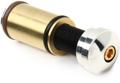
Worship that blends orchestra and contemporary instruments or takes place in a room with significant ambient noise may need an approach that focuses more on isolating each instrument. Sound from the stage mics or sectional mics may be limited to avoid potential feedback issues, and the room mics may be useful only in the streaming mix. Instead, the foundation of the overall orchestral sound comes from individual clip mics on each instrument with less impact from nearby instruments and room noise. The sound engineer will mix the individual mics to create an overall balance. If possible, isolate the drums and place far from the orchestra. Select each clip mic to match with the appropriate connector. Some clip mics offer built-in wireless features.
Strings:
Brass:
Saxophone:
Flute:
Alternative Idea: Electronic Instruments
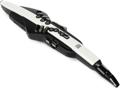
Worship teams that use a silent-stage approach may appreciate electronic instruments. In addition to freedom from feedback issues, musicians gain the benefit of exploring a huge range of sounds and effects to add nuance and interest.
Digital Saxophone:
Digital Winds:
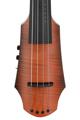
Digital Strings:
Things You Should Know
Here are a few techniques recommended by Sweetwater recording and live sound engineers:
- Ring out your mics before use to get the highest levels without feedback. The goal is to remove themost feedback-prone problem spots in the room/PA/mic system. Some sound consoles have automatic feedback-suppression features.
- Pan orchestra in relationship to the conductor for stereo streaming or FOH.
- Use EQ to carve out space for vocals from overall orchestra sound. (Start up or down from around 3kHz.) Highpass around 80Hz–120Hz to eliminate unnecessary low-frequency buildup and keep the mix clean and focused.
- Listen in mono for phase cancellation, a thin or hollow sound resulting from poorly aligned microphones. Adjust mic placement or polarity as needed to ensure a full, consistent sound.
Which Orchestra Mic Approach Suits You Best?
While one of these approaches may be the exact solution for your congregation, no two ensembles or rooms are the same. Your specific mix of instruments and room acoustics may require a custom approach. Sweetwater carries a huge range of related products in stock. For example, Sweetwater.com has 120 pages of microphones — that’s 5,000 different microphone models, each with unique features and benefits! Ask your Sweetwater Sales Engineer for a personalized recommendation based on your specific needs. Call us at (800) 222-4700. We’ll be glad to clear the air, narrow the possibilities, and identify the best choices to help you get the sound you’re looking for!