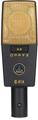
On the simplest level, a highpass filter is just a filter (sometimes called a low-cut) that attenuates low frequencies below a certain cutoff frequency and allows frequencies above to pass. There are many kinds of highpass filters that can appear at various stages in the signal path (e.g., the mic, the preamp, the equalizer/EQ plug-in, etc.) and they can have many different qualities. Here are a few characteristics of highpass filters and what they mean to you.
Cutoff Frequency
This is the frequency below which the signal is attenuated. The cutoff frequency is often fixed on microphones (120Hz is pretty common, but it varies). There may also be multiple highpass filter settings, each with different cutoff frequencies. As seen in the illustration below, the stated cutoff frequency is determined by the 3dB down point, not the frequency at which the rolloff starts. 
Filter Slope
This is how steep the filter is (i.e., how sharply the filter attenuates sound below the cutoff frequency). Slope is expressed in dB/octave, indicating that the signal is reduced by a set number of decibels per octave below the cutoff frequency. Common slopes are 6dB (gentle slope), 12dB, 18dB, and 24dB (very steep) per octave.
Why Use the Highpass Filter on Your Mic?
There are a couple of excellent reasons to use the highpass filter built into your microphone. First, if you’re recording in a studio or theater and notice the rumble of an air conditioning system or hear the low-frequency vibrations from someone walking across a wooden floor, then utilizing a highpass filter can help eliminate those problems. If you are broadcasting or reinforcing sound outside, and even your best windscreen can’t keep out the persistent low-frequency rumble from wind noise, then stopping it right at the source may be your best option. Highpass filters are excellent for this application. A further benefit of cutting unwanted rumble at the source, whether it’s wind or trucks driving by, is that you won’t introduce noise into your preamp, allowing for better gain staging by providing more control of your headroom. This can greatly benefit any further processing after the microphone preamplifier by cleaning up your signal.
When Not to Use the Highpass Filter on Your Mic
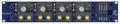
 In the analog domain, the highpass filter on your microphone simply may not be the best highpass filter available to you. If you’re running live sound, then the filter at the board is likely to do a better job cutting out stage rumble than the one on your mic. And in the studio, having a multi-frequency highpass filter, such as on the Chandler Limited TG Channel Mark II (30, 60, 90, 150, or 300 Hz) or the continuously-variable frequency control on the Focusrite ISA428 MkII (16-420 Hz), will offer you much greater control. Assuming you have headroom to spare, you can also get more precise results with EQ plug-ins in the studio. On that note, when it comes to studio work, you may not want to commit to cutting all of those lows prior to mixing. While there’s nothing wrong with printing the best possible tracks, there are times when you may regret recording with the highpass filter engaged, and there’s no way to undo that decision.