Arguably, the introduction of programmable drum machines in the 1980s was one of the most disruptive events in the history of popular music. Drum machines such as the Linn Electronics LinnDrum, the Roland TR-808 Rhythm Composer, and the Emu Systems Drumulator helped to define the sound of that era. Moreover, they set the stage for new electronic- and sample-based art forms, including hip-hop and EDM, to emerge.
During that period, the use of triggered samples to beef up acoustic drums also became commonplace. Think of the gargantuan drum sounds created by famed producer Mutt Lange for bands like Def Leppard, AC/DC, and the Cars, which were achieved with a combination of acoustic drums, triggered samples, and other innovative recording techniques.
In the 1990s, the use of sampled drums in rock music — especially in alternative and grunge rock — fell out of fashion. However, even some of the most “natural-sounding” drum recordings from that time used samples. For instance, renowned mix engineer Andy Wallace (Pearl Jam, Stone Temple Pilots, Jeff Buckley) is known for routing triggered samples through reverb to prevent hi-hat bleed from affecting the wet signal, thereby yielding a cleaner drum mix.
These days, musicians are far less dogmatic in their approach to crafting drum sounds. Contemporary drummers are likely to embrace any available tool, whether acoustic or electronic, as long as it sounds good and fits the song. Because of that, hybrid kits that integrate acoustic and electronic elements are becoming rather ubiquitous. Watch plenty of current pop, indie, or rock performances, and you’re bound to see more than a fair share of hybrid drum kits.
At Sweetwater, we understand that putting together a hybrid kit for the first time may seem like a daunting undertaking, but modern tools make it easier than ever to effectively blend acoustic and electronic drums. In this article, we’ll explore the components of a hybrid drum kit — including the various configurations — and why they rock onstage and in the studio!
Components of a Hybrid Drum Kit
A hybrid drum kit uses a combination of the following components:
Acoustic Drums

This element is fairly self-explanatory! In order to have a hybrid drum kit, you need to start with an acoustic drum set. Choosing which acoustic drum kit to use in a hybrid setup is not much different than choosing a standalone kit. However, since the addition of electronic drums greatly expands the available sound options, drummers that use hybrid kits will sometimes choose a pared-back kit with only three or four pieces. But that’s not always the case. Drummers that favor massive, seven-or-more-piece acoustic kits will still hybridize their setup. For instance, Brendan Buckley, longtime drummer for Shakira, has an enormous hybrid drum kit of over 14 pieces, comprising two snare drums, four toms, a kick, timbalitos, a doumbek, and an assortment of drum pads and triggers. There are truly no limits when constructing a hybrid kit!
Sound Source

The electronic side of a hybrid kit requires a sound source (or sources), and these come in several options, including sample pads, electronic drum modules, and drum sample software.
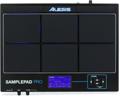
- Sample pads, such as the Roland SPD-SX and the Alesis SamplePad Pro, have their own strike pads and often come stocked with vast libraries of sampled sounds from which to choose, and they allow you to upload samples from your personal library. Some sampling pads also give you the ability to cut samples with the pad itself — an awesome feature for sparking inspiration while arranging parts.
- Electronic drum modules are generally found on full-blown electronic drum kits. However, they can be purchased separately and used with most standard drum triggers or pads. Good examples are the Yamaha DTX9000 Trigger Module and the Roland V-Drums TD-50 Drum Sound Module. One caveat: some modules play better with certain triggers and pads. If you have any questions about compatibility, please reach out to your Sweetwater Sales Engineer.
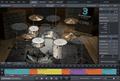
- Drum sample software is also used to generate sounds for a hybrid kit, both live and in the studio. The number of drum sample programs available is staggering, and they offer up the largest collection of sampled drums out of the three sound sources discussed while remaining affordable. Some drum sample programs focus on natural-sounding acoustic samples, featuring highly realistic multi-sampled sounds, such as Toontrack Superior Drummer 3. Other programs, like Native Instruments Battery 4 (found in the Native Instruments Komplete 12 Software Production Suite), are geared more toward synthesized sounds. Using software for your hybrid kit does necessitate a laptop and an audio interface. And it’s worth considering that, depending on your interface and your computer’s available processing power, you may encounter some latency, which would be avoided with a sample pad or a drum module.
Drum Pads and Triggers

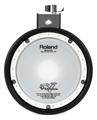
There is an endless variety of drum pads and triggers that can be incorporated into a hybrid drum kit, and it’s really up to personal preference to decide which is best for you. If you’re only interested in adding electronic sounds to your kit, not in augmenting your acoustic drums with layered sounds, then a sampling pad or separate drum pads, such as the Roland PDX-6 V-Pad Snare or the KAT Percussion KT2EP5 11-inch Pad, will suffice. However, if you do want to layer your drum sounds, then you’ll need to add drum triggers to your acoustic drums. Drum triggers are small devices that mount on your drums and send a trigger signal each time the drum they’re mounted on is struck. They can be as basic as the ddrum DDRS Red Shot Trigger, which sends a single trigger signal to your sound source, or they can have more advanced features. For instance, the Yamaha DT-50S is a dual-zone trigger, which lets you trigger separate samples from the drumhead and the drum rim. For even greater flexibility, Sensory Percussion has developed a 10-zone drum trigger that transforms a single drum into an expansive multipad instrument!
Hybrid Drums Onstage
Frequently, when drummers think of hybrid kits, they do so in the context of live performances. Beyond the creative applications we’ve already discussed, using a hybrid kit for live shows has several practical benefits, too.
One of which is the ability to bring sounds that were created in the studio onto the stage, whether they’re sourced from acoustic or electronic instruments, or they’re just some random “found-sound” samples. Modern music is very sound-design oriented, and audiences expect to hear not just the songs they love but also the sounds they love. With a hybrid kit, you deliver the songs and the sounds. Also, hybrid kits enable you to play melodic passages as well as percussive passages. Since the samples you load into your sound source are entirely your choice, you can use your hybrid kit to fire off synth stabs; to play marimbas, bells, or horns; to add bass drops; etc. — it’s a great way to fill out a band without having to add an additional band member.
Another benefit of hybrid kits is that they give you increased control over the consistency of your sound. Front of house engineers have different miking techniques and different mixing approaches, so the sound of your kit as pumped through the PA can vary widely from venue to venue. However, with a hybrid kit, you are able to send out your triggered samples directly to the PA without needing any additional processing that could alter their sound.
Finally, when playing in a band that uses loops and backing tracks, drummers may be in charge of playing the pre-recorded elements and managing the flow of the performance. With a hybrid kit, you are able to easily organize loops and sample banks according to the setlist and to trigger backing tracks by simply striking a pad.
Hybrid Drums in the Studio
Setting up a hybrid kit in a recording-studio context is a relatively straightforward affair, much more so than in a live setting. Because nearly all drum modules and drum-trigger interfaces are MIDI-enabled, connecting them to your digital audio workstation is no different than connecting any MIDI controller. Arguably, having a hybrid drum setup in a recording situation is not really necessary. After all, layering acoustic and electronic sounds doesn’t typically happen at the same time while producing a track. Much contemporary production relies heavily on building songs piece by piece, with artists combing through sample libraries, cutting their own one shots and loops, and fully embracing experimental sound design to generate textured percussive landscapes.
However, there are some definite advantages to having a hybrid drum setup in the studio. First, even if you’re not triggering any electronic sounds while recording, by using trigger interfaces and drum modules, you can instantly convert the drum performance into MIDI. So, when you do start adding auxiliary, electronic percussion, you’ll be triggering it with MIDI data that contains the natural groove and feel of the player. Of course, you can do it after the fact using software drum-trigger programs to convert recorded audio to MIDI, but if the intention is to layer acoustic and electronic sounds, then you might as well save a step. Second, hybrid kits are an excellent source of inspiration in the studio. When drummers have access to their acoustic kit and electronic drums simultaneously, the way they combine those sounds in real time may be more interesting than what can be accomplished through programming or layering alone.
Conclusion
From small indie bands to top-tier artists, hybrid drum kits are rapidly becoming the norm. If you’re interested in putting together your own hybrid kit but aren’t quite sure where to start, our knowledgeable and experienced Sweetwater Sales Engineers are here to help. Give them a call at (800) 222-4700. They’ll be happy to help you design and outfit a hybrid drum kit to match your style.