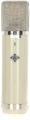
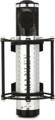
Have you noticed how many clone mics there are on the market? There are lots. Why is that? Let’s look at why so many manufacturers are intent on duplicating designs from the past instead of creating new designs.

What is a microphone clone?
What is a clone, exactly? Technically, a clone is an organism that is an exact genetic copy of the original. In actuality, when it comes to microphones, a clone is a facsimile — a mic that is patterned after another mic that historically has desirable and unique characteristics. Frequently the original vintage mic is one that is no longer in production or is exceedingly expensive. The desirability of these vintage mics results in high demand, which in turn causes extremely high prices. In the case of classic vintage mics that haven’t been manufactured in decades, the prices can be astronomical. Every recording engineer/producer knows the names of these collectible classics, whether they’ve worked with one or not: Neumann U 47, Neumann U 67, AKG C 12, Telefunken ELA M 251, RCA 44, and others.

Why clones?
What is the reason that we have so many clones on the market? There are two fundamental reasons: sound and sales.
There’s a certain magic about those mics that were used on classic famous recordings from the golden era of popular music and rock and roll. Is it something that is absolutely elusive, or just an imaginary quality that makes them so desirable? Whether you could pick out a vintage mic from a new one with your eyes closed doesn’t matter. The panache of having a mic just like one that Frank Sinatra or Elvis Presley sang on is undeniable. But the sound of those mics and their ability to impart some audio voodoo is equally undeniable. So we pursue the originals, regardless of price, and if the price becomes too high, we pursue something that sounds like the original. I personally own a Bock Audio 251, and regardless of the number that is etched on the mic, it is one of my all-time favorite vocal mics. Does it sound exactly like a vintage Telefunken 251? I honestly don’t care because it sounds great. I’ve put it up against vintage 251s, and it’s close enough that I could be happy recording on either.
Since the supply of vintage mics is absolutely fixed, the increased demand for these mics drastically inflates resale prices on the used market, with some vintage mics reaching the $15,000 to $20,000 range. And when mics reach the point where most people can no longer afford them, mic makers look eagerly at satisfying that demand with either pristine or less expensive re-creations, or sometimes even “new, improved” versions. The appeal of selling to hundreds of customers who want a copy of a C 12 or a U 47 is too great to deny. So they build reasonable facsimiles. Some clones are absolutely spot-on, and some are adequate.

Are some clones better than others?
There are generally three reasons imitations of vintage mics are being built.
1) To faithfully re-create an original that is no longer in production.
Two examples of this are Wes Dooley’s AEA (Audio Engineering Associates) and Telefunken Elektroakustik. These two companies’ reissues are stunning re-creations of RCA ribbon mics and Telefunken, Neumann, and AKG classics respectively. They are tributes to the craftsmanship of the originals and are also incredible tools.

2) To modify or enhance the functionality and sound of the originals.
Bock Audio’s iFet and Manley’s Reference Silver mics both come to mind. The iFet is patterned, both physically and sonically, after the U 47 FET but adds two voicing options, I (original) and V (voice) for extra flexibility. Manley’s Reference Silver utilizes a capsule design based on the 1950s Sony C-37A, which has long been out of production. In addition to these, the sE Electronics sE4400a multi-pattern LDC is a tribute to the original C 414 with additional pattern options.

3) To offer similar functionality and sound at a lower price.
Companies such as Warm Audio and Avantone Pro are making clones of classic designs that mimic not only the look but also the sound of vintage originals at a fraction of the price. Utilizing lower labor costs from overseas production and the economy of scale, these very useful mics come close to the originals in terms of functionality and tone. Examples are the Warm Audio WA-87 and the Avantone Pro CV-12.

Is there another reason to buy a clone?
Sometimes the lack of available originals drives an engineer to buy a clone. Sometimes it’s the price of originals that is prohibitive and encourages a clone purchase instead. But there’s another reason: reliability. If you’ve ever owned a vintage car, you understand that things break — and old things break more often. A huge advantage of buying a newer version of a vintage mic is that you likely can put off repairs for years, possibly decades. Routine factors that compromise reliability, such as worn cables, worn-out switches, and dried-out capacitors, are nonissues with brand-new mics, and that can be a huge advantage.
Whether you have $500 or $10,000 to spend on a mic, there are lots of options, and many of them are clones of past designs. There have never been so many fine mics available at such reasonable prices. Whether you need a mic that pays tribute to a legacy design of the past or is a completely new design, Sweetwater has a host of options to meet your needs. Call a Sweetwater Sales Engineer at (800) 222-4700 to find the right mic for you. And you can check out the Sweetwater Vocal Mic Shootout to listen to 50 mics side by side.
Can You Tell the Difference Between a Vintage Mic and New Mic?
Listen to these vintage classics alongside their modern Telefunken Elektroakustic counterparts and see how much difference you hear.