

Four microphone companies dominate the landscape of audio. While Shure and Neumann hearken back to the late 1920s, Sennheiser and AKG were both founded in the struggles of post-WWII Europe, and both made significant contributions to audio.
These core microphone manufacturers all have magisterial products that are responsible for building their brands. The AKG C414 is the best-known condenser microphone from the iconic company, but the pathway of its development is a little bit complicated. Today, to celebrate April 14, we are going to investigate that journey.
Perhaps no other microphone engenders more disagreement from audio engineers. It is “too bright” or “too dark.” It is perfect for vocals or overheads or only usable on a guitar cabinet. How can these seemingly contradictory statements all be true? That requires a bit of explanation, since the C414 has gone through a lot of changes over its 50-year life span.

The Golden Age
To begin with, we need to look back to the great-great-grandfather of the C414, the legendary AKG C12, which was launched in the 1950s. The C12 featured an extended high-frequency response without sounding strident and was based on a full-sized tube (the 12AY7/6072). It was quite literally a magic microphone for vocals and was also made as an OEM version for Telefunken, the ELAM 251.

Figure 1: The AKG C12, truly a drool-worthy microphone.
Unfortunately, at over 10 inches in length, the C12 was perfect in the recording studio, but not such a great choice on TV, where audio engineers were trying to keep the microphone from being the center of attention. In the ’60s, AKG launched the more svelte C12A, which featured the distinctive diamond-shaped silhouette that would mark this line for the next 60 years.
The C12A used a miniature tube along with the smaller transformer that the C12 had eventually transitioned to (the T14/1) and managed to trim about 25% off the length. It shared the original CK12 brass-mounted element, so it had most of the same tonal magic as the C12, but its stand mount with connected cable was a potential point of failure. The C12B primarily added a pad switch because the C12A could be prone to overloads. It also went to a plastic body design, which could cause some issues with inducted hum.
The immediate ancestor to the C414, the C412, was launched in the late ’60s. It did away with the tube as the series transitioned to a FET-based (Field Effect Transistor) design and moved the pad and polar-pattern controls to the body of the microphone for easier access. This microphone only featured three polar patterns (omni, cardioid, and figure-8), which many engineers felt to be insufficient.
To address this, the original C414 was brought to market in 1971. It featured the CK12 capsule and the electrical design of the C412 but added a hypercardioid pickup pattern. It launched in two versions, featuring a DIN connector or a Cannon style (today’s standard XLR), but it still used the stand adapter with the connected cable from the C12A.
Modern Shape, Vintage Elements
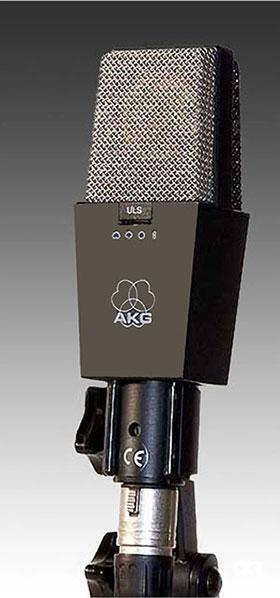
Figure 2: The C414B-ULS — matte body and the last chance to have a 414 with a transformer.
The C414 EB came to market about five years later and finally did away with the integrated stand mount in favor of a built-in XLR connector. This did away with a potential failure point, and the microphone was a huge success for AKG. It also added a 2-position pad switch (-10 and -20) and a 3-position low roll-off switch.
However, at some point in the production, AKG replaced the CK12 element. It had wonderful sound characteristics, but with over 120 parts, it was massively complicated and labor intensive to build. Inexplicably, AKG did not amend the model number of the microphone but merely began using the nylon 2072-Z-0005 elements. This element was darker in character and would continue to be the only element used in the C414 for the next 20 years.
The only way to determine which element is in the microphone is to take it apart and look. Because of the ongoing popularity of the C414, two different pools of microphones existed in the marketplace for people to make sonic judgments about, which has caused some confusion and more than a few arguments!
In 1980, AKG made a simple tweak to the C414 to standardize its powering scheme for fixed 48-volt rather than variable phantom power, and this mic was given the P48 suffix. It is also at this point that AKG moved away from the silver body color on the microphone to a matte black color. It featured a slightly higher sensitivity and impedance but was mainly similar to the later C414 EB versions.
In the mid ’80s, AKG brought out the C414B-ULS (Ultra Linear Series), which featured an electronics redesign that lowered the noise floor. Later that decade, the transformer was removed from the C414 and replaced with an electronic balancing circuit, giving the microphone a slightly higher SPL handling capability. This short-lived version was labeled the C414-TL.
Looking to the Past
Now is when you need to start paying close attention: In the early ’90s, AKG brought out a new version, the C414B-TLII, with a new element, the 2072-Z-0009, designed to emulate the frequency characteristics of the CK12. This element generates a bump in the high end to try to recapture some of the magic of the C12. AKG marketed this as a microphone focused on vocals, and it also represents the transition to a gold grille screen. Figure 3 presents a comparison of the frequency response for the ULS and TLII in cardioid patterns.
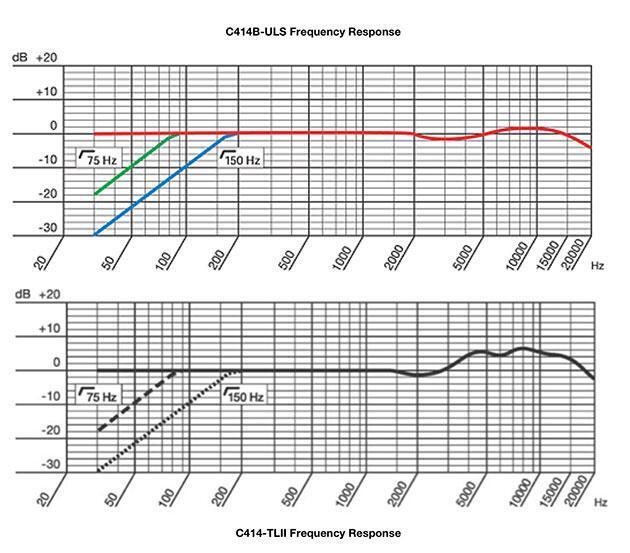
Figure 3: Can you see a difference? More importantly, you CAN hear a difference!
Of course, over 20 years engineers had gotten used to the subtly darker character of the 414 since the element changed sometime in the C414 EB’s life span. Suddenly, people who made an assumption based on the shape of the microphone are complaining that the C414 is brash and too bright. This is likely an exaggeration, but in most instances there is a difference in sound that is not clearly indicated by the marketing.
Modern Day
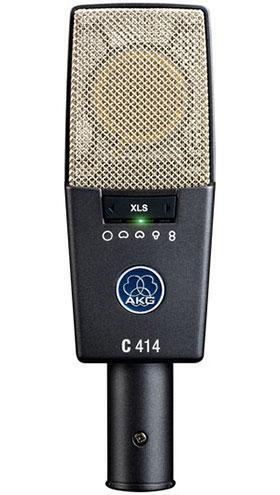
Figure 4: A modern C414XLS with the more rounded edges and nine patterns.
In the mid 2000s, possibly in response to this confusion, AKG officially split the 414 into two lines, with the C414B-XLII attempting to trace its lineage back to the CK12-based microphones and the C414B-XLS owing more tonally to the C414B-ULS. AKG also added a mid-line soft cardioid polar pattern to bring the polar count to five patterns. The cosmetics were upgraded slightly with more rounded corners. At this point, the important thing to remember is that a gold grille is going to get you that lift in the 4–10k range. A silver grille is going to get you a more neutral response.
In 2009, the B in the model numbers finally proved to be vestigial, and the bifurcated models became the C414XLII and C414XLS. Of course, AKG added four more polar patterns to make up for losing the Bs, creating a total of nine polar patterns in these microphones, so it was a fair trade.
Given that we have covered 11 different microphones that carry the C414 moniker, it is easy to see why some confusion and differences of opinion have arisen as to the tonal characteristics of the C414.
Some good general rules of thumb on the 414:
- If you stumble across one with a silver body at an estate sale — buy it. It might have a CK12 inside, and it is probably worth more than they are asking.
- Older versions will typically handle less SPL than newer versions.
- Sing into the side with the polar-pattern switch on it — or the engineer will make fun of you.
- If a C414 has a gold grille, it has the newer element in it and also has the elevated high-frequency response.
- If you come across a black body C414 without the rounded edges, it is at least 16 years old, and it could be closer to 30 years old.
The C414 has been a studio staple for over 50 years because it is an exceptional microphone. While some of the variations may be slightly better suited to one application or another, they are all wonderful microphones that can help bring out the subtlety and character of your music.
If you need a little help finding the right C414 (or C314…or C214) for your application, give your Sweetwater Sales Engineer a call at (800) 222-4700.