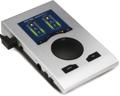
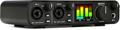
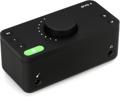
No matter what kind of studio you have — a one-person recording setup or a multiroom professional facility — you need an audio interface. And there’s never been a better time to buy. Modern interfaces offer features and sound quality that were unattainable in past decades, and they don’t require a major financial investment to get your foot in the door. So, which audio interface is the best for you? Well, it really comes down to how many inputs/outputs you need and which features matter to you the most.
What Is an Audio Interface and Why Do You Need One?
Before we dive into which audio interface is best for you, we should first explain what an audio interface is as well as why you need one. Simply put, an audio interface is a hardware unit that enables you to connect microphones, studio monitors, and other gear to your computer. Though the configuration varies from model to model, audio interfaces include an array of line-level analog connections, microphone inputs, and digital connections. Audio interfaces connect to your computer via one of its peripheral ports (Thunderbolt, USB, etc.). Audio interfaces offer a significant sonic and performative upgrade over your computer’s built-in sound card, which likely suffers from consumer-grade analog inputs and outputs, subpar sound quality, and distracting levels of latency.
To learn more, check out Sweetwater’s Audio Interface Buying Guide.
Choosing the Correct I/O Configuration
Determining how many inputs and outputs you’ll need is one of the most important aspects of selecting the best audio interface for you. Ask yourself these questions: Are you going to be recording one instrument at a time? A vocal and an instrument simultaneously? Do you want to capture an entire drum kit? A full band? Do you need microphone preamps? How many pairs of studio monitors do you have? How many headphone feeds are you going to use at once? Are you going to integrate external hardware into your tracking or mixing workflow? Answering these questions will provide you with a great starting point. Here are some great interfaces depending on what your specific needs are.
Solo Act
If you’re a solo performer recording yourself one track at a time, then you can get by with an audio interface with a limited number of inputs. If you’re recording vocals without an external microphone preamp, then you’ll want an interface with at least one built-in preamp. Likewise, if you’re recording a DI-ed instrument, then you’ll want to be sure that the interface has an instrument input. You’ll also need a headphone output. Buying an interface with one to four input channels is a great choice for solo acts — they’re simple, and you won’t be paying for channels you won’t use. Here are some great interface options for a solo act.
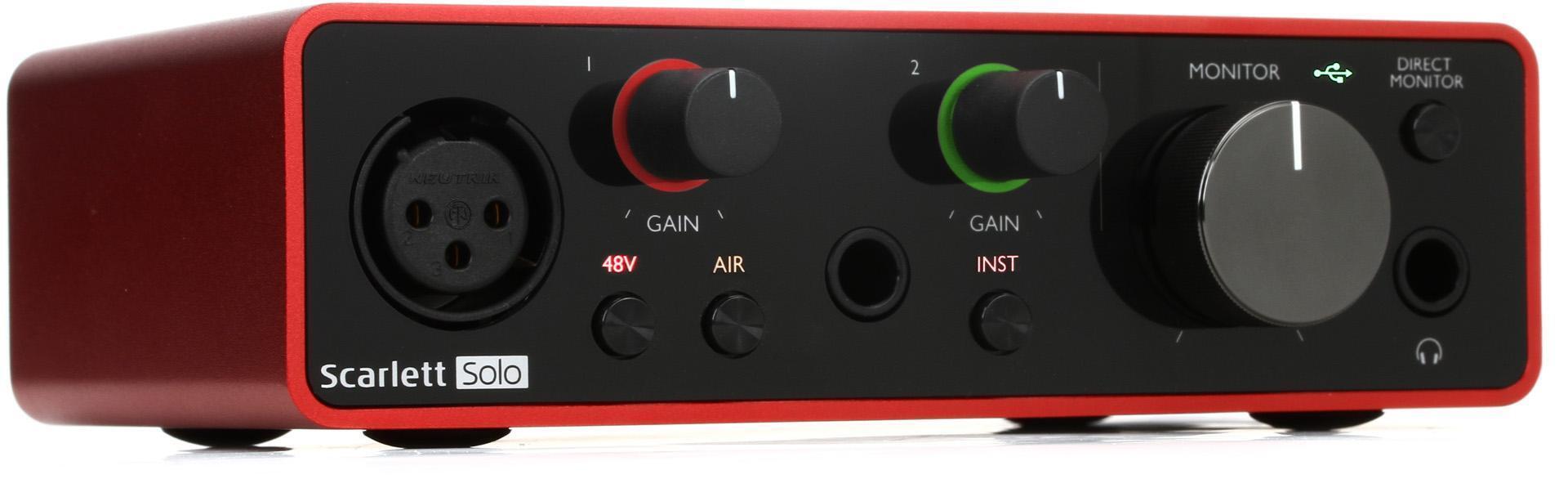
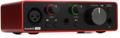
Focusrite Scarlett Solo 3rd Gen USB Audio Interface
Learn More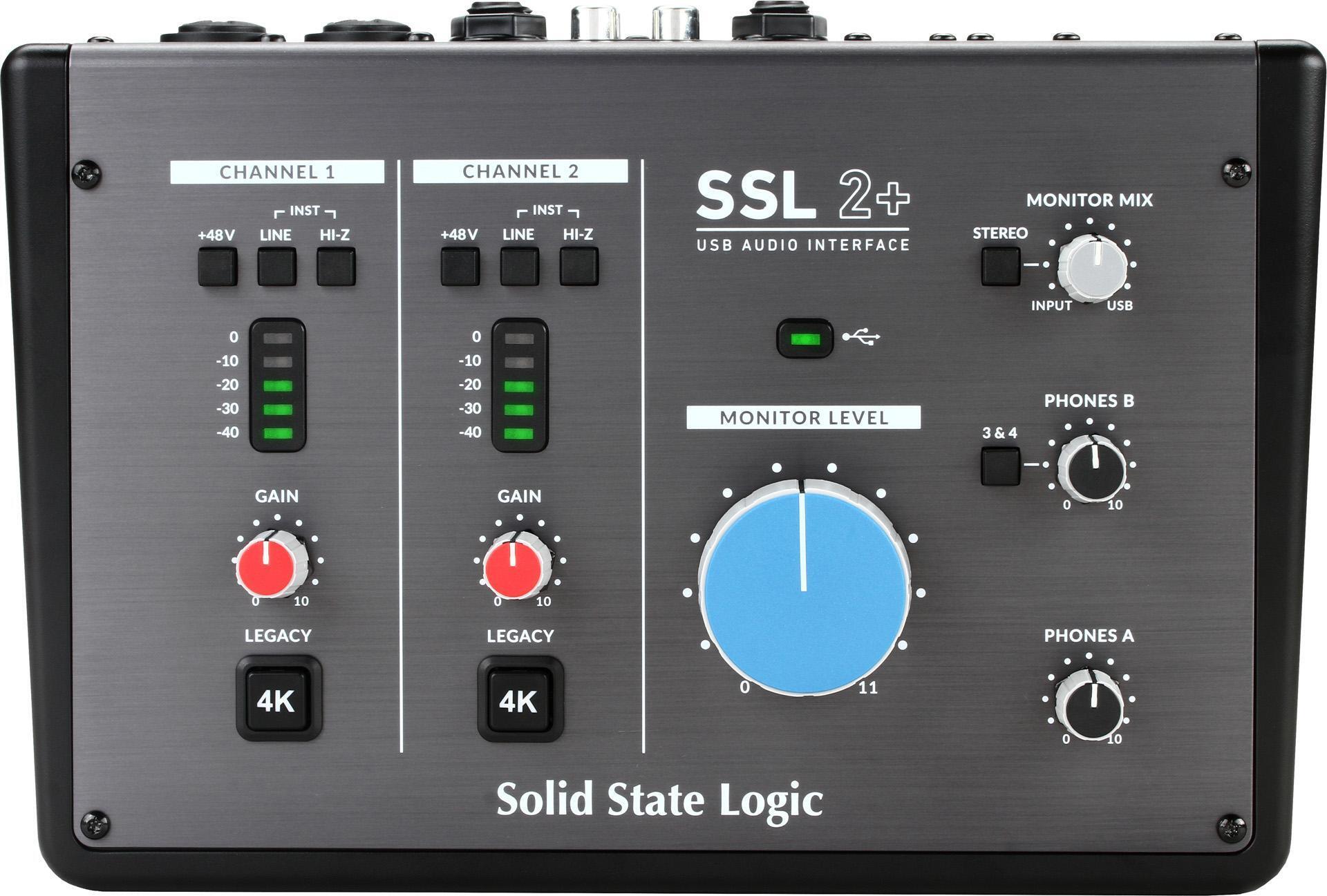
Solid State Logic SSL2+ USB Audio Interface
Learn More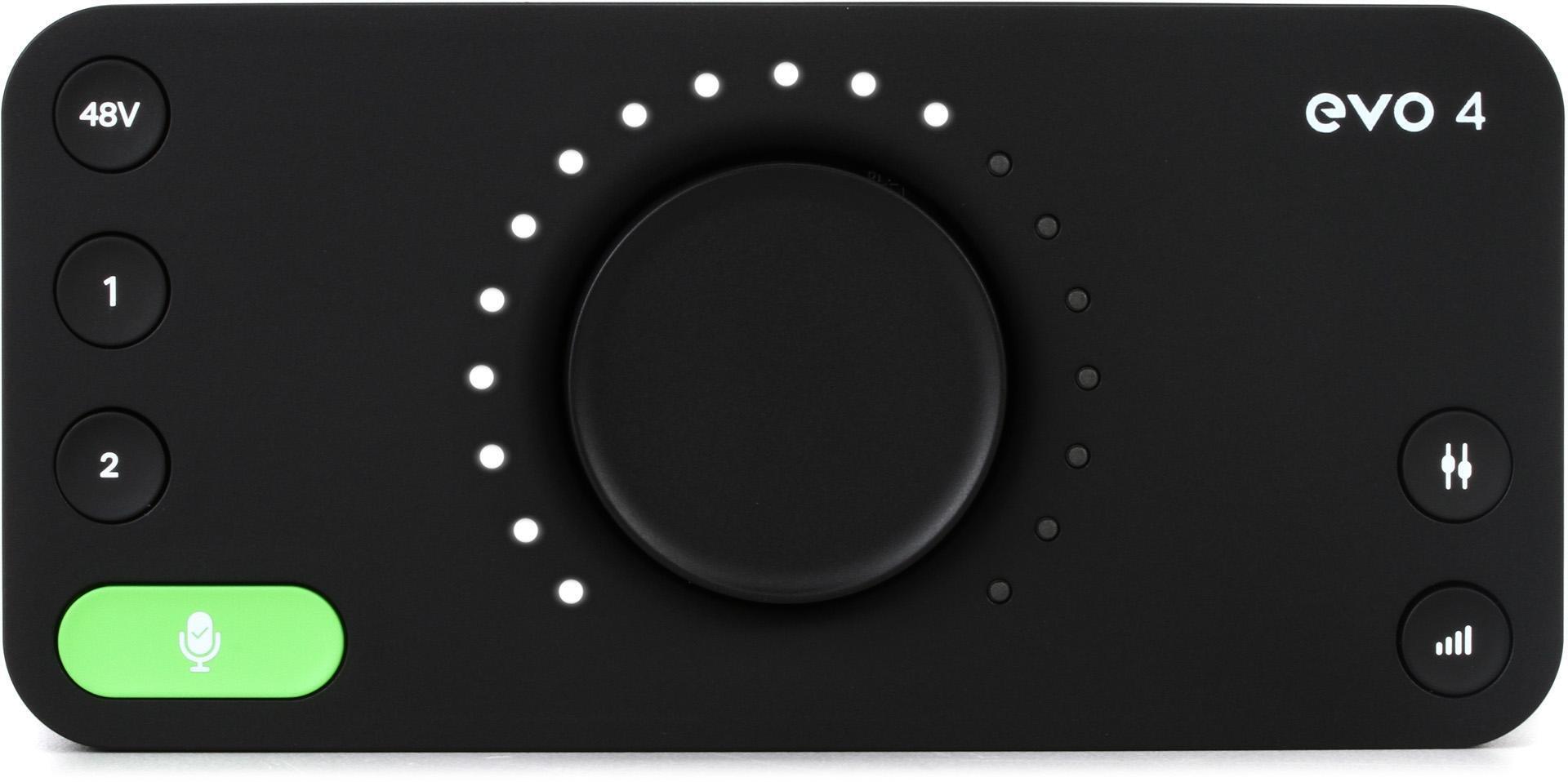
Audient EVO 4 USB Audio Interface
Learn More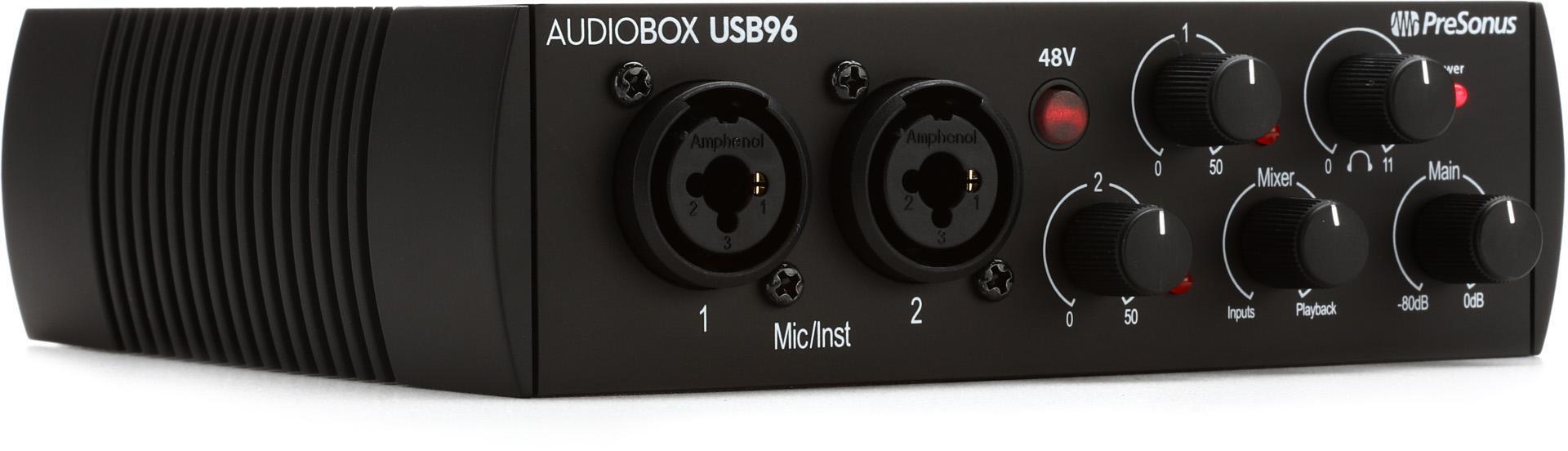
PreSonus AudioBox USB 96 USB Audio Interface – 25th Anniversary Edition
Learn More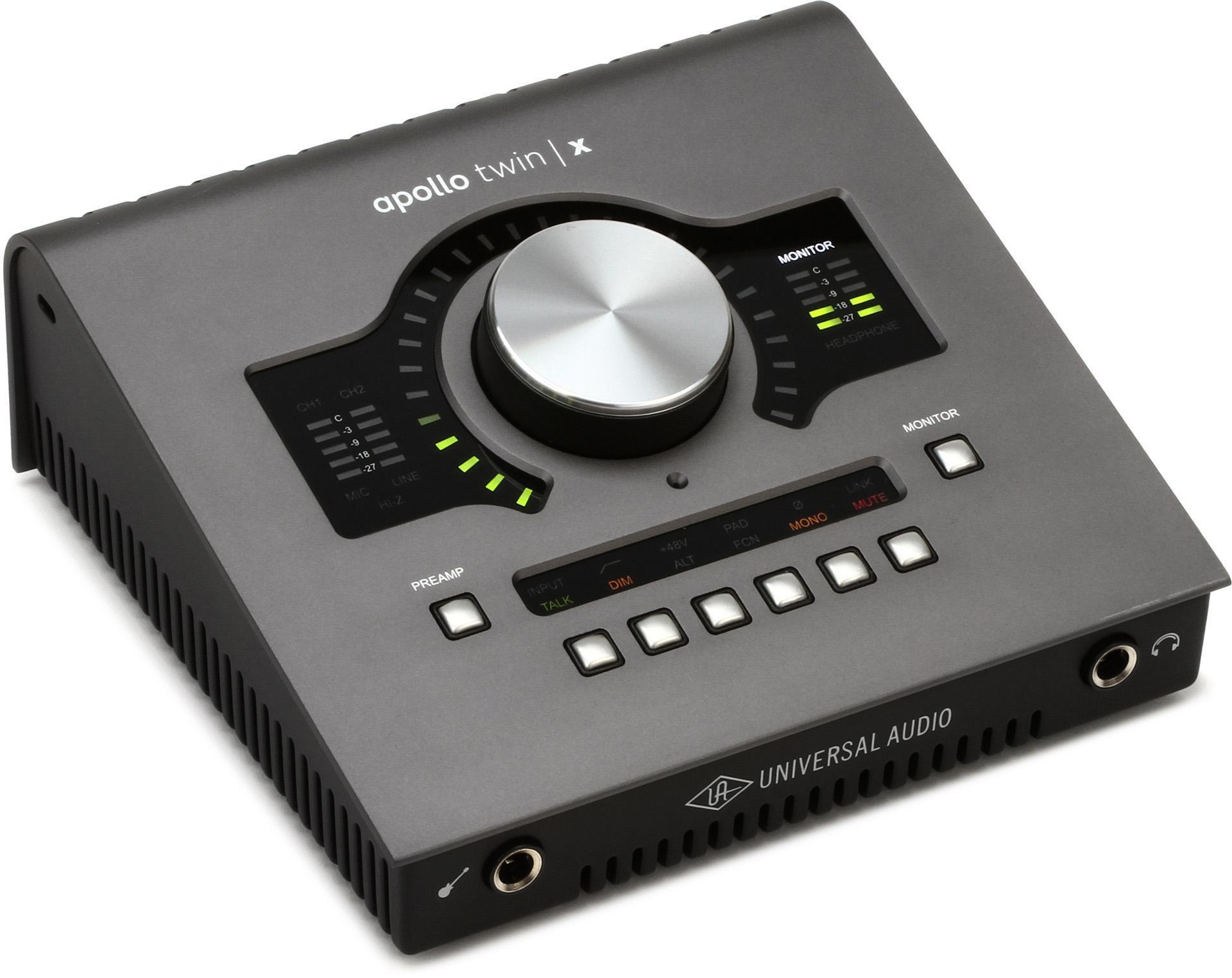
Universal Audio Apollo Twin X DUO Heritage Edition 10×6 Thunderbolt Audio Interface with UAD DSP
Learn More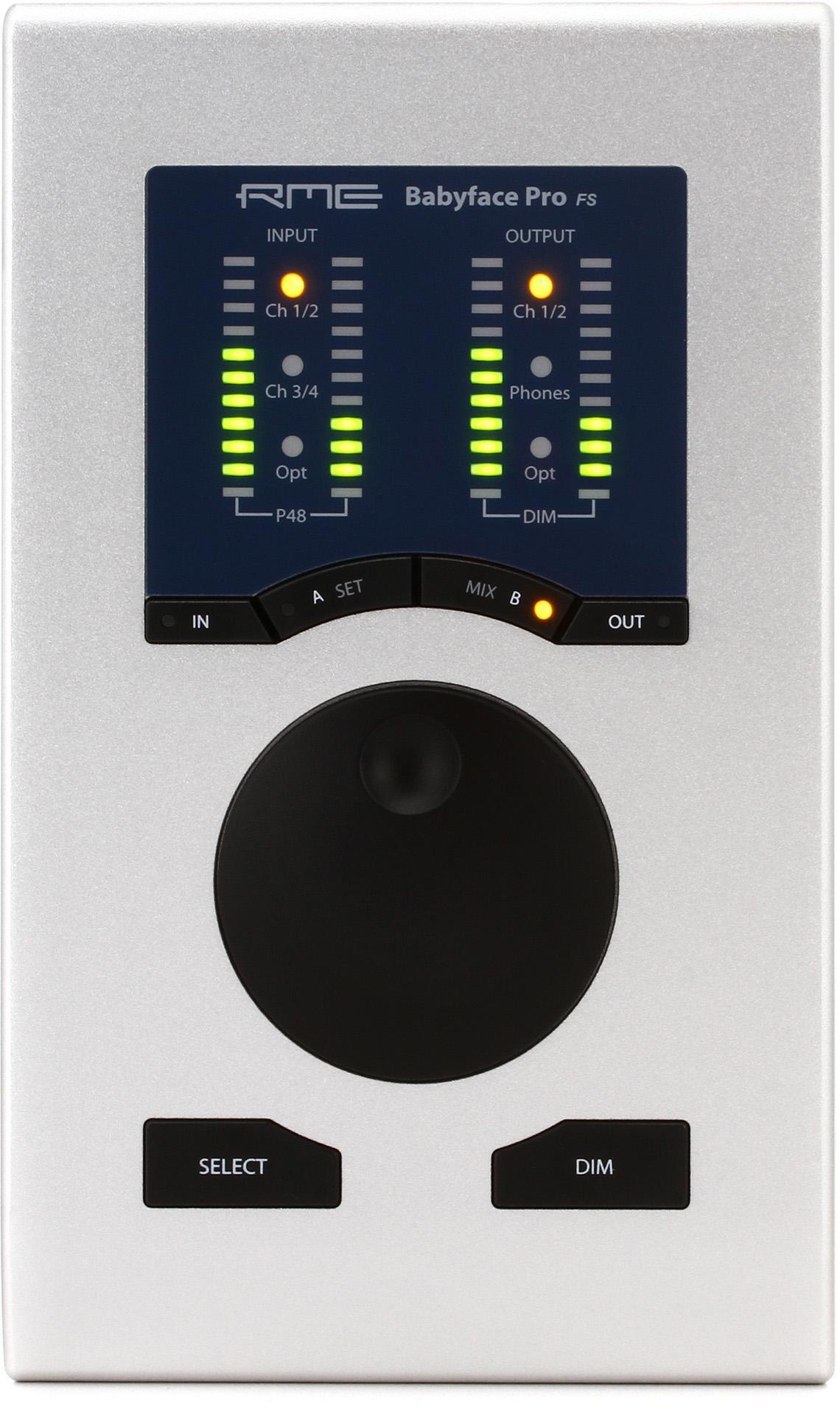
RME Babyface Pro FS 24-channel USB Audio Interface
Learn More
MOTU M2 2×2 USB-C Audio Interface
Learn More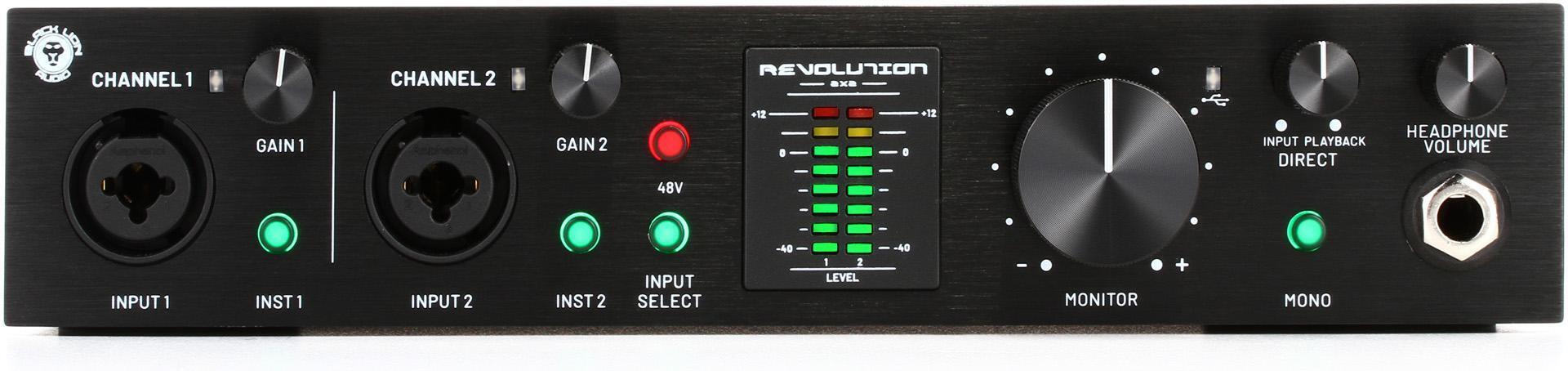
Black Lion Audio Revolution 2×2 USB Audio Interface
Learn More
Duet or Small Band
If you’re going to record yourself singing and playing an instrument at the same time, then you’ll want an audio interface with at least two inputs. You’ll also want at least two onboard microphone preamps if you’re not using external preamps. These interfaces listed below are also great for duets or small bands. Bands will need to perform overdubs, of course, and you won’t be able to individually mic drum-kit elements. That said, an interface with two to four channels is an excellent, cost-effective way to craft a solid multitrack recording. Here are some great interface options for a duet or small band.
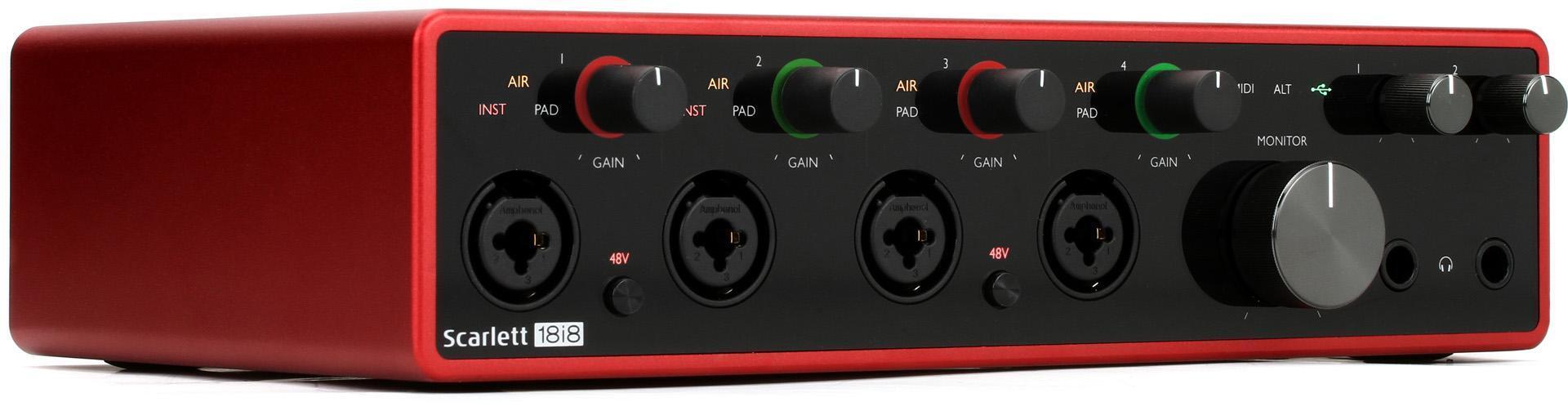
Focusrite Scarlett 18i8 3rd Gen USB Audio Interface
Learn More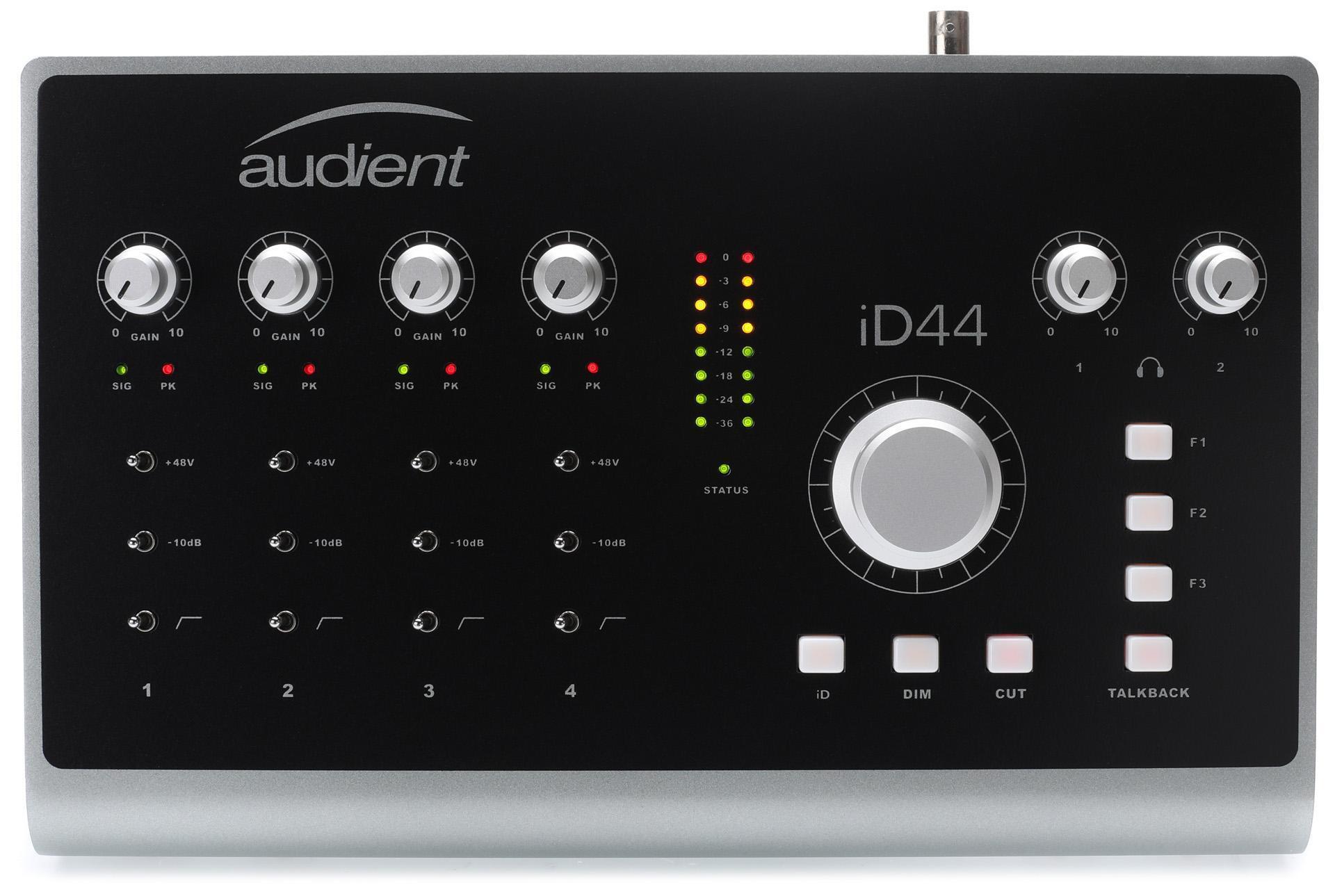
Audient iD44 USB Audio Interface
Learn More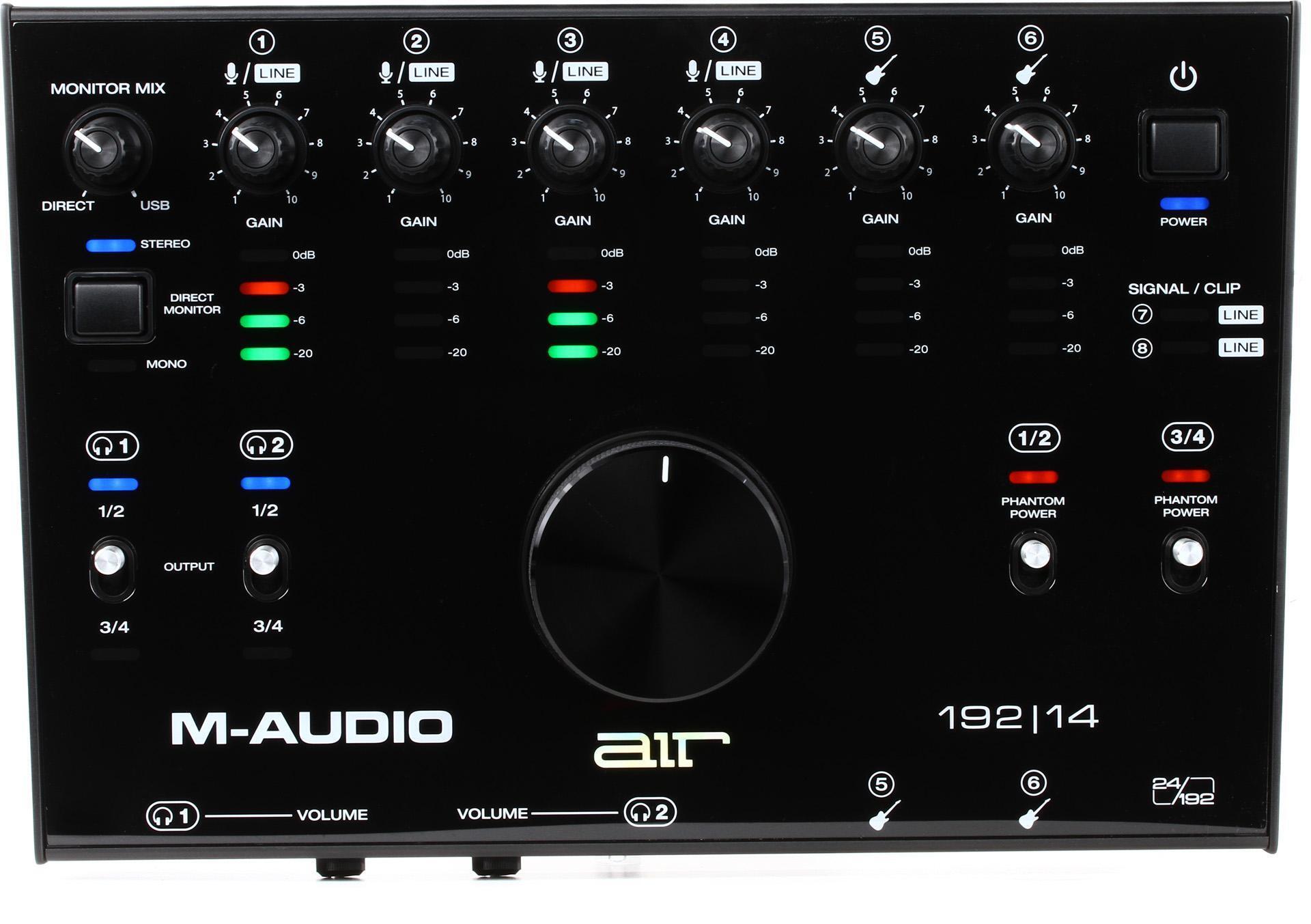
M-Audio AIR 192|14 USB Audio Interface
Learn More
PreSonus Studio 1810c USB-C Audio Interface
Learn More
MOTU UltraLite-mk5 18×22 USB Audio Interface
Learn More
TASCAM Series 208i USB Audio _ MIDI Interface
Learn More
Steinberg UR-RT4 USB Audio Interface with 4 Rupert Neve Transformers
Learn More
RME Fireface UFX+ USB 3.0 & Thunderbolt Audio Interface
Learn More
Medium/Large Bands
For medium/large bands who plan on overdubbing, an interface with eight built-in preamps is a great choice. With one of these interfaces, you can record individually miked drums then track the rest of the band later. Or, if you do want to record the entire band at once, you can choose an audio interface with an ADAT input and invest in an 8-channel microphone preamp with an optical output.

Focusrite Scarlett 18i20 3rd Gen USB Audio Interface
Learn More
Universal Audio Apollo x8 Heritage Edition 18 x 24 Thunderbolt 3 Audio Interface with UAD DSP
Learn More
PreSonus Studio 1824c USB-C Audio Interface
Learn More
TASCAM US-16×08 USB Audio Interface
Learn More
Arturia AudioFuse 8Pre USB Audio Interface
Learn More
MOTU 8pre-es 24×28 Thunderbolt Audio Interface
Learn More
Professional Studios
Professional-level studios require the maximum amount of simultaneous I/O — enough to record a full band all at once, including drums, plus a whole lot more. Needing to accommodate a full orchestra isn’t outside the realm of possibility for a professional facility either. Pro-quality interfaces will either include eight high-quality microphone preamps or vaunt enough inputs to accommodate an analog console or multiple racks of preamps. You can also expect top-shelf A/D and D/A conversion.

Focusrite Red 8Pre
Learn More
Universal Audio Apollo x8p Heritage Edition 16 x 22 Thunderbolt 3 Audio Interface with UAD DSP
Learn More
Lynx Aurora (n) 16-TB3 16-channel AD_DA Converter with Thunderbolt 3 Interface
Learn More
Burl Audio B16-BMB4-4X4 Mothership Bundle with Monitor Control – SoundGrid
Learn More
Apogee Symphony I_O Mk II 8×8 – Thunderbolt
Learn More
Avid Pro Tools Carbon Hybrid Audio Production System
Learn More
Avid MTRX Studio
Learn More
With such a wide variety of features and prices, Sweetwater has the audio interface that will work best for your needs. Need some help deciding which is right for you? Call your Sweetwater Sales Engineer at (800) 222-4700 to get started!
Check out these other Sweetwater articles to help inform your decision:
- 2021 Best Audio Interfaces for Your Home Studio
- Best Audio Interfaces for Guitar
- 9 Best Audio Interfaces Under $500 Shootout – Take a Listen!
- Best Audio Interfaces for Podcasting
- 10 Best Small Audio Interfaces Under $300
- Choosing the Best Thunderbolt Audio Interface on Any Budget
- 15 Best USB Audio Interfaces in 2021
- Choosing the Best USB Audio Interface on Any Budget
- 7 Considerations When Choosing an Audio Interface
- 3 Signs It’s Time for a New Audio Interface