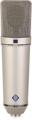
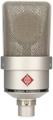
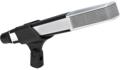
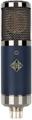
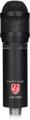
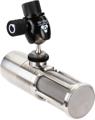
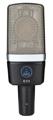
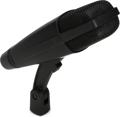
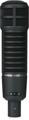
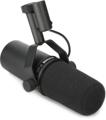
What exactly is a “podcast mic?” Fair question. But first, we need to back up and start with another question: What is a podcast? How does a podcast differ from other audio programs we’ve created in the past?
Here’s the definition of a podcast:
A podcast is an audio program that is available in digital format for automatic or on-demand download over the internet and playable on a computer or other mobile device, typically offered in a series of episodes.
And I liked Steve Pratt’s definition that I found on the internet. Simply put:
“A podcast is an on-demand audio content series – you can listen to it when you want, where you want, and how you want.” — Steve Pratt, Pacific Content, Canada
So, the difference between podcasting and radio is that it’s available on demand. That may be why the number of podcasts has grown so aggressively. Since the first podcast in 2003, the growth has been staggering. According to Podcasthosting.org, as of March 2021, there are over 1,900,000 podcasts and over 47 million episodes.
So, a podcast mic is whichever mic you decide to use for your podcast, no matter what kind of mic it is. And the one thing that every podcast has in common?
It’s the human voice.
That’s the spotlight — the focal point, the calling card. If you want to succeed in the increasingly crowded field of podcasts, then your voice needs to sound its best. And your mic is the single most critical element to making that happen. Notice that I didn’t say the “most expensive” mic. You can spend $4,000 for a classic radio mic, or you might sound just as good on a sub-$100 mic.
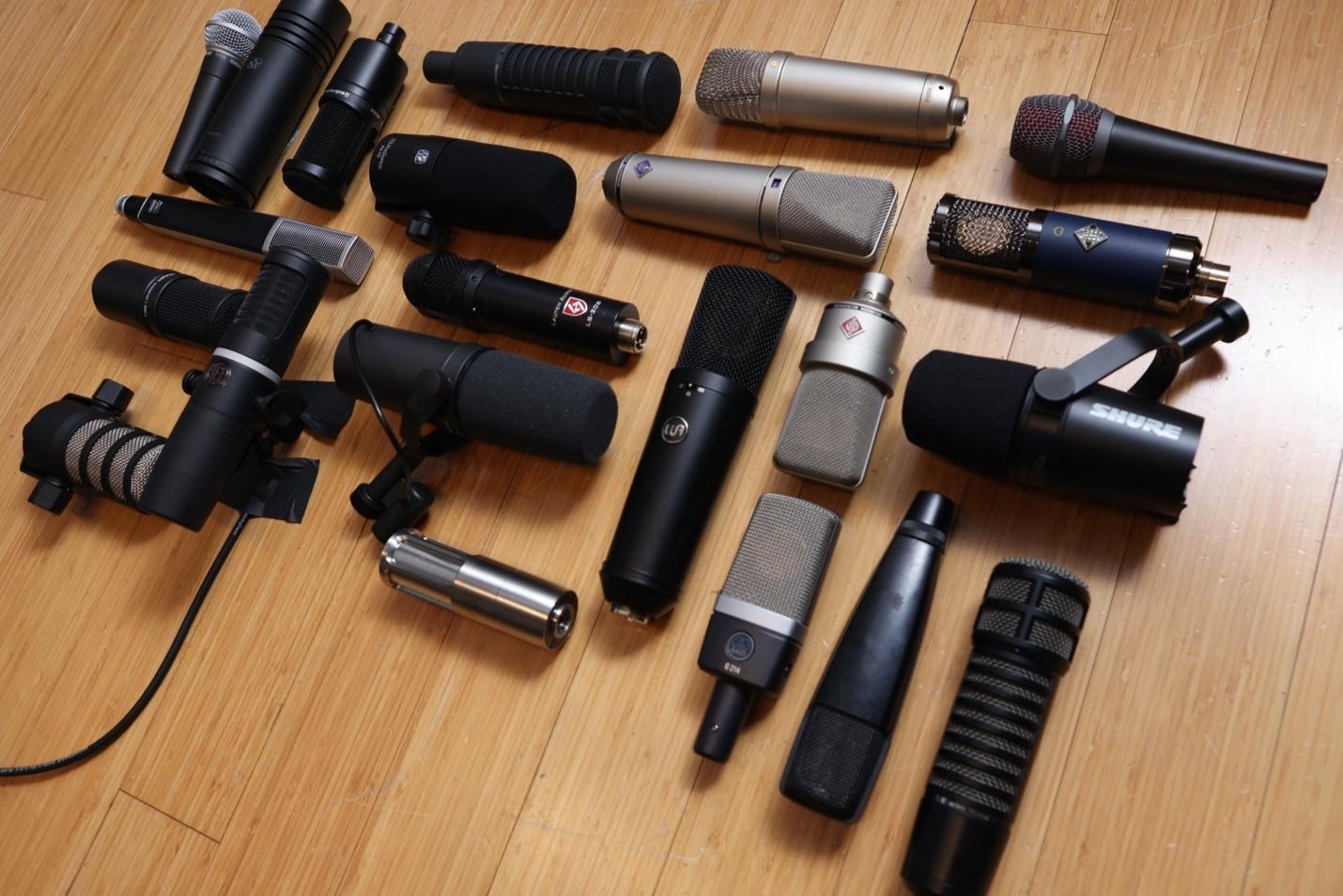
To help demonstrate the sonic options, I collected a host of typical podcasting mics, set them up, and had Mitch Gallagher and Krystle Quiñones read into them so you can hear them. I’ll cover the technical details later, but first, let’s listen.
Take a Listen
Here are the mics we auditioned (in alphabetical order) on male and female voice, grouped by type:
Male Voice

Dynamic Mics
Condenser Mics
Ribbon Mic
Female Voice

Dynamic Mics
Condenser Mics
Ribbon Mic
Does Distance from the Mic Affect the Sound?
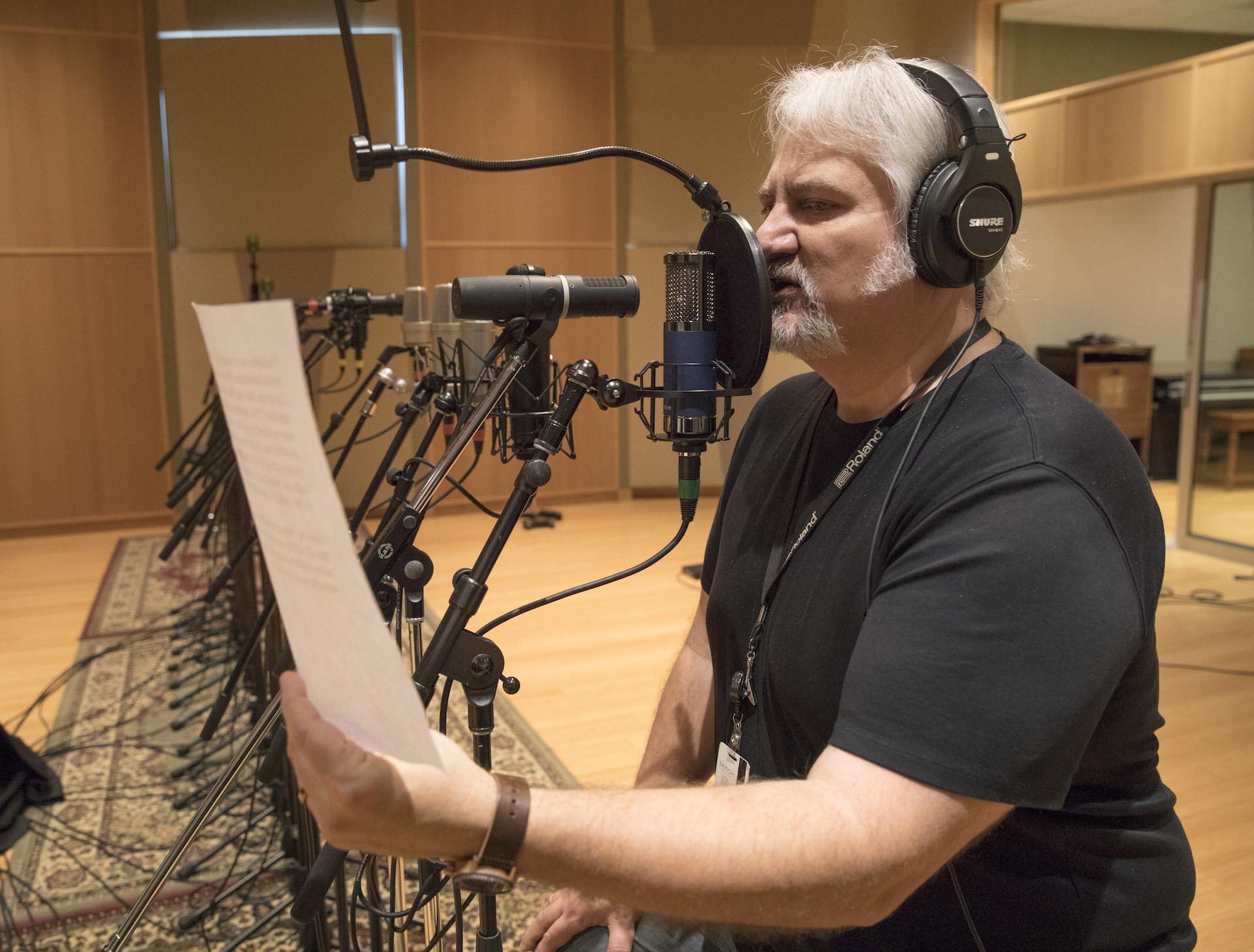
Yes, moving closer or farther away has a huge effect. It’s called “proximity effect,” and it means that low frequencies are boosted when you get closer to the mic (on certain microphones). How much effect does that have on the sound? It can be pretty drastic — enough to make a good mic sound bad if you’re too close. Yeah, it’s that important. To demonstrate this, Mitch read the same copy into the Telefunken TF11 mic from four different distances. Take a listen to how much difference it makes in the sound. You’ll hear the low-frequency part of his voice go from exaggerated to minimized as he moves away from the mic.
How We Did It
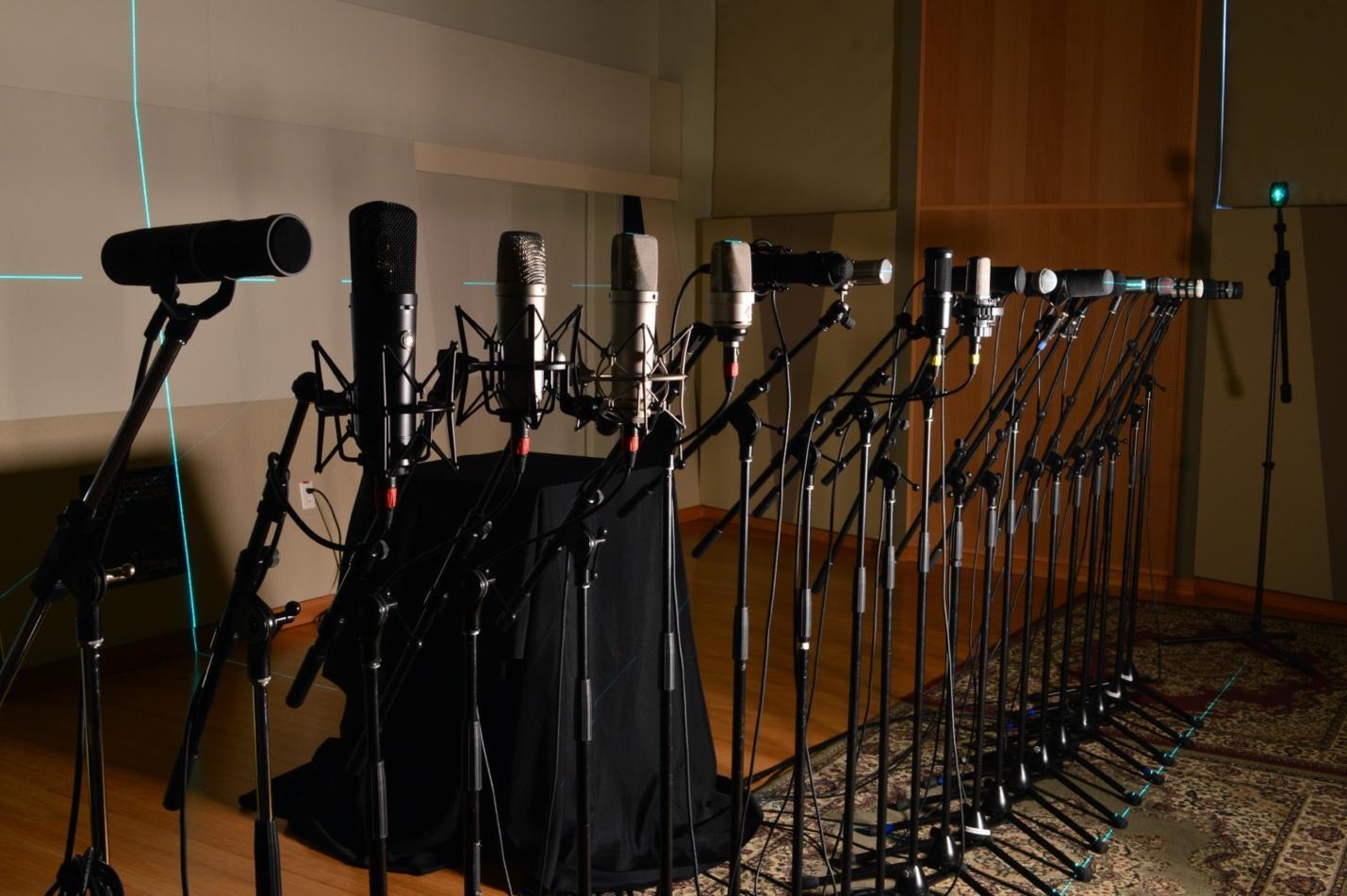
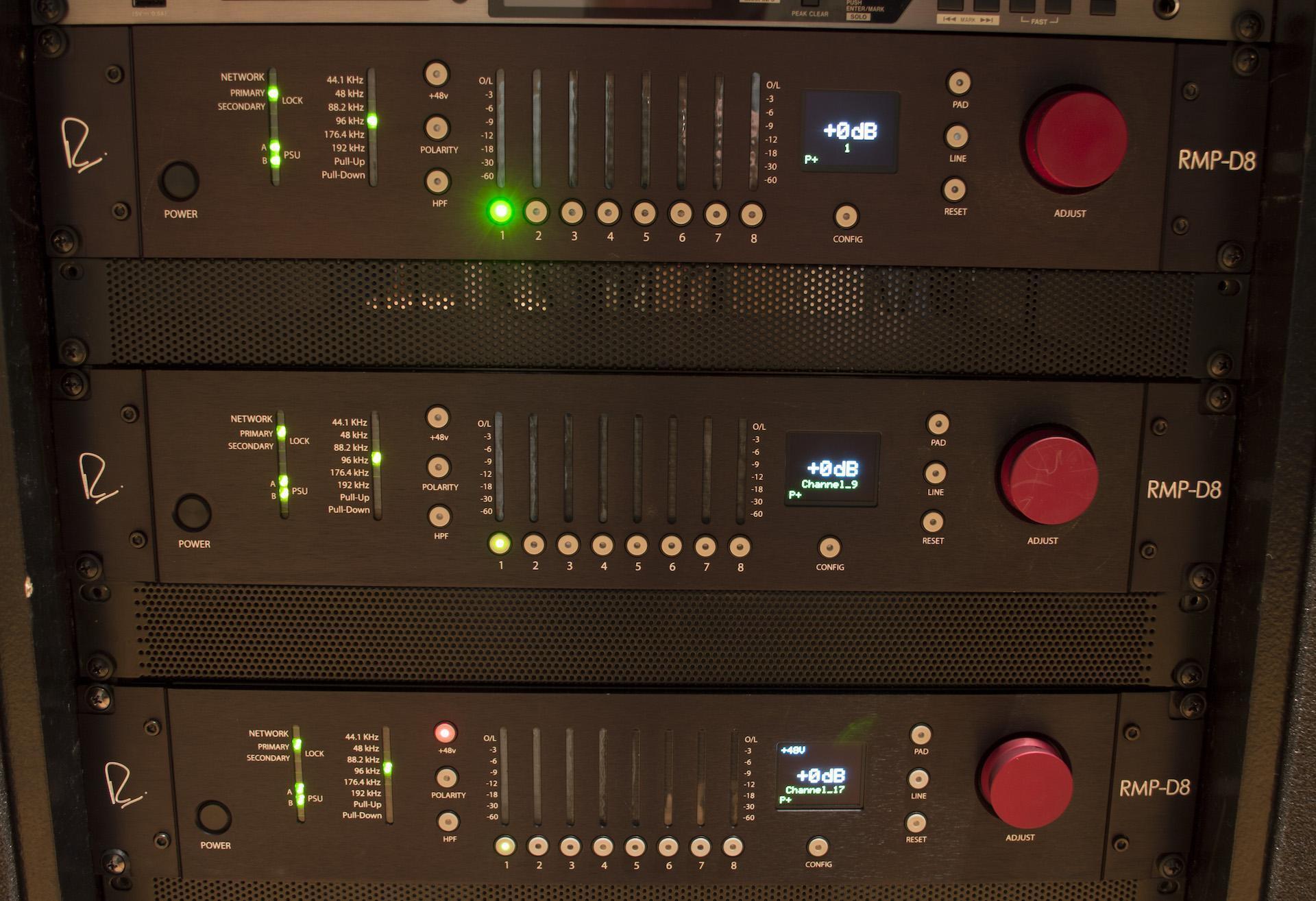
Start with 22 mic stands all in a row. Add 22 microphones. Patch all 22 into awesome Rupert Neve Designs RMP-D8 8-channel Dante mic preamps (x3). Use lasers to match the vertical height of the mics (laser pass 1) and then align them all in the horizontal plane so all the diaphragms are in a straight line (laser pass 2). Use a 1kHz tone through an Auratone 5C Super Sound Cube monitor with the matching A2-30 power amp to set the preamp gain and to match the output levels from the mics. Record all the vocals into Pro Tools through Avid MTRX converters. Easy.
Conclusion
I hope hearing these helped you understand how much difference a mic makes. If you’re like me, then you may recognize the sound of some of these mics. (Someone said, “Hey, that sounds like National Public Radio!”) If you need help deciding which mic is best for you, then give your Sales Engineer a call at (800) 222-4700. They’ll gladly help you pick the right mic that will make your podcast vocal shine.
Credits
Thanks to Shawn Dealey for engineering in Sweetwater Studio A, to Rachel Leonard for assisting, and to interns Alex Kerns and Jesse Elkins for setting up stands and mics and boxing/unboxing dozens of mics.