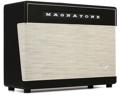
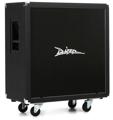
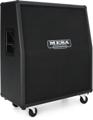
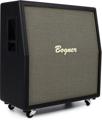
A Celestion Greenback speaker sounds like… a Celestion Greenback, right? But what does it sound like if you take that same Greenback and put it in a different cabinet? Does it sound the same or different? What about a Vintage 30? Or a Creamback? And what if you put the same speaker in a bigger cab? Or put it in a 2×12″ or a 4×12″ configuration? How much of a difference does the cabinet make in the sound of a speaker?
That’s what we wanted to find out; and the results may surprise you.
How Could We Possibly Do This?!?
The conversation started like this:
“Let’s grab a few cabinets and see how different they sound. Wait. Should we do just 4x12s? Or should we add 2x12s and 1x12s?
Yes!! Let’s listen to all of them.”
Sounds crazy right? To anybody other than guitarists, it does. When I mentioned this project to guitarists here at Sweetwater, their eyes got big and they wanted to know if they could sit in. “How many cabinets?” they asked. Well, we tried to exercise some self-restraint and just do 10. OK, 12. That’s a nice, round number. But wait — we have more than 12 manufacturers whose cabs we sell; and the thought of only picking one amp per manufacturer was preposterous. “Nah, we have to hear more than one Marshall. And a Boogie. Or two. Plus we have to have a Fender. And a Bogner. And a Friedman…”
On and on it went until we finally arrived at a massive list. (A search of Sweetwater.com for “Guitar Amp Cabinets” yields nearly 300 results. Wow!! That’s a lot of options.) We ultimately whittled the list down to 25 cabinets. That’s almost $24,000 worth of speaker cabs — with a combined weight of over 1,600 pounds.
The Guitar Cabinets
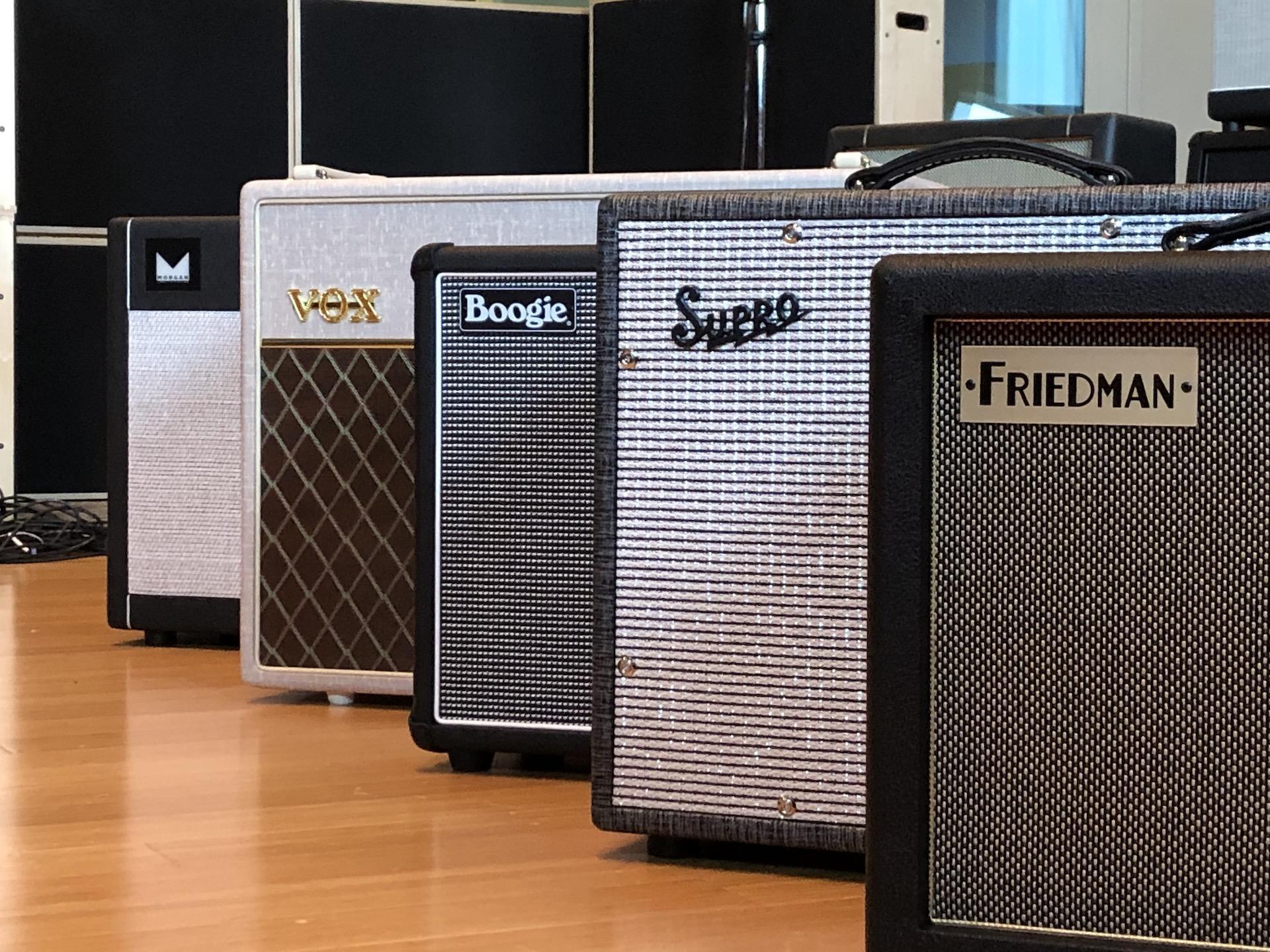
Here’s the list of cabs that we chose to audition:
- Marshall 1960A 300-watt 4×12″
- Marshall 1960AX 100-watt 4×12″
- Marshall MG412AG 120-watt 4×12″
- Morgan Amps M412 100-watt 4×12″
- Mesa/Boogie Rectifier Standard 240-watt 4×12″
- Mesa/Boogie Rectifier Traditional 240-watt 4×12″
- Friedman 412/15 Checkered 260-watt 2×12″ and 2×15″
- EVH 5150IIIS EL34 412ST 100-watt 4×12″
- Bogner 412SL Helios 100-watt 4×12″
- Diezel 412 FV 240-watt Front-loaded 4×12″
- Lerxst Omega 100-watt 4×12″
- Marshall SV212 Studio Vintage 140-watt 2×12″
- Mesa/Boogie Fillmore 2×12 – 27″ 2×12″
- PRS J-MOD John Mayer Signature 2×12″
- Orange PPC212 – 120-watt 2×12″
- Vox V212HWX 30-watt 2×12″ Handwired
- Dr. Z Z-Best 2×12″
- Magnatone Master Collection 2×12″
- Hughes & Kettner TubeMeister 212 120-watt 2×12″
- Blackstar Silverline – 2×12″
- Dr. Z Z 1×12″
- Fender Hot Rod Deluxe 112 80-watt 1×12″
- Friedman Runt 112 65-watt 1x12″
- Morgan Amps 112 – 50-watt 1×12″
- Supro 1790C Celestion Alnico Cream 90-watt 1×12″
What to Listen For
Listen to the midrange; that’s where the most obvious differences are, especially in the Dirty and Heavy examples. However, listen to what specifically is happening in the mids. What frequencies are accentuated or cut? In the Clean examples, speaker breakup is more evident. In some cases, that’s speaker efficiency, but it’s also in the design. In the Dirty examples, listen to how the cabinet handles the range of the instrument from low notes to high notes. Is it an even response across the spectrum? The Heavy examples reveal the bottom octave, most obviously how low the cabinet goes, but also how loud the low information is and how tight or loose it is. Listen to the initial attack, the differences between chords and single notes, and the way a note or chord sustains in all three examples. All the cabs take a different approach, and they respond differently to different input. Also, listen to the way the cabinet responds in level — does one sound like it’s compressed but another more dynamically reactive?
Take a Listen
How did we set up the listening test? “Very carefully.” But I’m sure you’re eager to listen, so I’ll share the technical details later. We had guitarists Don Carr and Sweetwater Sales Engineer Aaron Smith record performances that we re-amped through a Friedman BE-50 Deluxe to drive all the cabs. The Clean example was played through the Clean channel; the Dirty example, through the BE channel; and the Heavy example, through the HBE channel. All of the amp settings remained consistent from cabinet to cabinet with the exception of changing the ohm load. The 4×12″ cabs are first, then the 2×12″ cabs, and then the 1×12″ cabs.
There are three different sound samples for each cabinet: Clean, Dirty, and Heavy. On four of these cabinets, there are either different types of speakers included in the cabinet or another option, so those have two sets of listening samples. For these samples, you are hearing a combination of Shure SM57 and a Royer R-121 with a little bit of an AEA R88 room mic mixed in. All the levels were matched using RMS values. And there is no processing — just mic to preamp to recorder. Click on the images below to find out more about each amp.
Marshall 1960A
Speakers: G12T-75

Clean
Dirty
Heavy
| Speakers | Wattage | Cabinet Type | Impedance tested |
|---|---|---|---|
| 4 x 12″ | 300W | Closed | 16Ω |
Marshall 1960AX
Speakers: Greenback G12-25

Clean
Dirty
Heavy
| Speakers | Wattage | Cabinet Type | Impedance tested |
|---|---|---|---|
| 4 x 12″ | 100W | Closed | 16Ω |
Marshall MG412AG
Speakers: Celestion G12-412MG

Clean
Dirty
Heavy
| Speakers | Wattage | Cabinet Type | Impedance tested |
|---|---|---|---|
| 4 x 12″ | 120W | Closed | 8Ω |
Morgan Amps M412
Speakers: Greenback

Clean
Dirty
Heavy
| Speakers | Wattage | Cabinet Type | Impedance tested |
|---|---|---|---|
| 4 x 12″ | 100W | Closed | 16Ω |
Mesa/Boogie Rectifier Standard
Speakers: Vintage 30

Clean
Dirty
Heavy
| Speakers | Wattage | Cabinet Type | Impedance tested |
|---|---|---|---|
| 4 x 12″ | 240W | Closed | 8Ω |
Mesa/Boogie Rectifier Traditional
Speakers: Vintage 30

Clean
Dirty
Heavy
| Speakers | Wattage | Cabinet Type | Impedance tested |
|---|---|---|---|
| 4 x 12″ | 240W | Closed | 8Ω |
Friedman 412/15 Checkered
Speakers: GM12H30 12″ (x2) and Celestion Fullback 15″ (x2)

Clean 12″
Dirty 12″
Heavy 12″
Clean 15″
Dirty 15″
Heavy 15″
| Speakers | Wattage | Cabinet Type | Impedance tested |
|---|---|---|---|
| 2 x 12″ + 2 x 15″ | 260W | Closed | 16Ω |
EVH 5150IIIS EL34
Speakers: G12EVH

Clean
Dirty
Heavy
| Speakers | Wattage | Cabinet Type | Impedance tested |
|---|---|---|---|
| 4 x 12″ | 100W | Closed | 16Ω |
Bogner 412SL Helios
Speakers: Vintage 30 (x2) and GB25 (x2)

Clean V30
Dirty V30
Heavy V30
Clean GB25
Dirty GB25
Heavy GB25
| Speakers | Wattage | Cabinet Type | Impedance tested |
|---|---|---|---|
| 4 x 12″ | 100W | Closed | 16Ω |
Diezel 412 FV
Speakers: Vintage 30

Clean
Dirty
Heavy
| Speakers | Wattage | Cabinet Type | Impedance tested |
|---|---|---|---|
| 4 x 12″ | 240W | Closed | 16Ω |
Lerxst Omega
Speakers: G12M Greenback

Clean
Dirty
Heavy
| Speakers | Wattage | Cabinet Type | Impedance tested |
|---|---|---|---|
| 4 x 12″ | 100W | Closed | 16Ω |
Marshall SV212 Studio Vintage
Speakers: G12 V type

Clean
Dirty
Heavy
| Speakers | Wattage | Cabinet Type | Impedance tested |
|---|---|---|---|
| 2 x 12″ | 140W | Closed | 8Ω |
Mesa/Boogie Fillmore
Speakers: Custom 90

Clean
Dirty
Heavy
| Speakers | Wattage | Cabinet Type | Impedance tested |
|---|---|---|---|
| 2 x 12″ | 180W | Open | 8Ω |
PRS J-MOD
Speakers: G12-65

Clean
Dirty
Heavy
| Speakers | Wattage | Cabinet Type | Impedance tested |
|---|---|---|---|
| 2 x 12″ | 130W | Closed | 8Ω |
Orange PPC 212
Speakers: Vintage 30

Clean
Dirty
Heavy
| Speakers | Wattage | Cabinet Type | Impedance tested |
|---|---|---|---|
| 2 x 12″ | 120W | Closed | 16Ω |
Vox V212HWX
Speakers: Alnico Blue

Clean
Dirty
Heavy
| Speakers | Wattage | Cabinet Type | Impedance tested |
|---|---|---|---|
| 2 x 12″ | 30W | Open | 16Ω |
Dr. Z Z-Best
Speakers: Vintage 30 and G12H-30

Clean V30
Dirty V30
Heavy V30
Clean G12H-30
Dirty G12H-30
Heavy G12H-30
| Speakers | Wattage | Cabinet Type | Impedance tested |
|---|---|---|---|
| 2 x 12″ | 60W | Closed | 8Ω |
Magnatone Master Collection
Speakers: Custom ET90

Clean
Dirty
Heavy
| Speakers | Wattage | Cabinet Type | Impedance tested |
|---|---|---|---|
| 2 x 12″ | 180W | Open | 8Ω |
Hughes & Kettner TubeMeister
Speakers: Vintage 30

Clean
Dirty
Heavy
| Speakers | Wattage | Cabinet Type | Impedance tested |
|---|---|---|---|
| 2 x 12″ | 120W | Closed | 16Ω |
Blackstar Silverline
Speakers: V-type

Clean
Dirty
Heavy
| Speakers | Wattage | Cabinet Type | Impedance tested |
|---|---|---|---|
| 2 x 12″ | 140W | Open | 16Ω |
Dr. Z 1×12″
Speaker: Vintage 30

Clean – Closed-back
Dirty – Closed-back
Heavy – Closed-back
Clean – Open-back
Dirty – Open-back
Heavy – Open-back
| Speakers | Wattage | Cabinet Type | Impedance tested |
|---|---|---|---|
| 1 x 12″ | 60W | Closed and Open | 8Ω |
Fender Hot Rod Deluxe
Speaker: Celestion G12P-80

Clean
Dirty
Heavy
| Speakers | Wattage | Cabinet Type | Impedance tested |
|---|---|---|---|
| 1 x 12″ | 80W | Closed | 8Ω |
Friedman Runt
Speaker: G12M Creamback

Clean
Dirty
Heavy
| Speakers | Wattage | Cabinet Type | Impedance tested |
|---|---|---|---|
| 1 x 12″ | 65W | Closed | 16Ω |
Morgan Amps 112
Speaker: Alnico Gold

Clean
Dirty
Heavy
| Speakers | Wattage | Cabinet Type | Impedance tested |
|---|---|---|---|
| 1 x 12″ | 50W | Open | 16Ω |
Supro 1790C Celestion Alnico Cream
Speaker: Alnico Cream 90

Clean
Dirty
Heavy
| Speakers | Wattage | Cabinet Type | Impedance tested |
|---|---|---|---|
| 1 x 12″ | 90W | Open | 8Ω |
Why the Differences?
If you’re like us, you may have been shocked at how drastic the differences are, even when using the same speaker in different cabs. What accounts for such a huge sonic difference? I asked Don Carr to weigh in on what aspects account for those differences. His answer? “Every aspect of the design has an effect!” Here’s his list of parameters that influence the sound:
- What kind of wood is used
- How the baffle is attached/affixed
- The overall cabinet dimensions
- The number of speakers
- Wiring — series, parallel, or series-parallel
- How far the speaker sits from the grille cloth
- The weave and material of the grille cloth — thicker or denser diffuses more high end
Player’s Perspective
By Don Carr
The experience of playing a speaker cabinet in a room is vastly different from listening to what a microphone hears. Of course, there’s the volume. A 4×12″ cabinet powered by a 50-watt head at “5” or above is a force of nature. One 12″ speaker has a surface area of 113 square inches. A 4×12″ cabinet has over 450 square inches of speaker cones pushing air — it occupies a lot of sonic territory. A 1×12″ can be loud too but in a different way. It’s much more localized and directional, especially a closed-back cabinet. A big consideration when buying a speaker cabinet is the situation you’re playing in. How much physical space do you have in your studio, on the stage, or in your vehicle? What’s the appropriate volume level for what you’re doing? Ultimately, you want a satisfying musical experience in the various scenarios you’re playing guitar in.


What Guitars Did We Use?
We chose different guitars for each of these styles.
- Don Carr — Clean: Fender Custom Shop 1956 Stratocaster Heavy Relic
- Don Carr — Dirty: Gibson Custom 60th Anniversary 1959 Les Paul Standard VOS
- Aaron Smith — Heavy: ESP E-II M-II NT
What Microphones Did We Use?

How did we mic up 25 guitar cabs? Of course, Shawn Dealey, who engineered this session, started with a Shure SM57 and a Royer R-121 mounted in the ingenious Royer AxeMount SM-21 mic clip. That combination is what you heard in the MP3s above. “What about an LDC? Lots of people use those.” Sure. So, we added a Neumann U 87. And then we remembered how good the AKG C414 XLS sounds on guitar cabs. “Yeah, let’s add one of those, too.” And there’s the Sennheiser MD 421-II, which is frequently used on cabs. Should probably add that. “And the Beyerdynamic M 160 is one of my favorites for guitar cabs,” chimed in Shawn. “Okay, stick that up there, too.” So that made six mics — then we added an AEA R88 to capture the sound in the room.
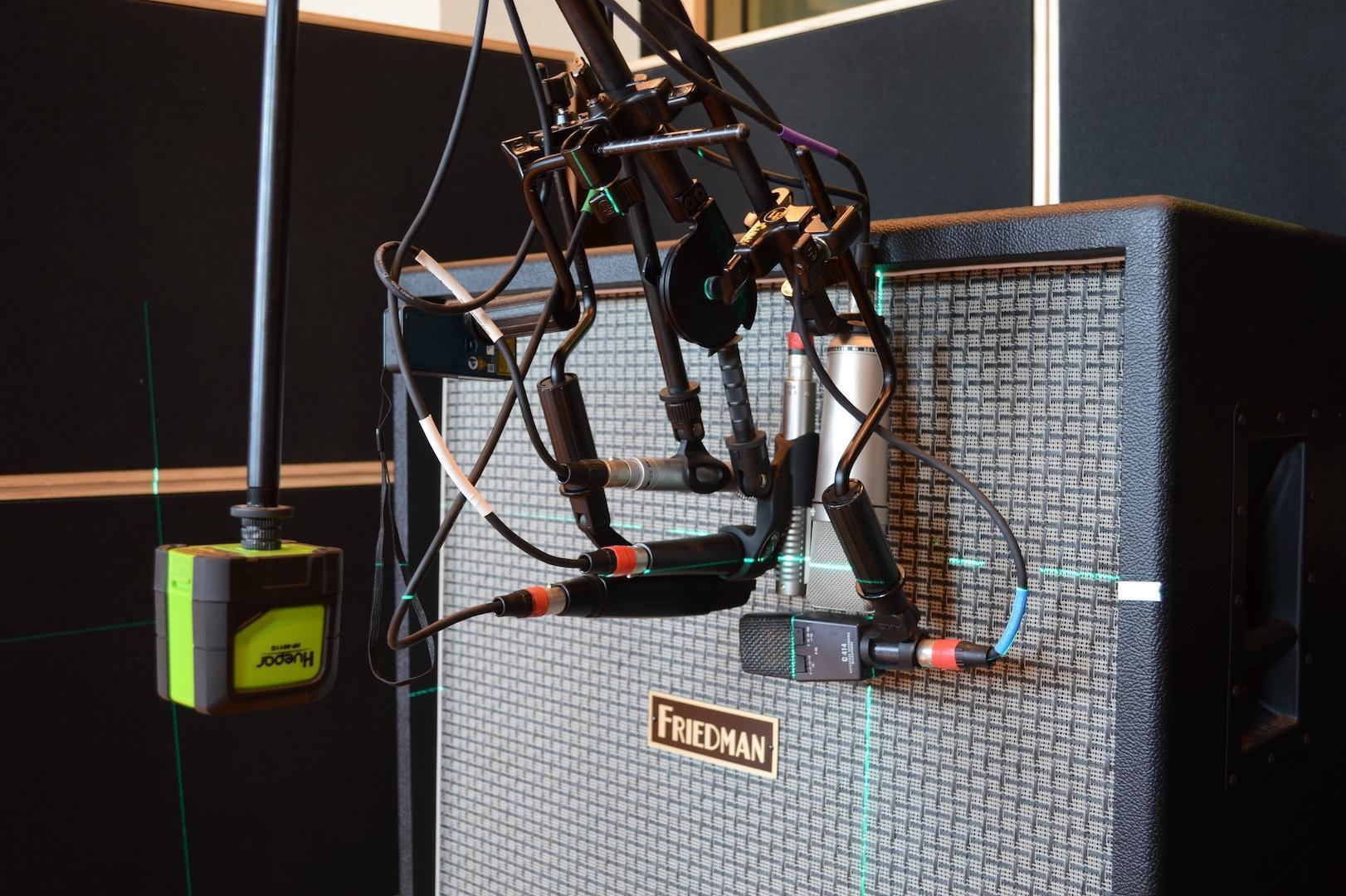
Fortunately, we have Latch Lake micKing 3300 boom stands in the Sweetwater Studios, so we could get all six mics (over $6,600 worth of mics) on a single stand while also including two Latch Lake Xtra Booms, three Latin Percussion LP592A-X Mic Claws, a laser that we used to consistently align the mic assembly in front of each speaker, and another laser measuring tool that we used to make sure we were a constant distance from the grille cloth of each cab. We calculated the value of the mic assembly we used for testing at $7,689 — and that’s without the lasers and the Earthworks TC30 that we used for measuring peak SPL. Whew. What a rig!

Here’s the mic contraption that Shawn Dealey created — all the mics were mounted on a single stand, so they moved together as a unit and stayed perfectly aligned when we repositioned them on different-sized cabs. Mics are (left to right, top to bottom) Neumann U 87 (cardioid pattern, pad engaged), Royer R-121 (front), Beyerdynamic M 160, Shure SM57, Sennheiser MD 421-II (Music setting), and AKG C414 XLS (cardioid, pad engaged, no HPF). You can see the green laser illuminating the C414, indicating the center of the mic cluster. If you want to hear all the mics then download the Pro Tools session.
Our signal sources were three performances recorded straight into Pro Tools at 32-bit/96kHz using a Radial JDI direct box. They were re-amped with the Radial X-Amp plugged into a Friedman BE-50 Deluxe. The knob settings on the Friedman stayed consistent, except that we boosted Gain 2 on the HBE channel from 5 to 10 for the Heavy guitar clip. We swapped the cabinets into the same baffled space in the studio one at a time and then positioned the mic assembly for each cabinet. The close mics were all routed into my personal Millennia HV-3R 8-channel preamp, and the R88 was routed through a pair of Shadow Hills Industries Mono GAMA preamps into Pro Tools through Avid MTRX converters.

Austin Walsh and Rachel Leonard carefully positioned each cabinet, using the lasers to confirm that the mics were in the same place and at exactly the same distance.

Since we didn’t want to remove all the grille cloths and measure the distance from the actual speaker cone, we decided that keeping the mics a consistent distance from the grille cloth was the best option. We used this laser measure to assure that the mic distance was the same for every cabinet.
How to Align Mics in Multi-mic Setups

First, we confirmed uniform polarity by using a test tone from the Galaxy Audio CPTS Cricket. It is fascinating to look at the waveform of the source (top waveform) compared to the resulting output from the mics in front of the same cab (lower waveforms). Notice the difference? Uh, yeah. Every speaker cab yields different sonic results. You can see the bottom two tracks are later in time because they are the room mics and farther away from the cabs.
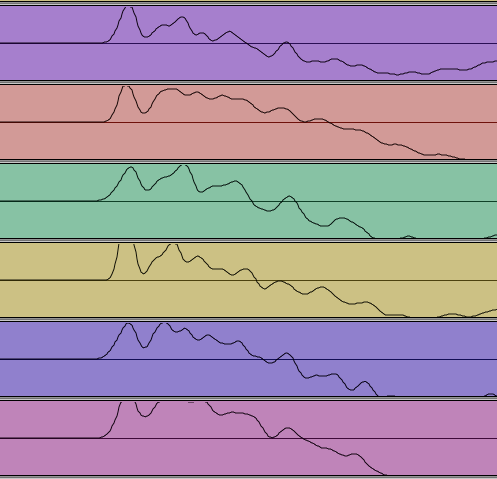
Zooming in to the sample level and looking at the leading edge of the waveforms allows us to make sure all the diaphragms of the mics are equidistant from the speaker. This is critical because time differences caused by different arrival times can cause phase cancellations when the mic signals are combined.
Download the Pro Tools Session File

It was fascinating to hear all the different mics and mic combinations on each cabinet. Click the button below to download the 32-bit/96kHz Pro Tools session (a 6.5GB download) with 696 sound files, so you can listen to all the mics on all the cabs. That way, you can mix and match them and hear what mic combinations sound best on which cabs. It’s a lot of fun. If you’re using a different DAW, just load in the sound files from the enclosed Audio Files folder.
In Conclusion
While it’s tempting to declare winners and losers in any direct comparison, our goal here was to showcase these cabs in a recording studio, “laboratory-style” environment, far from what you’d experience live. Keep in mind that speaker cabinets don’t exist in a vacuum, though. They’re part of a system — cabinet, amp, guitar, player, effects, etc. — and are purposefully designed, often to complement a certain amp’s tone and design. The samples you heard here are one amp, two guitarists, and three different guitars. A cabinet that sounds one way in this scenario will sound different with another player’s hands, guitars, and ideas. What we hope you gain from listening is how big a difference not only speakers, but cabinets and the combination of the two, make to the overall sound.
NOTE: This article was originally published in January of 2020.
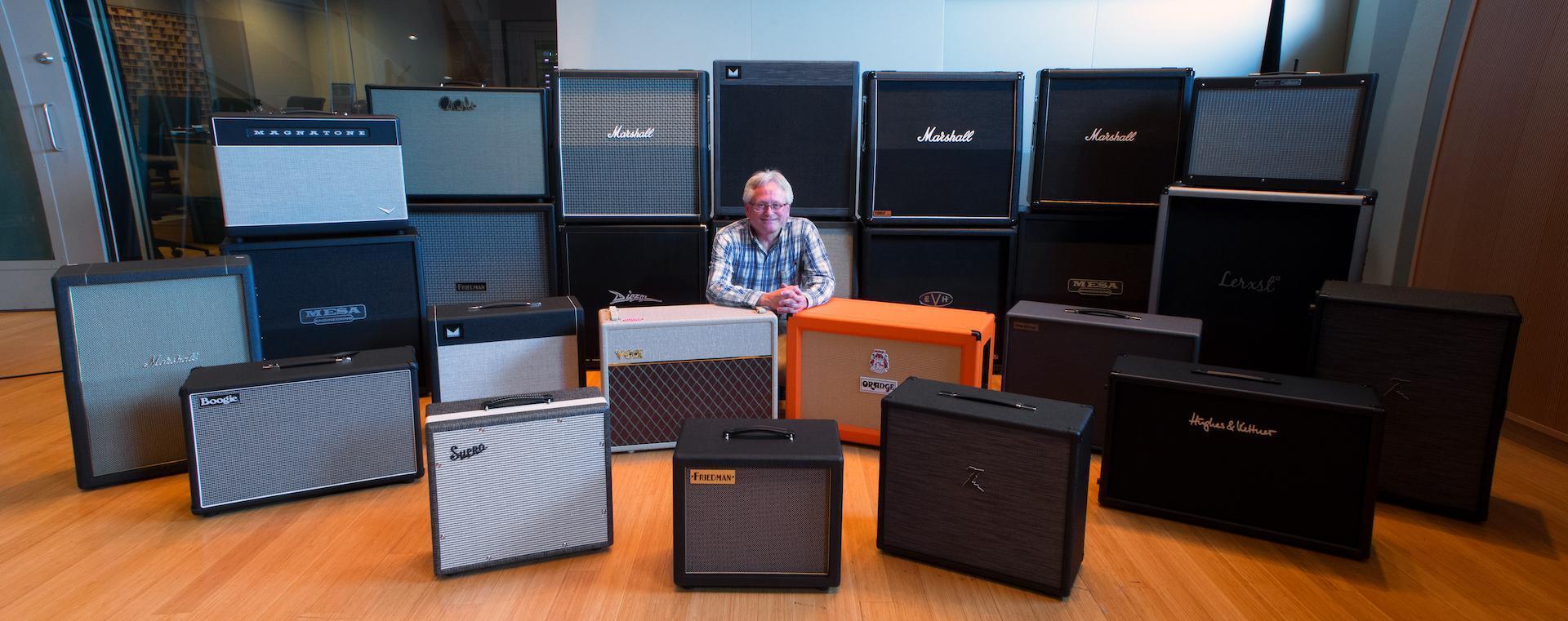
I don’t think anyone anywhere has done such a thorough listening examination of so many cabinets. We spent two days in the studio unboxing, setting up, calibrating, recording, and reboxing all these cabinets. We learned a lot — some things we expected and some we didn’t. If you heard a guitar cabinet that is perfect for you or if you’re still looking, call your Sweetwater Sales Engineer at (800) 222-4700 and get the cab that’s right for you today.
*NOTE: This shootout was recorded and originally published in January of 2020.
Special thanks to the staffers who helped us unbox/rebox all these cabs: Bobby Dellarocco, Michala Brooks, and Tim Woten!
Learn more about guitar cabinets and guitar amps in these articles:
- How to Choose a Guitar Speaker Cabinet – Part 1
- How to Choose a Guitar Speaker Cabinet – Part 2
- How to Choose a Guitar Speaker Cabinet – Part 3
- How to Choose a Guitar Speaker Cabinet – Part 4