

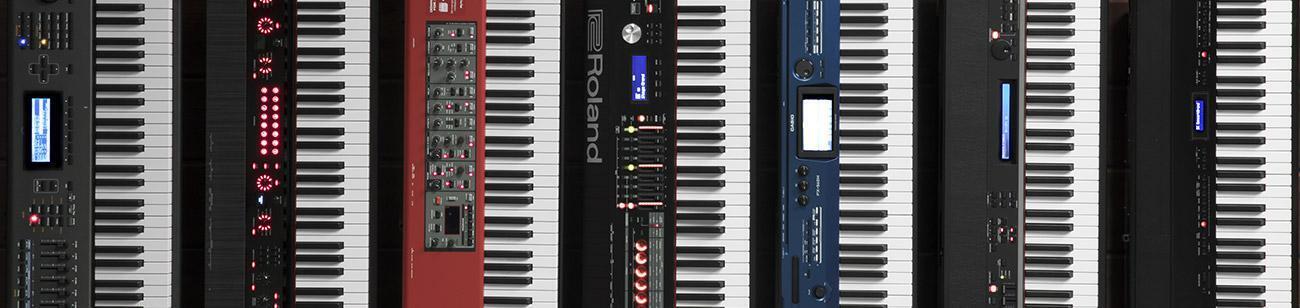
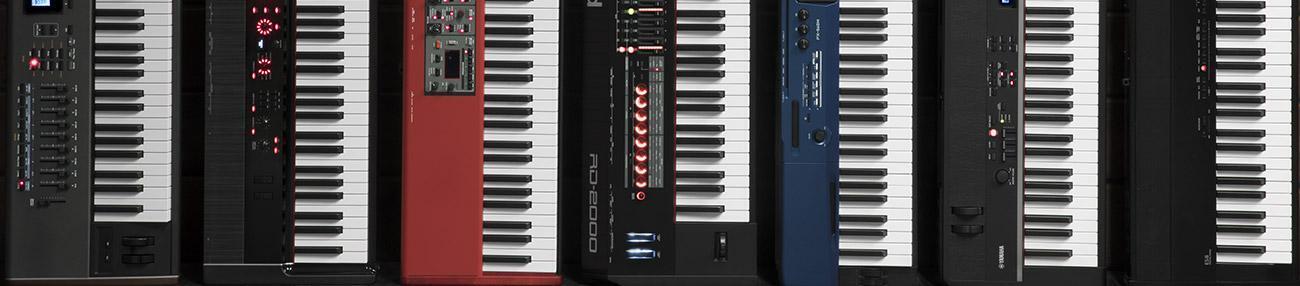
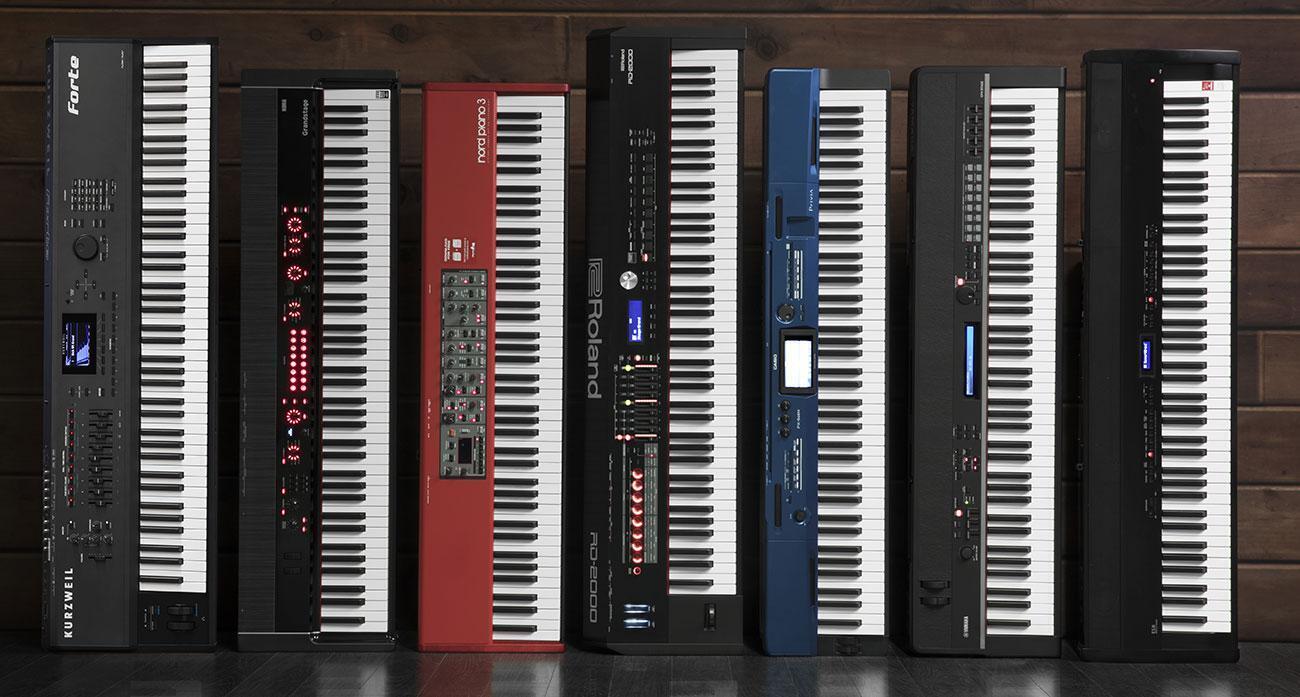
There are lots of digital keyboards that do lots of things, but for this article, we decided to focus on just one thing — comparing just the sound of the digital pianos. So we gathered the seven best digital stage pianos into one room and listened to them side by side. Our goal was not to pick a winner, but to give you the chance to hear them all in your own personal space. You probably know most of these keyboards by reputation, but have you ever had a chance to hear them all? Now you will.
The Digital Pianos
(in alphabetical order)
Casio Privia Pro PX-560
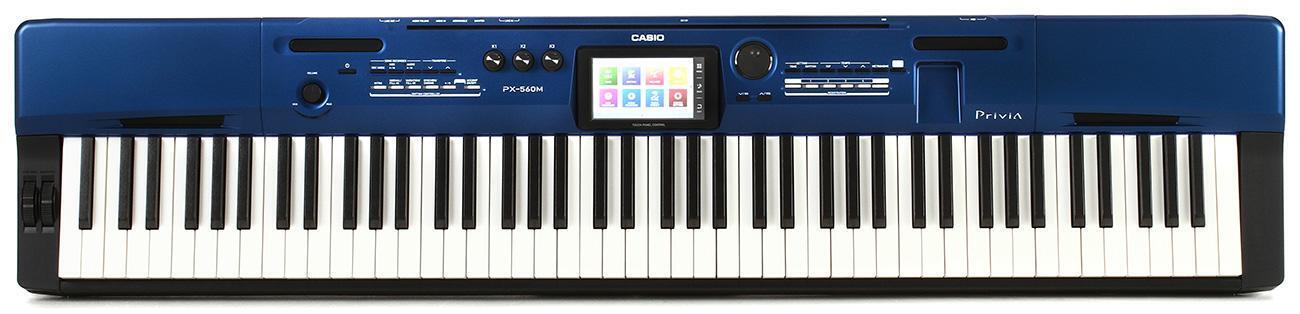
Featuring an 88-key tri-sensor, scaled hammer action keybed with textured keys, the Privia Pro PX-560 offers A.i.R. Powered Concert Grand Piano sounds that include controls for damper resonance, string resonance, hammer response, and key-off simulation, courtesy of Casio’s Hex Layer Synthesis.
Kawai ES8
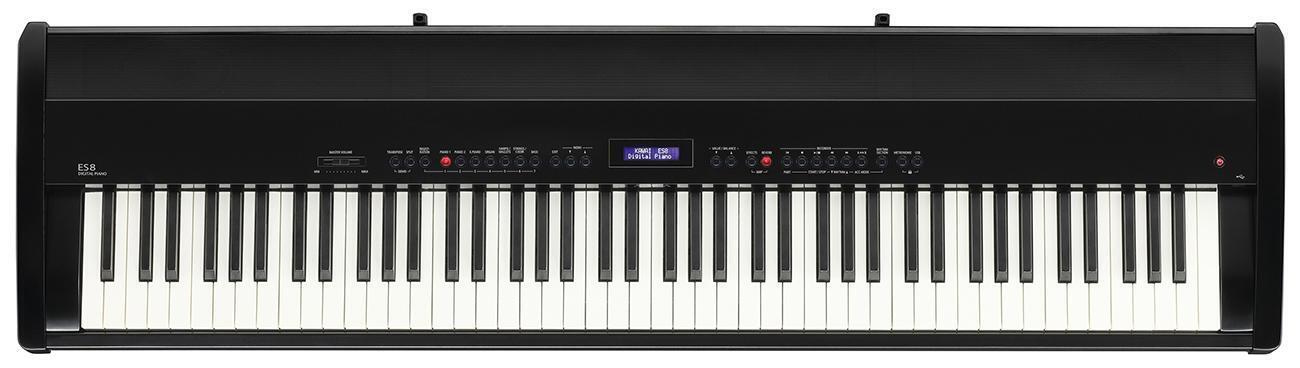
The Kawai ES8 digital piano embodies the sound of a world-class Shigeru Kawai EX concert grand, including the hammer noise and damper resonance, plus the Kawai EX and Shigeru Kawai SK-5 are included as well. Its graded keybed with Responsive Hammer III (RHIII) action and counterweights make it about as close to a real piano feel as you can get, with Triple-Sensor Key Detection that adds to the realism.
Korg Grandstage 88 Stage Piano
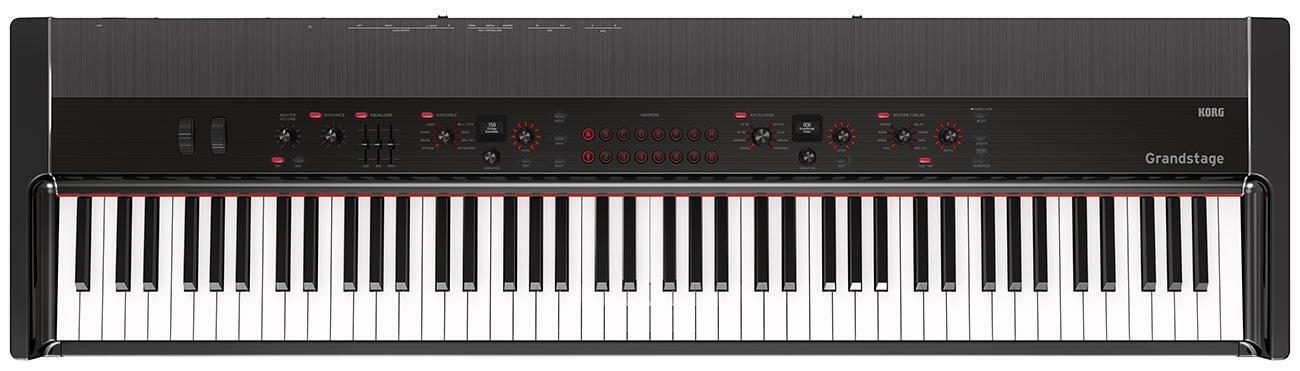
Powered by seven sound engines, the Grandstage 88 includes the acclaimed RH3 weighted 88-key velocity-sensitive keybed. The SGX-2 acoustic piano engine delivers every nuance of six world-class German and Japanese grand pianos, from damper resonance to mechanical noise.
Kurzweil Forte
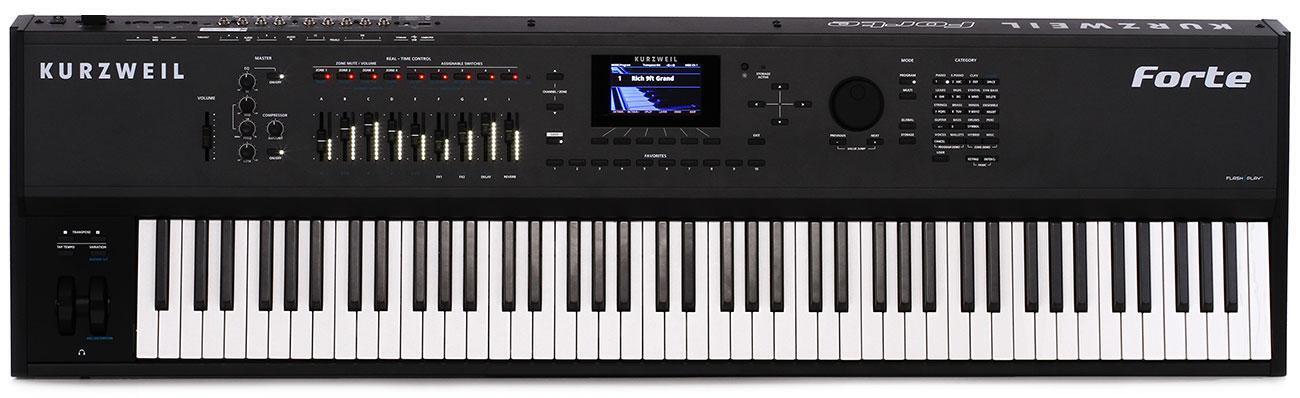
Combining the sounds of one of the greatest sample libraries ever created and resulting from 15 years of Kurzweil sampling, with an 88-key fully weighted hammer action keybed with velocity- and aftertouch-sensitive keys, the Forte is the pinnacle of technology and feel in digital pianos. With a built-in 16GB sound library, including Japanese and German grand pianos, plus sounds from Kurzweil’s acclaimed PC3 and KORE64 soundsets, this keyboard sounds as good as it plays.
Nord Piano 3
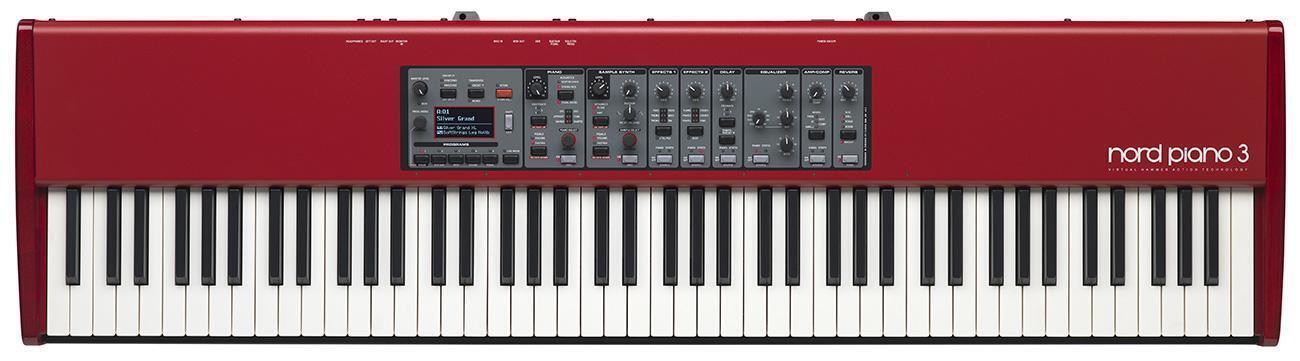
The Nord Piano 3 comes with 1GB of memory for the Nord Piano Library, which includes six grand pianos, five upright pianos, and more. It features an 88-note, triple-sensor keyboard with grand weighted hammer action for superior expression. Nord’s Triple Pedal includes dynamic sustain that can re-create damper noises for increased realism.
Roland RD-2000 Stage Piano
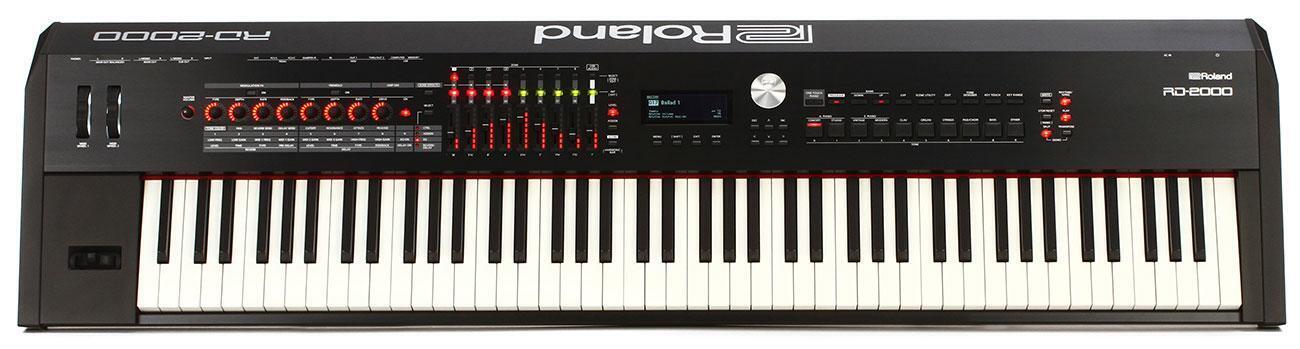
The Roland RD-2000 Stage Piano features two sound engines, based on Roland’s flagship V-Piano modeling technology. The 88-key keyboard offers authentic hammer action and escapement, combining wood and molded materials for superior feel. It also offers 1100 non-piano sounds, four pedal inputs, dual mod-wheels, and a 24-bit/192kHz USB audio/MIDI interface.
Yamaha CP4 Stage Piano
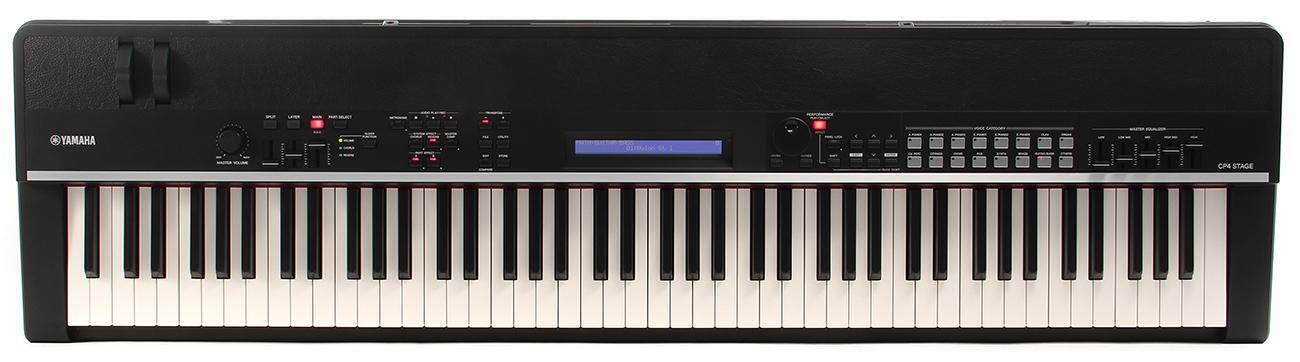
Featuring 45 grand piano sounds from Yamaha’s Premium Collection, including their flagship CFX concert grand, CFIII, and S6, the CP4 also offers an 88-key Natural Wood Graded Hammer Action keybed that feels like a real piano. And who knows piano sound better than Yamaha?
The Process
We brought all the keyboards into the same room and set them up so we could listen to them one after the other under uniform listening conditions. We took the main 1/4″ outputs from each keyboard and patched those into a Telefunken TDA-2 Active Instrument DI, which was routed to the inputs of a Focusrite Red 4Pre Thunderbolt interface, recorded into Pro Tools on a MacBook Pro at 24-bit/96kHz.
All the audio clips you will hear are the exact same performance. Erskine Hawkins, Sweetwater’s keyboard specialist (Eminem, Justin Timberlake, Rihanna), recorded this performance as a MIDI file, and we then fed the same MIDI file into each keyboard. We recorded two different audio clips for each keyboard, and the name of the piano preset is included in the name of the audio clip.
What You Will Hear
Our goal was to compare the piano sounds of these seven keyboards. To that end, we began by listening to the startup piano sound (typically 001) on each keyboard, figuring that it was awarded the first position for good reason. Then Erskine chose one other alternate setting that showed off a different aspect of the keyboard’s sound.
What You Won’t Hear
There are so many aspects to each of these keyboards, not the least of which are the dozens of other included sounds or the feel of the keybed, which are both major factors, but they’re not the focus of this article. Each of these keyboards offers many different piano sounds and hundreds of alternate keyboard sounds, from electric keys to synths to organs and more.
Let’s Listen
The first thing we noticed was that each keyboard had different amounts of reverb applied to the sound. Some had lots (too much) and one had none, so we adjusted the reverb to level the playing field. Here are the audio clips presented as 320K MP3 files with no processing (no EQ, compression, or additional reverb added). Although the differences are audible in these MP3 clips, I strongly encourage you to click on one of the links below and download the high-resolution (24-bit/96kHz) sound files, and open them in your DAW to listen at maximum fidelity.
Download the 24/96 sound files in a Pro Tools session
Download the 24/96 sound files for users without Pro Tools
There are two things I consider when I look for a digital piano. The first is the way the keyboard feels. Most keyboards today have keys that are made of plastic, and there’s nothing wrong with that, but what’s more important is the way the keys feel when you press down on them. For instance, do they press straight down, or can you feel that slight resistance that you would if you were sitting at an acoustic piano?
Secondly, I consider the piano sound itself. Personally, I like darker pianos because I can hear the depth of the piano, and dynamically I’m able to cover the entire spectrum of what a piano can do.
I also listen for vibrations from the lower- and higher-register strings. I think the best piano sounds are the ones where you can hear the resonance of the strings.
Erskine Hawkins
What to Listen For
Listen to the following aspects of each sample. Once you’ve listened to them all, you’ll have a better idea of each keyboard’s strengths.
- Stereo separation
- Attack of the strings
- Sustain
- Definition between the notes in the midrange
- Tuning of the notes
- Overall dynamics of the performance
NOTE: Volume Matching
I tried hard to match up the levels of all these piano samples, but the frequency balance (high to mid to low notes) and dynamics of the different samples made it impossible to match them exactly. When the levels were matched in the softer beginning, then the loud parts became mismatched. But if I matched the loud parts (which I did with Peak metering and then weighted average SPL metering), then the quieter intros were obviously mismatched. Since each keyboard received exactly the same MIDI input, know that the differences you hear reflect the variations from one keyboard to another.
Audio Clips
Casio Privia Pro PX-560
001 Gr Pno Concert
009 Gr Pno Mellow
Kawai ES8
SK Concert Grand
Warm Grand
Korg Grandstage 88 Stage Piano
001 Grandstage Pno
006 Austrian Pno
Kurzweil Forte
Rich 9 Ft Grand
Rich 7 Ft Grand
Nord Piano 3
Royal Grand 3DXL
Silver Grand Med
Roland RD-2000 Stage Piano
S01 Stage Grand
0007 NX Concert Grand
Yamaha CP4 Stage Piano
01 CFX ST
07 CFX Rock
Parting Thoughts
I don’t think anyone has ever conducted a comprehensive listening comparison for digital keyboards like this, and after finishing this exercise, I think I know why.
Reason #1: These keyboards are not inexpensive. The collection of keyboards we auditioned here is worth nearly $17,000.
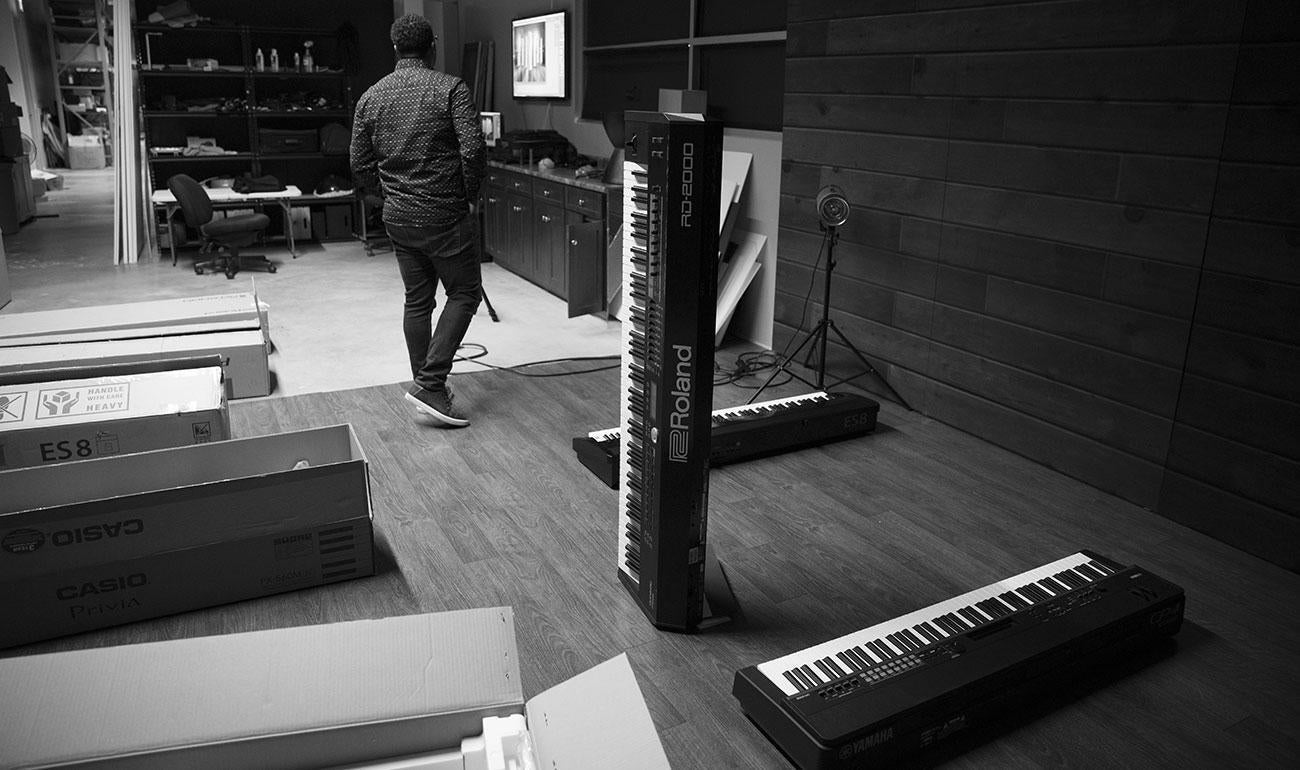
Reason #2: These keyboards are heavy!! Oh my goodness. The seven keyboards you see here tip the scales at 300 pounds total. And they’re huge. The Kurzweil is 54″ long. Moving these around takes a strong back and determination.
Reason #3: Unboxing them, hooking them up, moving them, standing them up for the photo shoot, boxing them up again — it took a lot of time. But it was definitely worthwhile since we (and hopefully you) learned a lot.
Behind the Scenes
Every time we do these comparison recordings, we learn and discover things we didn’t expect. As we recorded these samples, I had a microphone set up to record our initial reactions and “Aha!” moments. There were several discoveries as we listened to all the pianos, but here are audio clips of two of those moments from these sessions.
This first clip is while listening to the pedal release at the very end of the first Nord Piano 3 sample. Listen to the very end of the sample and our reactions.
This second clip was listening to the highest strings and the differences among the samples on different Nord Piano 3 presets. Listen as Erskine scrolls through some of the settings and the resonances of the other strings.
We get to try out lots of gear, and bringing our friends listening samples to help them make informed choices is just one of the extras that we like to share. If you really liked one of these keyboards, or if you have any questions about digital keyboards, please call your Sweetwater Sales Engineer at (800) 222-4700.