
Mallet Percussion Care & Maintenance Guide
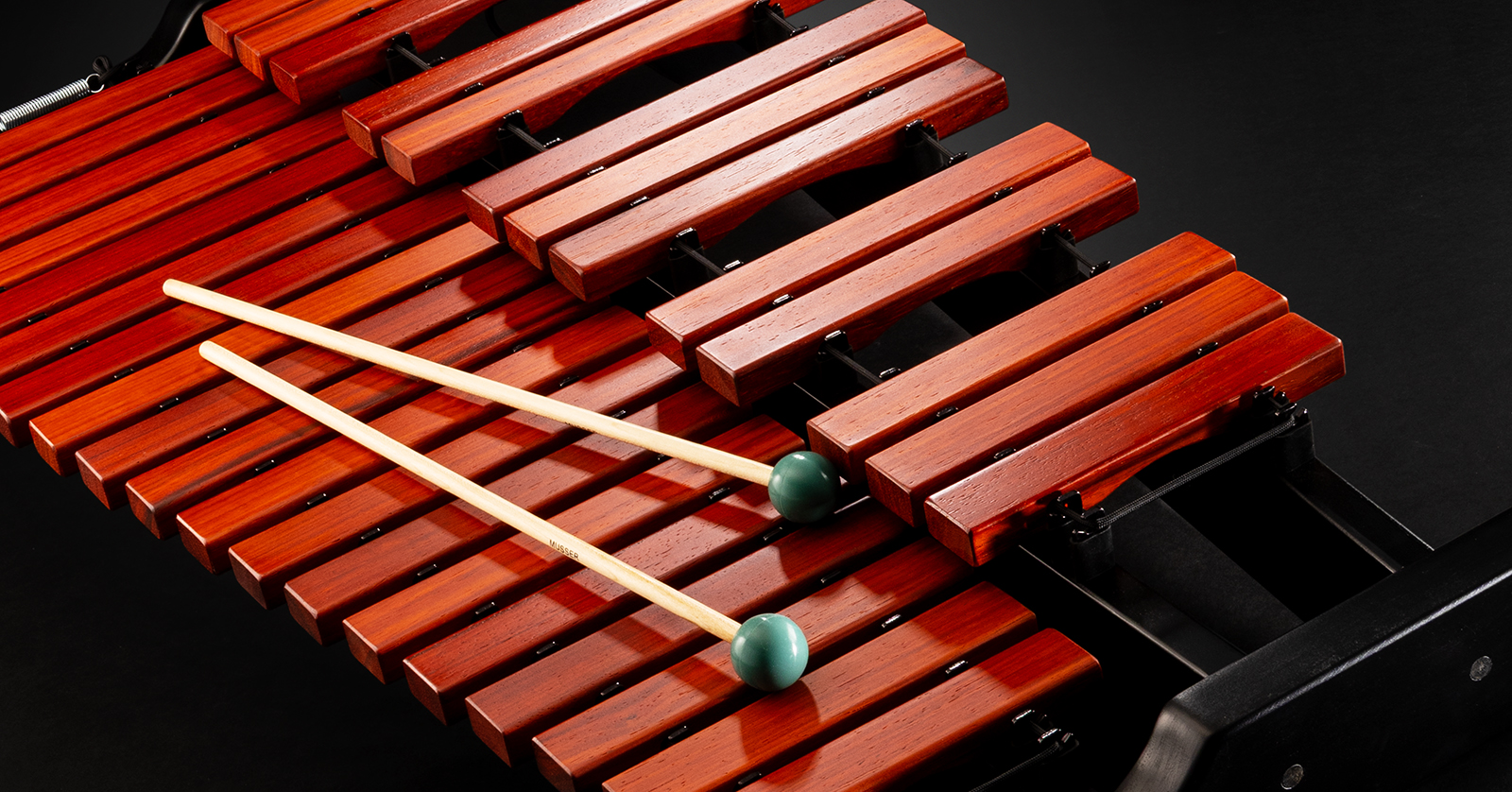
Mallet instruments play an essential role in the concert band’s percussion section. As the adage goes, “Take care of it, and it will take care of you.” Fortunately, maintenance for mallet instruments is straightforward, so follow our guide, and your instrument will look and sound brand-new for years to come!
NOTE! For all things related to your mallet instrument, always ask your band director or percussion teacher for specific guidance!
Assembly
If you’re transporting your mallet instrument to another location, then you always want to make sure everything is set up correctly and safely.
- If you’re placing your mallet instrument on an X-style stand, then make sure it’s both high and wide enough to accommodate comfortable and technically correct playing. Make sure it has a large center of gravity!
- Always assemble your mallet instrument on a smooth, flat surface. If it has casters, then make sure they’re locked and assemble it on a rug or carpet if possible!
- Inspect the bar posts that anchor the bar cord. Check that they aren’t bent.
- Double- and triple-check the bar tension cord that holds your tone bars in place. If the cord is frayed, then notify your band director or private teacher; it must be replaced.
- If your mallet instrument doesn’t sound right, then check the tension of the bar cord. It won’t resonate as much if the bar cord is too loose.
- The cord elasticity can be checked by pressing it down while the tone bars are on.
- Make sure the instrument is in a relatively comfortable environment. Extreme temperature and humidity fluctuation can affect the tone and tuning of your instrument and, in some cases, may cause damage.
Daily Maintenance
IMPORTANT! Never use rubbing alcohol or cleaning chemicals. If you need to deep clean your mallet instrument, then use only a slightly damp cloth with soap.
Taking care of your mallet instrument before, during, and after practice and performance is the easiest way to extend its lifespan. Here are a few things you can do, and they will only take a few minutes!
- Always use the proper mallets for your mallet instrument! Ask your band director or private teacher for specific guidance on mallet material for the instrument you will primarily be playing.
- Never use your mallet instrument as a table!
- After use, wipe down the tone bars with a dry microfiber cloth. This is particularly important if they get wet during practice or performance.
- Always place a cover on your instrument when you’re not playing.
Monthly Maintenance
Even when you take daily care of your mallet instrument, you’ll still want to do a monthly inspection to make sure it’s in pristine condition.
- Use a dry microfiber cloth to wipe down the entire instrument. If your mallet instrument has resonator tubes, then wipe those, as well.
- Also check inside resonator tubes because dust or other buildup may affect the sound.
- Closely inspect the bar posts and tension cord.
- If the rubber sleeves are beginning to wear down, then replace them. Notify your band director if the bar tension cord looks frayed or has lost elasticity. They will be able to replace it for you.
Keyboard Percussion 1: Characteristics & Maintenance / Vic Firth Percussion 101
Related Articles
When you need help, Sweetwater has the answers!
Our knowledge base contains over 28,000 expertly written tech articles that will give you answers and help you get the most out of your gear. Our pro musicians and gear experts update content daily to keep you informed and on your way. Best of all, it’s totally FREE, and it’s just another reason that you get more at Sweetwater.com.