Ever since the dawn of the modern turntable, DJing has been one of the most potentially creative arts in the music world. As underappreciated as it so often is, when you think about it, the very fact that the biggest part of your job as a DJ is to take other people’s music and create something unique and exciting out of it in itself makes every performance a one-of-a-kind experience, and the results directly reflect what you, the performer, make of the materials at hand.
DJing is like the collage art of music. You literally can’t perform covers. But following that analogy, what if you could also paint with your own original music, weaving in another layer of depth and creativity? Guess what — you totally can. In fact, these days, as digital DJing has become the norm, it’s become increasingly easy to add tabletop synths into the DJ rig you already have. Let’s explore how to do that.
Why You Want Synths in Your Rig
While we’ve mentioned the general creativity that adding synths to your DJ set offers, there are some specific opportunities it offers you that are worth taking a closer look at. For starters, as soon as you add a synth — any synth — to your DJ rig, you gain the ability to push your mix into the background a bit and play on top of it. It’s a lot like adding vocals that way. But that’s just the beginning.
The real fun starts when you add sequenced elements to your rig. Whether we’re talking about simple drum machines or the tweakiest Eurorack monstrosity out there, locking your synth to the beat lets you effectively DJ your live synths with the rest of your tracks, so you don’t need to direct all of your attention to that one element of the mix.
A steady beat underlying your tracks can add cohesion to your entire set. But you don’t even need to use your synth or drum machine constantly to get a ton out of it. It’s amazing what the right sounds and textures will do for your transitions, bridging the gaps between extended outros and intros.
What Makes Hardware Synths Cool?

Moving on to the subject of tabletop synths specifically, there are several reasons that many top creative DJs prefer hardware to software synths. We could start with the most technical reason to go with hardware over software: hardware won’t tax your computer. Sure, computers are more powerful and more stable than ever, but DJ software like Serato or Traktor take up all the bandwidth they can. Sometimes, even the most robust machines out there still struggle to keep up with the demands of DJ software, so you may find yourself better off not adding the burden of resource-demanding soft synths and virtual drum machines.
All of that aside, there’s another, more important reason to use hardware synths: the performance. There’s nothing like being able to reach out, grab a knob, give it a twist, and hear instant results, all without having to look at your laptop. From the audience’s perspective, there’s nothing less exciting than watching a DJ stare at a computer — you might as well be checking your email. The direct connection you get from tabletop synths directly engages with your audience.
Hardware synths and drum machines also have their own distinct quirks. Most performers find them simply more engaging and more exciting to play with. What’s more, you can use hardware synths in creative ways that are either impossible or extremely difficult to pull off with soft synths. For instance, you can send audio from one of your decks into your synth module and run it through your filters and effects, adding a unique flavor to your sound. Talk about a great way to create transitions! You never know what you’re going to discover when you start patching.
What Do You Need?

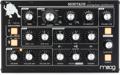
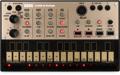
For starters, you need to pick up a synth module or two. These can range from inexpensive gadgets such as Korg’s Volca series modules to Eurorack gear by companies such as Doepfer and Pittsburg Modular or the old-school giants like Moog. If you’re looking for inspiration, just take a look at the Eurorack and modular synths available at Sweetwater.
Next, you’ll need a way to get your DJ rig to talk to your modules. Chances are, your DJ controller already has MIDI I/O (input/output). If it does, then you’re probably already in good shape. Most tabletop synths support MIDI Inand MIDI Clock. If you’re making your own home-brew Eurorack rig, then be sure to include a MIDI to CV/Gate module.
Each synth is going to be different as to how it handles MIDI clocking, so there’s no way to cover the finer details here, but the recipe is generally the same. Your DJ software sends out a clocking signal that tells your gear where the beat is. Your tabletop synth then locks on to the beat and everything from its step sequencer to its LFOs can lock on to that beat, bringing the whole mix together.

One piece of software that’s notoriously good at bringing DJ gear and hardware together is Ableton Live. This is one of the few exceptions to the rule that you don’t want to run other applications alongside your DJ software. As a sequencer, Live is an incredibly lightweight sequencer. It also features a timing protocol called Link, which allows it to lock on to other software’s timecode beautifully.
The reason this is so cool is that Live can quantize launching and stopping sequences to the downbeat, meaning you can tell Live to start playing any time, but it can wait until the next downbeat before launching the MIDI clip (even just a simple start/stop message) that kicks your tabletop synths into action. The result: a hardware-synth rig that runs in perfect lockstep with your DJ rig.
A Few Final Suggestions
We hope this quick look at adding tabletop synths to your DJ rig has given you some exciting ideas about how to take your DJ set to the next level. Before you run off to check out all the great Eurorack and modular synth gear at Sweetwater, we wanted to pass along some important tips. First, don’t scrimp on quality cables, especially if you’re running Eurorack gear. It sounds like a little thing, but it’s not. Cheap cables fail and can sound awful. It’s an easy blunder to avoid.
Next, when you’re plotting out your tabletop-synth rig, consider how easy it’s going to be to expand later. This is particularly important if you’re going to dive into the world of Eurorack synths. If you have the option, buy a rig with plenty of room and power left over to add more modules later. Finally, as you explore the options in front of you, go into it with a sense of adventure.
For many of us, getting into synths and drum machines is a huge departure from the DJing we grew up with. The more fun you have with it now, the more fun your audiences will have when you perform. And if you ever need inspiration, give your Sweetwater Sales Engineer a call at (800) 222-4700. We’ll be happy to geek out with you and help you find exactly what you’re looking for.