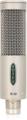
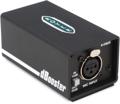
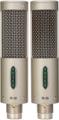
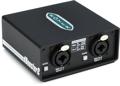
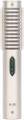
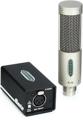
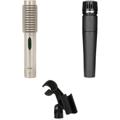
Sweetwater recently became a proud dealer of Royer microphones and we just received a new shipment. The R-121 is their flagship microphone, a radically redesigned ribbon mic that gives you all of the advantages of a ribbon mic, like an uncolored, extremely “alive” sound, without the drawbacks, like being too fragile to handle really high SPLs. Actually, a similar thing could be said of all Royer’s ribbon mics – they’re all characterized by a painstaking design, careful attention to detail, and rock solid performance. The SF-12 is Royer’s stereo ribbon microphone that lets you get a true stereophonic recording from a single mic. The SF-1 is an ultra-compact, monaural ribbon microphone, exhibiting flat frequency response and a well-balanced, panoramic soundfield. We also have a bunch of their audio demo CD’s. This is a great way for you to hear what a good ribbon mic can do before you buy one. The CD’s are free; all you do is pay shipping.
Royer is a proud company who takes more care in making microphones than most people realize. We’d like to publish a letter from the National Sales Manager, who is also part owner. We hope it will give you some insight behind the audio demo CD and the mics themselves.
The Royer Labs Demonstration CD was created to let you hear, in your own studio, what Royer ribbon microphones actually sound like. Nothing compares with trying a microphone out yourself, but this CD will give you an good idea of what you can expect from Royer ribbons and it makes for a good introduction to modern ribbon microphones. We’ve included a wide variety of tracks, from blazing guitars and huge drums to full orchestra and classical harp, from Grammy Award winning productions to home recordings made with one ribbon microphone. The CD is completed by Steve Albini’s microphone comparison section, which compares our R-121 to a number of highly regarded industry standard mics. Chances are good that you’ll find tracks on this CD that relate to the styles of recordings you are involved in.
Since we released our award-winning R-121 and SF-12 ribbon microphones in 1998, they have been used on literally thousands of recordings worldwide. We are dedicated to bringing the smooth, warm, richly musical qualities of ribbon microphones back to mainstream recording, and today many of the worlds best known engineers and producers depend on their Royers for tracking guitars, brass, drums, piano, percussion, woodwinds, strings, even vocals. Royers are used in commercial studios, voiceover studios, scoring stages, and thousands of home recording studios. Due to their toughness, R-121’s are even showing up on live stages – Aerosmith, Tom Petty, Phil Lesh, Herbie Hancock and Wayne Shorter are just a few of the acts who decided to take their R-121’s out of the studio and onto the road. Ribbons have come a long way!
The single most important reason for the recent popularity of ribbon mics is the huge increase in digital recording, both in commercial and home studios. Ribbons are ideal for digital recording. Where tape machines were forgiving of high-end peaks, sibilance and overload, digital recorders are much less forgiving, often emphasizing peakyness and sibilance. With ribbons, it is almost impossible to get a harsh, peaky or sibilant sound. More than any other kind of microphone, a good ribbon hears sounds the way your own ears do, so in the clinically accurate (and unforgiving) world of digital recording, ribbons deliver a warm, distinctly analog sound and feel that is smooth, realistic and beautifully musical.
Top engineers have always used ribbon mics. Eddie Kramer used ribbons to record Jimi Hendrix’s guitars and many of his vocal tracks. George Martin used ribbons to record Ringo’s drums over the entire Beatles recording career. Bruce Swedien has always used ribbons on brass, vocals and percussion (check out the great brass and backing vocals on Michael Jackson’s “The Way You Make Me Feel” – all ribbons). Steve Albini used ribbons on Nirvana and many other guitar driven bands and now he uses Royers on virtually every session he records. Michael Beinhorn used ribbons to capture the big, heavy guitar sounds on Soundgarden’s “Superunknown.” Al Schmitt recorded the electric guitars on Diana Krall’s “When I Look In Your Eyes” (which earned Al his 8th Grammy) with R-121 ribbons.
If you haven’t tried a Royer ribbon microphone yet, please give this CD a listen – you might hear something you’ve been looking for. Many great artists contributed to the CD to help us get the word of ribbon mics out – if anything, the music is great! Be sure to browse the CD booklet for information on what you’re listening to, or go to our web site for information and pictures of some of the recording sessions.
Best wishes and happy recording,
John Jennings
Royer Labs