

Wait. Must-have pedals for the blues? Don’t you just plug into a vintage tube amp and let ‘er rip?
That’s definitely one way to do it. But the blues, like most genres, has evolved over the years and adapted to the changing demands of players. Today, you’re as likely to see a full-featured pedalboard at the feet of a 12-bar master as you are in rock, country, or more experimental genres.
Here, we investigate a handful of the pedals that play a major role in shaping the sound of the blues. From pedals that replicate iconic tones of the past to the original devices used to send blues playing into the stratosphere, we’ll take a look at today’s blues mainstays.
Tuner
Get a tuner, put it on your board, and use it.
 BOSS TU-3
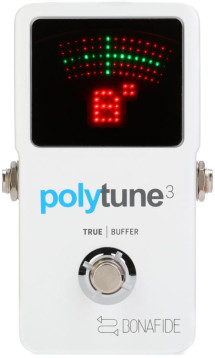 TC Electronic PolyTune 3
 Korg Pitchblack mini
Overdrive
A great, low-gain overdrive may be the most obvious choice here. And no overdrive is as famous to today’s blues aficionados as the Ibanez Tube Screamers that Stevie Ray Vaughan used to such massive effect.
Listen for Stevie to kick it in at 1:45 of this live performance of “Little Wing.” Pure tonal heaven.
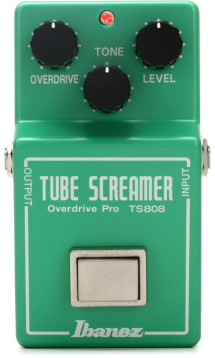 Ibanez TS808
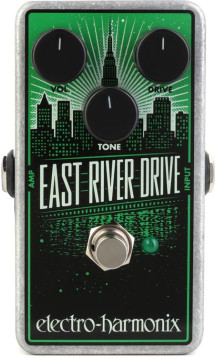 Electro-Harmonix East River Drive
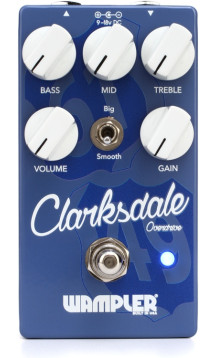 Wampler Clarksdale
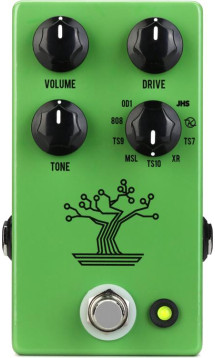 JHS Bonsai
But nailing that SRV tone isn’t the only reason to drop a great OD on your board. It’s no secret that stage volumes are being forced down more and more. Blues players don’t get to escape this any more than any other player. So if you can’t quite get your amp cooking to its sweet spot, a low-gain drive is just the ticket to tonal nirvana.
We recommend a transparent overdrive, such as a Bluesbreaker-style circuit that aims to keep your tone intact while giving you a bit more grit, clarity, and touch sensitivity. Besides, any pedal designed after the amp Eric Clapton cranked for John Mayall’s Blues Breakers album is sure to treat you fine.
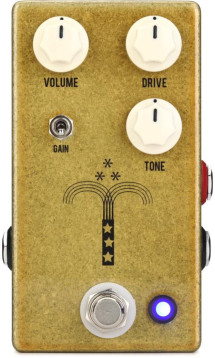 JHS Morning Glory
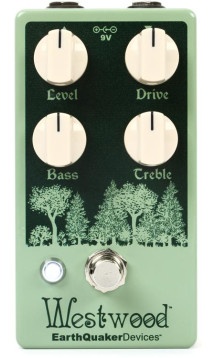 EarthQuaker Devices Westwood
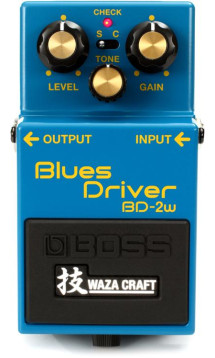 BOSS Blues Driver
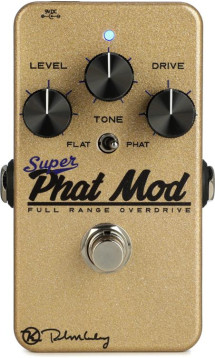 Keeley Super Phat Mod
Wah
Speaking of Clapton, as soon as he stepped on his Vox wah-wah for Cream’s “Tales of Brave Ulysses,” (while not a traditional blues tune, Clapton’s guitar work did more for the blues than most before or since) guitar instantly had a new vocabulary. With Jimi Hendrix’s wah work hot on his heels, Clapton wrote the book on how the pedal’s expressive vocal sounds gave players a new level of expression.
Today, you’ll find a wah pedal on most blues players’ boards. In fact, blues legends such as Buddy Guy and Joe Bonamassa even have their own signature Dunlop Cry Baby. So whether your flavor of blues is out of the Chicago nightclubs or from down in Texas, we’d definitely recommend placing a great wah-wah into your rig.
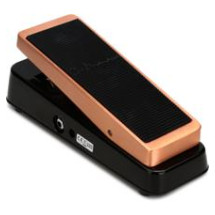 Dunlop Bonamassa
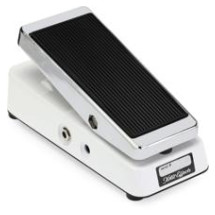 Xotic Wah
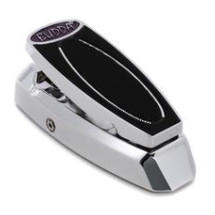 Budda
Budda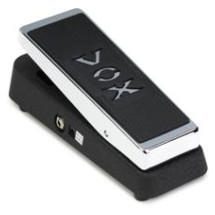 Vox
VoxRotary effect
Amp overdrive, flanging, and fuzz are just a few examples of common effects that originated when musicians used their gear “incorrectly.” Another classic effect that follows that lineage got its start when a young Buddy Guy plugged his guitar into an organist’s Leslie rotating speaker and cut the blues staple “Hoodoo Man Blues” for Junior Wells.
https://www.youtube.com/watch?v=ggAXQyP8uPc
From that day forward, the watery, proto-psychedelic sound became as synonymous with electric guitar as it is with its intended application. But guitarists often don’t want to lug around those exceedingly heavy rotating cabinets, leading many pedal manufacturers to create stomps that simulate the sound.
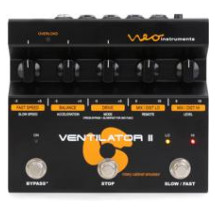 Neo Instruments Vent
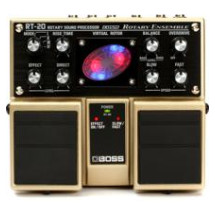 BOSS RT-20
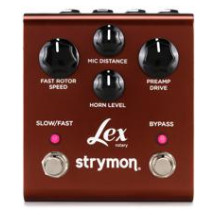 Strymon Lex
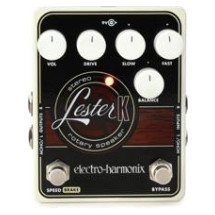 Electro-Harmonix Lester-K
Honorary mention
On technology’s way to nailing the rotary effect, it stumbled upon a few tones that have become legendary in their own right. Uni-Vibe-style pedals and chorus pedals both put their own “spin” on the whirling character we all desire.
Listen to how Doyle Bramhall puts his vibe to work on the solo to “Mama Can’t Help You.”
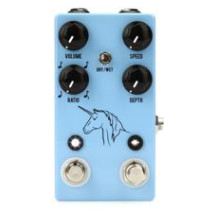 JHS Unicorn
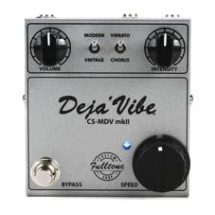 Fulltone DejaVibe
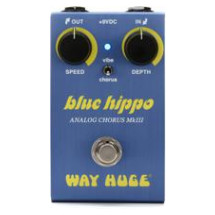 Way Huge Blue Hippo
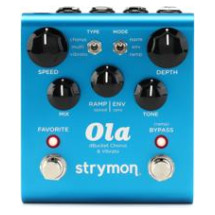 Strymon Ola
Fuzz
Using a singing and spitting fuzz pedal is nothing new for the blues. One listen to any Hendrix track is evidence of this. But players today are taking the sonic devastation supplied by a plethora of fuzz pedals to new, blusier heights.
Players such as Gary Clark Jr., Doyle Bramhall II, and even Jack White are showing what can happen when you put the vocabulary of Albert King, John Lee Hooker, and Muddy Waters through gated nastiness.
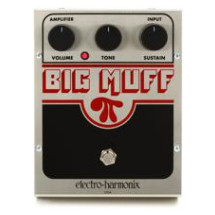 Electro-Harmonix Big Muff
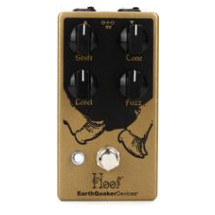 EarthQuaker Devices Hoof
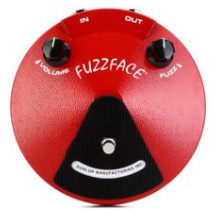 Dunlop Fuzz Face
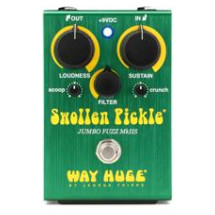 Way Huge Swollen Pickle
Amp-in-a-box
There are a lot of blues players that have injected the harder sounds of rock ‘n’ roll into their tone. Usually, the players are attaining that sound by way of cranked tube amps. But alas, not many of us will be gigging for long if we crank a plexi at the local watering hole.
Luckily, by dropping an amp-in-a-box-style overdrive or distortion onto your board, you’ll be able to get the cranked blues tones of Billy Gibbons, Gary Moore, and the Allman Brothers at band-friendly volumes.
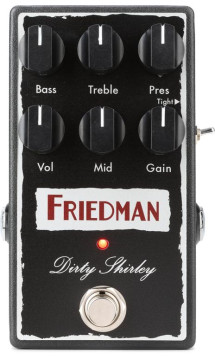 Friedman Dirty Shirley
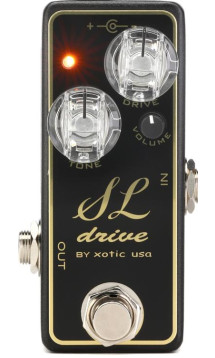 Xotic SL Drive
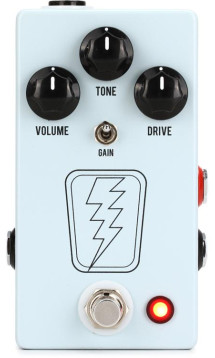 JHS SuperBolt
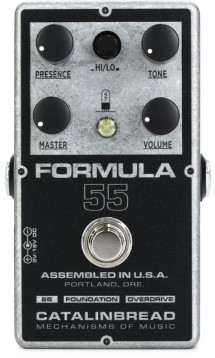 Catalinbread Formula 55
When it comes to blues, players are either purists or sonic explorers. If the former, crank that amp, but still make sure you use a tuner. If the latter, don’t let these guidelines hold you back. Why not throw an EarthQuaker Devices Bit Commander on the board and see what happens? Some purists may scoff, but remember, it was sonic experimentation that took the blues from the Delta to Chicago, from acoustic to electric, and from the local bar to Royal Albert Hall.