

Hundreds of hit records have been made with only one microphone on the snare drum, and there’s nothing wrong with that. But there are excellent reasons to use a second microphone on the snare — either underneath the snare or beside your primary snare mic. Here are a few ways that you can use either of these positions for a second microphone.
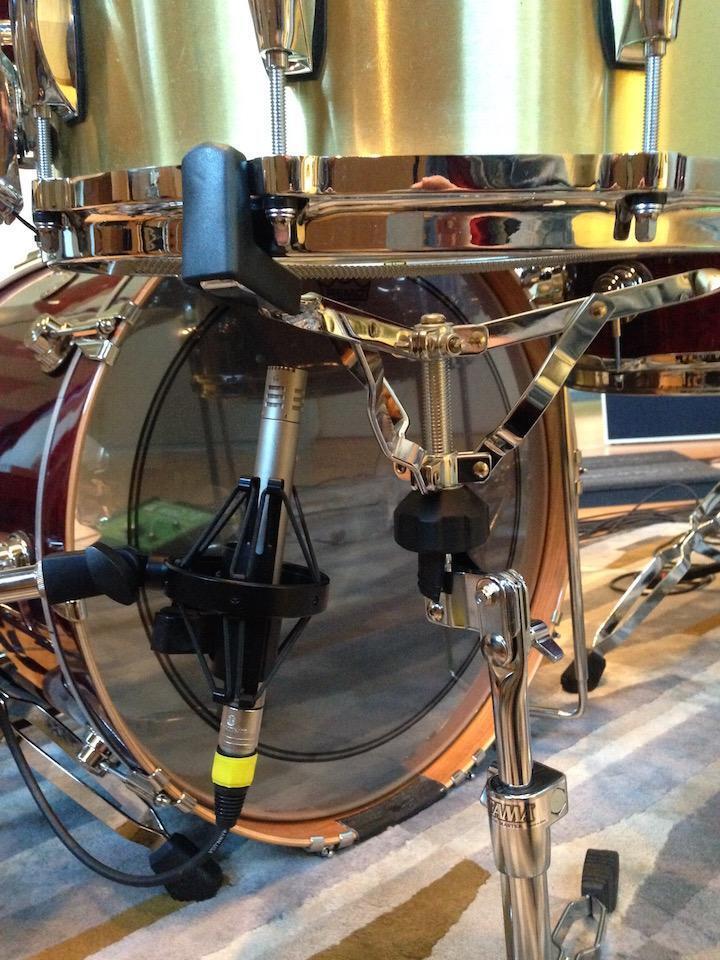
Microphone Underneath the Snare
There are a couple of advantages to putting a second microphone under the snare drum; one is that there tends to be a bit less leakage from the rest of the kit. The other is that the bottom mic will pick up more of the sound of the snares and a bit less of the sound of the snare head. One warning; you’ll likely need to reverse the polarity of the preamp for the bottom snare mic, and here’s why: When you hit the snare drum, the drum head moves down, or away from the top microphone, this pushes the bottom head (the one closest to the bottom snare mic) down as well. This means that the bottom head of the snare moves toward the bottom mic — the reverse of the movement of the top head. Unless the polarity on the bottom snare is reversed, there’s a strong likelihood that the two signals will interfere with each other; phase issues can result in some frequencies cancelling out while others are reinforced. In general, this is not a sound that you’ll want to use.
I’ll typically use a small-diaphragm condenser microphone under the snare — it’s easy to position around the drum hardware and emphasizes the high end coming off of the snares themselves, though a dynamic mic will also work. So how to use the resulting signal?
The most common approach is to simply use the bottom snare mic in conjunction with the top snare mic to add a bit of crispness to the snare sound. When cardioid microphones are placed close to a sound source — as they usually are when miking snare drums — the low end added due to the proximity effect can make the snare sound “thuddy” or “boomy.” Moving the microphone farther away from the snare reduces the proximity effect, but it means that the snare mic will pick up more of the other drums, hi-hat, and cymbals. By placing a second mic underneath the snare, high-end presence can be added to the mix without drastic amounts of equalization.
You can also use the bottom snare mic as a reverb send; as mentioned earlier, the bottom mic will typically have less hi-hat bleed, allowing you to get a big reverby sound on the snare without an undesired big reverby hat. One nice trick is to EQ the bottom snare signal that you’re sending to the reverb; if the brightness of the bottom snare is more than you want, it’s easy to roll off a little high end before the reverb for a more natural sound.
For those interested in taking a bit of a different approach, try using the bottom snare track to trigger samples. Because the bottom snare microphone tends to pick up less of the other drums, false triggers are minimized with this approach. Even if you prefer to use the “Tab to Transient” feature in Pro Tools and then drop in a sampled hit, the bottom snare track will often let you work faster.
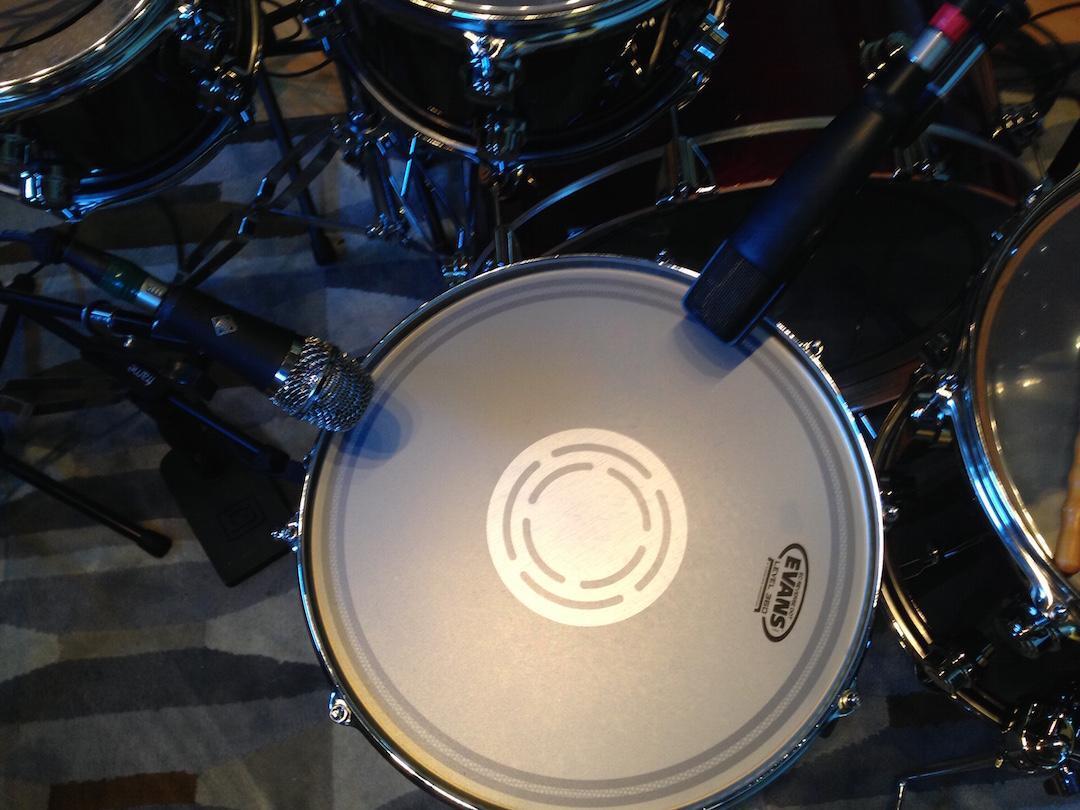
Second Mic on the Top of the Snare
There may be times when your favorite snare mic doesn’t quite give you the sound that you’re looking for — and neither do any of your other microphones. It might be that the best solution is to add a second mic and combine the two for the perfect snare sound. Be aware of potential phase issues caused if the two microphones are at slightly different distances from the drum head. Careful placement will minimize this issue.
Keep in mind that you don’t have to use both microphones at the same time; by using one snare mic for the verse and one for the chorus, you can change the snare sound either subtly or in an obvious manner. Or you could alternate thoughout the song, so beat 2 is with one mic and beat 4 is with the other. Or any combination thereof. Remember; if it sounds good, it is good.
The one rule about being creative is that there are no rules; when you experiment; you’ll likely find a lot of things that don’t work, but you’re also likely to find something that you wouldn’t have discovered any other way. The more things you try, the more great solutions you’ll find!