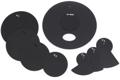
Let’s face it: drums are probably not the ideal instrument for musicians who like to keep a low profile. Fortunately, there are several ways you can reduce the volume of your acoustic drums and help keep the peace at home without disturbing your family and neighbors. The most common accessories to reduce noise include mesh drumheads, drum and cymbal mutes, low-volume cymbals, drum shields, gels, dampeners, and lightweight drumsticks. Check out Sweetwater’s top picks below!
- Mesh Drumheads
- Drum & Cymbal Mutes
- Low-volume Cymbals
- Drum Shield
- Gels & Dampeners
- Lightweight Sticks
Mesh Drumheads
Replacing your stock skins with breathable mesh heads from Roland, Remo, or Evans can reduce the output of your shells by up to 90 percent. The cool thing with this approach is that you still hear the tone of your toms, feel the woof of your kick drum, and sense the snap of your snare — they simply lower the ambient volume of your kit so it’s much less obtrusive. Now, be advised that this is a practice-only option; it’s not the sort of thing you’d want to perform or record with. To keep things simple, mesh drumheads install just like any standard head. Another added incentive is the soft attack and fast rebound that these heads provide, which many drummers consider to be more comfortable on the wrists.
Drum & Cymbal Mutes
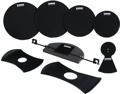
There is a variety of specialty shell and cymbal mutes available today from Evans, Vic Firth, and RTOM that will help take the boom out of your bass and the bite out of your brass. As above, these are practice-only options, but they do a great job of giving you an acoustic-like performance at a much-reduced listening level. Unlike mesh heads, these mutes can be installed and removed in seconds for quick transitions from the practice room to the performance stage. You can mute the boom of the bass drum by substituting a kick pad or go full practice mode with practice pads to drastically reduce all sound for rudimentary rehearsals when you can’t get behind the kit.
Low-volume Cymbals
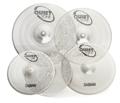
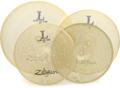
Some drummers prefer to hear the full decay of a crash or the ping of a ride cymbal unencumbered by traditional mutes, and that’s completely understandable! Outfitting your practice kit with low-volume cymbals — we at Sweetwater have had great success with the Sabian Quiet Tones and Zildjian L80s — will give you that inimitable wood-on-metal cymbal response and high dynamic range without blowing your balance. Note that these specialty cymbals are best paired with muted drums; trying to use them on a traditional kit could cause you to overplay and damage the cymbals.
Drum Shield
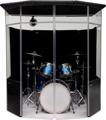
The drum shield, or “fish tank” as many drummers call it, is a common solution that’s not only great for basements, garages, and home studios but also for lots of venues and houses of worship to reduce ambient drum volume, as well. These segmented partitions of thick, clear acrylic from ClearSonic do a commendable job of deflecting the crack of a snare or the clatter of a crash cymbal, effectively reducing ambient volume. Take note that drum shields only deflect sound — all that ambient noise stays in the room, it just gets redirected backward and upward. For this reason, be sure to position the rear side and top of your drum shield accordingly. Keep in mind that these solutions tend to be most effective in the treble and midrange frequencies; the lows of the bass drum and floor tom(s) may require additional dampening.
Gels & Dampeners
Sometimes a Moongel pad or two is all you need to control overtones and give the illusion of a quieter kit. But when it comes to truly siphoning dBs out of your home environment, you can resort to any number of DIY methods using household materials. Damping your drumheads with wallets, T-shirts, bandanas, towels, and even scrap carpet is a tried-and-true tactic that provides sufficient reduction in output as well as sustain. You can also put a drum rug beneath your kit as a great way to dampen sound wave reflections from echoey floor surfaces such as hardwood and concrete. For a more detailed look at some of the most effective low-budget and no-budget dampening measures that even the pros rely on, check out our article “How to Control Drum Sustain with Dampening.”
Lightweight Sticks
At the end of the day, you’re responsible for the intensity with which you play. Often, that means swapping out your “tree trunk” stage sticks with something slimmer and more controlled in the hand to better suit home volume levels. For this purpose, a set of maple 7As or Thunder Rods will give you greater dynamic control without affecting your playing style too dramatically. When trying to reduce your volume as a drummer, every factor counts — and sometimes the solution is in your hands!
Noise-conscious Drummer? We Want to Hear from You!
What are your favorite tactics for keeping your drum kit under control? We’d love to get your opinions. Reach out to your Sweetwater Sales Engineer at (800) 222-4700 and let’s dish some drums.