Canceling noise is typically a good thing since noise is defined as any sound that is objectionable. However, the definition of noise varies from listener to listener. The loud roar of a finely tuned F1 engine at 130dB may be music to a Formula 1 driver but noise to a spectator at the track. Similarly, a loud distorted guitar amp onstage may sound sublime to a seasoned guitar player but sound like noise to someone who doesn’t care for that style of music.
Regardless of a sound’s desirability in certain situations, reducing it is something we frequently need to do. There are several ways this can be done.
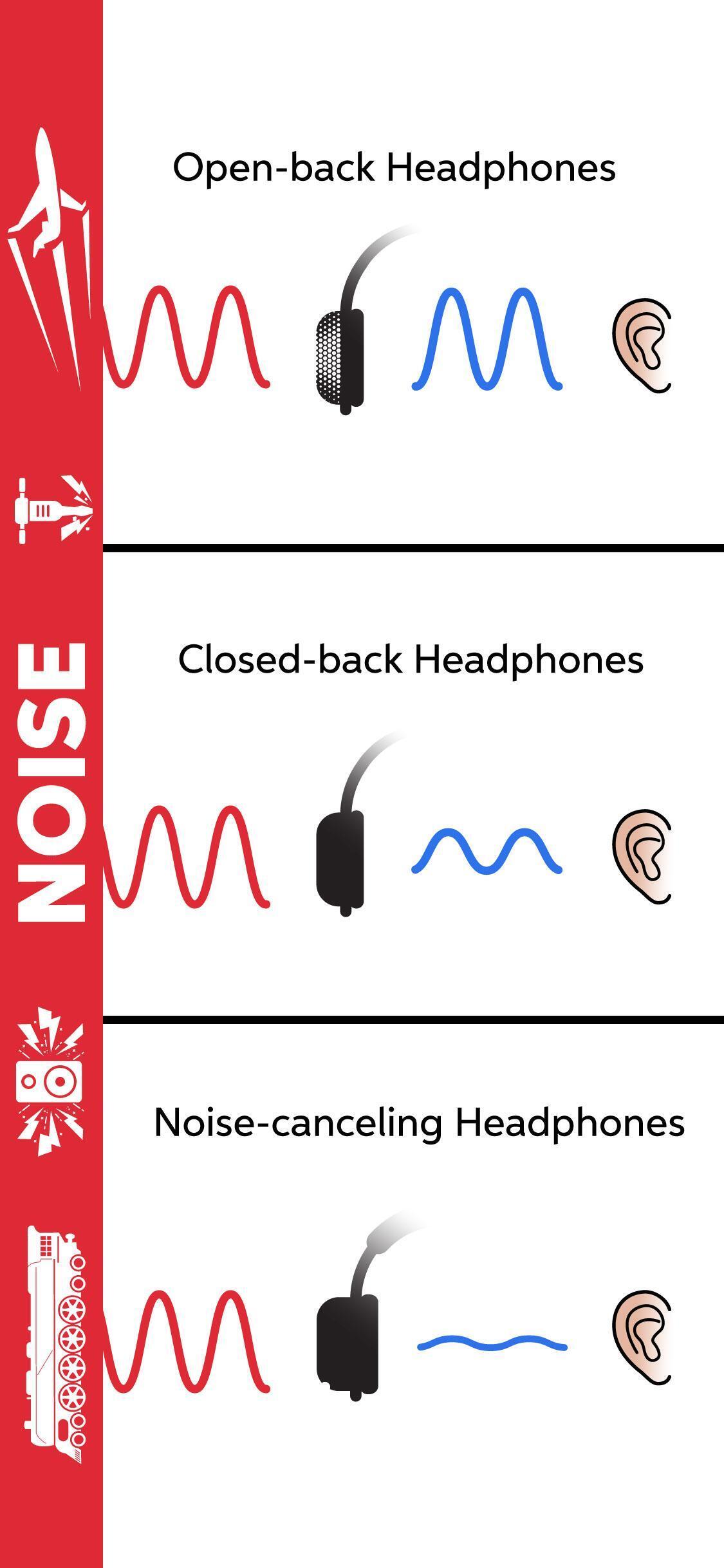
Types of Noise Canceling
Passive Attenuation or Noise Blocking Headphones
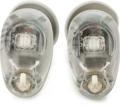
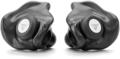
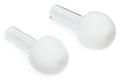
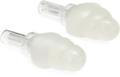
This is the easiest and most common way to reduce sounds. The simplest implementation of noise blocking is putting your fingers in your ears. It blocks sound from entering the ear canal so it doesn’t reach the tympanic membrane that translates it to the brain as sound. While decidedly low-tech, it’s also effective, which is why people do it all the time. The foam earplugs handed out at concerts are a perfect example of the effectiveness of inexpensive noise blocking. The next step up is earplugs that pass all the frequencies and only reduce the overall volume without dulling the high-frequency response. These are great, affordable unpowered options for blocking noise or attenuating sound.
Passive Noise-Canceling Headsets for Concerts & Kids
If you want to block sound while listening to headphones, then you can use closed-back headphones, which cover the ears with a solid structure that keeps outside sounds from entering. Sweetwater carries hundreds of closed-back headphones that sit over the ear. There are also passive noise-isolating headphones that reject even more sound, designed for use by DJs and drummers. And Sweetwater carries passive HearMuffs designed to protect the hearing of concertgoing children.
Check out all the hearing protection products that Sweetwater carries.
Active Noise Canceling
Active Noise Canceling (ANC), or Active Noise Reduction (ANR), comprises techniques that add a signal to the headphones to cancel ambient (surrounding) sounds.
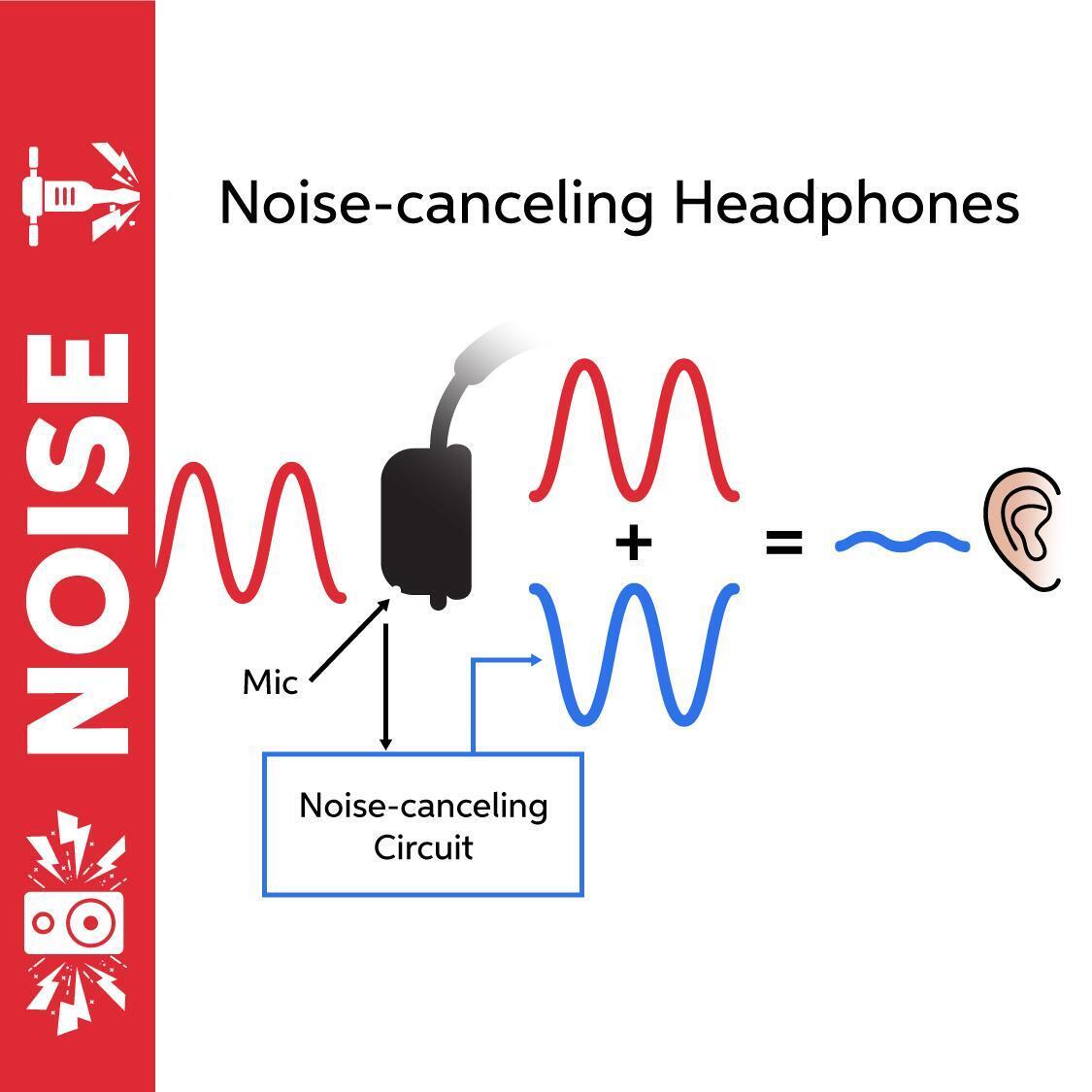
Active noise cancellation is a three-step process:
- Detection — Using one or more microphones to listen to the surrounding environment
- Creation — Using technology to manufacture a signal that is the opposite (antiphase) of the surrounding noise
- Application — Adding the antiphase signal to the headphone signal to cancel the noise
Using a word such as “antiphase” makes noise cancellation sound like alien tech from an episode of Star Trek, but ANC simply creates the mirror opposite of the ambient sound and adds it to the original. A simple mathematical way of understanding this is to think of the original sound as +1, which is then inverted (-1) and added back to the sound going into the headphones, so the result is zero (1 + -1 = 0).
ANC Headphones
For headphones, one or more microphones on the outside of the headphones pick up the ambient surround, invert the signal, and add it to the playback signal inside the headphones. This effectively cancels, or diminishes, the outside sound that is reaching the ear, allowing the desired signal (whether music or voice) to be heard more clearly. This is very effective for steady-state signals such as large motors or engines in airplanes, trains, subways, etc. ANC can typically reduce ambient noise by 20–40 decibels. Since the system is active, it requires power, so any headphones with ANC will require battery power to operate. Sweetwater carries a wide variety of noise-canceling headphones at many different price points from vendors such as Bose, Sennheiser, JBL, Shure, Sony, Focal, Audio-Technica, Beyerdynamic, and more. Headphones such as the Apple AirPods Max utilize eight microphones for their ANC, which allows them greater resolution when it comes to accurately interpreting and canceling noisy surroundings.
ANC Earbuds
This same ANC technique works with earbuds. Their effectiveness is influenced by the seal of the earbud in the ear canal. Sweetwater carries many noise-canceling earbuds.
Transparency Mode
ANC has progressed to the point where it is so good that newer headphones and earbuds often incorporate a hear-through or transparency mode. This allows users to hear what is going on around them even while listening to recorded music. This is particularly useful for runners or walkers who listen to music or podcasts but still need to be situationally aware of their surroundings to avoid automobiles and bikers that may approach.
Sweetwater Has Your Noise-canceling Headphones
Whether you need headphones or earbuds for exercise, travel, or work, Sweetwater has a multitude of options sure to fit your needs. If you need help deciding which are the best for you, then call your Sweetwater Sales Engineer at (800) 222-4700, and they’ll help you find exactly what you need.
Looking for more details about noise-canceling technology? Read more about how noise-canceling headphones work on Sweetcare.