“I’ve been thinking of getting a Firewire drive for my DAW system, but I’ve heard they don’t always work too well. I’ve also been thinking of upgrading to one of the MOTU 828 systems, but if Firewire is sketchy I’m not sure I should. Any insight on that?”
Firewire drives have historically been less than perfect. But many of them are getting better. Dididesign recently announced support for some specific Firewire mechanisms, but your chances of being able to record to any old off the shelf drive is remote. Most of them simply aren’t designed with this type of application in mind.
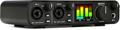
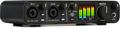
The MOTU 828 has been great. For a new type of product we’ve seen remarkably few problems. If you are thinking of going to an 828 (and who wouldn’t be) you need to be doubly careful about Firewire drives. Not only does the drive need to be able to handle getting large amounts of data in and out rapidly, but also it needs to not interfere with the 828’s ability to get audio in and out of the computer. Right now MOTU supports one drive, the Glyph M Project. Tests so far show that this drive is ideal for just about any audio application, so if you want a Firewire drive for recording, this is the drive for you right now. In general we’ve found that Glyph (unlike virtually every other drive company) pays very close attention to the needs of audio and video professionals. Consequently their products work great, and their support is consistent with that.
So the rumors you’ve heard about Firewire drives in audio applications are largely true. However, if you choose wisely you can easily put together a system that will work flawlessly, and for very little money.