

Every month in Best of Guitar Gallery, we highlight a selection of guitars that stand out for their artistry, design, and craftsmanship. Chosen from Sweetwater’s industry-leading assortment and individually photographed, inspected, and tested by our experts, each instrument is carefully handled, stored in a climate-controlled facility, and presented exactly as it is — so the guitar you see is the guitar you receive.
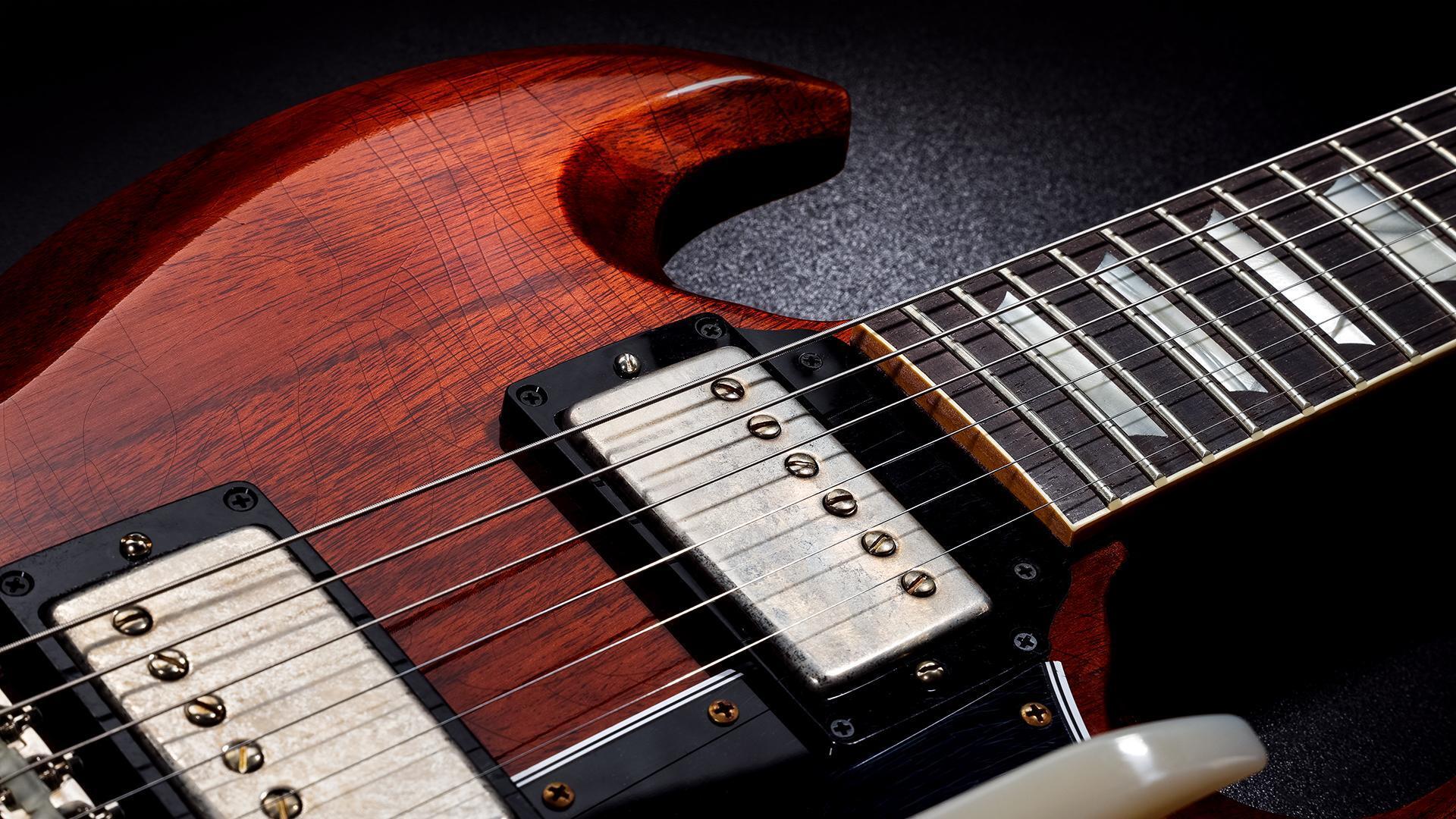
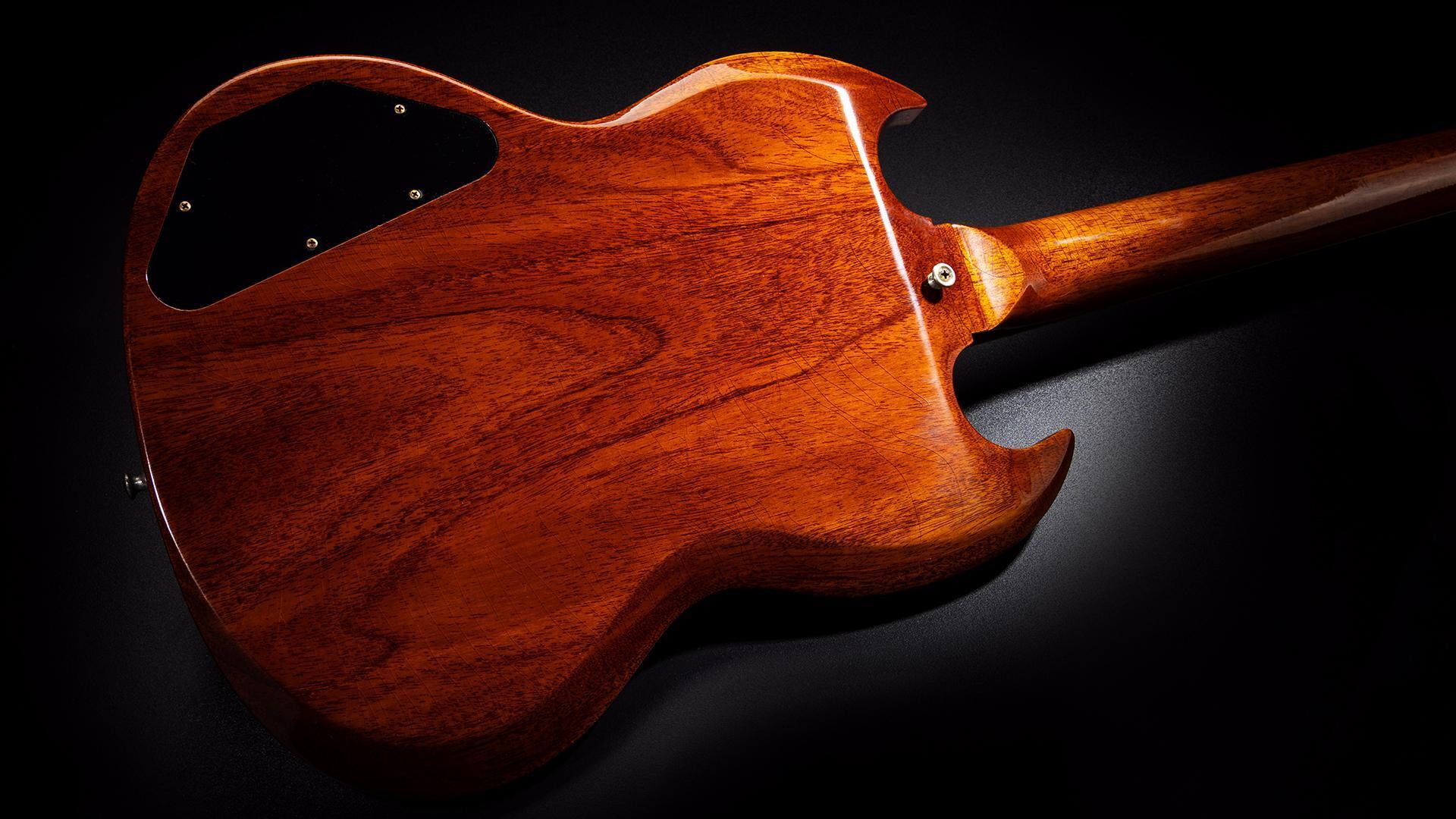
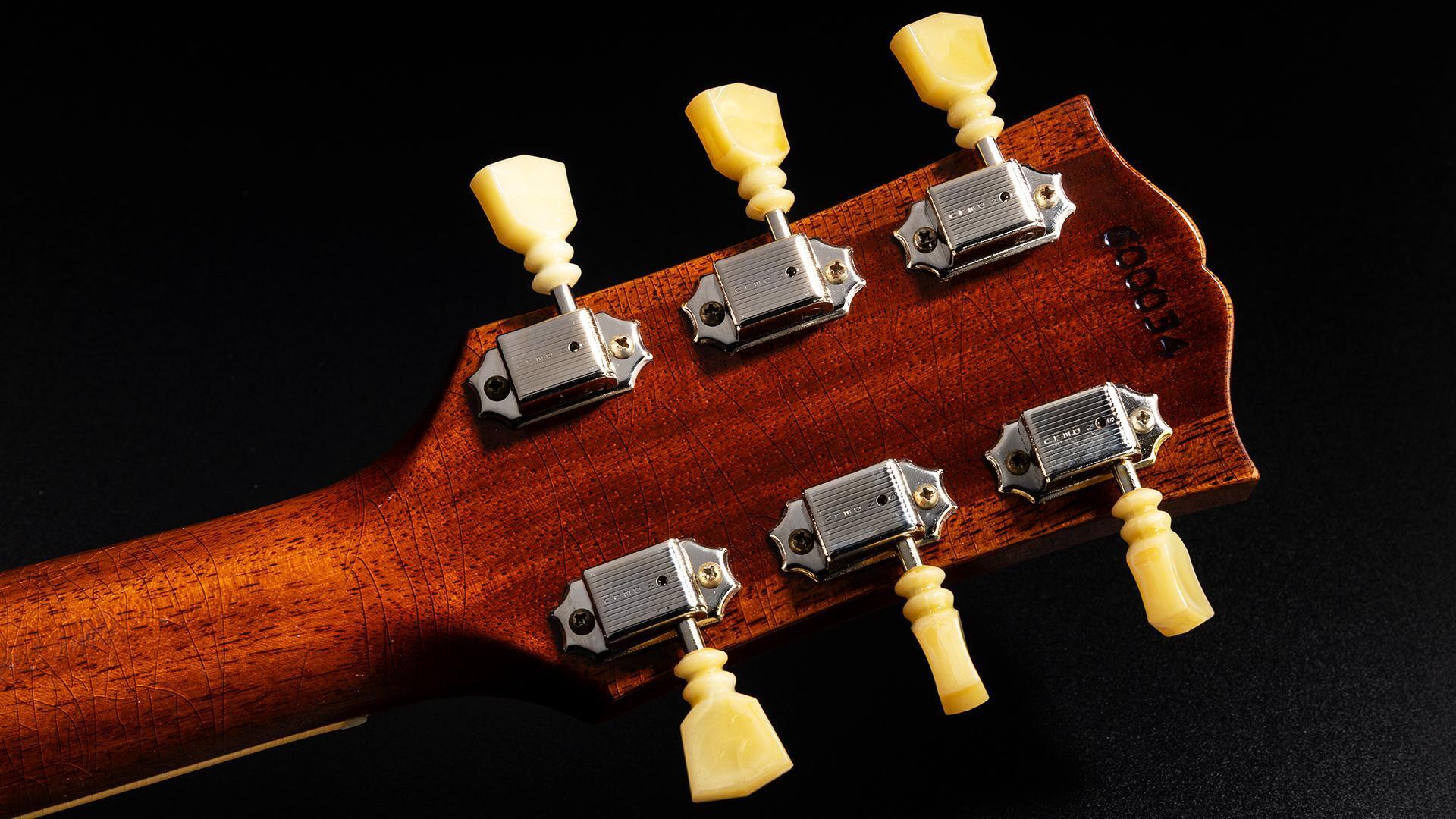
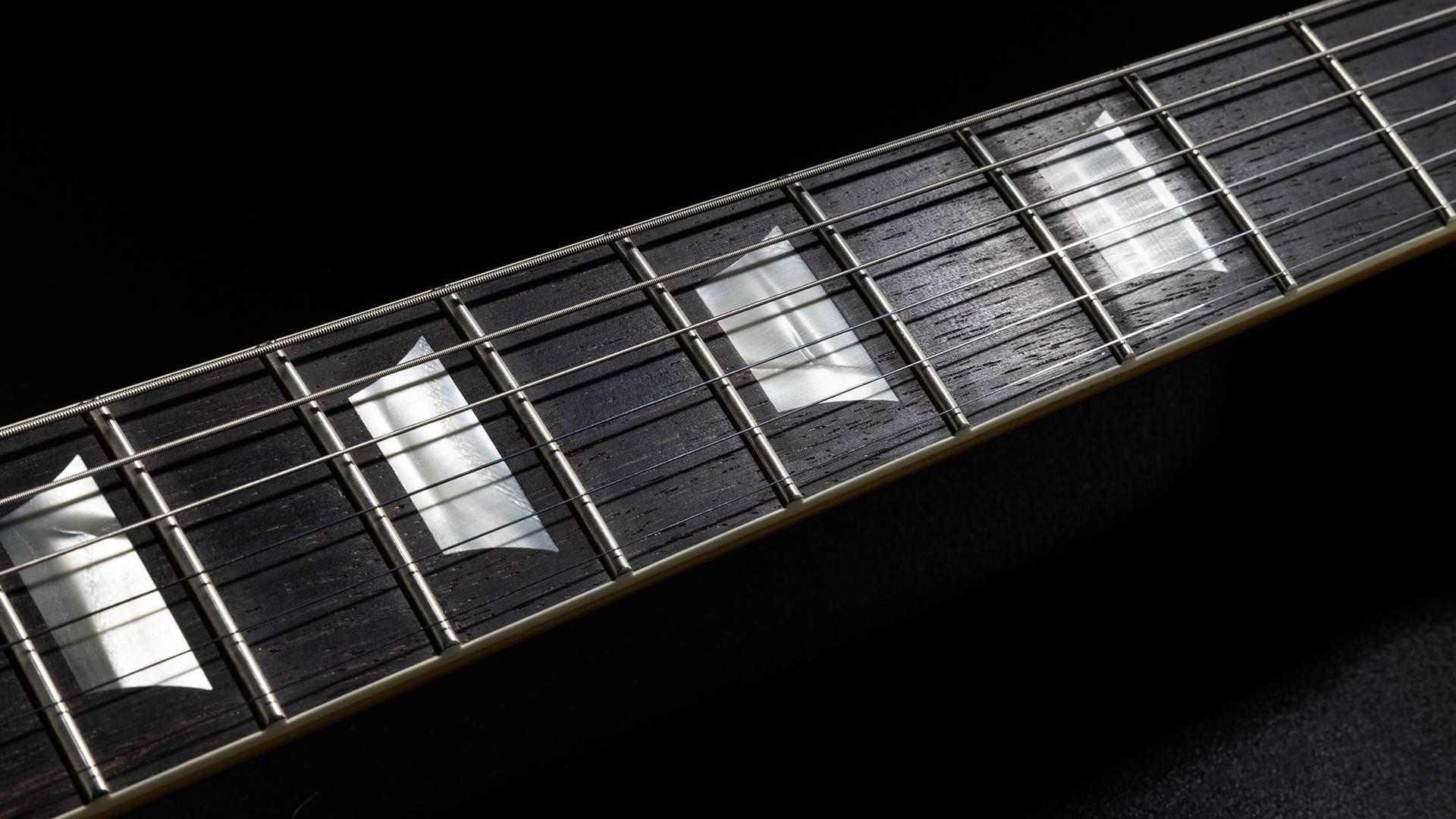
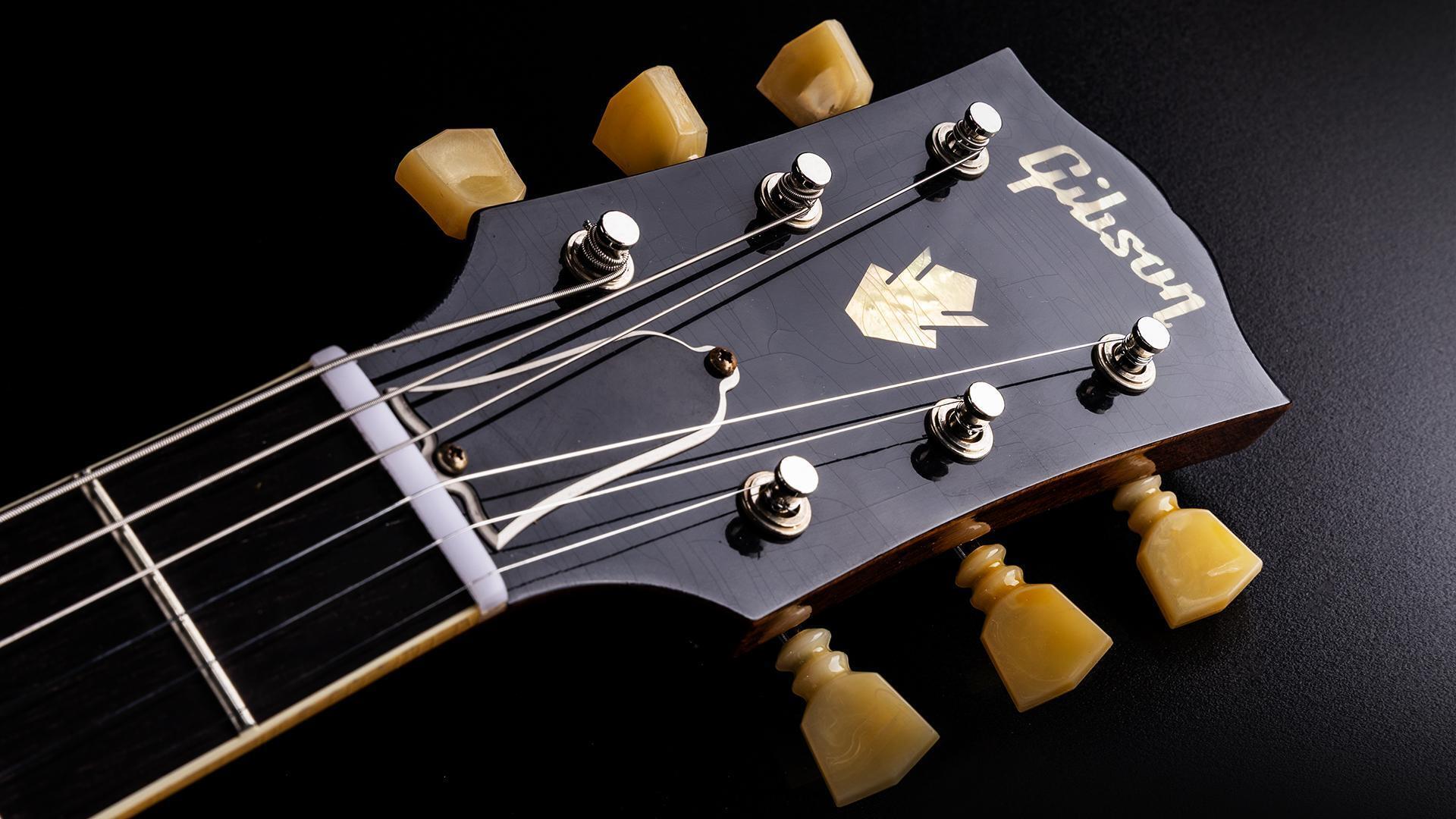
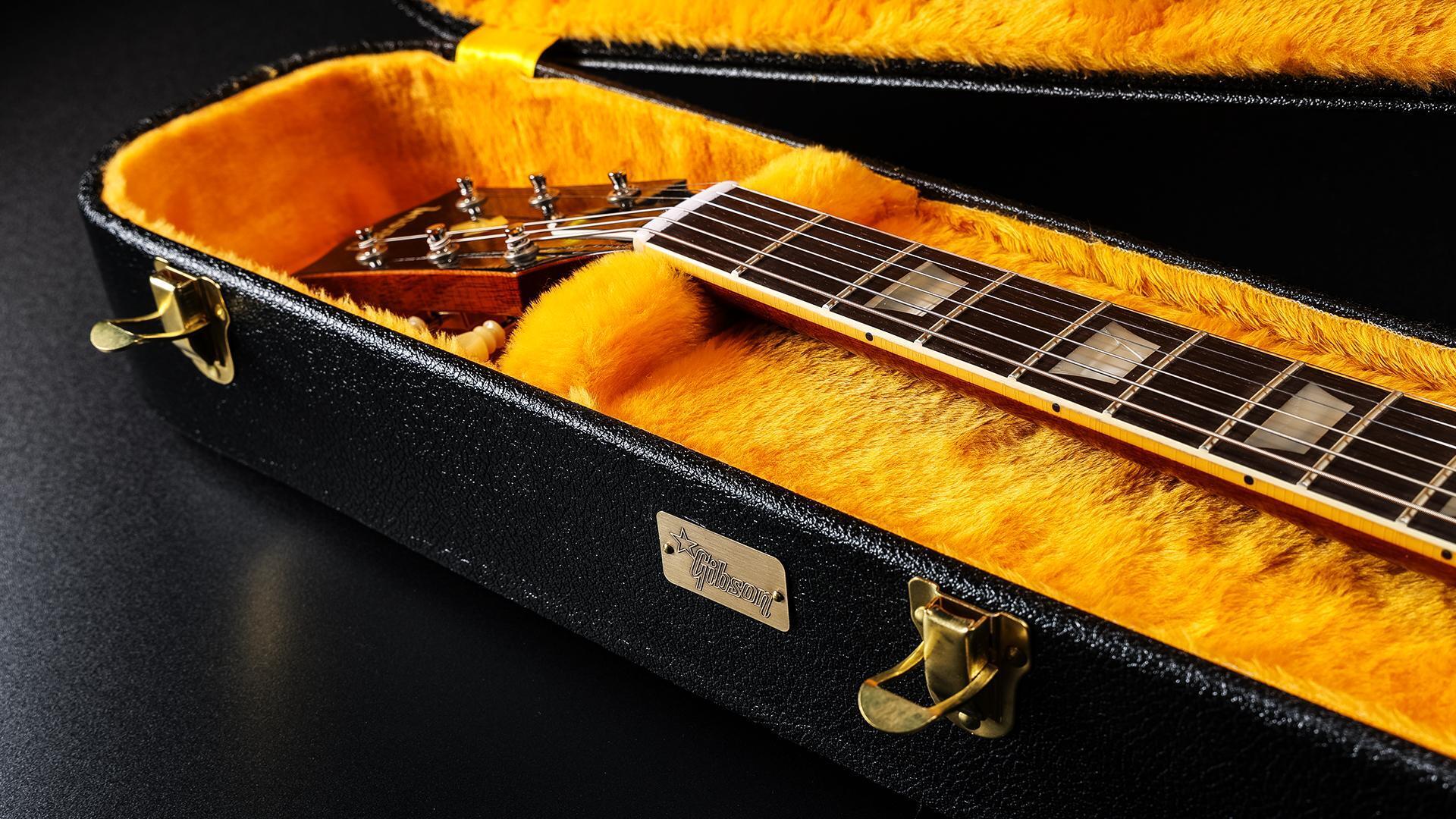
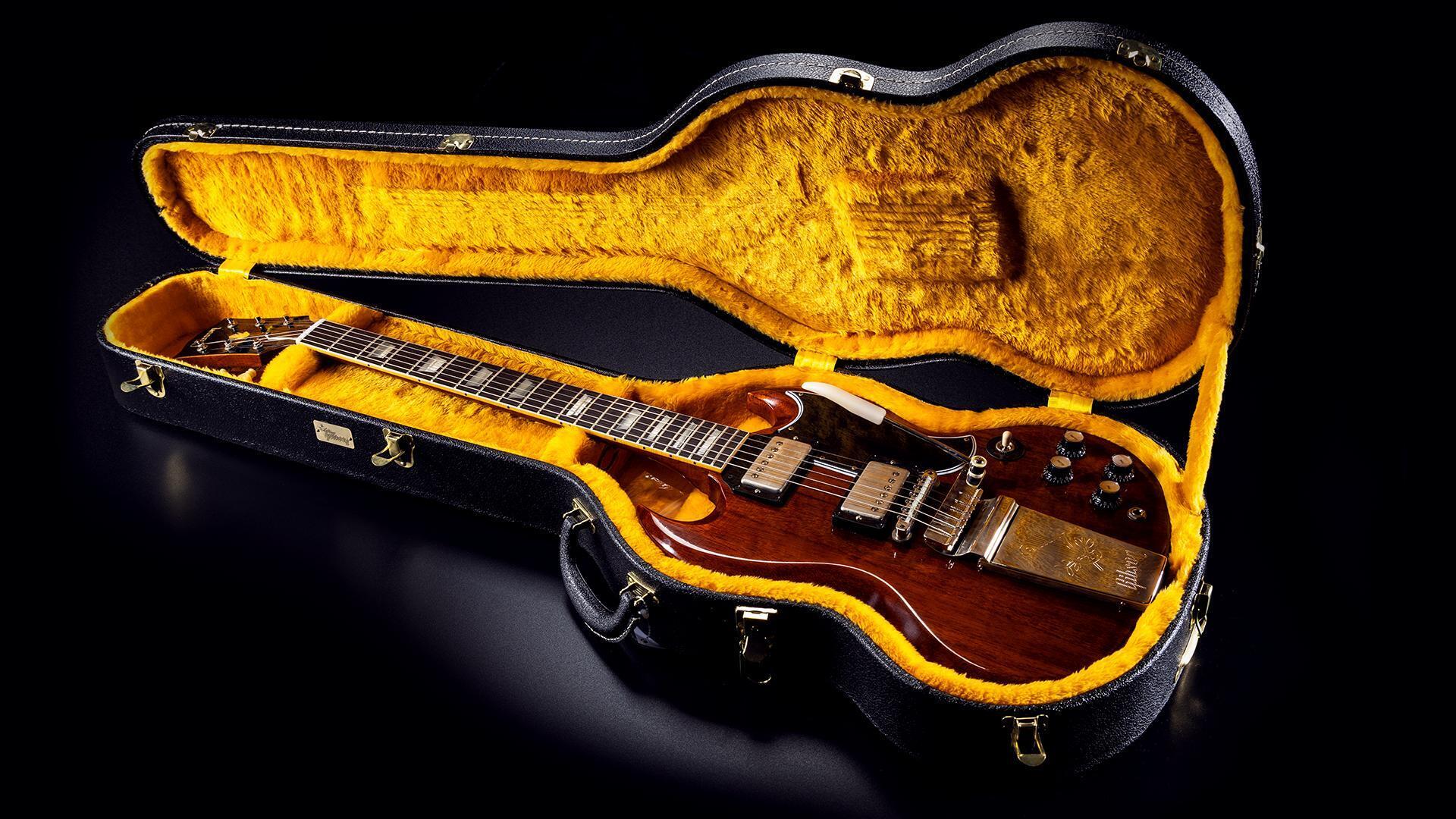
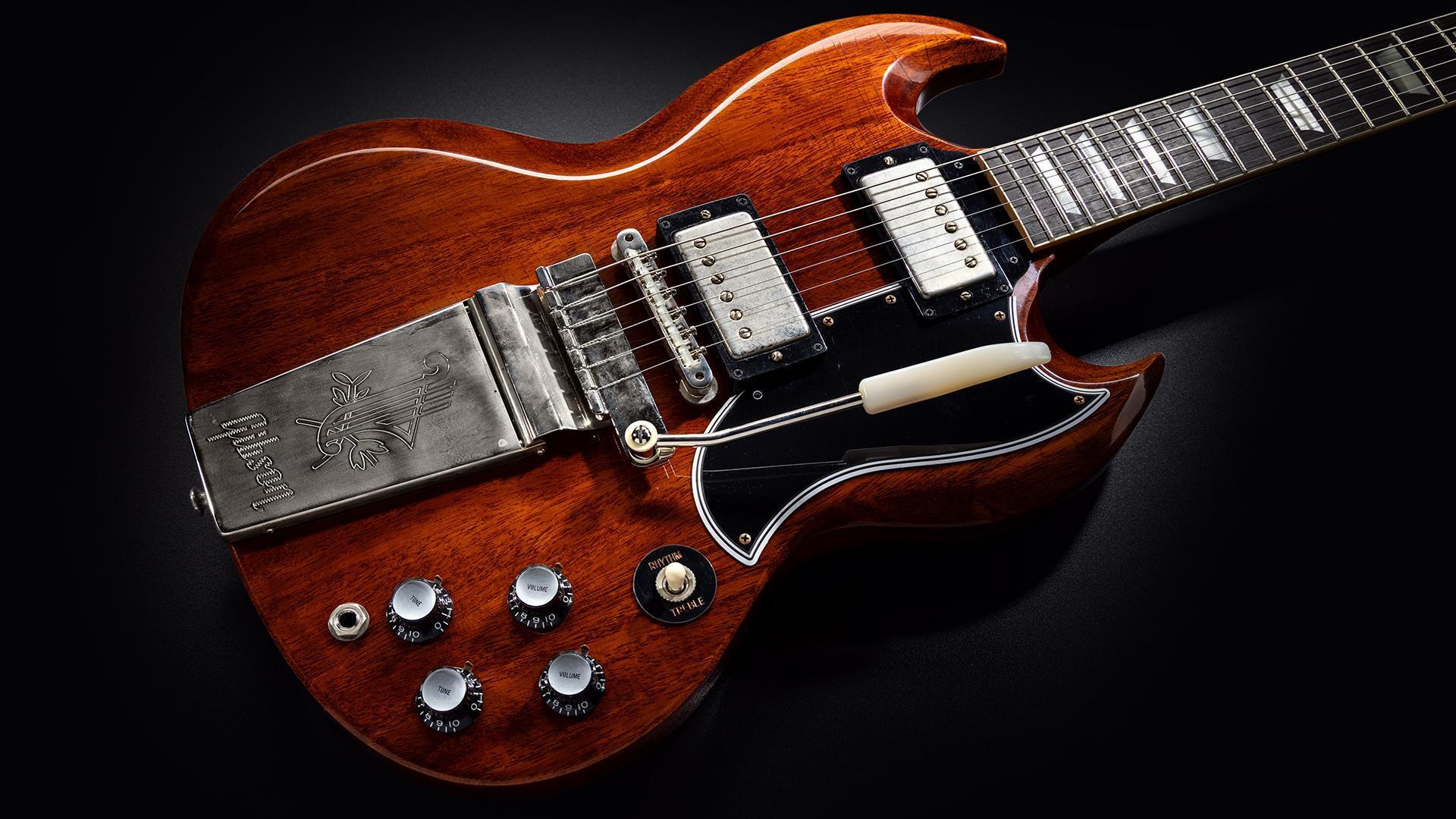
Gibson Custom 1964 SG Standard – Faded Cherry, Brazilian Rosewood Fingerboard, Murphy Lab Ultra-Light Aged, Sweetwater Exclusive
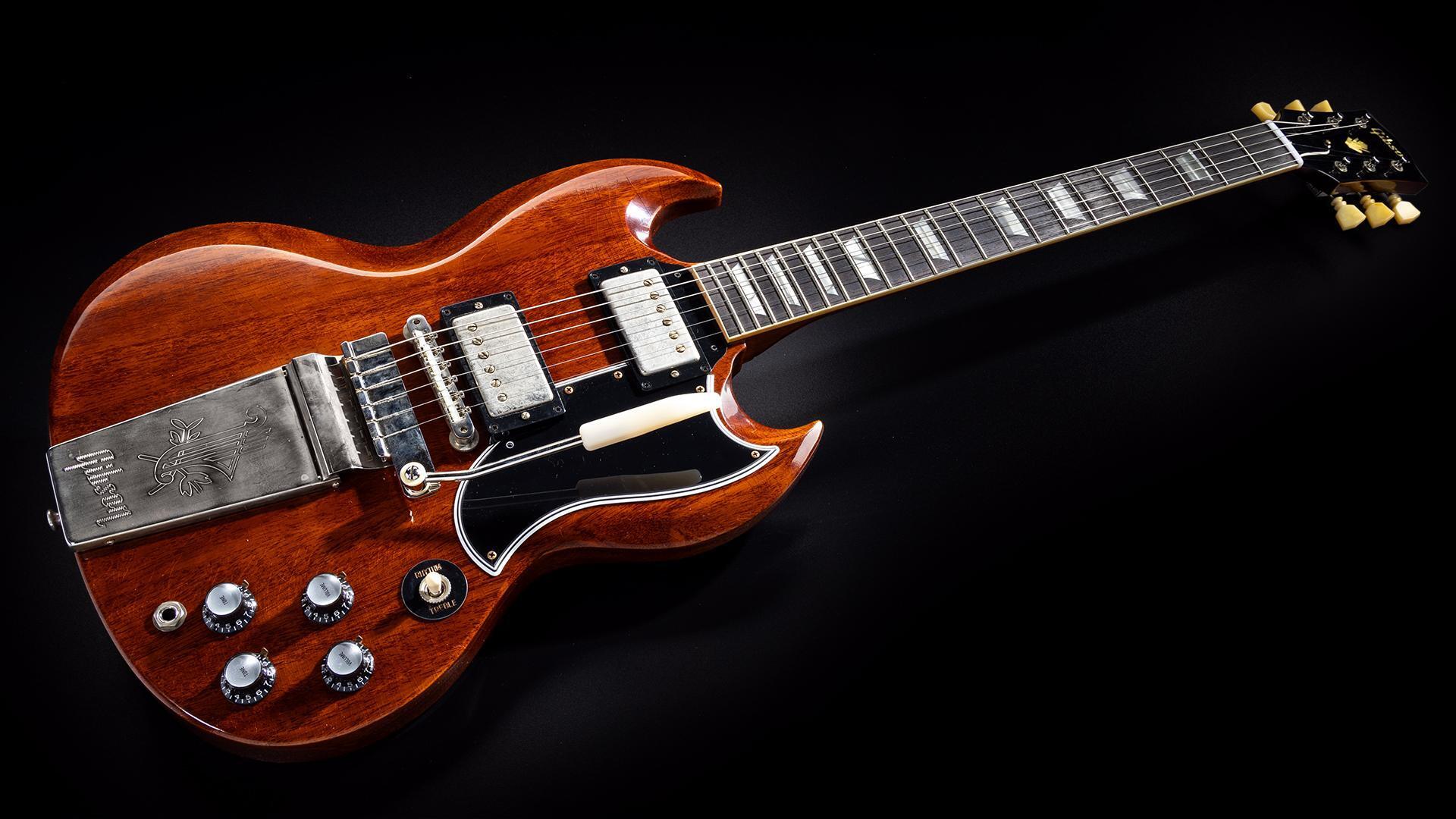
To discerning collectors and vintage-minded players alike, the 1964 Standard represents a sweet spot in the evolution of Gibson’s iconic SG electric guitar.
As a testament to the design’s success, a 1964 SG Standard ended up in Eric Clapton’s hands during his years with Cream. Nicknamed “The Fool,” the guitar was the foundation of Clapton’s “Woman Tone” heard on legendary tracks such as “Sunshine of Your Love.”
Another noteworthy ’64 model was used extensively by George Harrison on the Beatles’ Revolver album and then by John Lennon on The Beatles (a.k.a. The White Album).
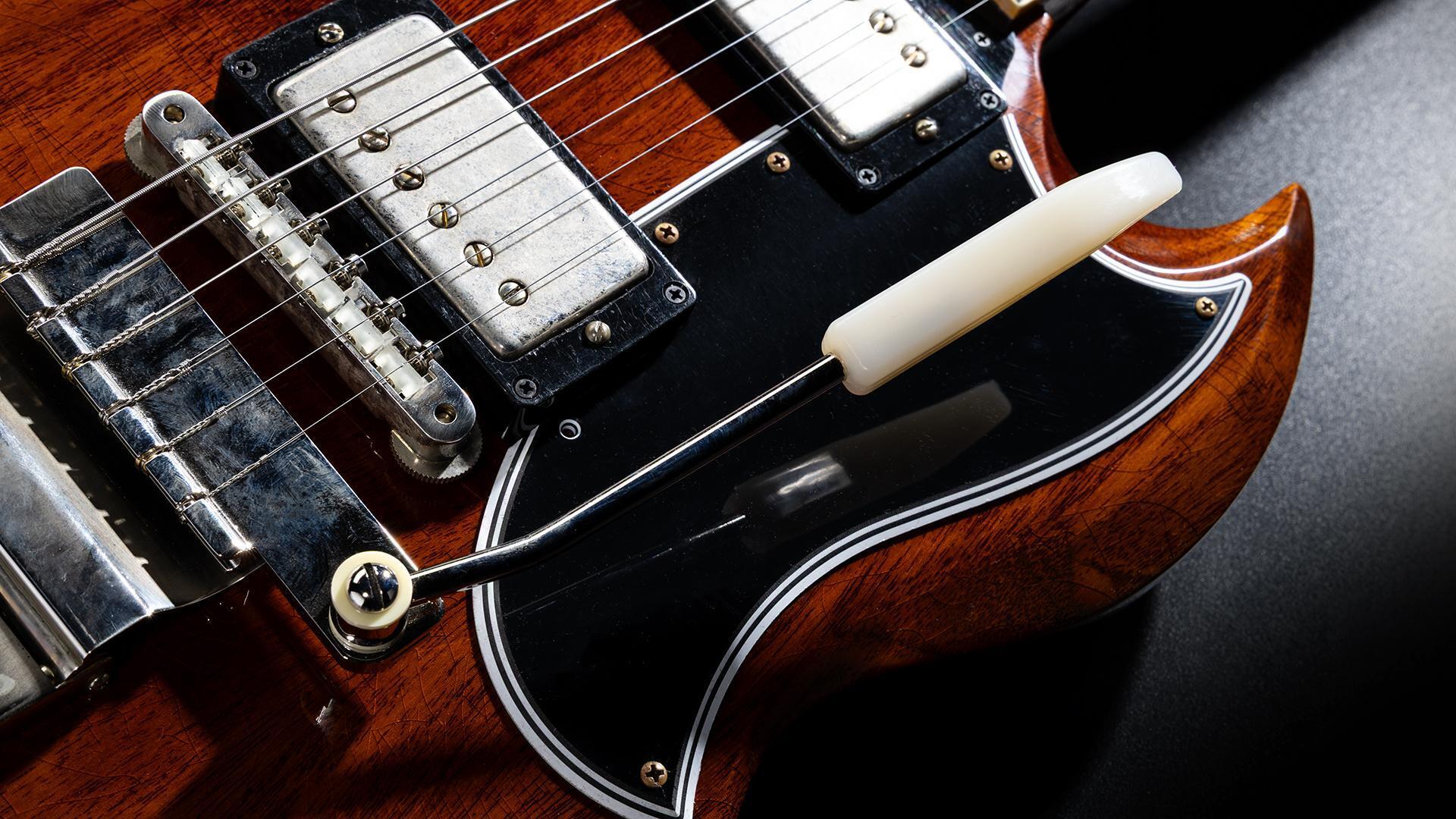
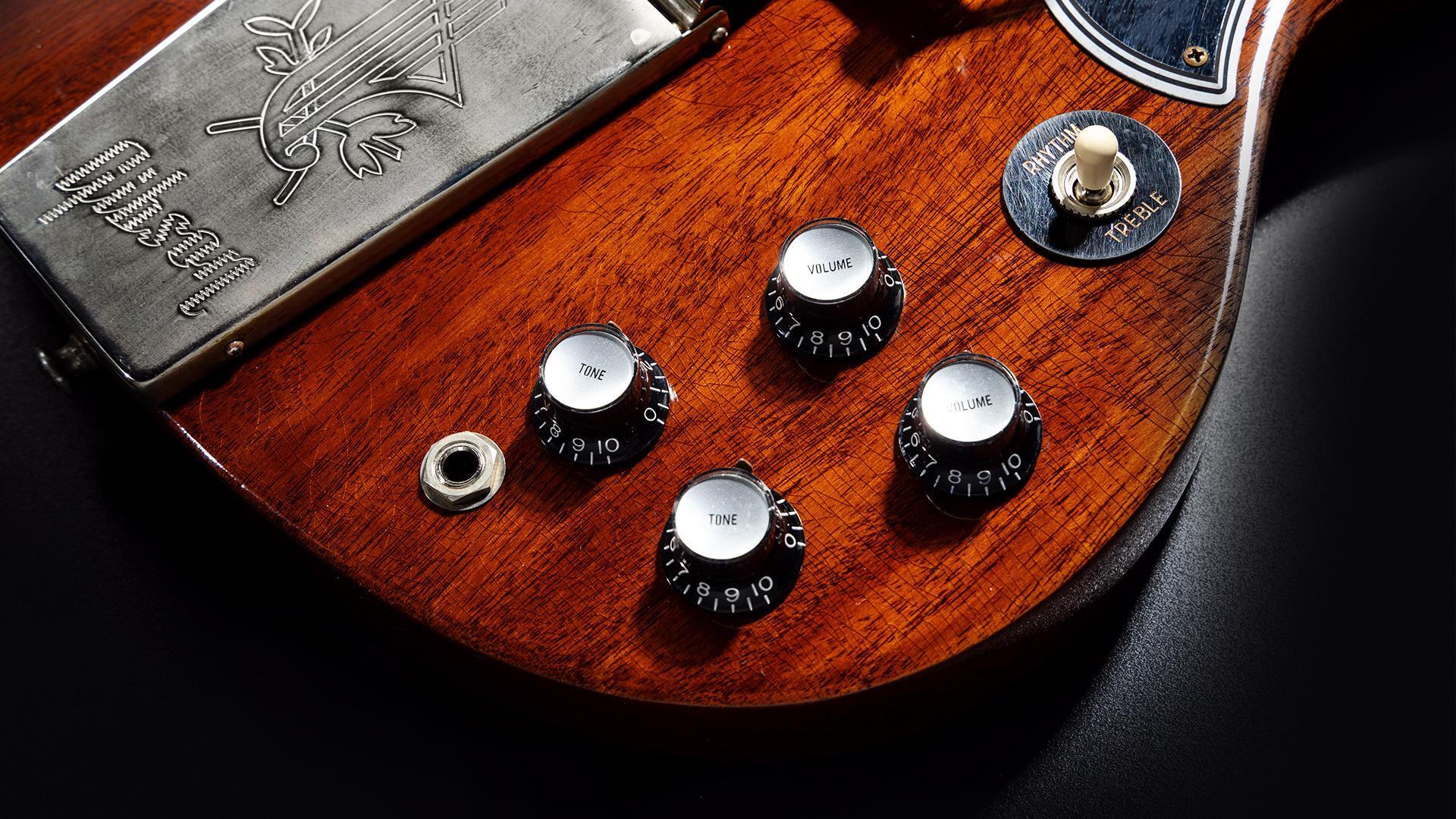
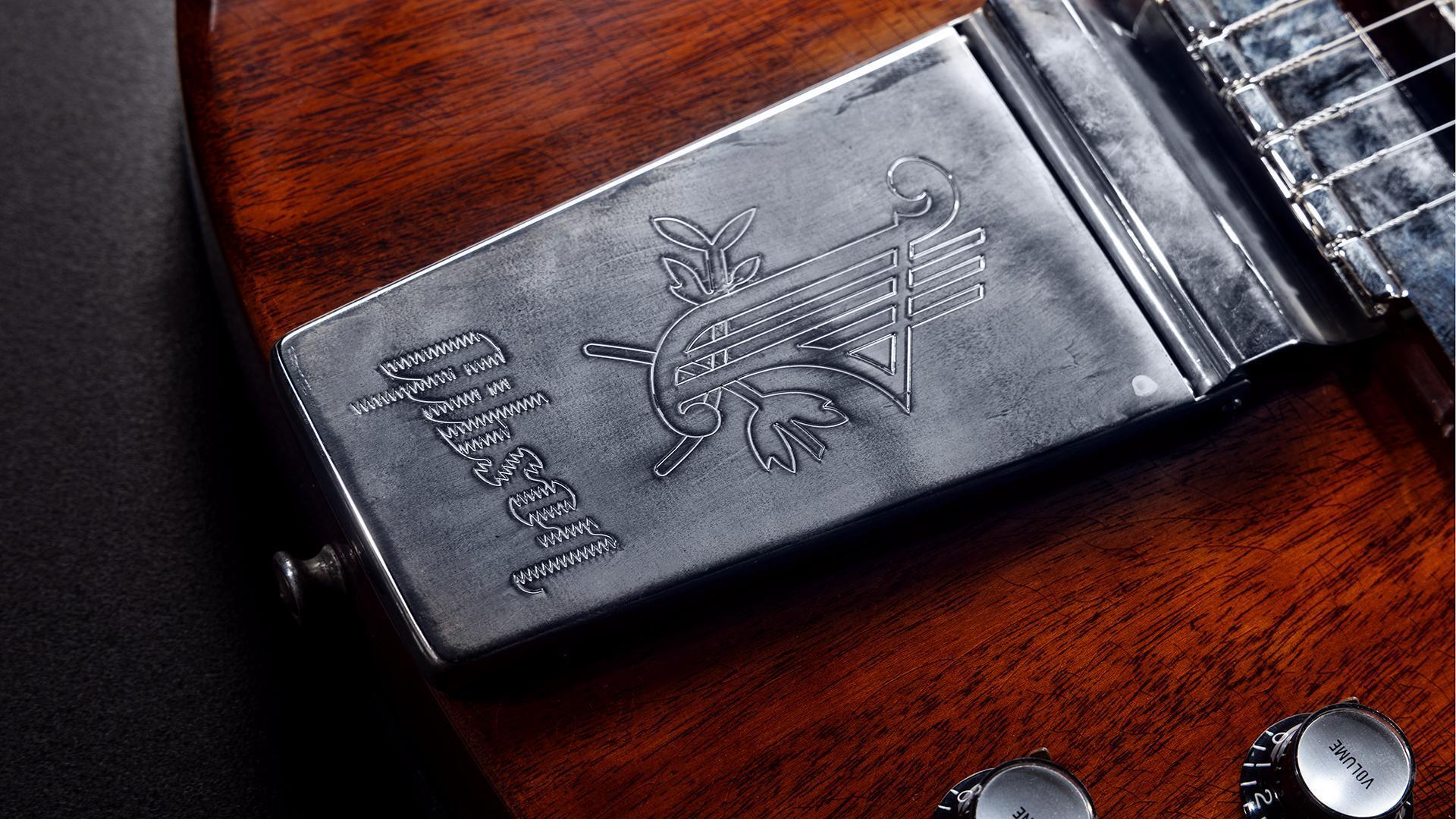
Among the reasons many players preferred the ’64 was its effortless playing. This could be attributed in part to a “modern medium,” 1.688-inch nut width, which allowed wider string spacing than a typical electric and made for a versatile guitar that was easier to play across a wide variety of chording, strumming, and picking techniques. Factor in a slightly wider neck profile than its predecessor, and the ’64 Standard SG was also praised for its stability and comfortable feel. Regarding hardware, the Maestro Vibrola was a welcome upgrade for many, compared to the side-pull vibratos of earlier models. Despite these and other incremental improvements, the all-mahogany body and the proven PAF humbuckers were wisely left intact, ensuring the guitar delivered the sweet, chiming yet warm sound for which Gibsons were renowned. Aesthetically, the combination of the Cherry finish, black top hat knobs, black pickguard with white border, and Kluson Deluxe tuners offered timeless appeal.
Looking to conjure the authentic tones, feel, and vibes from this widely acclaimed and historically significant instrument, Sweetwater’s guitar experts worked directly with Gibson to create the Custom 1964 SG Standard.
Limited to four instruments and featuring period-correct specs from top to bottom, highlights include a vintage-correct Brazilian rosewood fingerboard and dual unpotted, low-output Custombucker pickups to faithfully re-create the harmonic bloom and touch sensitivity of vintage PAFs. Lastly, the Murphy Lab Light-Aged nitrocellulose finish, combined with delicately aged cellulose trapezoid inlays, binding, and hardware, makes the guitar look like it was transported from a 1960s London recording studio straight into your living room.
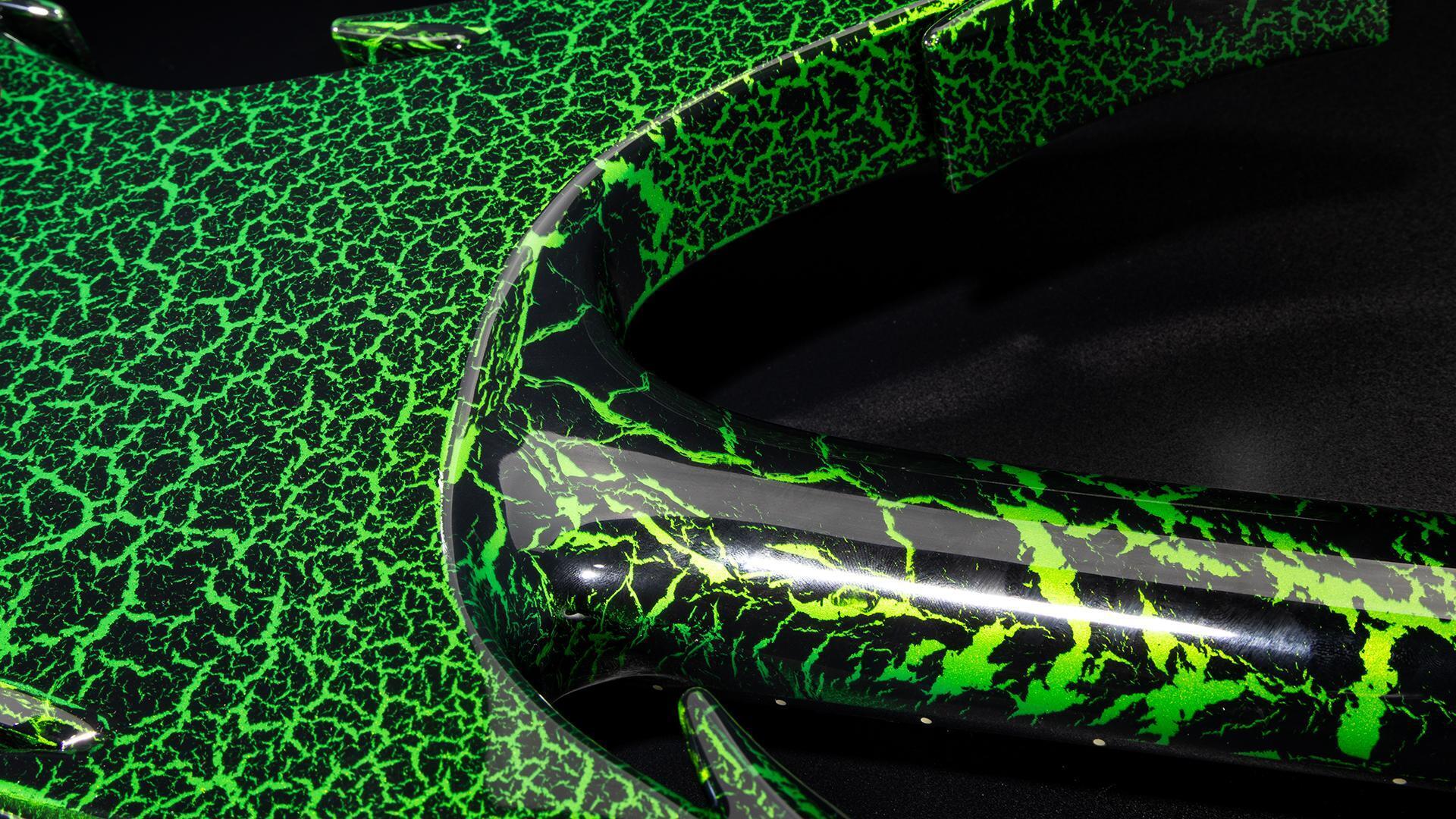
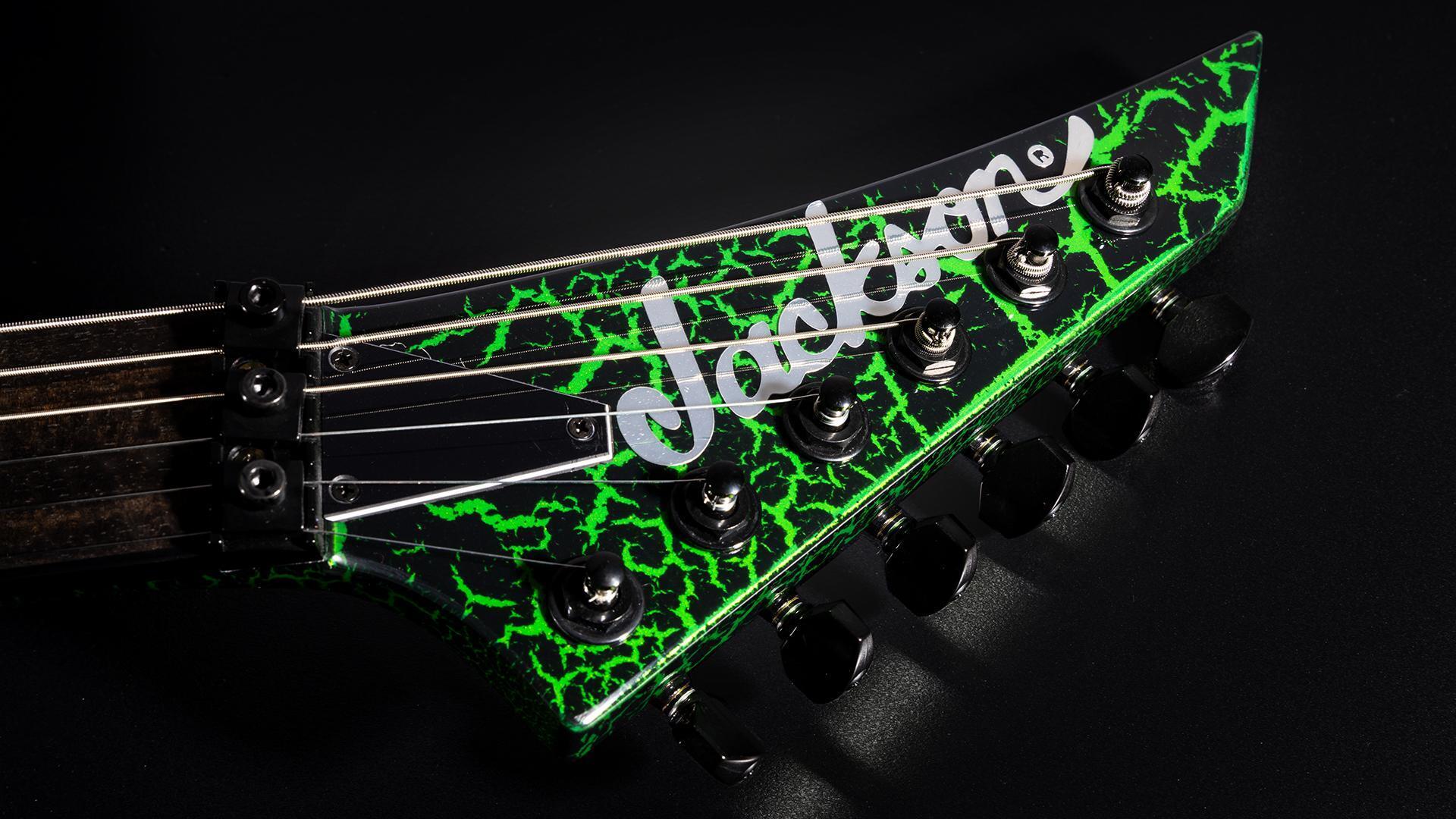
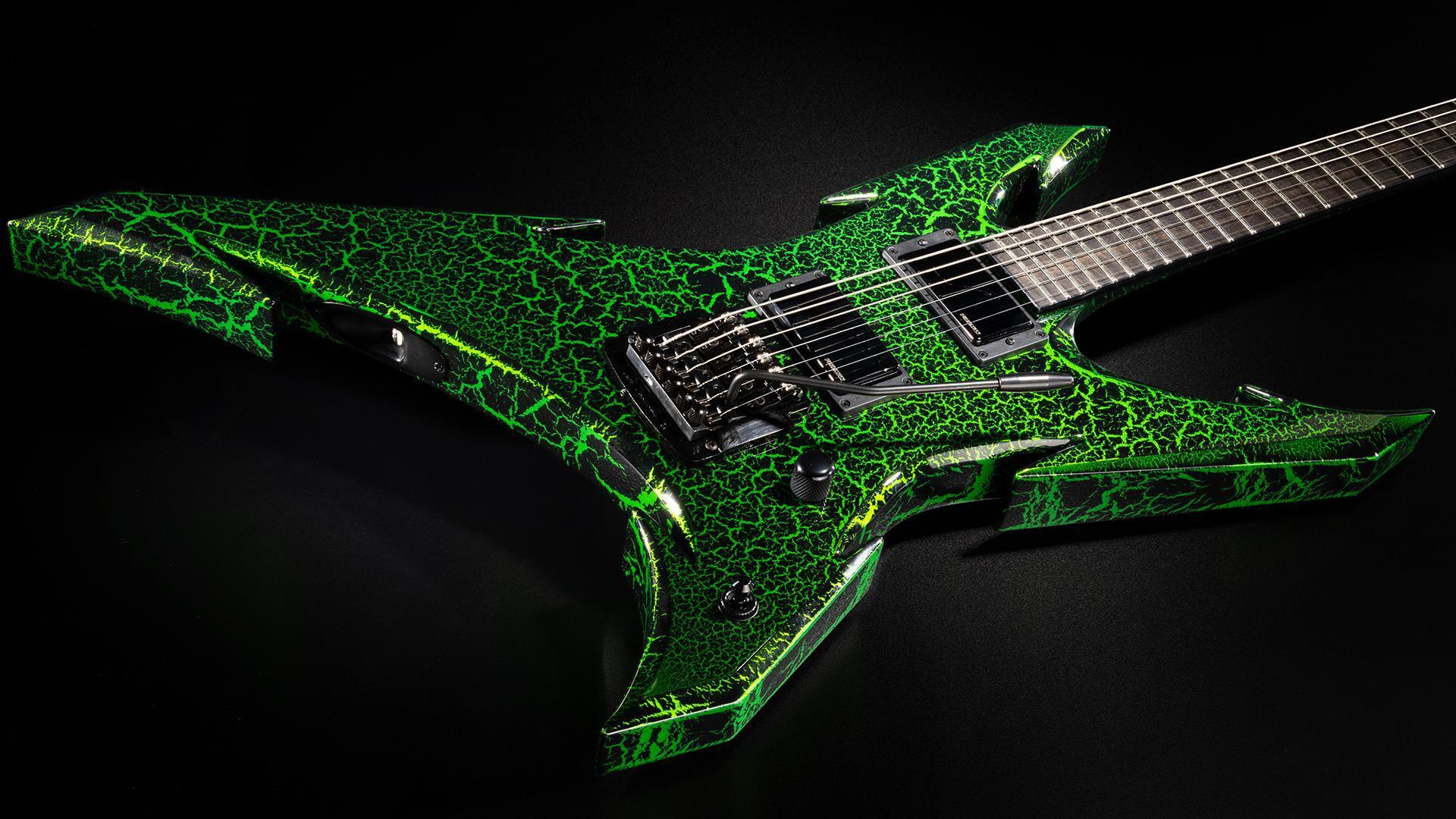
Jackson Custom Shop Masterbuilt Extreme Warrior – Black Crackle/Absinthe Frost
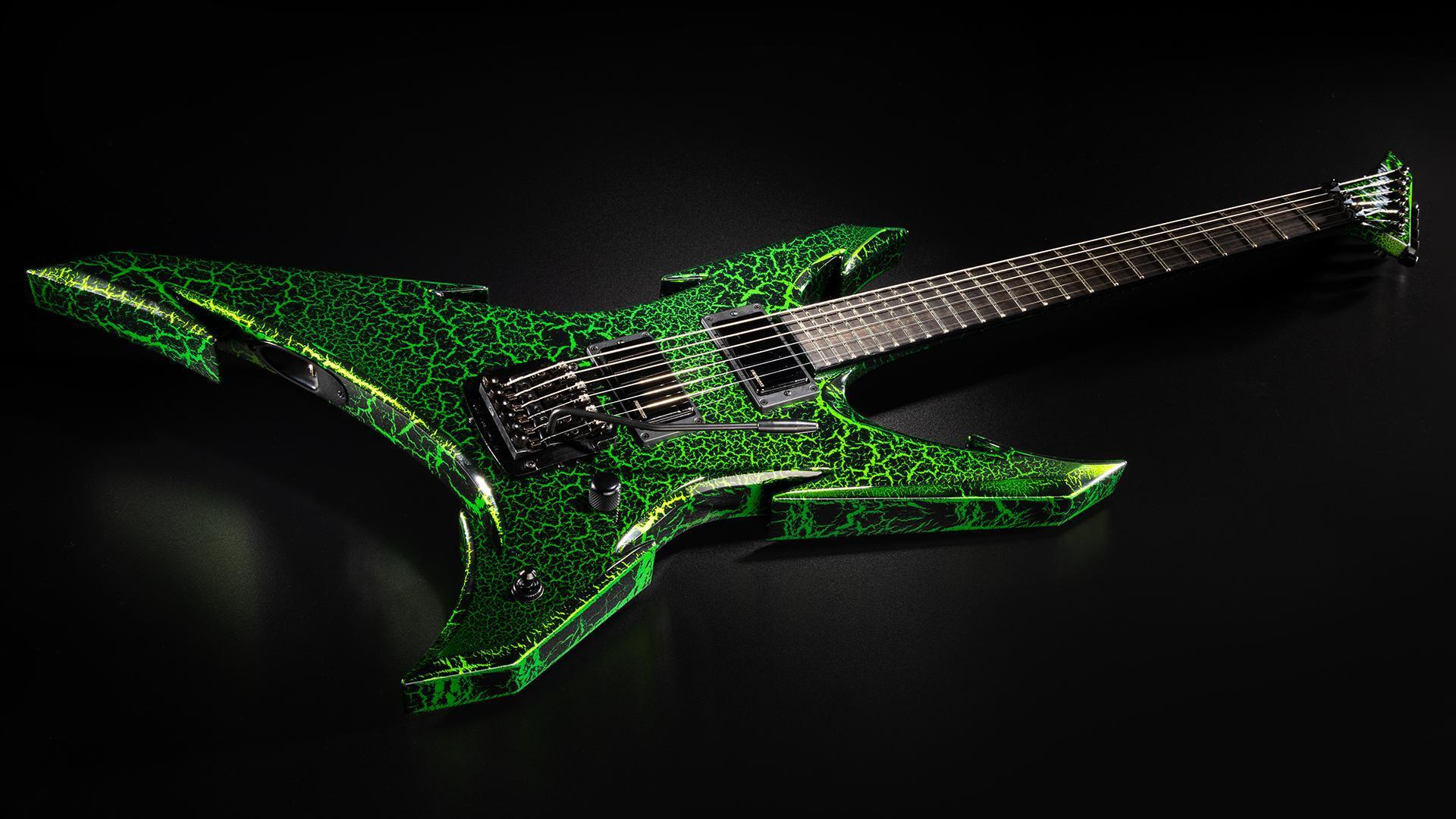
If you’ve ever gone to dinner with a savvy foodie friend, then you may have noticed they occasionally order “off the menu” — secret, special dishes that offer next-level dining experiences beyond the restaurant’s standard fare. In the world of metal guitars, Jackson’s Extreme Warrior is an off-the-menu treat.
Fans of heavy music know Jackson’s regular production Warrior model as a fierce, razor-sharp weapon of sonic destruction. Taking things, well, to the extreme, the Extreme Warrior versions were typically one-off or limited-run custom shop models featuring over-the-top shapes, inlays, and finishes, not to mention top-shelf hardware and electronics. Since quite a few of these were built as show stoppers for events such as NAMM, they wound up in the hands of industry insiders, never reaching the general public.
Today, due to their scarcity and exquisite build quality, Extreme Warriors are highly sought after by shredders and collectors alike.
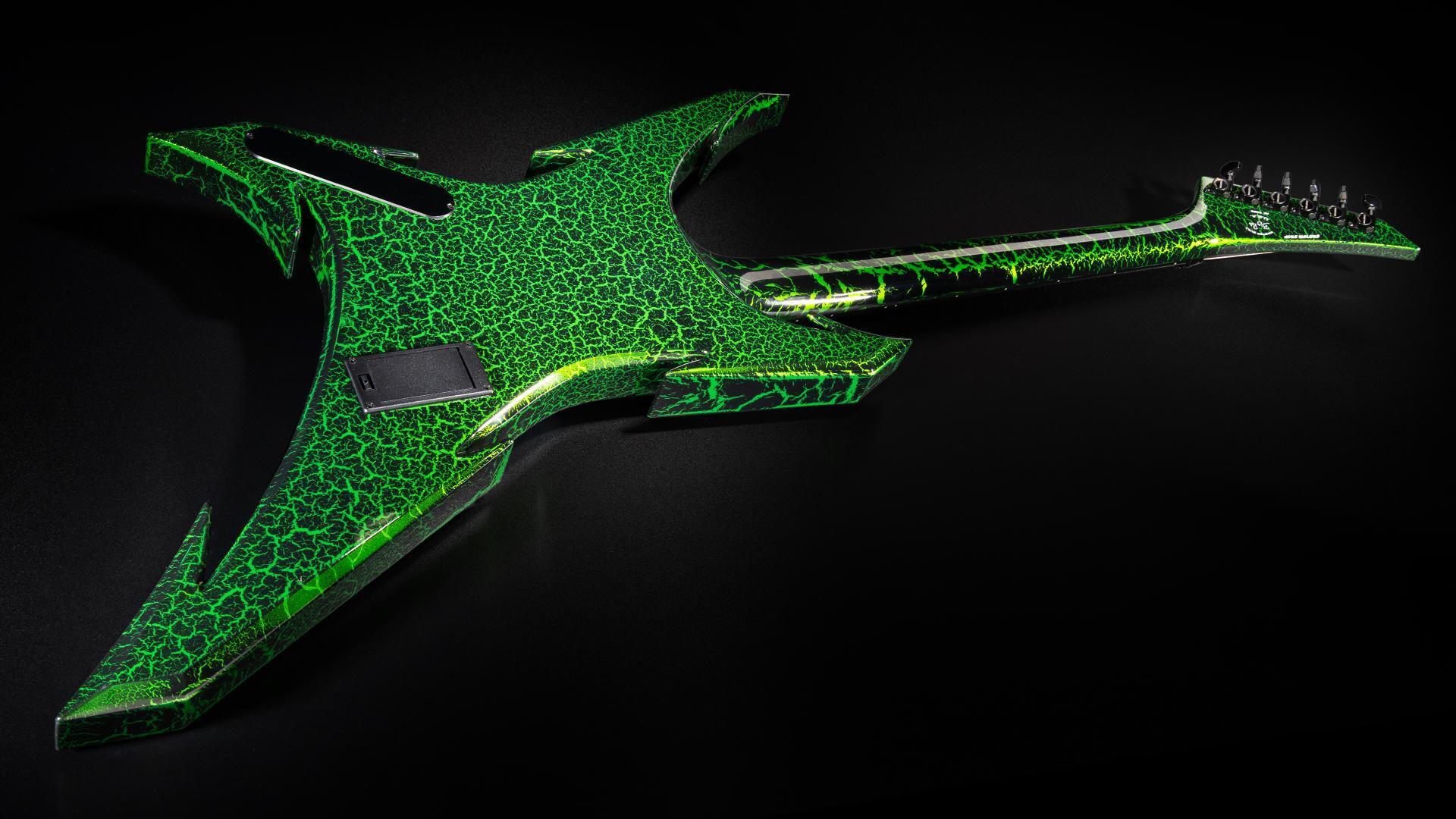
In creating this Custom Shop Masterbuilt Extreme Warrior electric guitar, Jackson Master Builder “Big” Rob Knowles struck a fine balance between 2026 tech and early metal attitude.
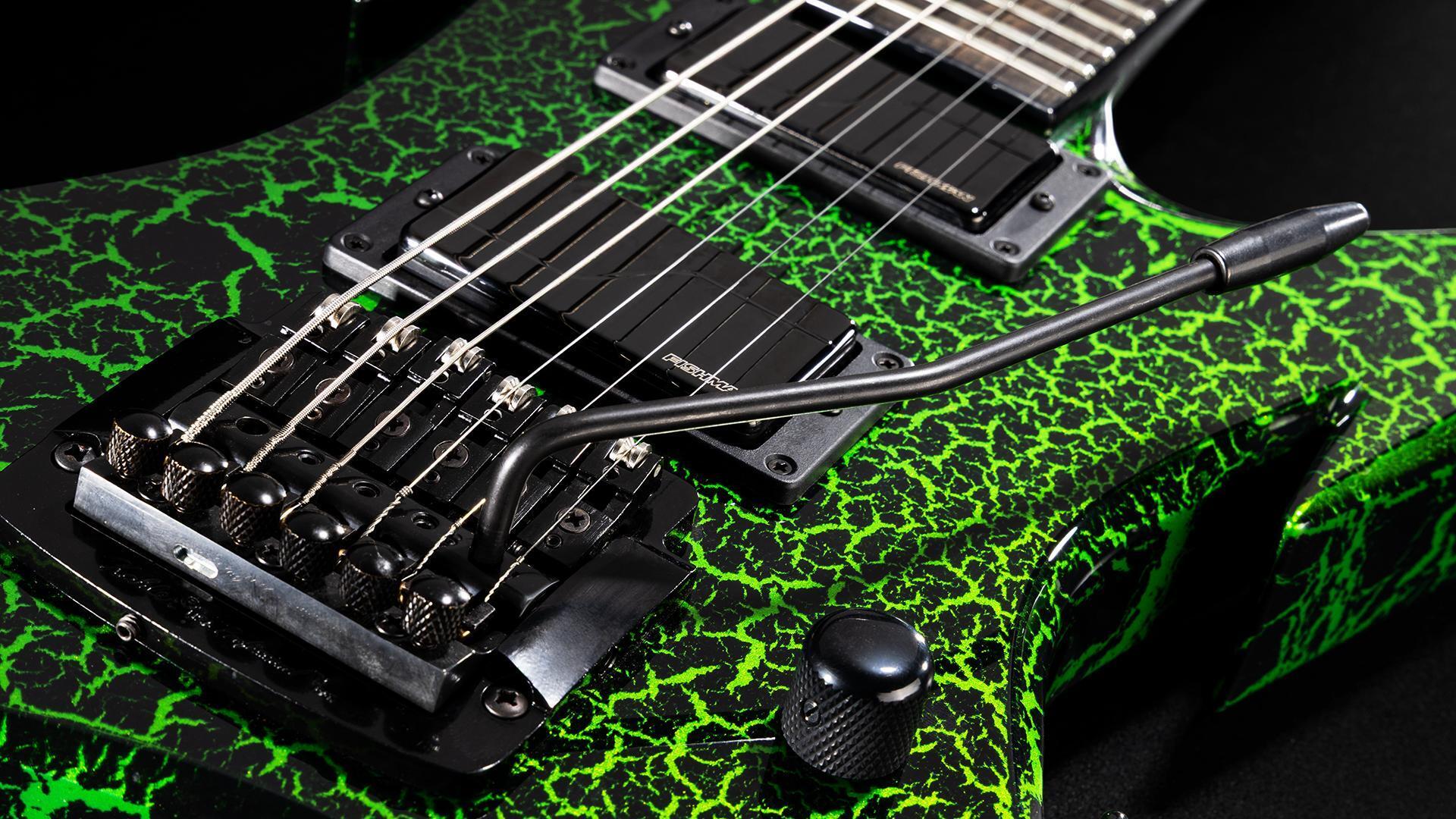
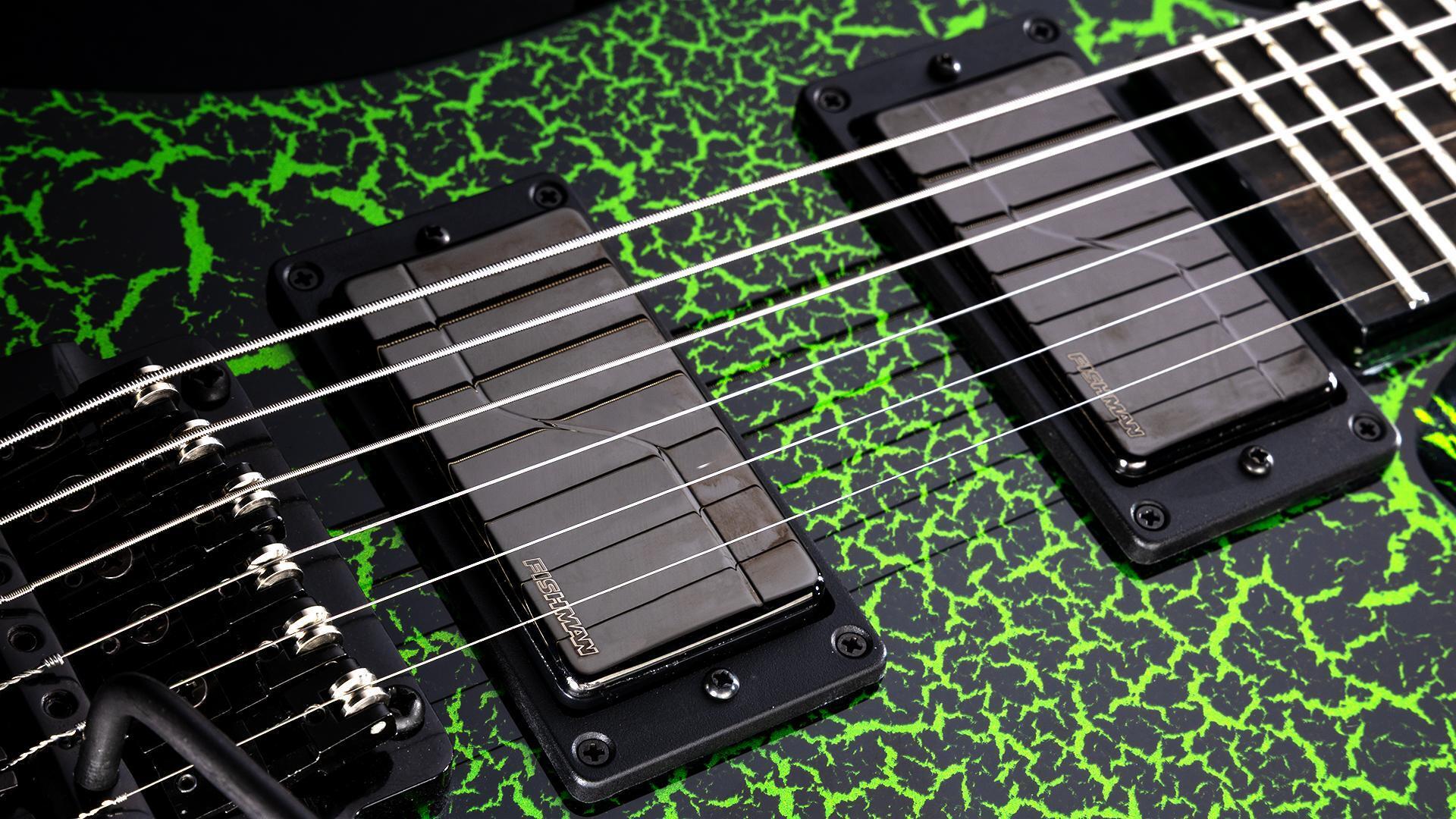
To ensure tones appropriate for today’s envelope-pushing, mold-breaking progressive guitarists, Knowles chose multi-voice Fishman Fluence Modern active humbucking pickups, which are fast becoming a gold standard for modern metal.
The Kahler 3300 double-locking tremolo — a staple of metal guitars since the 1980s — lets the player select between fixed and floating bridge operation. The combination of neck-through construction, a quartersawn maple neck, and an ebony fretboard enhances sustain. Last, the 24-fret, compound-radius fingerboard makes for easier chording low on the neck and more fluid single-note lines on the upper frets.
In a final nod to the past, the Black Crackle over Absinthe Frost finish will have you digging through the bottom of your closet for your old, ripped jeans and black t-shirts.
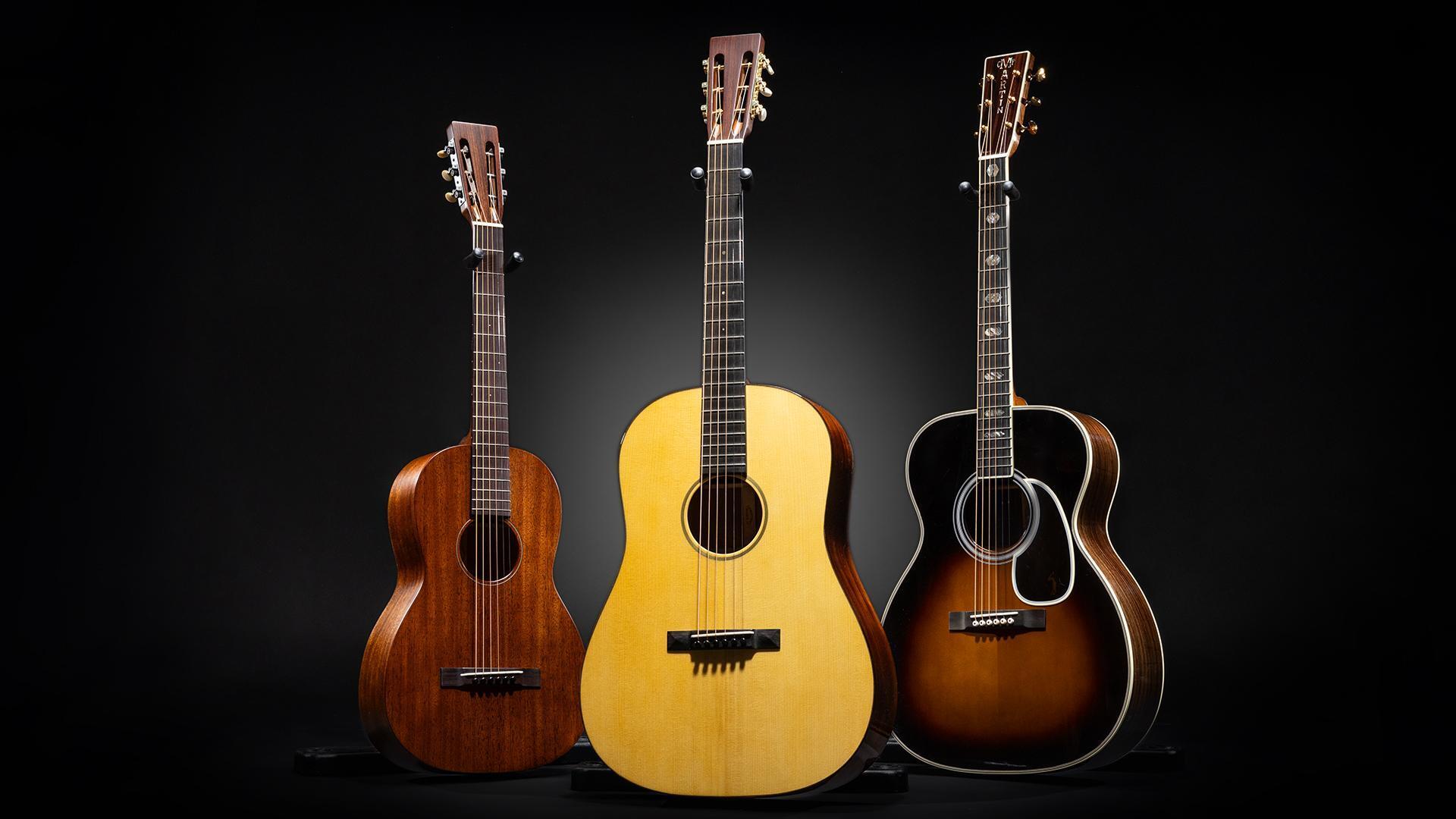
Martin Custom Shop Museum Inspired
Guitar enthusiasts with the good fortune to visit the world-class C.F. Martin & Co. Museum are treated to a fascinating tour through the company’s nearly 200-year history. Within those walls, you can see some of the most historically significant acoustic guitars in existence, important not only for their craftsmanship and sound but also for their role in the evolution from the gut-string parlor-style models popular in the 1800s to the large-bodied steel-string guitars that helped create the foundational sound of bluegrass, folk, country, and rock music. Along the way, Martin developed the revolutionary X-bracing pattern and dreadnought body style while refining dovetail joint construction and standardizing the 14-fret neck.
Over the years, Sweetwater’s guitar experts have had the extra fortune to play some of these instruments. The experiences were inspiring, to say the least — so inspiring that they worked directly with Martin to re-create some of our absolute favorites.
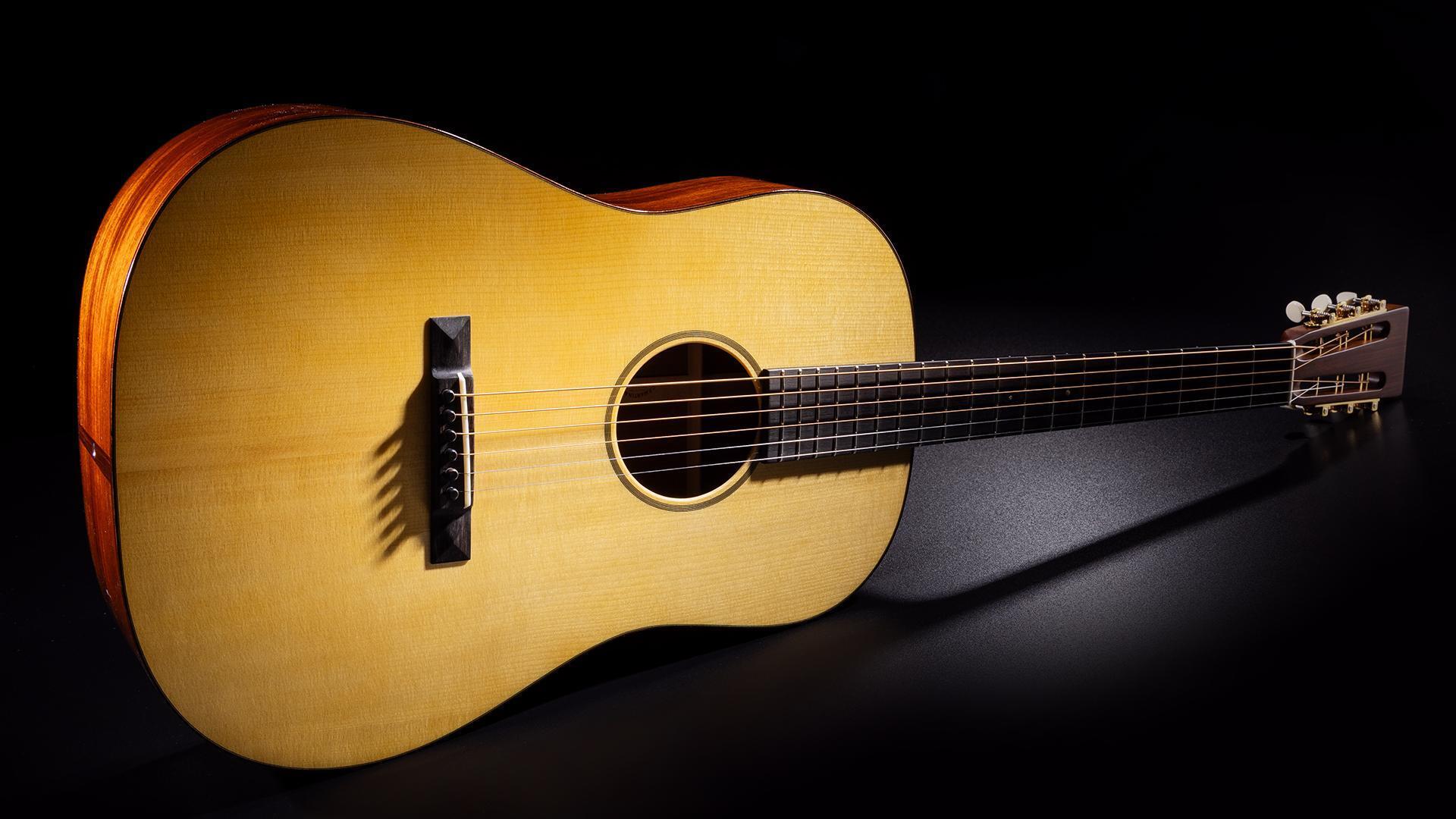
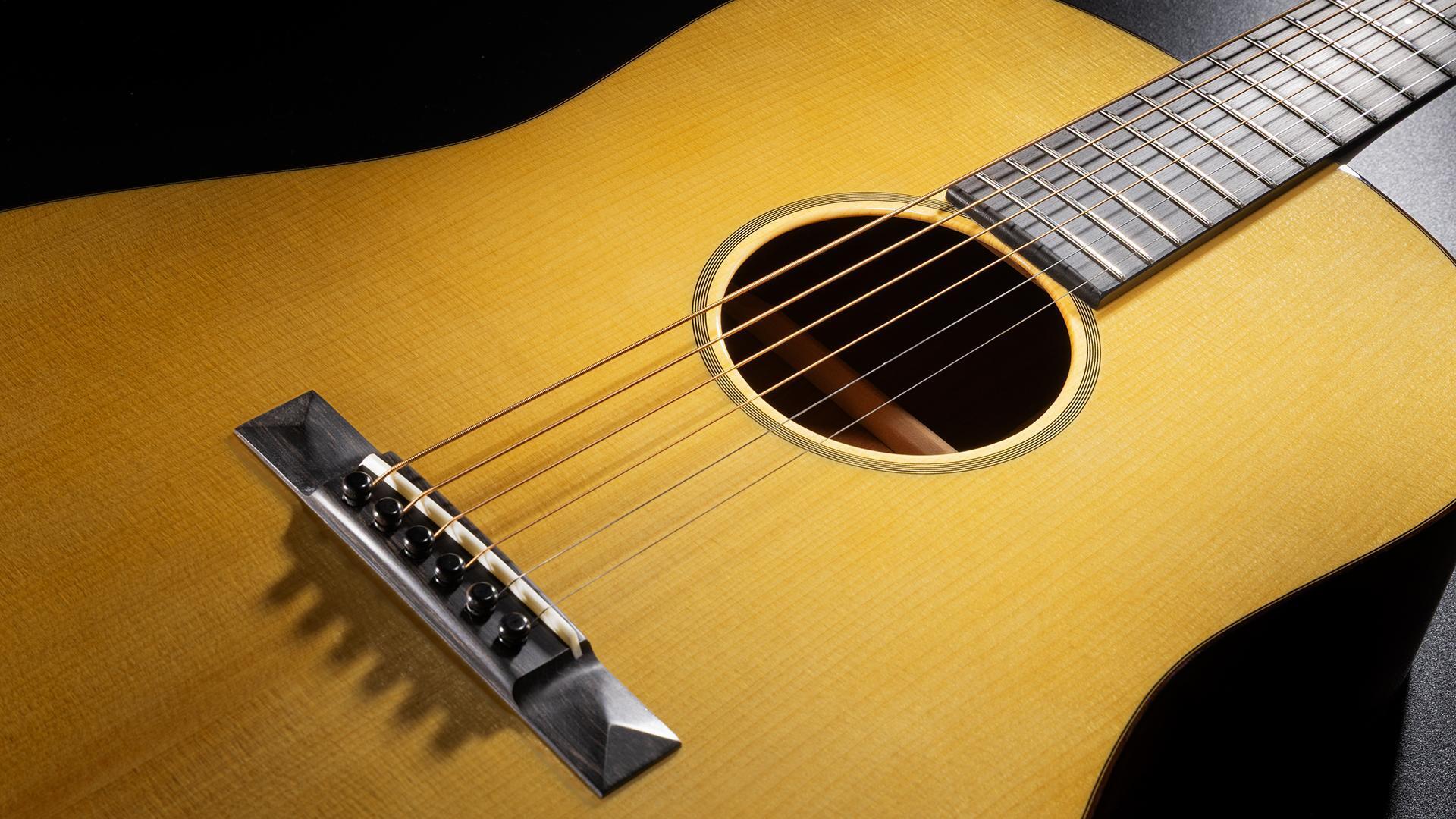
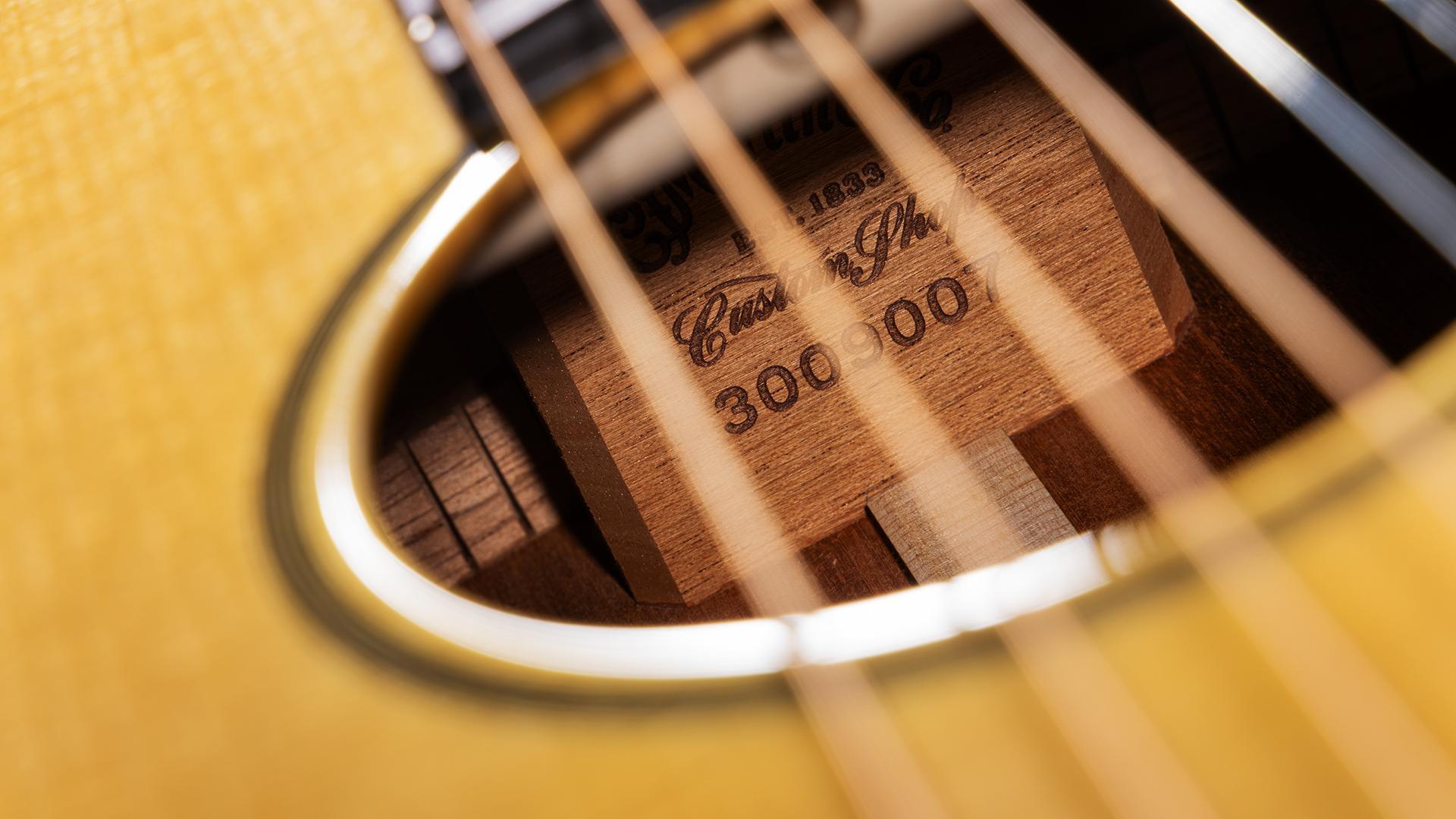
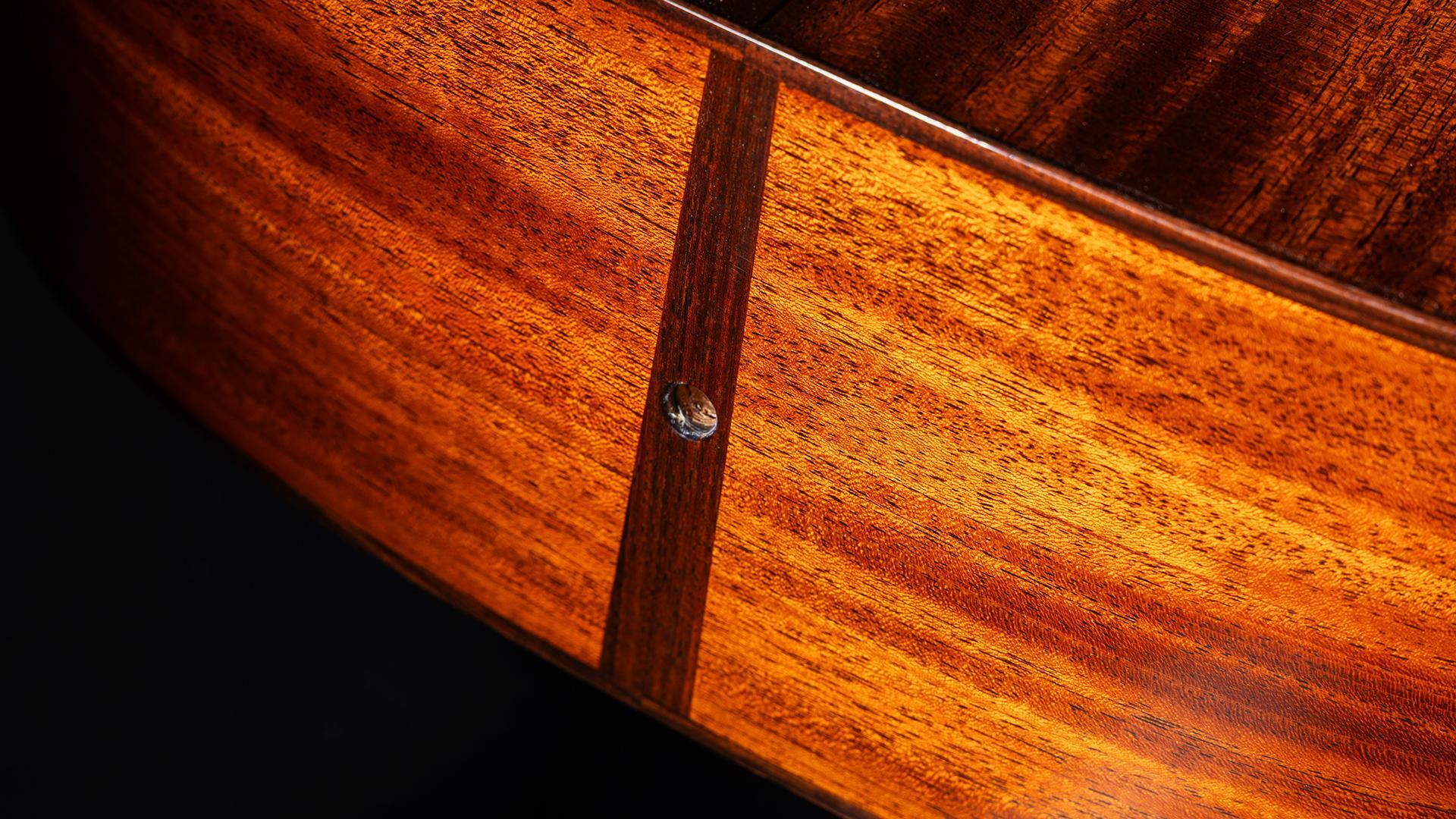
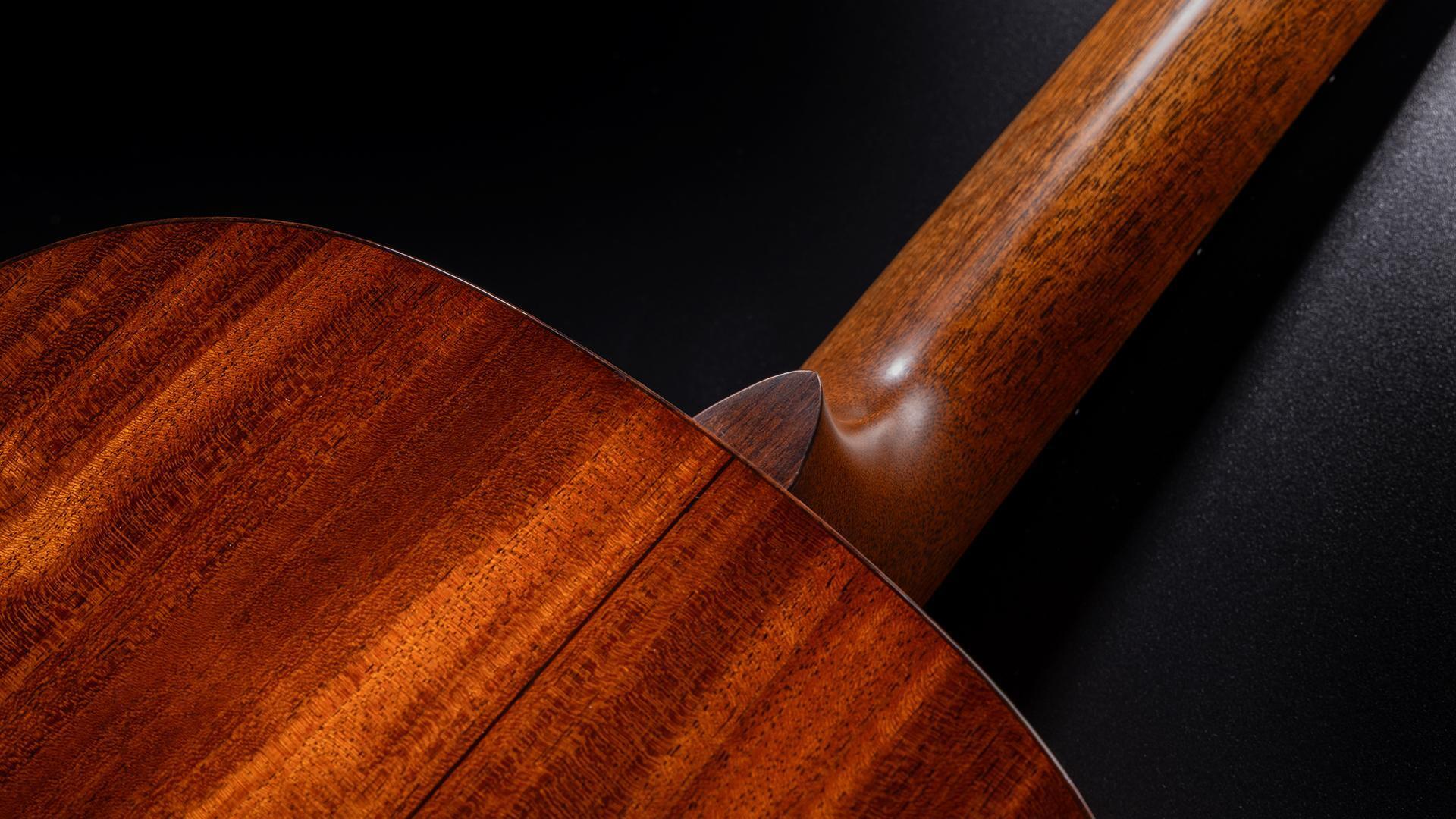
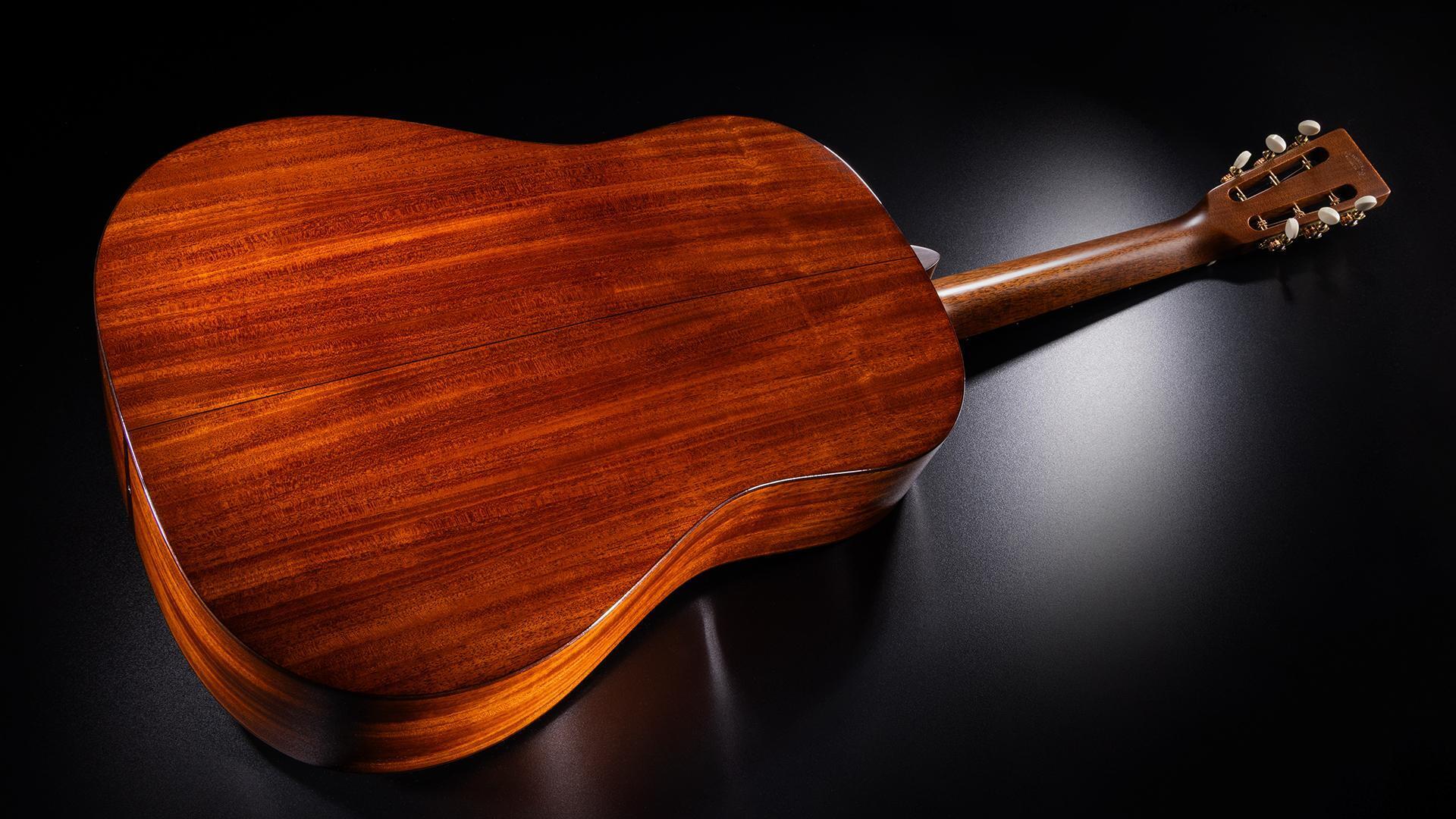
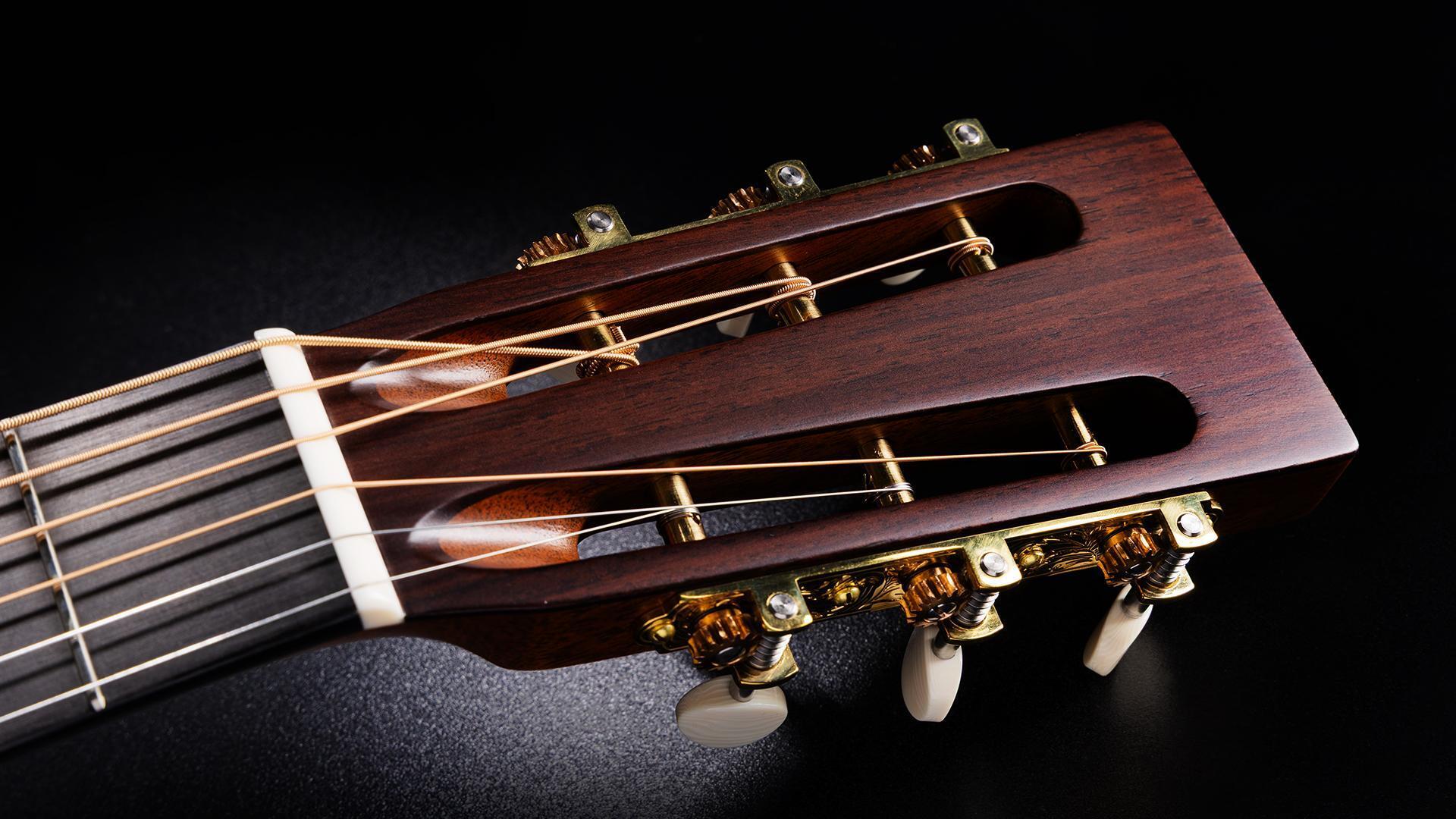
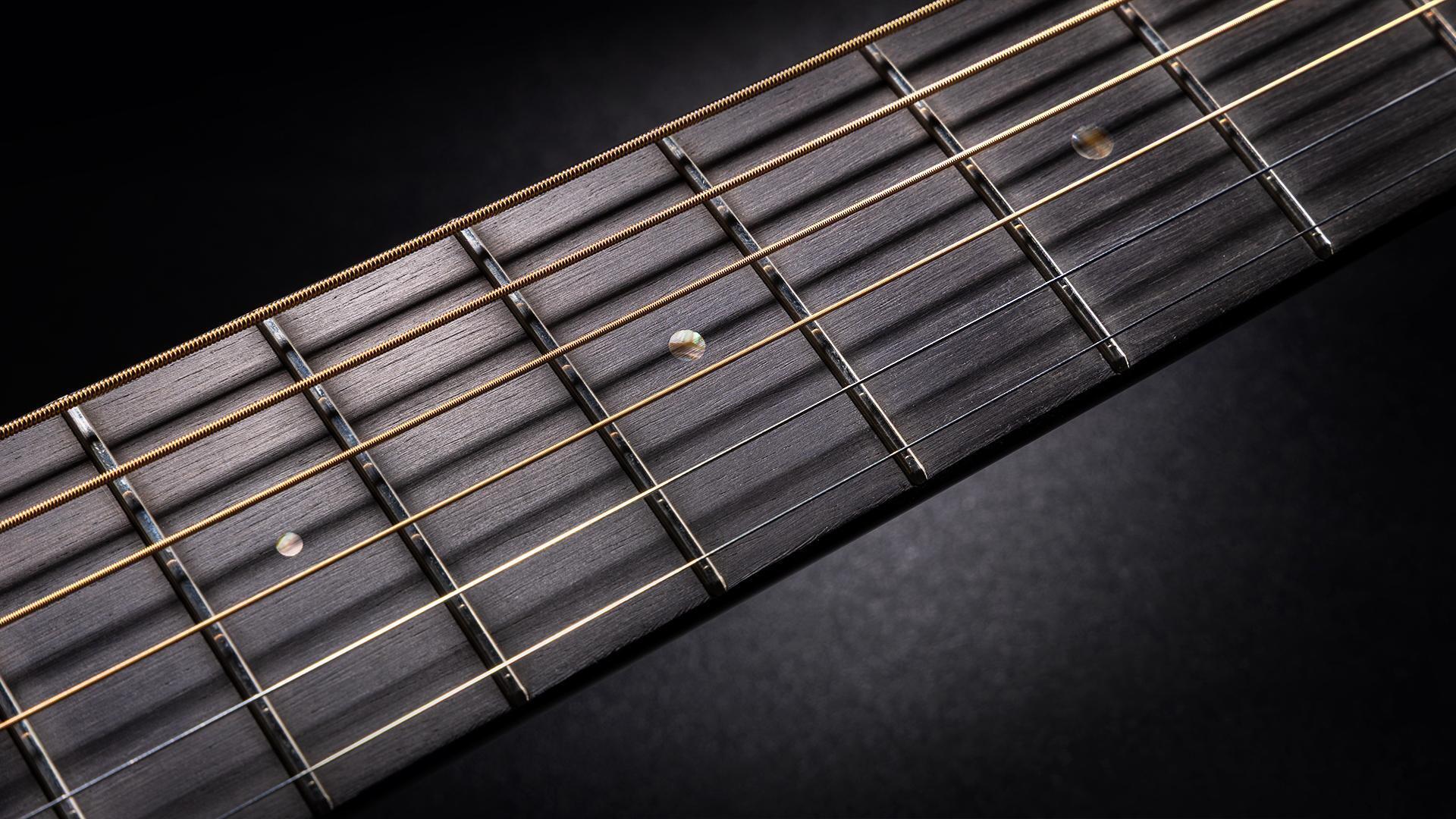
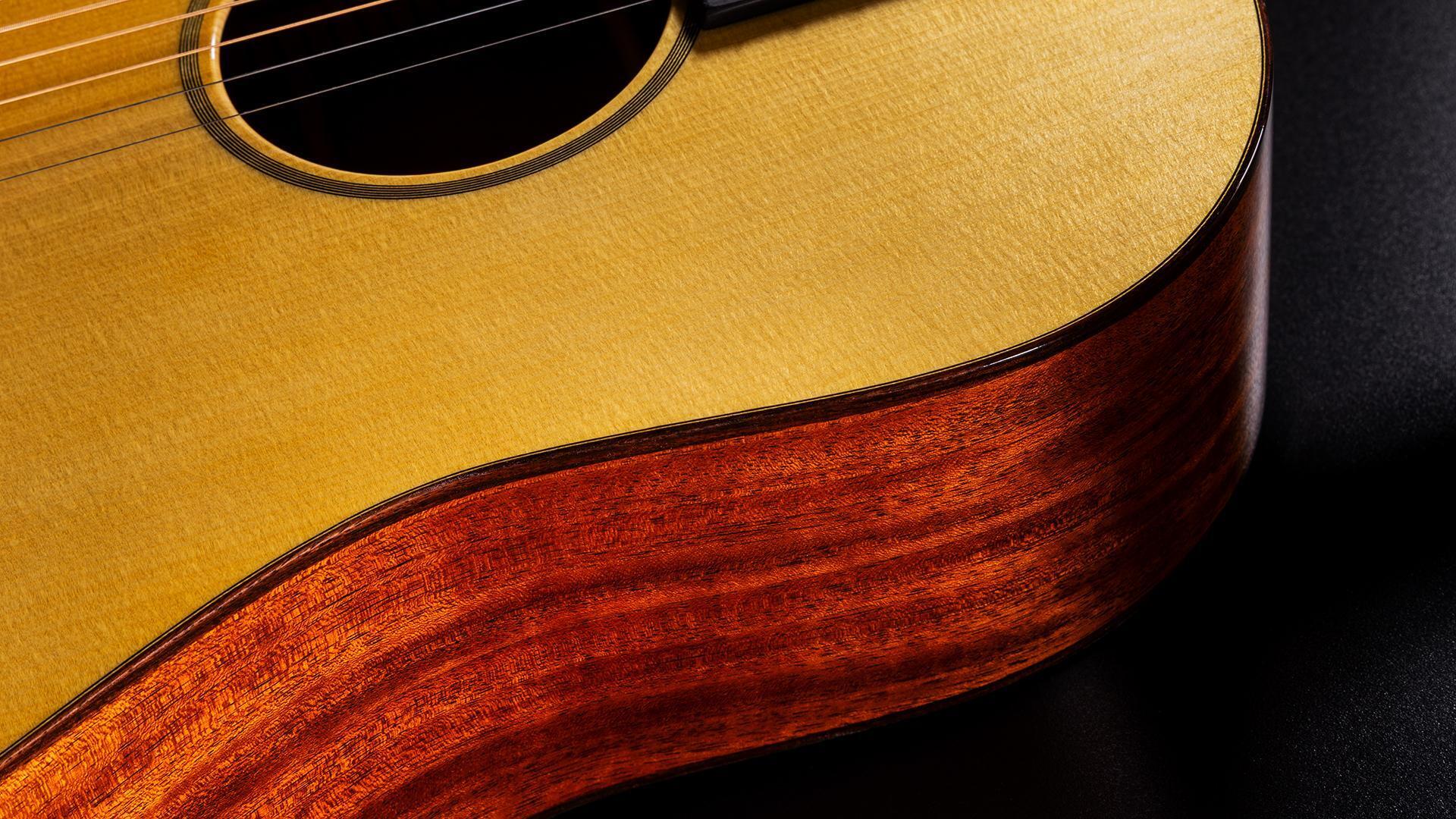
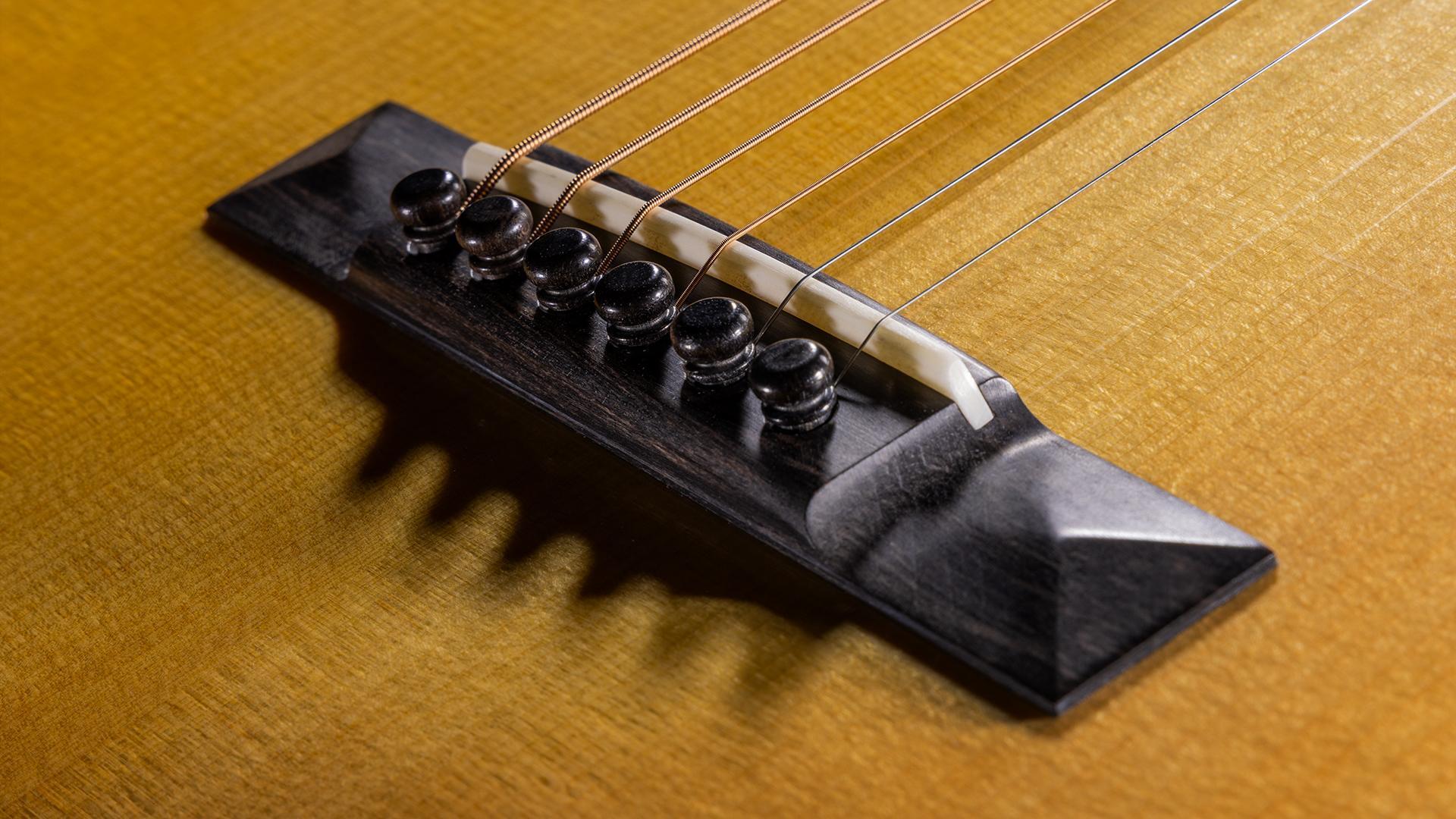
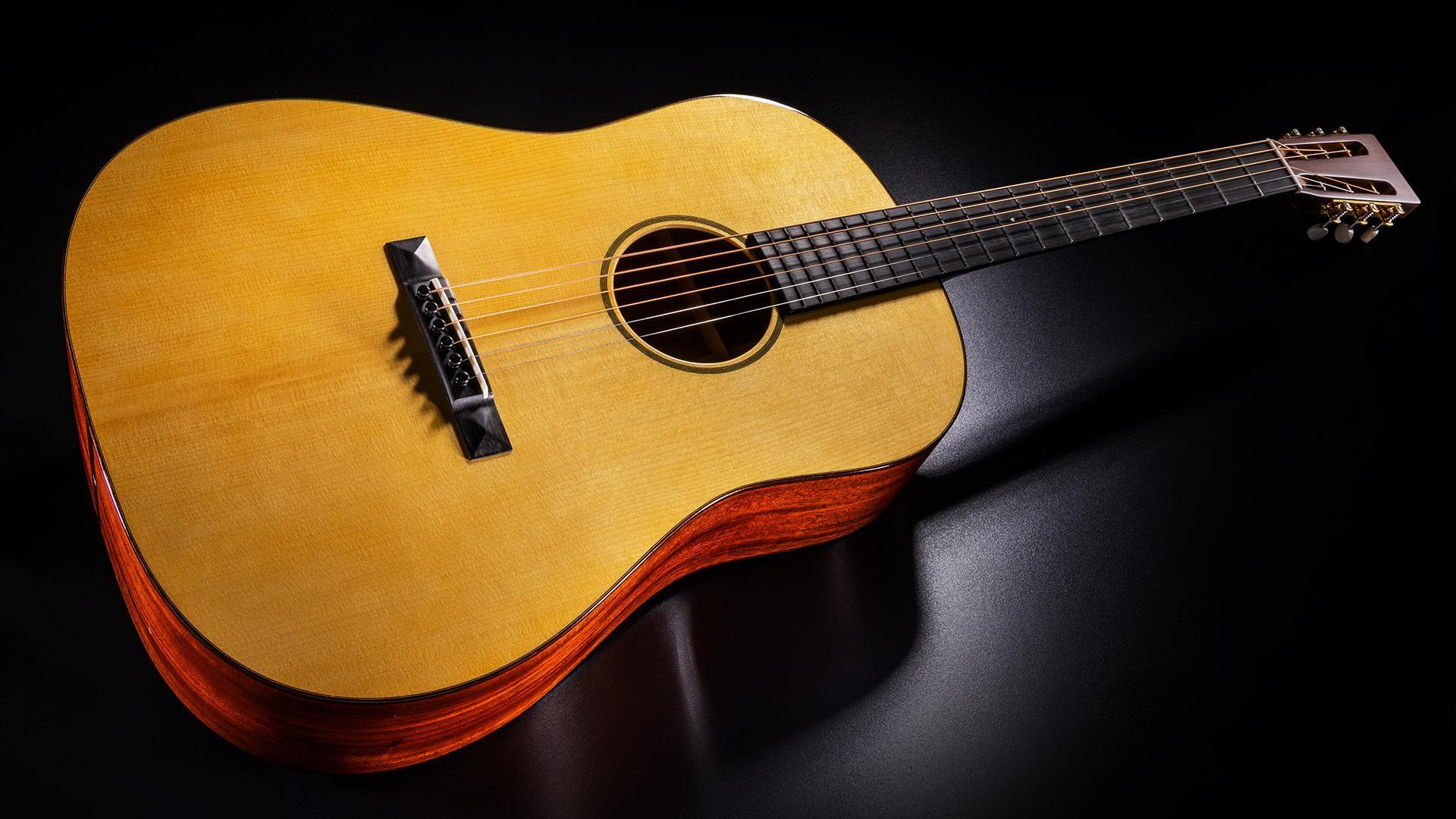
Martin Custom Shop Museum Inspired D-111
Few moments are more crucial to Martin’s history than the creation of the Dreadnought body shape, and the Dreadnought would not have happened without the Ditson D-111.
While Dreadnoughts are generally associated with bluegrass and country music, the D-111 was developed in 1916 to cater to Hawaiian musicians who wanted larger-bodied guitars for greater projection and volume. Made in partnership with Martin’s largest customer at the time — music publisher and instrument retailer Oliver Ditson and Company — the D-111 was inspired by an extra-large guitar that Martin custom built for renowned Hawaiian musician Mekia Kealakaʻi. The Dreadnought name came to be because the guitar had — for the time — an unusually wide waist and large body, drawing comparisons to the Dreadnought-class warships then in service.
As the model’s rich, full sound gained popularity, it led to the creation of the legendary D-18 and D-28 models, which have been cornerstones of Martin’s product line for decades.
Built to replicate the 1929 model in the Martin Museum, the Martin Custom Shop Museum Inspired D-111 features a hand-selected Adirondack spruce top, sinker mahogany back and sides, and an ebony bridge and fingerboard.
Martin Custom Shop Museum Inspired 2-17
The Martin 2-17, introduced in 1922, is significant for two reasons. For starters, this parlor-style instrument was the first model offered exclusively with steel strings; prior Martins were offered with the choice of gut or steel strings. Second, it was Martin’s best-selling guitar before the surge in popularity of the Dreadnought. Part of this had to do with it being the lowest-cost option in Martin’s range — an important selling point during the Great Depression. But despite its modest price tag, the 2-17 is a truly fine-sounding instrument. Specifically, its mahogany top, back, and sides create a smooth, woody, and warm tone that is incredibly pleasing to the ear, particularly for fingerstyle, folk, and acoustic blues.
Built to replicate the 1927 model in the Martin Museum, the Martin Custom Shop Museum Inspired 2-17 features period-correct all-mahogany construction, a slotted headstock, and a rosewood bridge and fingerboard.
Martin Custom Shop Museum Inspired M-F9
While primarily known for flat-top guitars, Martin’s F-9 is a distinguished archtop. Since a mere 72 models were produced between 1935 and 1942, only a lucky few have experienced this unique instrument, which takes the essence of a Martin flat top, throws in some subtle styling cues from the legendary D-45, and reimagines itself in a jazz-friendly context, complete with F-holes, a floating pickguard, and a trapeze-style bridge.
Fast-forward to the 1960s and 1970s, when a few original F-9s underwent custom conversions to flat tops, essentially turning them into jumbos. Taking a cue, Martin created the M-38 in 1977. Recognizing that the guitar was, in many respects, a larger version of the 000, Martin eventually rebranded it as the 0000 style.
The Martin Custom Shop Museum Inspired M-F9 primarily draws inspiration from a 1935 F-9 in the museum’s collection while tastefully blending in appointments from later M and 0000 models. Specifically, it features the F-9’s ornate hexagonal fretboard inlays and inlaid C.F. Martin block headstock logo paired with a traditional Sitka spruce flat top, teardrop pickguard, and round soundhole. Additional features include East Indian rosewood back and sides plus Waverly Gold tuning machines.