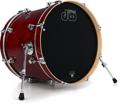
From math rock to metal and prog rock to fusion, there are many benefits in giving your drum kit the speedy, low-end pulse of a double kick. But moving in that direction can entail extra components, confusion, and — let’s face it — dollar signs! If you’re having trouble deciding between an extra piece of hardware or committing to an auxiliary kick drum, then you’ve come to the right place! Drummers here at Sweetwater are more than familiar with this debate, so we’ve whipped up a helpful list of considerations to ensure that you land with the right gear for your application. We’ll review how each option sounds (especially when miked up), plays, travels, and impacts your wallet. We’ve even tossed in some terrific options available right now at Sweetwater!
Sound
Double Kick Drum
When using two kick drums in your kit, you’ll generally notice a deeper, more classic-sounding response from the drums. Since a double kick drum configuration uses two independent kick pedals, each beater can strike the drum right in the sweet spot. This results in a rounder, more traditional punch that will resonate longer and more evenly while projecting more. It’s a slight difference, perhaps, but one that can make a difference for picky percussionists and studiophiles looking to dial in that perfect tone.
Double Kick Pedal
By contrast, a double kick pedal only uses one kick drum, which means both beaters compete for the same striking surface. Consequently, that also means that one of the beaters (or both, depending on how centered your mechanism is) will strike the drumhead slightly off to one side. The resulting tone is a marginally higher timbre that can subtract slightly from the fullness of each strike. As mentioned earlier, however, this difference is quite subtle and can be an acceptable sacrifice if minimizing your kit’s footprint is a priority.
Miking
Double Kick Drum
Don’t forget about microphones when you think about adding a second kick drum, as you can expect the overall capturable tonality and impact to be rounder and fuller. This is just as true when miking live as it is for studio applications. You’ll need two kick mics and two input channels to get the job done, so consider the requirement of your studio gear and the venue you’re performing at. If pure, unadulterated punchiness is a must-have for your band’s upcoming EP or concert translation, then consider investing in a double bass drum setup.
Double Kick Pedal
The good news about rocking a double kick pedal is that it requires less miking and managing for shows and recording sessions! But the tradeoff is that you’ll pick up those tonal and attack differences more clearly. It isn’t the end of the world in live settings, but in the studio, it can affect how well the kick drum sits in the mix of the track. It’s up to you and your band to decide if this issue is acceptable or will present problems in your specific applications.
Playing Feel
Double Kick Drum
While there’s no doubt that a double kick drum setup feels more traditional for both feet, this route has limitations. Most notably, in terms of positioning freedom, you’ll be more limited in finding that comfortable angle of attack for your pedals, as it depends on how much room you have to maneuver each kick drum. However, unlike a double kick pedal, you can use pedals of different speeds, such as a faster attacking mechanism for your non-dominant foot. And depending on your kit, a secondary kick drum can present another pair of onboard tom mounts to help maximize floor space.
Double Kick Pedal
Keeping both beaters on the same kick drum with a double kick pedal maintains extraordinary sound and spatial focus for your bass beats. More focus can mean greater striking precision, making or breaking a drummer’s performance, depending on the material, genre, and stakes. The shared drive shaft mechanism makes many drummers feel more connected to their kick drum. But this isn’t science — it all comes down to personal preference. If you’re a drummer who wants to keep similar sounds grouped together, then a double kick pedal setup is probably the best route.
Portability
Double Kick Drum
This one goes without saying, but choosing the double kick drum route takes a toll on convenience, especially for drummers with little travel or storage space. With a duplicate of the largest shell of your pack, you’re not only dealing with doubling space requirements, but you’re also adapting to more weight, tension rods, heads, and spur heights (not to mention a pair of kick pedals!). Double kick drums are great for studio work and drummers with trucks and road crews at the ready. But unless you’re a speed demon with a gym membership and a knack for maintenance under pressure, you might reconsider this for casual gigging!
Double Kick Pedal
Are you sticking to gigs around town? Are you working with a smaller rehearsal space? The double kick pedal slips easily into backpacks and small cases, making the most out of your storage space when in transit and keeping your shell count down so you can generate those fast and thunderous kicks in smaller practice rooms. Plus, it weighs a mere fraction of an auxiliary kick drum shell! If this seems more your vibe, then save your muscles the show-day strain and roll with a double kick pedal.
Cost
Double Kick Drum
In general, grabbing a second kick drum will cost you more, regardless of the brand, shell size, and wood plying you choose. You’ll also pay double for maintenance and protection, meaning that drumheads and carrying cases (if you’re planning to gig) will total up to a larger bill. In addition to these points, you’ll need to choose a secondary kick pedal. Bear these factors in mind if you have expensive taste in kick pedals!
Double Kick Pedal
You can expect a double kick pedal to cost less than an entire second kick drum, but there certainly are exceptions. In this case, it depends on the degree of strength, speed, drive type, and build dependability. For beginners, intermediate players, and those on a budget, it’s common to find almost everything you need in a double kick pedal for well under $500. However, some kick pedals can easily run close to $1,000 or more for pro and tour usage. That said, the double kick pedal is a cheaper bet in most cases!
Shop Double Kick Drums & Double Kick Pedals Today!
Like any instrument, moving into new realms will bring about new challenges — including some you may not be expecting! We hope this article has helped you feel a little more at ease when it comes to deciding which option is right for you and making the most out of your shells and space. Ready to double down on an extra pedal, kick drum shell, or even a dually equipped kit? Are you looking for an expert second opinion? We’ve got you covered! Call one of our Sweetwater Sales Engineers at (800) 222-4700, and you’ll be closer than ever to living out your double kick drum and pedal dreams with confidence!