What Exactly Are We Talking About?
There’s so much terminology floating around in the drumming world that, sometimes, it’s easy to overlook the basics. For those who don’t already know, when we say “bracing,” we’re talking about your stand’s actual three diagonal legs themselves, not to be confused with the support struts. It is the number of reinforcement braces in the legs that determines whether a piece of hardware is single or double braced; and, as you can imagine, doubling up on that type of engineering (or dividing it in half) can have quite a few impacts on stability, durability, ease of transport, and more. Depending on where you drum, how you drum, and how long you’ve been drumming, there are plenty of perks to vouch for both forms of bracing on pretty much any piece of freestanding gear around your drum kit. Let’s have a look, shall we?
Double-braced Benefits to Consider
Alright, let’s get it out of the way first: double-braced stands are way stronger — surprise! That extra strength can mean a world of difference for heavier-handed drummers in more ways than you might think! With great strength comes great stability, and that goes for all areas of the kit where strike force and instrument weight (and drummer weight!) are major factors. The extra-durable nature of double-braced stands means you can also really count on them to hold up brilliantly while gigging — from medium-size shows up to professional sold-out tours. That also means less warping susceptibility for greater peace of mind while traveling. Drummers of all calibers will appreciate double bracing, but, for intermediate calibers and above, especially for rock, metal, and heavy-hitting genres of the sort, double-braced hardware becomes essential.
The Perks of Going Single Braced
Some people may think of single-braced stands as inferior simply because of their strength (or lack thereof). However, single-braced stands offer a lot beyond affordability that double-braced stands can’t! To start with, single-braced stands are usually much lighter in weight, making setup in your music space and transport to rehearsals and small gigs less of a burden. They are a great option for practice pads and for use in the recording studio, rehearsal space, and other areas that are less demanding of your hardware. The narrower design of single bracing makes configuring and maneuvering your hardware between microphones and other components of your kit much easier — and, to be honest, the retro styling of some single-braced stands is just gorgeous! Lighter-playing drummers will appreciate single bracing, and so will beginners who don’t need a fancy hardware outfit right from the start.
Applications
Tom stands
For kits without tom mounts on the bass drum, tom stands are imperative for diversifying your tonal range. And they might be the only case where compromising outside double-braced gear isn’t a smart move. The striking motion when playing a snare is downward, but you have to reach farther to hit the toms. Since tom stands are already top heavy, a double-braced stand is strongly advised.
Snare stands
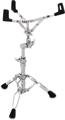
Snare stands, by comparison, are a lot more forgiving due to the much greater downward force of each hit, which in turn results in significantly less wobble. Jazz brushing, ghost notes, and classic twos and fours will hold up just fine atop single bracing. With that being said, for drummers of heavier backgrounds like metal and its many variants, maximum stability for those tireless snare strikes is a must-have, especially when onstage.
Hi-hat stands
As we move into the world of bronze, we start to see some very interesting concepts arise in terms of leg configuration. Not only is single and double bracing common to see, but both two- and three-legged stands are part of the picture, as well. Hi-hat stands have the benefit of the foot pedal for extra sturdiness, and the smaller and narrower movement of both cymbals means accounting for stability is really up to the preference of the player!
Cymbal stands
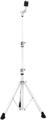
In dealing with larger cymbals like crashes, rides, and effects cymbals, the reason for both single- and double-braced designs becomes much more apparent. With wider diameters, these instruments see a much greater weight shift when struck hard, so it’s a good idea to account for your playing style when appointing either single- or double-braced hardware to your cymbal setup. Again, for lighter playing or genres with less consistent hard crashing, like in jazz, for example, single-braced or channel-braced equipment will do the trick — no problem.
Hand percussion/accessory stands
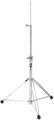
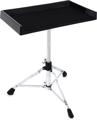
Maybe you’re not behind a kit but are still keeping the pulse going up onstage — Sweetwater’s got plenty of options! For mounted hand percussion like congas, quintos, bongos, and so forth, performances can be quite rhythmically emotive and require a rock-steady system for staying in place. In this case, double bracing should get the call! But, for smaller unmounted percussion, accessory stands (which won’t be taking a huge percussive toll) are perfect cases for going the single-braced route.
Thrones
Yes — you are an instrumental piece of this equation, too! For lightweight or smaller-framed drummers who want a travel-friendly piece with classic styling and reduced bulkiness where it matters most, single-braced drum thrones are a great solution. Conversely, Sweetwater also offers plenty of double-braced stools with the sturdiness to accommodate larger players for lengthy performance periods, coming in a variety of round and saddle setups. Find the seat that resonates most with your drumming lifestyle and hop behind the kit!
Where Do You Stand?
As you undoubtedly know, drumming is never a one-type-fits-all experience. If it were — well, that wouldn’t be very much fun at all! Your unique gigging needs, playing style, and personal comfort preferences are just a few of the many factors to consider before pulling the trigger on the perfect drum stand. If you’re still not certain what type of bracing is most fitting for your particular application, then give us a ring at (800) 222-4700, and one of our expert Sweetwater Sales Engineers can help you find the match you’re looking for. Happy drumming, everyone!