

Whether you’re on internet music forums or just engaging in a casual musical conversation with friends and acquaintances, you’ve no doubt come across this common sentiment:
“They don’t make music like they used to.”
Looking at the pop charts or listening to commercial radio, it is easy to see why people hold this belief. Over the last few decades, popular music has become increasingly homogenous, relying on basic chord progressions, catchy but simple melodies, and clichéd production techniques that are shared across every genre from hip-hop to country and rock ‘n’ roll. Internet musicologists like Rick Beato, Adam Neely, and others have gone out of their way to call out this trend, pointing to the ubiquity of the I–V–vi–IV chord progression and its variations among other prevailing tropes in modern popular music.
However, something else has occurred over the last 20 years that has shifted the musical landscape in a positive direction. The affordability of recording equipment and the ease of access to alternative distribution channels have made it possible now more than ever for independent artists to bring their musical visions to life and to share them with a global audience. In fact, it can be argued we’re currently living in the most exciting and musically diverse period in human history. That may sound like hyperbole, but it’s backed up by the sheer volume of incredible contemporary independent artists posting their music on Spotify, Bandcamp, SoundCloud, and myriad other online music-distribution channels. Many of these independent artists are pushing music forward in unexpected ways, while others are carrying on the traditions of legacy genres, leading to the question posed in the title of this article.
One of the ironies of popular music is that, despite its sameness, it must refresh its tropes every few years, which is why pop music commentators proclaim “____ (genre) is dead!” at intervals as predictable as the leap year or the World Cup. In part, this is out of necessity because pop music’s strategic uniformity leads to certain styles becoming oversaturated to the point that they burn out their audiences. Another reason for the stylistic turnover is to generate demand for new fashions and products to sell to music fans. After all, pop music is primarily a commercial enterprise, albeit one supported by very talented artists and musicians. This isn’t a new phenomenon. Rock ‘n’ roll in the 1950s was similarly commodified, as was the counterculture music of the 1960s and ’70s, New Wave in the 1980s, grunge in the 1990s, and on, and on.
So, What Happened?
So, what is different now? Why has popular music become so much less diverse? For one thing, the music industry is not willing to take the same kinds of risks on artists anymore. Launching a new artist or an album by an established artist is expensive, and the industry is still recovering from the financial beating it took due to widespread music piracy in the 2000s and 2010s. Therefore, major labels take fewer risks and want to invest in guaranteed winners, meaning they’re looking for artists who can generate buzz while simultaneously appealing to as many people as possible. That’s a difficult trick to pull off, and it can have a deflating effect on creativity.
Another important difference is the way people are exposed to music. From the early days of radio through the 1990s, many local DJs had a hand in curating their station’s playlists. These DJs were music lovers who were excited to introduce their listeners to new and interesting artists — it was a point of pride. Similarly, during the 1980s and 1990s, MTV was still focused on playing music videos, and, with 24 hours a day to fill, they had room for programs like 120 Minutes, Yo! MTV Raps, Headbangers Ball, and Alternative Nation. Today, most commercial radio stations choose their music programming based on what’s most popular, and what’s most popular is often whatever record companies decide to aggressively promote based on marketing research. Stations that employ DJs who are also musical tastemakers are rare and are usually only found as nonprofit radio stations in college towns or large cities. And, of course, MTV is no longer a music channel. Like most cable networks, they have opted to focus their programming on reality TV shows, which are popular and inexpensive to produce.
As a member of Generation X, I marvel at how easy it was for me and my friends to passively encounter a tremendous amount of amazing non-mainstream music when we were coming of age. That’s no longer the case. Now, if you want to find great music outside of the Billboard charts, you have to actively search for it. The upside is that there is an unbelievable wealth of awesome music being created today in every genre. The popular streaming services are filling the tastemaker-DJ void by providing users with numerous playlists created by the services themselves and by users. And the local radio stations whose DJs still hand select music have extended their reach via the Internet. For instance, one of the most reliable sources of new music is Seattle’s KEXP, whose YouTube channel features high-quality live-performance videos representing a broad range of musical styles. But that’s just one of the places to find great music on the Internet.
To gently push back against the idea that “they don’t make music like they used to,” this article series will explore bands who are bucking the trends and carrying forward musical traditions that have been largely abandoned by the mainstream. First up: modern acts inspired by classic rock from the 1950s through the 1970s, including early rock ‘n’ roll, British blues rock, southern rock, and arena rock.
(Check out our official Spotify playlist, “They Don’t Make Rock Like They Used To,” at the end of the article.)
From the Honky-tonk to the Malt Shop: Early Rock ‘n’ Roll Revival
In the early 1950s, disc jockey Alan Freed applied the term “rock ‘n’ roll” to the rhythm & blues, country, and swing music that he broadcast from Cleveland’s WJW radio station. One of the first records to put all the rock ‘n’ roll pieces in place was “Rocket 88” by Ike Turner and the Kings of Rhythm (credited to Jackie Brenston and His Delta Cats). With its rollicking rhythm, distorted guitar, growling sax solo, and cheeky lyrics, it served as an early template for the genre, which would explode over the decade and create a musical and cultural sea change. Artists such as Chuck Berry, Fats Domino, Little Richard, Elvis Presley, Jerry Lee Lewis, Buddy Holly, Ritchie Valens, and many others forever altered the course of popular music and became legends along the way. Early rock ‘n’ roll revivals have occasionally popped up in the intervening years with Brian Setzer as perhaps the most notable early-rock revivalist. Here are some of Sweetwater’s favorite contemporary artists who are keeping the spirit of early rock ‘n’ roll alive.
C.W. Stoneking
Australian artist C.W. Stoneking has a style that pre-dates the rock ‘n’ roll of the 1950s, drawing inspiration from 1920s prewar blues, New Orleans jazz, country, and gospel. However, with the inclusion of a Fender Jazzmaster guitar and doo-wop-style backup vocals on his third long-play album, Gon’ Boogaloo, C.W. conjures a proto-rock sound that would have been right at home on Alan Freed’s Jukebox Serenade.
Pokey LaFarge
Hailing from central Illinois, 38-year-old Pokey LaFarge shares C.W. Stoneking’s predilection for early 20th-century blues and proto-rock ‘n’ roll. Pokey hit the independent music scene in 2006 with his self-released album Marmalade. Since then, he has been a two-time recipient of the Independent Music Award for Best Americana Album, has collaborated with Jack White, and has provided music for and acted in the 2020 Netflix film The Devil All the Time.
JD McPherson
Oklahoma’s JD McPherson was drawn to early rock ‘n’ roll from a young age, citing Little Richard, Fats Domino, and Buddy Holly as primary influences. JD’s retro-flavored sound relies on a carefully selected assemblage of vintage microphones, amplifiers, and instruments. Listening to his music is like being transported back in time and finding yourself smack-dab in the middle of a roadside honky-tonk.
The Bellfuries
Old-school rock ‘n’ rollers the Bellfuries deal in rockabilly rhythms, rippin’ blues, and catchy hooks. This Austin-based band, led by vocalist and guitar player Joey Simeone, is a favorite among the underground roots-rock crowd. The Bellfuries’ 2015 album, Workingman’s Bellfuries, was recorded at Chicago’s Hi-Style Studio, a knockout creative space dedicated to vintage tube- and tape-based recording.
Black Joe Lewis and the Honeybears
Another Austin artist, Black Joe Lewis picked up a guitar at age 19; and, though his music tastes run the gamut from Soundgarden to Memphis hip-hop duo 8Ball & MJG, he couldn’t help but chase the blues. However, Black Joe Lewis and the Honeybears’ brand of blues has the soulful energy of a young James Brown, giving it a decidedly rock ‘n’ roll flair.
Early Rock ‘n’ Roll Revival Gear Favorites

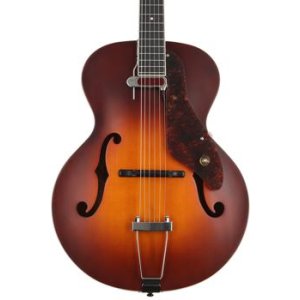
Gretsch G6120TG Players Edition Nashville with Bigsby – Orange Stain

Scherl & Roth SR46E3CBH 3/4 Size Arietta Student Double Bass Outfit with German Bow
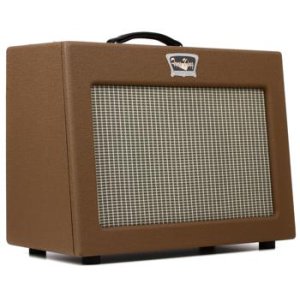
Tone King Sky King 35-watt 1×12″ Tube Combo Amp with Attenuator – Brown/Beige
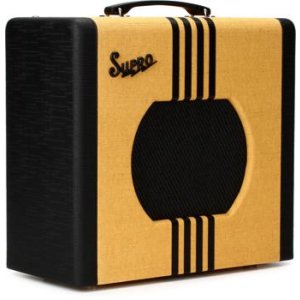
Supro Delta King 10 1×10-inch 5-watt Tube Combo Amp – Tweed and Black

A&F Drum Company Maple Club 3-piece Shell Pack – Deco Gold with Nickel Hardware

Gretsch Drums Renown 57 RN57-J483V 3-piece Shell Pack – Silver Oyster Pearl
The Anglican Twist: British Blues Rock Revival
Phase two of the worldwide rock ‘n’ roll takeover of the 20th century occurred when young British musicians became enamored with American blues, filtered it through their own unique melodic sensibilities, and added a heavy dose of electric guitar. The first wave of British blues rock bands, including the Kinks, the Animals, and the Yardbirds, had a raw and insistent sound, and they paved the way for heavier bands like Deep Purple, Led Zeppelin, and Black Sabbath, who would, in turn, inspire the hard rock and heavy metal bands of the late 1970s and early 1980s. While the early rock ‘n’ roll revival is still taking place off the beaten path, a classic blues rock revival has penetrated the mainstream with artists like Greta Van Fleet, Rival Sons, and Jared James Nichols putting a modern polish on classic British blues rock. Alongside them are numerous bands who are not just inspired by blues rock but dedicated to the full aesthetic from the vintage gear to the retro-style recordings. Here are some of our picks.
Slow Season
The members of Slow Season aren’t coy about their intentions. Not only do they want to make music that sounds like it came from 1969, but they also want to make music the way it was made back then. They capture their music live on reel-to-reel tape in a small home studio that doubles as a garage, resulting in an immersive and affecting listening experience that pulls you out of time.
Black Pistol Fire
A two-piece rock outfit in the vein of the White Stripes and the Black Keys, Black Pistol Fire churns out ferocious, no-apologies retro blues rock. Featuring Eric Owen’s muscular drumming and Kevin McKeown’s blistering guitar work and soulful vocals, Black Pistol Fire will appeal to any music lover who prefers their rock ‘n’ roll rough around the edges.
Radio Moscow
Story City, Iowa’s Radio Moscow has been representing the blues-rock-revival scene since 2007. Over the years, they’ve dabbled in every area of ’70s classic rock, but they always stick closely to their 1960s blues rock roots, channeling Cream, the Jimi Hendrix Experience, and the Who.
Reignwolf
You know you’ve earned your rock ‘n’ roll cred when Black Sabbath hand selects you as the opening act for their North American tour. That’s the position Seattle’s Reignwolf found themselves in back in 2014 based on their reputation for electrifying live performances. Though the band had released several singles, their first full-length, Hear Me Out, wouldn’t drop until 2019. But this raucous neo-classic blues rock record was well worth the wait!
The Muggs
Like Reignwolf, the Muggs have received the stamp of approval from rock royalty, including Robin Trower, Kim Simmonds, and Glenn Hughes. Self-proclaimed as Detroit’s best-known blues rock trio, the Muggs have fully committed themselves to carrying on the blues rock legacy, seemingly ignoring over 40 years of changing musical trends.
Buffalo Killers
Active since 2006, Cincinnati, Ohio’s Buffalo Killers have drawn comparisons to Mountain and the Rolling Stones, have toured with the Black Crowes, and are labelmates with Radio Moscow. Fronted by brothers Zach and Andrew Gabbard, Buffalo Killers have a deep association with the Black Keys. Dan Auerbach produced their sophomore record, Let It Ride, and Zach and Andrew currently support the Keys on the road.
The Devil and the Almighty Blues
A five-piece from Oslo, Norway, the Devil and the Almighty Blues pay homage to British blues rockers and their stateside compatriots, including Jimi Hendrix and Canned Heat. Like those acts, the Devil and the Almighty Blues revel in the nexus of electrified hard rock and traditional Delta blues.
The Steepwater Band
Chicago’s the Steepwater Band has held strong to their blues rock aesthetic for over 20 years, releasing seven studio albums and numerous live albums and EPs. During that time, they’ve played alongside Lynyrd Skynyrd, 38 Special, and the Doobie Brothers.
British Blues Rock Revival Gear Favorites
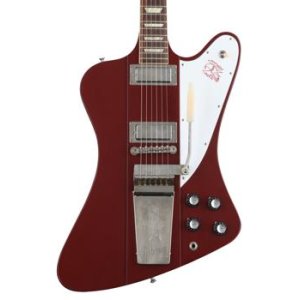
Gibson Custom 1963 Firebird V w/ Maestro Vibrola Electric Guitar – Murphy Lab Ultra Light Aged Ember Red


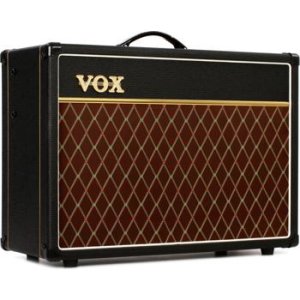


Fender Custom Shop Time Machine 1960 Jazz Bass Journeyman Relic – Faded 3-Color Sunburst
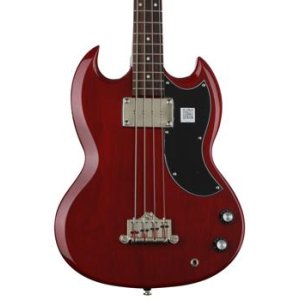
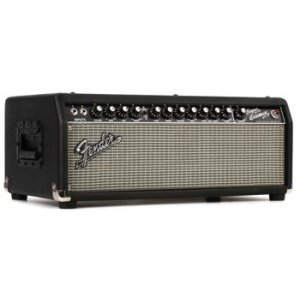
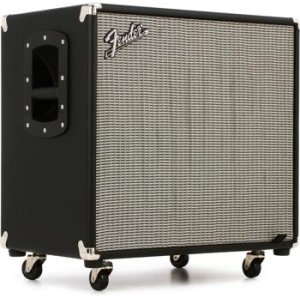
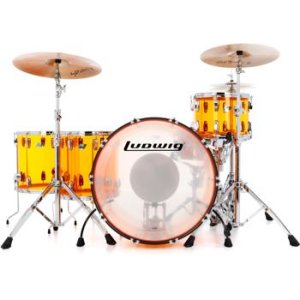
Sweet Home Americana: Southern Rock Revival
Oddly enough, it took the Brits co-opting American blues and R&B to start a stateside guitar-rock revolution. In the American South, electric blues was merged with bluegrass, country, and folk to create southern rock. The first wave of southern rock bands included the Allman Brothers Band, Lynyrd Skynyrd, the Marshall Tucker Band, Molly Hatchet, and ZZ Top concurrent with Americana acts such as the Band, and Crosby, Stills, Nash, and Young (CSNY), who were also looking to the American South for inspiration. Southern rock’s popularity peaked in the late 1970s and faded out of fashion in the 1980s with a brief resurgence in the 1990s. In many ways, southern rock was sublimated into modern country, but a new crop of southern rock purists is on the scene, making southern-fried rock the old-fashioned way.
The Sheepdogs
The only unsigned band to appear on the cover of Rolling Stone magazine, the Sheepdogs make old-fashioned, good-time music. While the band comes from Saskatoon in Canada’s Saskatchewan province, their sound is pure American South meets British blues power with callbacks to the Allman Brothers Band; Creedence Clearwater Revival; Crosby, Stills, and Nash; and Led Zeppelin.
Daniel Norgren
Swedish songwriter Daniel Norgren draws his inspiration from American music including folk, bluegrass, and blues. Often, Daniel takes a low-key approach to songwriting and performance; but, when he decides it’s time to turn up and rock out, his southern rock tendencies take hold.
Israel Nash
Working out of his home studio in Dripping Springs, Texas, Israel Nash follows in the Allman Brothers Band’s footsteps, producing southern-tinged album-oriented rock ‘n’ roll. Filled with lush instrumentation, CSNY-style close harmonies, weeping pedal steel, and Crazy Horse guitar crunch, Israel’s music dwells in the pastoral, mythical aspect of southern rock.
The Moondoggies
Another band focusing on southern rock pastoral, the Moondoggies use a palette of acoustic guitars, organs, and pedal steel to create a sound that is both vintage and new, illustrating the longevity and untapped potential of a musical style that’s now more than a century old.
Left Lane Cruiser
From Fort Wayne, Indiana (home of Sweetwater), Left Lane Cruiser is a blues rock band with Midwestern sensibilities, a healthy dash of southern swagger, and endless authenticity. Left Lane Cruiser leans more toward the hillbilly side of southern rock and injects it with a sneering, punk-rock irreverence.
Marcus King
At just 25 years old, southern rock guitarist Marcus King has already earned himself a Grammy nom for his Dan Auerbach–produced 2020 album, El Dorado. Marcus is a bona fide guitar phenom with a soulful voice that belies his young age, and he has a knack for penning insightful and danceable tunes.
Southern Rock Revival Gear Favorites
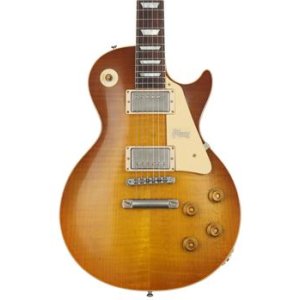
Gibson Custom Historic 1958 Les Paul Standard VOS – Royal Tea Burst
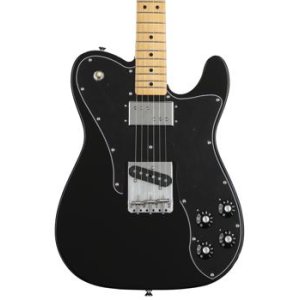
Fender Vintera ’70s Telecaster Custom – Black with Maple Fingerboard





Playing to the Cheap Seats: Arena Rock Revival
Arena rock was more of a phenomenon than a genre. It sounded like rock ‘n’ roll but with an emphasis on showmanship, larger-than-life guitar riffs, monstrous drums, and lead singers with stadium-filling pipes. David Bowie, the New York Dolls, and other glam rockers certainly had a major influence on Kiss, who took the spectacle of rock ‘n’ roll to a new level. While not as overt as Kiss, other rock bands of the late ’70s fit the arena rock mold, including AC/DC, Van Halen, REO Speedwagon, Boston, and Foreigner. These bands were sonically diverse, but they were united in the scale of their music, which seemed most appropriate when cascading over crowds of thousands. Of course, the arena rock of the late ’70s became even slicker in the 1980s with acts like Journey, Survivor, Styx, and Asia dominating the airwaves, and it would go on to inspire the glam metal of Def Leppard, Mötley Crüe, Poison, Great White, and many others. In terms of subgenres, late-’70s arena rock is pretty specific, but there is a handful of bands keeping that bleacher-shaking sound alive.
Pröwess
North Carolina’s Pröwess came onto the scene in 2016, and, though they’re currently playing clubs and theaters, they seemed destined to command a stadium or two. Drawing their inspiration from AC/DC, Thin Lizzy, and Lynyrd Skynyrd, among others, Pröwess nails the late-’70s/early-’80s hard rock sound but with a personality and charisma all their own.
The L.A. Maybe
Another set of arena rockers from North Carolina, the L.A. Maybe channels the ferocious energy of Bon Scott–era AC/DC. Their lead singer, Alvi Robinson, was even selected by AC/DC to audition to replace Brian Johnson for the back half of their 2015–16 Rock or Bust World Tour. Reportedly, he impressed Angus and Stevie Young with his rendition of “Hells Bells” but ultimately lost the gig to Axl Rose — tough competition!
Biters
Sadly, Biters have been on an indefinite hiatus for the last few years, but this Atlanta, Georgia–based band ripped so much they deserved a spot on this list — even if posthumously! During their brief run from 2010 to 2018, they recorded two full-length albums and several EPs packed full of stadium-worthy hard rock bangers, which earned them praise from arena rock icon Nikki Sixx and landed them on the pages of Classic Rock magazine.
The Struts
The Struts have been flirting with widespread mainstream success for years, and they’ve collaborated with everyone from Robbie Williams and Joe Elliott to Tom Morello and Kesha. These UK glam rockers have already punched their arena card, performing their kinetic, vintage-inspired tunes for over 80,000 people as the opening act for the Rolling Stones in Paris.
Dirty Honey
With their 2019 single “When I’m Gone,” LA rock band Dirty Honey made history by becoming the first unsigned band to top Billboard’s Mainstream Rock chart. One listen, and you’ll understand why die-hard rock fans elevated this infectious tune. Stratospheric vocals? Check. Hard-hitting drums? Check. A hooky guitar riff blaring from an overdriven tube amp? You got it. Dirty Honey ticks all the boxes when it comes to mammoth-size rock ‘n’ roll.
Arena Rock Revival Gear Favorites
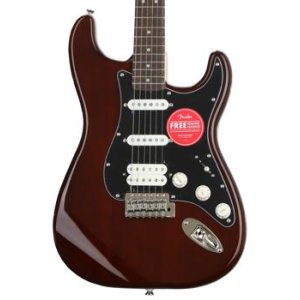
Squier Classic Vibe ’70s Stratocaster HSS – Walnut with Indian Laurel Fingerboard
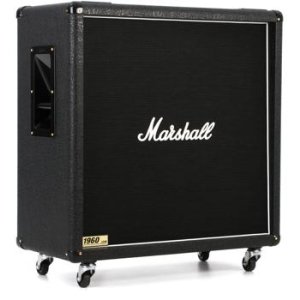
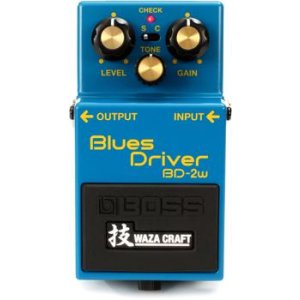
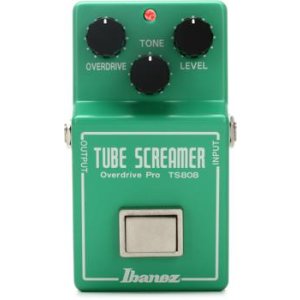
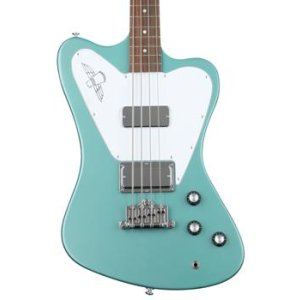
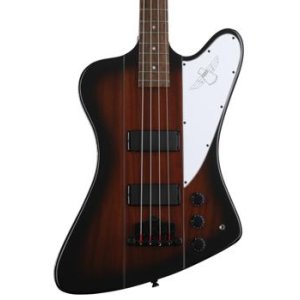
Gibson Thunderbird Bass Guitar – Inverness Green with Non-reverse Headstock

Pearl Music City Custom Masters Maple Reserve Shell Pack MRV622/C – 6 Piece – Black and White Oyster

Gretsch Drums Catalina Maple CM1-E826P 7-piece Shell Pack with Snare Drum – Satin Deep Cherry Burst
Spotify Playlist
Check out all the bands on Sweetwater’s official “They Don’t Make Rock Like They Used to . . . or Do They?” Spotify playlist!