

When I was in my late teens and early 20s, I was really into playing percussion. Not as much as playing the drum kit, but it was close! I’m talking about congas, bongos, djembes, timbales, and others — not just shakers and tambourines. I was getting deep into the craft, and it was so much fun! The rhythmic diversity I learned from playing percussion gave me a huge lift in not only my drumming but also everything I did musically.
I haven’t kept up with that deep study of percussion, but I never stopped playing those instruments. They have come in very handy throughout my career both in the studio and on the live stage.
Hand percussion plays a major role in the musical landscape, though it doesn’t seem to get the same traction as drums, guitars, basses, and keyboards. I’ve seen so many bands with someone on percussion who really has no idea what to do or how to make it musical. It’s often an afterthought, which is sad, because percussion can add so much flavor and spice to music. I’m not talking just about world music such as Afro-Cuban, Brazilian, Middle Eastern, or Indian. Rock ’n’ roll, pop, hip-hop, country, and all other kinds of popular music can get a great lift by adding some real percussion in the mix.
At Sweetwater, we do a lot with music based in house of worship settings, and live percussion is perfect in that application as well. The simple cajon drum is a staple instrument in many churches. Hand percussion also plays a huge role in music therapy.
My hope is to pique your interest in the wonderful world of percussion. Let’s dive in and look at some instruments you might want to explore.
Cajons
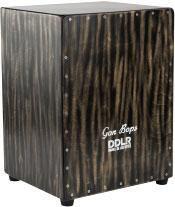
I’m starting with the cajon because it seems to be the most popular percussion instrument these days. Cajons are affordable, versatile, and come in all shapes, colors, and sizes. They’re perfect for singer/songwriters, studio work, home use, and, as I stated above, churches. There is also a huge array of accessories for cajons, such as pedals, sticks, cabasas, and more, that can turn your cajon into a compact drum kit. If you want to check out an amazing musician who plays percussion in a pop/Americana music setting, then look into Daniel de los Reyes who plays with the Zac Brown Band. Sweetwater carries Daniel’s signature cajon from Gon Bops.
Congas
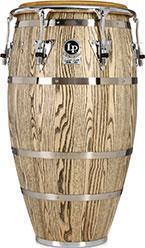
Congas are such beautifully hard instruments to play correctly. They take real technique to make them sound as they should. I recommend that you check out music from the great Giovanni Hidalgo. He’s amazing to watch, and Sweetwater also carries his signature conga, the Palladium Series — beautiful drums that feel and sound great.
But don’t worry if you’re not a pro like Giovanni. Sweetwater has a wide assortment of congas for the first-time player as well. We even have congas that don’t look like the traditional drum. Pearl makes a Travel Conga that has the same style head but not the whole shell. You put the drum on your lap and start jamming away. They sound great and are a lot of fun to play.
Bongos
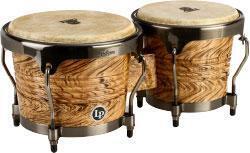
Bongos are another instrument where real study and technique helps. But the bongos are not as difficult to play as congas, so anyone can pick them up. You play them more with the tips of your fingers rather than your whole hand. There’s a ton of great Afro-Cuban music featuring bongos, but a great record to check out is The Buena Vista Social Club. It has beautifully traditional bongo playing.
Timbales
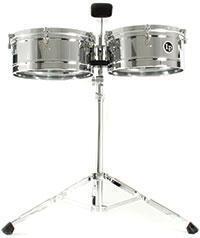
Timbales are super fun to play! Check out some music from Tito Puente if you want to see and hear an expert play this instrument. Like all the percussion instruments in this article, timbales have very specific rhythmic patterns to learn if you want to play them in the traditional way. Timbales are an amazing instrument for learning rhythm, but if you just want to solo, then they are absolutely fantastic for that too.
Djembes
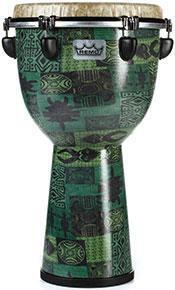
The djembe, a drum from West Africa, is similar to the conga in that if you play the drum with proper technique, the sound is just amazing. There are many wonderful players to check out, but I recommend listening to Mamady Keïta. Djembe is all about the “snap,” and Mamady gets such a powerful sound out of his hands.
But you don’t have to have a pro’s technique to play djembe. It has a beautiful tone and fits many styles of music. The djembe can take many forms, from the traditional drum carved from a log with a real animal skin head to one of the many drums Remo makes with all kinds of shapes, sizes, and synthetic heads.
More Options
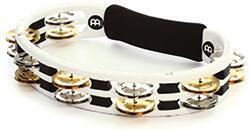
Of course, there are many, many more percussion instruments out there. You could spend a lifetime — or many lifetimes — studying and playing them all. But I want to make sure to mention tambourines, shakers, cowbells, rainsticks, and the many other percussion instruments that anyone can use to make music. The choices are almost endless, and they’re so much fun to play.
In closing, whether you’re a drummer or a melodic instrument player, hand percussion instruments can provide so much enjoyment and greatly enhance your musical knowledge. I highly encourage you to check out one or more of the many percussion instruments that are out there. You’ll be glad you did!
If you need any help picking out some percussion instruments for your band or studio, give us a call at (800) 222-4700.