You have the guitar (or bass), you’re in a band, and you have a gig. Now all you need to do is keep it safe and sound when you’re traveling with it. You need a case, but with almost as many types of cases available today as there are instruments, it may be hard to know exactly which will be best for you. But we’re here to help you navigate these waters.
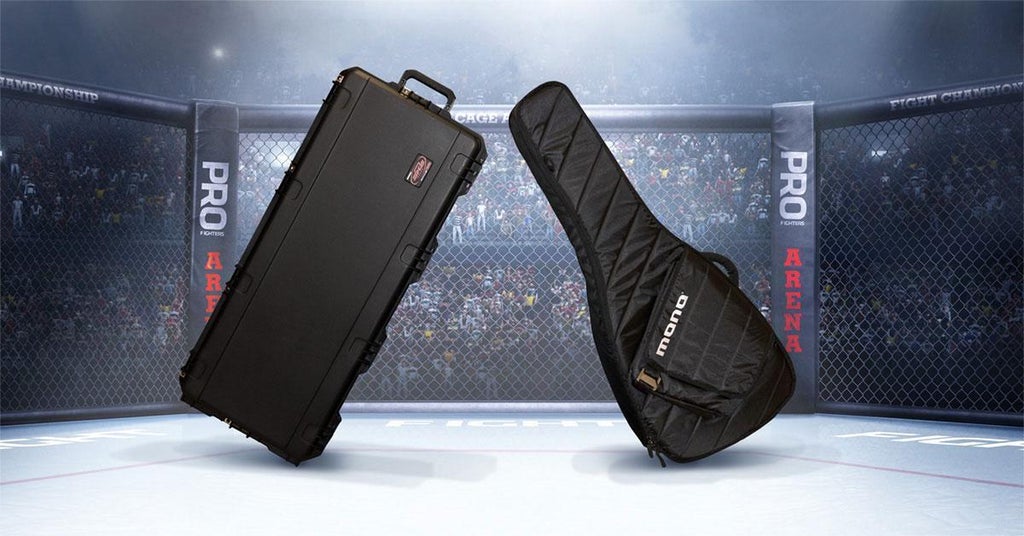
There are two basic types of cases: hardshell cases and gig bags. There are definite advantages and disadvantages to both, and we highly recommend that you have both for various situations. Below, we give you a bit of information about each style, so you’ll know when it’s time to choose the grab-and-go gig bag and when it’s best to pack it away safely in a hardshell.
Hardshell case
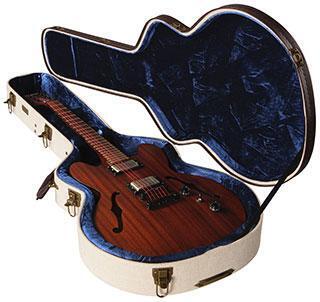
When it comes to the ability to protect your instrument from the outside environment, you’d be hard-pressed to beat the solid reliability of a hardshell case. Its rigid construction, sturdy latches, and thick walls offer the most peace of mind. But all those features can come at the cost of a heavier weight and bulkier size; not to mention, this case style is slightly harder to transport.
Soft case (gig bag)
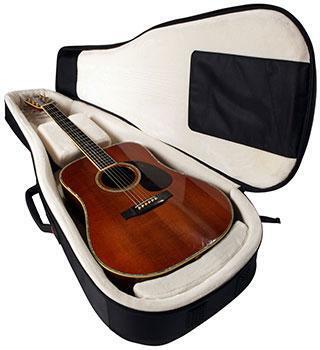
On the other side of the spectrum are soft cases, also known as gig bags. Where hard cases struggle, gig bags excel. They are generally lightweight and easy to throw over your shoulder, and they can be crammed into smaller spaces. But like the hard cases, they have their trade-offs; namely, they offer less protection against outside forces.
Which Case to Use
Knowing which of these designs is best for you is as simple as knowing what you’ll be using it for. Here are a few fairly common situations we musicians find ourselves in and the kind of case that is best suited for the moment.
Local gigs: Gig bag
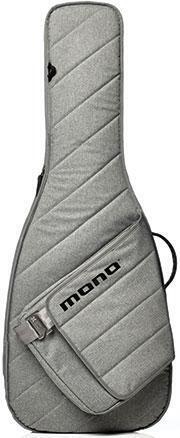
If you have a performance at a nearby venue and have the benefit of being able to drive yourself and your gear there, nothing beats the convenience of the tried-and-true gig bag. Simply put your axe in the soft case, lay it in your back seat, and you’re all set. No need to deal with the heft and inconvenience of a hardshell option here, especially if the guitar will be close to you all night. An easy-to-use and convenient option like the MONO Guitar Sleeve is a great choice.
The band van: Hard case

There’s really no question here. If you and your instrument are about to endure the rigors of the road, you’ll want to offer the instrument as much protection as possible. From being moved in and out of venues every night to clumsy bandmates that think it’s a good idea to stack their speaker cabinet on top of your instrument, only a hard case will give your instrument every chance it deserves to keep performing its best. You’ll want to check out the lighter-weight, rugged construction of cases like the SKB SKB-56.
Staying comfortably at home: Hard case
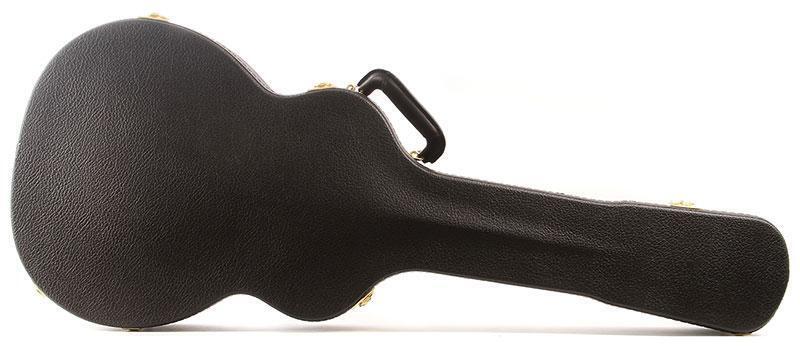
This might surprise a few of you. But when your beloved instrument is sitting idle at home, it wants nothing more than a good-quality hardshell case to lay its headstock in. Nothing can do more to impact a guitar’s performance than Father Time and not being played. Everything from humidity changes inside your home to being knocked off its stand by the family dog can and will cause headaches and repairs down the road. So when you’re at home, stick with the hardshell. Many guitar brands even offer their own, custom-fit options, such as Taylor’s Deluxe cases.
The urban dweller: Gig bag
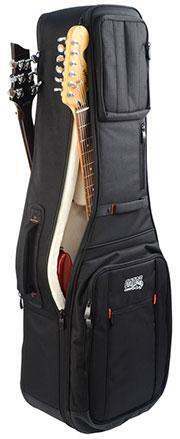
If you, like many musicians in major metropolitan areas, live and play in a big city, you may find yourself walking or taking mass transit to many of your gigs. Stick with a good-quality gig bag here. The convenience of being able to strap your instrument to your back while you’re also dealing with amplifiers, pedalboards, and more is invaluable. Many gig bags, such as the Gator G-PG Elec 2X, even feature room for two guitars and built-in case covers for handling less than ideal weather.
The fly date: Your call
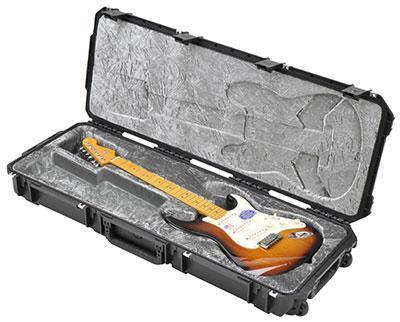
This one is a bit of a toss-up. With the bad name airlines have made for themselves when it comes to handling guitars, and the always-changing TSA regulations for carry-on baggage, there are advantages and disadvantages to both. If you choose to try to carry your instrument onboard the flight, make sure you choose a gig bag with ample protection, such as MONO’s well respected M80. You never know when the airline will force you to gate check it, and you’ll want the assurance that the bag is up for the task. If you are checking your instrument, you’ll want to invest in a TSA-approved flight case, such as one of SKB’s Waterproof Flight Cases. Flight cases are hardshell cases specifically designed to handle the chaotic world that comes with an airport tarmac and the aircraft hull used for storage.
Instruments with angled headstocks: Hard case
This one isn’t a hard-and-fast rule. But most gig bags, even ones with great neck support, can’t provide the clearance your Les Paul, or other instrument with an angled headstock, requires. Your guitar may fit in the gig bag fine, but one unfortunate bump, and your guitar may be coming out of the gig bag without a head. Unless you have a long way to walk with the guitar, if it has an angled headstock, do yourself a favor and stick with a hard case with plenty of clearance.
Conclusions
The examples presented above should give you a pretty good idea of what type of case will be best for your scenario. If we missed your situation, take a minute to consider if it calls more for protection or convenience. That should point you in the direction to go. And if you still have questions, our Sweetwater Sales Engineers are standing by, excited to get to know you and help you further. If you have any questions about guitar cases, give your Sweetwater Sales Engineer a call at (800) 222-4700.