

MyBestSong_Mix5-FinalMaster-VocUp_LessBass.wav
If your mixes end up with file names like the one above, that’s a sign you’re struggling with getting a good mix on the first try. And even if you’re a veteran mix engineer, it’s always worth taking a fresh look at your mixing process to see how you can tighten things up. Whether you’re mixing music for album release, film scoring, YouTube videos, or anything else, we’ve put together a list of dos and don’ts that can help you make better mix decisions immediately.
Do:
Do | Set goals
What type of mix are you going for? Huge-sounding drums? Intimate vocals? Capturing the feeling of being in a specific space? Many top engineers pick a focal point and build their mix around that — starting with a core sonic element and getting it right can make it much easier for everything else to fall into place.
Do | Understand the importance of acoustic treatment

Even if your mix space was built on a small budget, acoustic treatment should be part of that budget. And if you throw caution to the wind and mix with speakers in an untreated room, at the very least you should do some research and understand what type of acoustic anomalies your room is creating. The most common issues with untreated mixing rooms are low-frequency buildup and phase-smearing reflections. Treat your room to produce more accurate mixes, or at least understand how your room is affecting what you’re hearing.
TIP: Listen to your reference records — classic songs/mixes that you’ve heard everywhere — and note how they sound different in your mix space than they do on other outside sound systems. Low end, high end, presence. Those differences are things you need to compensate for when you’re mixing.
Do | Calibrate your monitors, and understand Fletcher-Munson curves
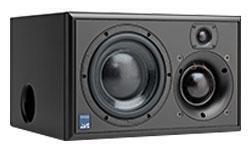
Fletcher-Munson curves show that our ears have the flattest frequency response (or best accuracy, in other words) at 85dB SPL. Calibrate your monitor speakers so that you’re hearing your mixes at 85dB, and they’ll hold up better no matter what volume the listener ultimately hears them at. Mix louder or quieter than that, and you’re more likely to struggle with an unbalanced spectrum. Even if 85dB is too loud for your mixing space, at least try to monitor at a consistent level each time you mix.
Do | Reference with monitor speakers, headphones, and small speakers
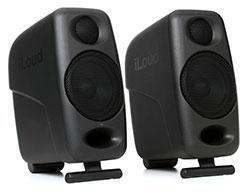
After the first few tips, you may be thinking it’d be easier to simply mix on headphones and skip speakers altogether — bad idea. Getting a mix to sound good on any playback system is easier to achieve when you check your mix on monitor speakers, headphones, and small speakers like an iPhone. Each option has its strengths and weaknesses, and by using more references, your mix is more likely to translate to any playback system.
Do | Leave yourself plenty of headroom
Unlike mixing through an analog console, there’s no reason to have your DAW’s stereo-bus meters (or any meters) going into the red. With digital audio, you’ve got an ultra-low noise floor and more dynamic range than we know what to do with — no need to try to maximize volume at the mix stage. Leaving yourself headroom allows you to create a mix with more dynamic interest, and it’ll hold up better in the mastering stage (which is where you should be looking to maximize volume anyway).
Do | Take advantage of aux sends and buses
If you usually route all your tracks directly to your master stereo bus, consider sending groups of tracks to buses instead. Most people do this with drums anyway, but it’s just as useful for guitars, vocals, and bass parts too. Being able to EQ and compress groups of tracks in addition to the individual tracks goes a long way toward bridging the gap between a bunch of disparate elements and a cohesive final mix.
Don’t:
Don’t | Mix before you finalize your edits
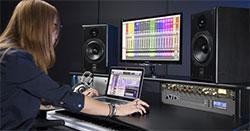
A great mix starts with a well-edited session. Removing unnecessary sections of audio regions, adding fades to clips, and adjusting clip gains are like getting your ingredients ready to cook — it’s not the most glamorous part of the session, but it lays the groundwork for a successful mix. Edit before you mix, not as you go.
Don’t | Work on artistic mixing before the base mix is done
Pro engineers have all sorts of tricks to make a mix sound exciting, from subtly increasing the volume of a chorus to blending in effected tracks in the background of the mix. All of this needs to happen after building a solid basic mix. If you’re automating effects and track levels before you’ve solidified your base mix, you’ll be making more work for yourself in the long run. Make a mix that stands on its own with as little automation as possible, then use creative mixing techniques to make it even better.
Don’t | Mix with tired ears, or too close to the tracking sessions

If you jump into mixing immediately after the production phase, you won’t be as objective as you would if you waited a few days or weeks. Hearing the same tracks over and over can cloud your perception of them. Give yourself some time away from your project (and a chance to listen to something else for a while), and when it’s time to mix, you’ll be approaching the material with fresher ears.
Don’t | Use more processors than you actually need
If you’re using multiple processes on a track in your mix, make sure to bypass them and confirm that they’re making incremental improvements. It’s not uncommon to have multiple plug-ins like an EQ, de-esser, and compressor on a track. But if you find yourself with a chain such as EQ/compression/distortion/EQ/limiter/EQ, then bypass them all and bring them back in one by one — maybe they’re all necessary, or maybe they’re just hurting your mix. If each stage of processing doesn’t make some type of improvement, serving a specific purpose, you’re probably making things worse.
Don’t | Fool yourself by thinking louder is better
This is related to the previous point. Some plug-ins actually boost the level when you insert them, so you may think it sounds better when it actually is just louder. And it may even sound worse. When you’re comparing the EQed or compressed signals to their unprocessed tracks, always try to match the level to make sure it’s really better, not just louder.
Don’t | Combine the mixing and mastering processes
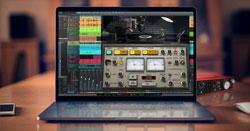
Loosely speaking, the mixing process is about creating a cohesive blend of tracks that sounds good on any playback system, and the mastering process is about making a mix sound as good as it can (while also optimizing it for its destined media). If you’re a solo production operation, you may be tempted to achieve a mastered sound with stereo-bus processing as part of your mix session. We urge you to separate the mixing and mastering processes (and to consider using a pro mastering engineer too). Make your mix sound as good as it can without any mastering processes, commit to the mix, and you’ll likely get much more out of the mastering process as a result.
Don’t | Forget to check your mix away from your mixing space
When you feel your mix is almost ready, check it outside of your mixing space. Listen in a car, your living room, with earbuds while you exercise, or even just outside the room in the hallway. While you need a controlled mix environment to make informed mix decisions, hearing your mix outside of your studio is a reality check that ultimately tells you how well your mixes translate in other environments.
Don’t | Fool yourself by pumping up the monitor volume
When you think you’re close, turn it down — way down. Frequently this is very telling and will show you what parts are out of context. Remember that most people will not listen as loudly as you do in the studio. This is the reality test of what people will hear when they are listening to it as they go about their daily lives. Make sure the spotlight (whether voice or instrument) isn’t lost when the volume is low.
One Last Tip
Truth | There is no right or wrong way to mix
Many would argue that statement, but the unfortunate truth is that, for the most part, a good mix is subjective. That’s probably what leads to endless mix revisions — should the drums be more up front, or farther in the background? And if we change those, we’ll need to adjust the vocal balance, and so on. It’s easy to mix in circles, but it’s also easy to avoid multiple mix revisions if you start the process off with a goal-oriented mindset.
We hope these dos and don’ts help you improve your mix results in some way. And if you’d like to talk with someone who is as passionate about achieving a great mix as you are, call your Sweetwater Sales Engineer at (800) 222-4700.
Check out these other articles about how to achieve the best mix:
5 Big Mixing Mistakes You Might Be Making
How Loud Should You Mix?
Mastering in Your DAW
4 Mixing Tips That Have Nothing to Do with Gear