
Active Direct Boxes
Get More at Sweetwater
Refine Your Search
Availability
Brand
- Radial (23)
- ART (9)
- Behringer (6)
- Strymon (5)
- Warm Audio (4)
- sE Electronics (4)
- Grace Design (3)
- Klark Teknik (3)
- Little Labs (3)
- Phoenix Audio (3)
- Rupert Neve Designs (3)
- dbx (3)
- A Designs (2)
- AEA (2)
- Avalon (2)
- Baggs (2)
- Fishman (2)
- Hazelrigg Industries (2)
- Heritage Audio (2)
- Mackie (2)
- Whirlwind (2)
- BSS (1)
- Cloud Microphones (1)
- Hosa (1)
- Hughes & Kettner (1)
- On-Stage (1)
- Royer (1)
- Samson (1)
- Summit Audio (1)
- Switchcraft (1)
- TK Audio (1)
- Telefunken (1)
- Undertone Audio (1)
- Useful Arts (1)
Price Range
- $25 to $50 (3)
- $50 to $100 (20)
- $100 to $200 (18)
- $200 to $300 (20)
- $300 to $500 (18)
- $500 to $750 (6)
- $750 to $1000 (8)
- $1000 to $1500 (3)
- $1500 to $2000 (3)
- $3000 to $5000 (1)
Financing
Type of Deal
Sale
Series
- ART ARTcessories (8)
- Radial Reamp (5)
- Rupert Neve Designs RNDI (3)
- Fishman Platinum (2)
- Klark Teknik DN (2)
- Mackie MDB (2)
- Radial SGI (2)
- Radial StageBug (2)
- Cloud Microphones Cloudlifter (1)
- Grace Design m308 (1)
- Klark Teknik DI (1)
- Strymon Reverb (1)
- Telefunken Dynamic (1)
Type
Channels
Analog Inputs
Analog Outputs
Related Searches


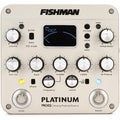


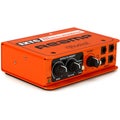


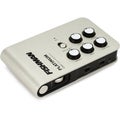













If you want to compare another product, please remove one of your earlier choices.
Choose an Active DI Box to Keep Your Tone Intact
Ever plugged your instrument into a recording interface or live console and ended up with a thin, buzzy, ill-defined sound? An active DI box may be the missing link in your signal chain. From stage to studio, these pro audio workhorses convert your instrument’s unbalanced signal to a balanced one, helping reduce noise and preserve your tone, even over long cable runs.
How Does an Active Direct Box Work?
A direct box (DI) converts the high-impedance, unbalanced signal from your guitar, bass, or keyboard into a low-impedance, balanced signal. That signal can then be sent via XLR cable to your interface, console, or mix rack for tracking and processing, all without the tone loss and interference that can plague unbalanced instrument cables.
An active direct box performs this conversion using powered circuitry, typically supplied by 48V phantom power or an internal battery. The active circuitry buffers your signal, helping preserve high-end sparkle, note definition, and dynamics that a passive design can lose, especially over longer cable runs from stage to FOH.
Where Active DI Boxes Shine:
- Tracking guitar or bass: Weaker passive pickups can benefit from an active DI’s buffered impedance matching, especially when feeding outboard gear like preamps, compressors, and EQs.
- DI’ing acoustic-electric guitar: Piezo pickups are notoriously picky about input impedance. An active DI can keep them sounding natural.
- Running cables from stage to FOH: The active buffer drives the line, helping preserve detail that a weak passive signal can lose.
- Blending DI bass with an amp: Capture punch and note definition from the DI, then blend in the character of the miked cab.
- Reamping guitar tracks: A clean DI printed alongside your amp track lets you swap amps or pedalboards later if the tone doesn’t sit right.
Active DIs That Run on Phantom Power, Battery, or Both
Many active DI boxes run on 48V phantom power from a mixer or interface, a 9V battery, or both. Battery operation can be a lifesaver on stages where phantom power isn’t available at the box. In the studio, powering from your interface or console keeps one less thing to worry about between takes.
Active Direct Box FAQs
Will an active DI box change my tone?
A quality active DI box is designed to be transparent, preserving your instrument’s natural tone rather than coloring it. Any tonal shift you hear is usually the buffered signal retaining clarity and dynamics that would otherwise be lost to cable capacitance or impedance mismatch.
What’s the difference between an active and passive DI box?
Active DIs use powered buffers to cleanly handle high-impedance sources like passive guitar and bass pickups, making them a solid choice for driving long cable runs. Passive DIs need no power and rely on a transformer. They’re often preferred for higher-output sources like synthesizers and active pickups, and can add a touch of warmth as the transformer gently saturates.
Do I need a DI box with a ground lift for my recording studio?
It’s a good idea. A ground lift helps eliminate hum from ground loops when equipment is connected to different outlets or circuits (a common headache when your amp and interface are on separate power).
Is an active DI box only useful in a studio?
No. Active DIs are standard issue on live stages too, feeding a clean instrument signal to the front-of-house mixer alongside a stage amp. The same DI track can even be captured to a multitrack recorder for a live album mix.
Can I use an active DI box without phantom power?
Typically, yes. Many active DI boxes include a battery compartment for use when phantom power isn’t available.
