
Parametric EQ
Get More at Sweetwater
Refine Your Search
Availability
Brand
- Pultec (14)
- Neve (12)
- Heritage Audio (10)
- BAE (7)
- Manley (7)
- Tube-Tech (7)
- Warm Audio (7)
- SPL (6)
- Bettermaker (5)
- Golden Age Project (5)
- Rupert Neve Designs (4)
- API (3)
- Millennia (3)
- elysia (3)
- A Designs (2)
- Black Box (2)
- DW Fearn (2)
- Dangerous Music (2)
- Drawmer (2)
- Maag Audio (2)
- Phoenix Audio (2)
- Summit Audio (2)
- TK Audio (2)
- AEA (1)
- Acme Audio (1)
- Behringer (1)
- Chandler Limited (1)
- Cranborne Audio (1)
- Electrodyne (1)
- GML (1)
- H2 Audio (1)
- Klark Teknik (1)
- Lindell Audio (1)
- Retro Instruments (1)
- Rolls (1)
- WesAudio (1)
Price Range
- $200 to $300 (3)
- $300 to $500 (5)
- $500 to $750 (3)
- $750 to $1000 (4)
- $1000 to $1500 (9)
- $1500 to $2000 (11)
- $2000 to $3000 (21)
- $3000 to $5000 (46)
- $5000 to $8000 (18)
- $8000 and Over (4)
Financing
What is this?Type of Deal
Sale
Series
- Neve 1073 (6)
- Neve 1084 (3)
- Warm Audio WA73 (3)
- Drawmer 60s Series (2)
- Manley Dual (2)
- Neve 1081 (2)
- Phoenix Audio Ascent (2)
- Rupert Neve Designs Shelford (2)
- elysia Rack Series (2)
- API Select (1)
- Chandler Limited Abbey Road (1)
- DW Fearn VT (1)
- Golden Age Project Premier (1)
- Manley Mastering (1)
- Neve 88 (1)
- elysia qube (1)
Number of Channels
Type
Number of Bands
What is this?Rack Spaces
What is this?Inputs
Outputs
Related Searches















If you want to compare another product, please remove one of your earlier choices.
About Parametric Equalizers
When you need to shape your sound, whether it's cutting unnecessary low end from a drum kit, adding sparkle to an acoustic instrument, or enhancing the midrange of a vocal performance, an equalizer is often the right tool for the job. And for the ability to pinpoint specific frequencies, you want a parametric EQ. A parametric equalizer allows you to select the specific frequency you're cutting or boosting and control how "wide" or "narrow" the frequency range you're affecting. You'll have more flexibility over your sound than with a fixed-frequency or graphic EQ.
Parametric EQ Buying Advice
Tube vs. solid-state EQs
Like many types of audio equipment, parametric equalizers generally follow one of two circuit designs: tube and solid-state. While many legendary studio pieces are based around tubes, you can achieve world-class sound quality with solid-state units, too. Keep in mind that equipment with tubes in it can sometimes be more fragile than solid-state components — this is especially important if you're taking your gear on tour or around town. There are also hybrid designs that combine tube and solid-state components, aiming to deliver the best of both worlds.
How many channels?
Consider how you'll be using your equalizer on a regular basis: are you only going to process individual mono tracks, or do you want to be able to EQ a stereo signal, too? If you're shaping single tracks, a 1-channel equalizer is all you technically need. However, most 2-channel EQs will allow you to process two channels separately, in addition to stereo processing. So even if you don't plan on using your EQ for stereo duties, it may make sense for you to get a 2-channel unit: it's like having two individual EQs in one, with the option to use them together for stereo operation when the need arises.
How many bands?
Also consider how much control you want over your sounds: this translates to how many frequency bands your EQ offers. A 2- or 3-band EQ will get most jobs done for simple sound-shaping. But if your applications demand more sonic control, parametric EQs with 4, 5, or even 6 bands allow for greater precision.
Find the Parametric EQ for You at Sweetwater
If you're interested in adding a parametric EQ to your sound rig but don't know where to start, call your Sweetwater Sales Engineer at (800) 222-4700. We live and breathe pro audio and music technology, and we've helped countless engineers like you expand their recording and mixing rigs.
Prefer to shop online? Use the filters on this page to sort results by circuit type, unit size, number of channels, I/O, and more. For more tips on getting started with your new parametric EQ, check out the following articles:
- “Should I Use Graphic or Parametric EQ?” | inSync
- “How to Hunt Problem Frequencies Using Parametric EQ” | inSync
- “EQ Frequencies of Musical Instruments Explained” | inSync
- “How to EQ (Almost) Anything” | inSync
- “How Do Equalizers Work?” | inSync
- “Gear That Wins Grammys” (featuring the GML 8200 and API 5500) | inSync
What are the most popular brands for Parametric EQ on Sweetwater.com?
What are the most popular Parametric EQ on Sweetwater.com?
-
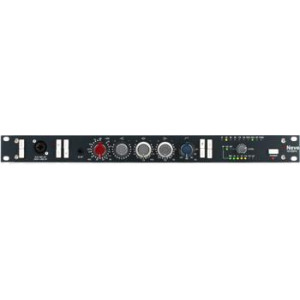
Neve 1073SPX Microphone Preamp and EQ
5 out of 5 stars 28 reviews
$2,095.00 -
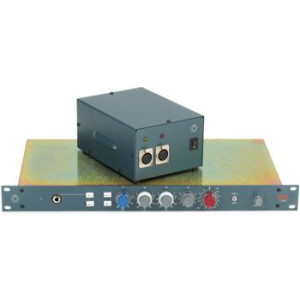
BAE 1073 Rackmount Microphone Preamp & EQ with Power Supply
5 out of 5 stars 3 reviews
$3,343.99 -
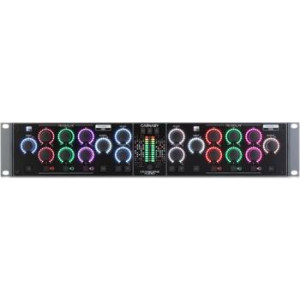
Cranborne Audio Carnaby HE2 Harmonic EQ
5 out of 5 stars 5 reviews
$1,799.00 -
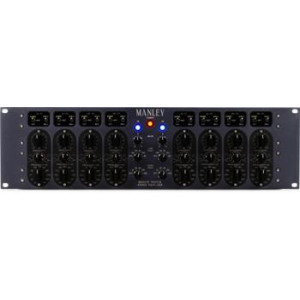
Manley Massive Passive Stereo Tube EQ
5 out of 5 stars 15 reviews
$6,999.00 -
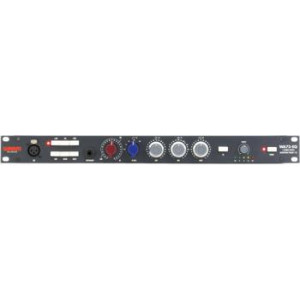
Warm Audio WA73-EQ Microphone Preamp & EQ
4.5 out of 5 stars 48 reviews
$895.09
Why shop Parametric EQ at Sweetwater.com?
With a massive selection of Parametric EQ, free shipping, a free 2-year warranty, 24/7 access to award-winning support - and more - Sweetwater gives you more than any other retailer! If you have any questions about Parametric EQ, make sure to give your personal Sales Engineer a call at (800) 222-4700.
