
True Bypass Multi-effects Pedals
Read our Guitar Pedals Buying GuideGet More at Sweetwater
Refine Your Search
Availability
Brand
- Analog Alien (3)
- Eventide (3)
- Line 6 (3)
- Meris (3)
- Boss (2)
- Strymon (2)
- TC Electronic (2)
- Beetronics FX (1)
- IK Multimedia (1)
- Source Audio (1)
- Walrus Audio (1)
- Wampler (1)
Price Range
Financing
What is this?Type of Deal
Series
- Line 6 HX (3)
- Boss 500 Series (2)
- Strymon Reverb (2)
- Eventide H9 (1)
- IK Multimedia AmpliTube X-Gear (1)
- Source Audio One (1)
- Walrus Audio Mako Series (1)
Analog/Digital
True Bypass
What is this?Amp Modeling
What is this?Impulse Response
What is this?Inputs
What is this?Outputs
What is this?MIDI I/O
Related Searches

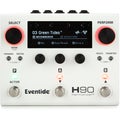


Meris Ottobit X Modular Degradation and Texture Engine Pedal
Stereo Degradation/Texture FX Pedal with Bit Crusher, Sample Rate, Glitch/Filter/Ambience/Pitch/Modulation/Preamp FX, Hold Switch, MIDI, Deep Modifier, Color LCD, Presets, and Expression Input
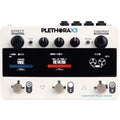


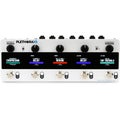
TC Electronic Plethora X5 TonePrint Multi-FX Pedalboard
Multi-effects Pedal with 5 Simultaneous FX, 75 TonePrints Per FX, 127 Custom Pedalboard Presets, MASH Footswitches, Cabinet Simulator, Tap Tempo, FX Loop, Expression Input, MIDI In/Thru, Bluetooth, Tuner, and Stereo I/O


If you want to compare another product, please remove one of your earlier choices.
About Amp Modeling Multi-effects Pedals
Amp-modeling multi-effects units pack an entire rig into one box, combining amp simulations, cabinet emulations, and a full effects chain, so that you can leave a tube amp at home for gigs and sessions. Sweetwater stocks dozens of models from Line 6, Neural DSP, BOSS, Kemper, IK Multimedia, HeadRush, and others.
What Is an Amp Modeling Pedal, and How Is It Different from a Multi-effects Guitar Pedal?
An amp modeling pedal combines digital simulations of guitar amplifiers and speaker cabinets with a full chain of effects, all in one unit. Instead of running your guitar through a physical amp, the pedal processes your signal and outputs a complete, ready-to-use guitar tone.
A traditional multi effects guitar pedal focuses on stacking effects like delay, reverb, chorus, and distortion, and it’s typically designed to run in front of a real amp or through its effects loop. An amp modeling pedal goes further: it simulates the preamp, the power section, and the speaker cabinet, so you can plug directly into a PA, an audio interface, or a set of studio monitors and hear a finished tone.
Here’s how the signal flows inside a typical unit. Your guitar hits the input, passes through any effects placed before the amp block, runs into the modeled preamp and power amp, then through a cab sim or impulse response, and finally through post-amp effects like delay and reverb on the way to the outputs. Many modelers in this category support impulse response (IR) loading, which lets you swap in third-party cabinet simulations for even more tonal variety. The result is a multi effects guitar pedal that can cover clean, crunch, and high-gain sounds from the same box.
Amp Modelers That Work for Guitar and Bass
If you play both, look for a modeler with bass amps and cabs in its library, not one built strictly around guitar tones. The Line 6 Helix and HX Stomp include both in the same model library. Capture-based modelers like the Neural DSP Quad Cortex and IK Multimedia TONEX Pedal work either way, and both have bass captures available online. Before you commit, check that the input handles an active bass without clipping, and confirm the unit offers balanced XLR outputs if you plan to run direct live.
For a closer look at how these units stack up against effects-only options, see our guide to the best multi-effects pedals for electric guitar.
Floorboard Processors with Amp Capture Technology
Some floorboards don’t merely model amps, but can digitize specific gear you already own. Amp capture runs test signals through a physical amp, cab, or pedal and builds a digital match you can recall on demand.
The Neural DSP Quad Cortex lets you capture real amp, cab, and effects combos and share with an active online community. The Kemper Profiler Stage MK 2 draws on one of the longest-running profiling ecosystems available. Then there are units like IK Multimedia’s TONEX Pedal, which brings capture to a smaller, more affordable box with its own user library.
Another option is the Line 6 Helix. Although original Helix and HX Stomp models have relied on detailed circuit modeling to re-create gear, newer Helix Stadium hardware adds the cloud-based PROXY service to clone your favorite amps, preamps, and distortion pedals.
Amp Modeling Multi-effects Pedals with a Touchscreen
A touchscreen can speed up live editing, which is why popular modelers like the Neural DSP Quad Cortex, HeadRush Flex Prime, and Hotone Ampero II Stomp all include one. Much like a smartphone, you simply drag blocks around the signal chain and tap what you want to change, which helps when you’re dialing in tones at soundcheck.
Getting the Most from Your Sweetwater Purchase
Most amp-modeling multi-effects pedals from Sweetwater ship free and include a two-year warranty. Plus, you’ll always have access to our dedicated support team. If you have questions about which modeler fits your rig, our Sales Engineers can walk you through the options, compare specific models, and help you put together a bundle with any cables, cases, or accessories you need. Call us anytime at (800) 222-4700.
Learn More