
Djembes
Get More at Sweetwater
Refine Your Search
Availability
Brand
- Toca Percussion (130)
- Remo (67)
- Meinl Percussion (54)
- Latin Percussion (28)
- Pearl (18)
- Nino (4)
- Gibraltar (1)
- Rhythm Tech (1)
Price Range
- Under $25 (4)
- $25 to $50 (23)
- $50 to $100 (41)
- $100 to $200 (112)
- $200 to $300 (56)
- $300 to $500 (44)
- $500 to $750 (19)
- $750 to $1000 (1)
- $1000 to $1500 (2)
- $2000 to $3000 (1)
Financing
Type of Deal
- Call-in Savings (29)
- Certified Open Box (18)
- Price Drops (15)
- Rebates & Promos (12)
- Bundles (4)
- Used (1)
Series
- Toca Percussion Freestyle (65)
- Toca Percussion Sympatico (49)
- Remo Versa (21)
- Meinl Percussion Jumbo Djembe (19)
- Latin Percussion World Beat (12)
- Remo Mondo (11)
- Meinl Percussion Alpine Djembe (9)
- Meinl Percussion Headliner (9)
- Toca Percussion Street (7)
- Remo Festival (6)
- Latin Percussion Aspire (2)
- Remo ARTBEAT (2)
- Latin Percussion Galaxy (1)
- Remo 100 (1)
- Remo Fiberskyn (1)
- Remo Green and Clean (1)
- Toca Percussion Origins (1)
Related Searches


If you want to compare another product, please remove one of your earlier choices.
The Djembe Drum: Your Gateway to Global Rhythms
Few drums can match the range and versatility of the West African djembe. This goblet-shaped hand drum infuses worldbeat rhythms and kick-and-snare grooves into your live sets, drum circles, and worship gatherings. The djembe’s portable size makes it the ideal companion to your coffeehouse acoustic duo, and its earthy textures could be precisely what your live performances and studio productions are missing.
Are you interested in adding the djembe’s playful format and folksy soul to your classroom or backline? Sweetwater is here to help. Dive in and explore how this modern instrument with deep traditional roots can enrich your curriculum, festival, or music therapy sessions.
What Does the Djembe Drum Sound Like?
The djembe (pronounced “JEM-bay”) has earned global renown for its conga-like pulse, timbale-like bite, and thunderous bass that will send your nearby cajon running for cover. Miked up, the djembe even doubles as a drum set alternative, boasting a snappy backbeat and a powerful sub-frequency that rivals kick drums twice its size.
Is the Djembe Drum Hard to Play?
The djembe’s basic strokes and fundamentals will come naturally to anyone with a percussion background and a hunger to learn. If you’re already a conga or bongo player, you’ll be up and running with your djembe in short order. Newbies and set players can learn at their own pace, though we generally advise taking a few weeks to build a solid foundation before playing out. As with many hand percussion instruments, the djembe is relatively quick to pick up but offers a lifetime of enjoyment and mastery.
Why Is a Djembe Shell Hourglass Shaped?
There are two key reasons: tone and technique. The djembe’s flared, open-bottom design helps generate the robust sound this 12th-century drum is celebrated for. Additionally, this slender base fits comfortably between the legs, positioning the large bowl (playing surface) at waist level and providing a practical solution for seated or standing performances.
What Are the Three Sounds You Can Make on a Djembe?
The djembe’s three basic strokes (or sounds) are:
- Slap (high) — A glancing palm strike to the hoop and head results in a sharp “crack” rich with harmonic sustain.
- Tone (medium) — This slightly closed rebound stroke with the knuckles and fingers creates the subdivisions of your djembe grooves and patterns.
- Bass (low) — An open palm strike to the center of the head generates a deep, bassy resonance. How deep? A 13-inch djembe can produce tones as low as 75Hz! That’s as low as many acoustic bass drums.
Note that these aren’t the djembe’s only sounds; skilled players can generate highly complex rhythms using the fingers, palms, thumbs, fists, and mutes.
Find Your Next Djembe and Accessories at Sweetwater
Ready to bring the rhythms of the world to your band room or studio? Sweetwater’s djembe selection is your all-access pass! Call our percussion experts for a personalized list of classroom and performance djembes that meet your goals and budget. With our fast, free shipping and our curated selection of djembe heads, stands, straps, and accessories, you’ll have everything you need to become a certified djembefola in no time.
What are the most popular brands for Djembes on Sweetwater.com?
What are the most popular Djembes on Sweetwater.com?
-
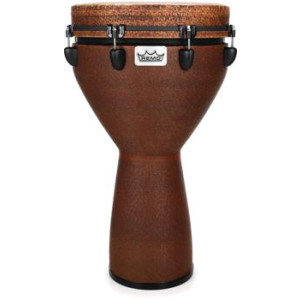
Remo Mondo Djembe - 14 inches, Earth Finish
5 out of 5 stars 7 reviews
$489.95 -

Toca Percussion Freestyle Mechanically Tuned Djembe - 12 inches, Black Mamba
5 out of 5 stars 1 review
$189.99 -

Meinl Percussion Alpine Series 12-inch Djembe - Barnwood
4.5 out of 5 stars 3 reviews
$159.99 -
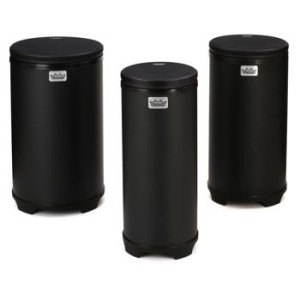
Remo Festival Drum Tubano Nested Set - Black Matte
3 out of 5 stars 3 reviews
$479.95 -
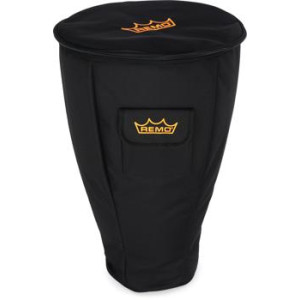
Remo Deluxe Djembe Bag - 14 inches
5 out of 5 stars 4 reviews
$91.52
Why shop Djembes at Sweetwater.com?
With a massive selection of Djembes, free shipping, a free 2-year warranty, 24/7 access to award-winning support - and more - Sweetwater gives you more than any other retailer! If you have any questions about Djembes, make sure to give your personal Sales Engineer a call at (800) 222-4700.
