

Drumsticks & Brushes
Get More at Sweetwater
Refine Your Search
Availability
Brand
- Vic Firth (190)
- Promark (157)
- Vater (146)
- Innovative Percussion (70)
- Meinl Stick & Brush (66)
- Zildjian (48)
- Ahead (38)
- Wincent (27)
- Goodwood (14)
- On-Stage (14)
- Salyers Percussion (12)
- Sweetwater (9)
- Latin Percussion (7)
- Schlagwerk (7)
- LA Special (5)
- Malletech (4)
- K&M (1)
- Meinl Percussion (1)
- Sela (1)
- Toca Percussion (1)
Price Range
Financing What is this?
Type of Deal
Series
- Vic Firth American Classic (51)
- Vic Firth Signature (37)
- Promark FireGrain (15)
- Innovative Percussion Field (13)
- Vic Firth Brushes (11)
- Innovative Percussion Legacy (10)
- Innovative Percussion Signature (9)
- Innovative Percussion Vintage (8)
- Innovative Percussion Concert Snare Drum (7)
- Vic Firth American Concept (7)
- Latin Percussion Rhythm Rods (5)
- Vic Firth Corpsmaster (5)
- Innovative Percussion Innovation (4)
- Malletech eMotion (4)
- Vic Firth American Custom (4)
- Vic Firth Corpsmaster Signature (3)
- Innovative Percussion Bakbeats (2)
- Innovative Percussion John "JR" Robinson (2)
- Promark ActiveGrip (2)
- Zildjian Z Custom (2)
- Innovative Percussion Clayton Cameron (1)
- Innovative Percussion Global (1)
- Innovative Percussion New York City (1)
- Innovative Percussion Rashid Williams (1)
- Promark BYOS (1)
- Vic Firth American Jazz (1)
- Vic Firth American Sound (1)
Type
Material What is this?
- Hickory (551)
- Maple (62)
- Plastic (30)
- Oak (17)
- Birch (15)
- Bamboo (12)
- Persimmon (4)
- Rubber (4)
- Aluminum (2)
- Ash (2)
- Beechwood (2)
- Broomcorn (2)
Tip Material
Size
- Other (170)
- 5A (166)
- 5B (117)
- 7A (68)
- 2B (45)
- 5AB (20)
- 3A (8)
- 8D (8)
- 55A (5)
- 8A (5)
- 9A (5)
- 85A (3)
- 55B (2)
- 1A (1)
- 2S (1)
Length
- 36" (1)
- 17.32" (1)
- 17.25" (1)
- 17.12" (2)
- 17" (64)
- 16.94" (1)
- 16.9" (1)
- 16.87" (8)
- 16.81" (1)
- 16.8" (2)
- 16.75" (20)
- 16.63" (4)
- 16.62" (8)
- 16.56" (1)
- 16.5" (92)
- 16.42" (1)
- 16.4" (1)
- 16.37" (12)
- 16.31" (4)
- 16.3" (1)
- 16.25" (69)
- 16.2" (3)
- 16.18" (4)
- 16.14" (6)
- 16.12" (30)
- 16.1" (1)
- 16.02" (1)
- 16" (300)
- 15.93" (1)
- 15.87" (6)
- 15.86" (2)
- 15.75" (5)
- 15.69" (1)
- 15.62" (1)
- 15.6" (2)
- 15.5" (19)
- 15.37" (5)
- 15.32" (1)
- 15.18" (1)
- 15.12" (1)
- 15" (4)
- 14.75" (2)
- 14.5" (4)
- 14.29" (1)
- 14.17" (1)
- 14.13" (1)
- 14.12" (4)
- 14" (3)
- 13.62" (1)
- 13.58" (2)
- 13.54" (1)
- 13.5" (1)
- 13.37" (1)
- 13.35" (2)
- 13" (2)
- 12.36" (1)
- 12.31" (1)
- 12" (1)
- 10.5" (1)
- 9" (1)
Diameter
- 1.5" (1)
- 1.3" (1)
- 1.25" (1)
- 1.125" (1)
- 1.12" (1)
- .984" (1)
- .955" (1)
- .935" (2)
- .875" (2)
- .755" (1)
- .750" (1)
- .740" (1)
- .735" (2)
- .730" (5)
- .720" (2)
- .715" (2)
- .712" (1)
- .710" (15)
- .705" (2)
- .704" (1)
- .700" (9)
- .698" (5)
- .697" (1)
- .695" (5)
- .690" (6)
- .685" (1)
- .680" (3)
- .675" (6)
- .670" (2)
- .665" (1)
- .660" (4)
- .655" (1)
- .650" (9)
- .645" (4)
- .640" (3)
- .638" (1)
- .635" (15)
- .630" (31)
- .629" (1)
- .626" (2)
- .625" (14)
- .622" (4)
- .620" (5)
- .615" (2)
- .610" (11)
- .605" (19)
- .602" (1)
- .600" (18)
- .595" (80)
- .591" (4)
- .590" (33)
- .588" (1)
- .585" (12)
- .580" (53)
- .579" (2)
- .577" (1)
- .575" (4)
- .571" (1)
- .570" (39)
- .565" (73)
- .563" (8)
- .560" (25)
- .559" (1)
- .555" (12)
- .551" (23)
- .550" (13)
- .545" (4)
- .540" (43)
- .535" (21)
- .533" (1)
- .531" (3)
- .530" (8)
- .525" (3)
- .520" (4)
- .512" (7)
- .500" (7)
- .494" (1)
- .490" (1)
- .485" (1)
- .465" (1)
- .462" (1)
- .440" (2)
- .430" (1)
- .425" (1)
- .375" (1)
- .069" (1)
Related Searches













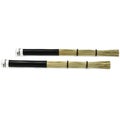


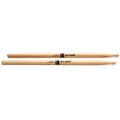
If you want to compare another product, please remove one of your earlier choices.
Your Essential Guide to Drumsticks, Brushes, and More
As any drummer who's been in the hot seat can tell you, choosing the right sticks is essential to nailing the gig. Show up with brushes to a heavy metal audition, and you're likely to get laughed out of rehearsals. Bring marching sticks to a jazz gig, and it could be your last job in town.
Fortunately, Sweetwater's here to help you choose the right sticks, rods, and brushes for all your creative endeavors. Whether you're a groove guru or a beat beginner, this guide will keep you from being the "butt" of any drum-related jokes next time you take the stage.
Decoding Drumstick Sizes and Weights
Drumsticks are classified by their size and weight. This is often represented as an alphanumeric code (such as "5A"). The lower the number, the larger the diameter. The higher the letter, the heavier the weight. Confused? Don't worry — it'll become rudimentary in time.
The drumstick naming convention was established by none other than William F. Ludwig in the mid-20th century. Though it's far from standardized, the underlying principles remain: "A" represents thinner orchestral sticks, "B" indicates chunkier sticks suitable for band settings, and lower numbers signify larger sizes, similar to how cable gauges work.
Which drumsticks are right for me?
Many players consider 5A drumsticks — those with a diameter of 0.550–0.585 inches — to be the drum set gold standard. For lighter stages and intimate gatherings, sticks in the 7A range (0.510–0.540 inches in diameter) tend to offer greater dynamic control. For stage rock and metal, the preferred choice would be a heavier stick in the 5B range and upward (0.590 inches+).
Sweetwater's size filters streamline online stick shopping
Drumstick sizing can be tricky at first, but here's the great news: once you find a size and weight that works for you, Sweetwater's online shop filters make it fast and easy to discover other sticks that feel just right in your hands. Select your preferred size (2B) or diameter (0.630 inches), and you're free to experiment with different lengths, woods, and tips without sacrificing the grip and speed you trust. Now, how's that for convenience?
The Drummer's Toolkit: Drumsticks and Stick Alternatives Explored
Are you searching for fresh ways to express yourself behind the kit? Here are the common types of drumsticks and stick alternatives at Sweetwater:
- Drumsticks — The iconic tapered drumsticks enjoyed by everyone from Buddy Rich to Jay Weinberg can be found today in numerous natural and synthetic materials: hickory, maple, oak, bamboo, aluminum, carbon fiber, fiberglass, and more. Drumsticks are available in weights and sizes to suit all players and tastes, from youth jazz prodigies to card-carrying arena rockers.
- Rutes/Rods — These bundled-dowel options provide a softer attack than traditional sticks, making them ideal for intimate performances where greater control is needed — from Sunday morning gatherings to NPR's Tiny Desk concerts.
- Mallets — Thin wood handles and soft striking surfaces give percussion mallets the edge for smooth, mellow drum tones and suspended cymbal swells.
- Brushes — The swish-swoosh brush sound is a hallmark of traditional jazz and ragtime as well as modern country and Americana. Brushes can be made with steel or nylon bristles to evoke different levels of intensity. Retractable handles keep brushes safe in transit and make them easy to pack up at the end of the night.
- Hybrids — Today's hybrid market is a playground for drummers and percussionists seeking unique, never-before-heard sounds and textures. Brushes made from rigid wood dowels, rutes made from bundled broomcorn, and mallet-topped wood sticks are just some of the exciting hybrids you'll find at Sweetwater.
What Are Drumsticks Made Out Of?
Wood and metal sticks compared
Tough, durable hickory is the benchmark for modern wood drumsticks. Hickory's weight and density yield a level of balance and durability that most drummers will find quite comfortable. Alternatively, if you drum in a jazz combo or orchestra pit and need a stick that's lighter in the hands and softer on the skins, maple is your go-to choice. If you're a heavy hitter, you may prefer the superior durability and projection of oak or heat-tempered hickory.
Looking for sticks with a little more giddy-up? Sweetwater also carries Ahead drumsticks for the heaviest hitters on the planet. These sticks are made with light, durable aerospace aluminum cores that last up to 10 times longer than traditional wood sticks.
Stick tips explained
Many drumsticks are available with your choice of wood or nylon tips. Wood tips are celebrated for their organic attack and natural harmonics, making them the standard for many drummers. Wood tips also tend to exhibit the most linear dynamic response, which makes them perfect for beginners.
However, if you don't mind sacrificing control for greater volume, nylon tips offer cleaner cymbal definition and better stage projection, making them a favorite for stadium rock and unmiked concert venues.
Popular Options to Round Out Your Stick Bag
Rod (or rute) dowel bundles behave similarly to sticks but pack a polite cymbal response and slappy tone that drummers love. Promark Hot Rods are among our best sellers in this category. You may recognize these from Nirvana's iconic MTV Unplugged in New York sessions, where Dave Grohl helped pave the way for rod-style sticks in modern drumming. Choose rods if you want the sound and control of a stick, just "turned down."
Soft yarn and felt mallets produce a round, pure tone on drums and orchestral darkness on cymbals. Try these for ambient music, indie rock, and live worship settings when you want the presence of drums without a defined attack.
Brushes and rakes are the quietest stick alternatives. These jazz, ballad, and folk-music staples are responsible for the swirl sounds and train beats you hear on snare drums and cajons. Metal brushes have a more defined attack (better for cymbal work), while nylon brushes are more delicate to sit beneath a mix.
Sweetwater's the Player's Choice for Drumsticks and Beyond
With so many stick and non-stick options available, finding the perfect pair can be an undertaking! Check out Sweetwater's drumstick buying guide for an in-depth look at today's options. Or, if you'd rather speedrun your stick search with advice from experienced drummers, call Sweetwater. Our Sales Engineers have decades of experience helping drummers like you find the right tools for the job — whether it's sticks that can go the distance or brushes that don't break the bank.
What are the most popular brands for Drumsticks & Brushes on Sweetwater.com?
What are the most popular Drumsticks & Brushes on Sweetwater.com?
-
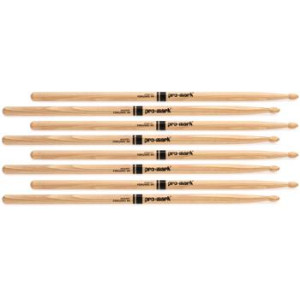
Promark Classic Forward Drumsticks - 5A, 4-pack
4.5 out of 5 stars 7 reviews
$50.99 -
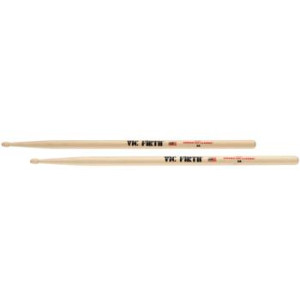
Vic Firth American Classic Drumsticks - 5A
4.5 out of 5 stars 10 reviews
$14.99 -
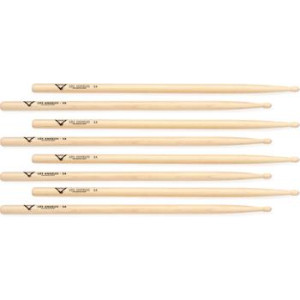
Vater American Hickory Drumsticks - Los Angeles 5A (4-pack)
5 out of 5 stars 18 reviews
$34.99 -
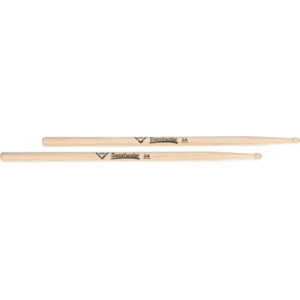
Sweetwater American Hickory Drumsticks by Vater - 5A
5 out of 5 stars 2 reviews
$10.99 -
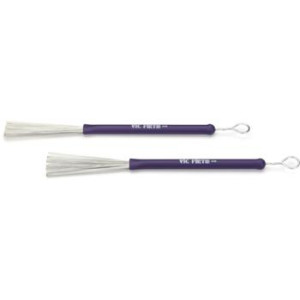
Vic Firth Heritage Brushes (pair)
5 out of 5 stars 4 reviews
$28.99
Why shop Drumsticks & Brushes at Sweetwater.com?
With a massive selection of Drumsticks & Brushes, free shipping, a free 2-year warranty, 24/7 access to award-winning support - and more - Sweetwater gives you more than any other retailer! If you have any questions about Drumsticks & Brushes, make sure to give your personal Sales Engineer a call at (800) 222-4700.
