






Legendary Synthesis Meets Modern Mobility
After nearly four decades, Oberheim reasserted their juggernaut status with a triumphant return to the synthesizer scene that masterfully blended heritage design with contemporary production and performance needs, transcending time and tone with the OB-X8. Much to the delight of Sweetwater's synthesists and production pros, Oberheim has leveraged the unrelenting sonic forces of the OB-X8 and packed them into a portability-minded powerhouse: the OB-X8 Desktop Synthesizer Module. Like its counterpart, this features an 8-voice polyphony for exploring the painstakingly recreated features of the OB-X, OB-Xa, and OB-8 models, containing a selection of the most unforgettable and iconic synth sounds of the '80s, complete with individual filter types and all the presets that made each a standout instrument. An all-analog signal path means the OB-X8 Desktop Module is just as sonically warm and full as its predecessors, with labeled sections containing tactile buttons and knobs for easy and complete control of your sound. This module eschews the keybed to prioritize portability, guaranteeing the scope of the OB-X8's sonic firepower in just a fraction of the space required from a full-sized synth. And though the OB-X8 is a "classic" synthesizer, modern optimizations in the form of an OLED screen and MIDI/USB compatibility make it the perfect addition to any synthesist's arsenal.
Related Videos: OB-X8 8-voice Polyphonic Analog Desktop Synthesizer Module
The Oberheim OB series: dominating the airwaves since '79
While the uninitiated may not have played or experienced an Oberheim in person, anyone who has flipped through radio stations over the last four decades is sure to have heard one of these unmistakable instruments in action. As the first offering in the series, the OB-X polyphonic analog synth only sold approximately 800 units from 1979–1981. However, a selection of these synths ended up in the hands of some of the era's most beloved music makers, including Rush on their Moving Pictures and Signals albums, Dennis DeYoung from Styx, Madonna, and even Prince. Replacing the OB-X in only two short years was the OB-Xa, which optimized the OB-X with welcome upgrades and streamlined its setup for ease of use. This synthesizer is responsible for the intro to Van Halen's timeless track "Jump," as well as gracing releases by New Order, Queen, The Police, and others. As the OB-8 replaced the OB-Xa in 1983, Oberheim's influence on music expanded into the stratosphere as artists like Alice Coltrane, Boyz Noise, Depeche Mode, Kool & The Gang, and many more adopted synthesizers as a core component of their sound. As such, the OB-X8 Desktop Module packs the sum of this DNA into an easily portable, flexible unit.


Faithful Oberheim sound and feel with expanded functionality
One of the primary factors in the OB-X8 Desktop Module's absolute accuracy to the OB series is its all-analog audio path. This factor is the catalyst behind the full-bodied, punchy synth sounds found in classics like "1999" by Prince and "Tom Sawyer" by Rush. This is more than just your standard clone or replication — from the components themselves to the actual interactions between said components, everything was meticulously analyzed for 1:1 realism, resulting in a powerhouse synth that delivers the sound and response of three iconic models in one. Fans of the OB-8's extensive "Page 2" functions will find a lot more to love in the OB-X8 Module, featuring all the classic parameters alongside new ones for everything from accessing additional SEM filter modes to LFO keyboard tracking, independent pulse width control, and so much more.
Easy to control and impossible to put away
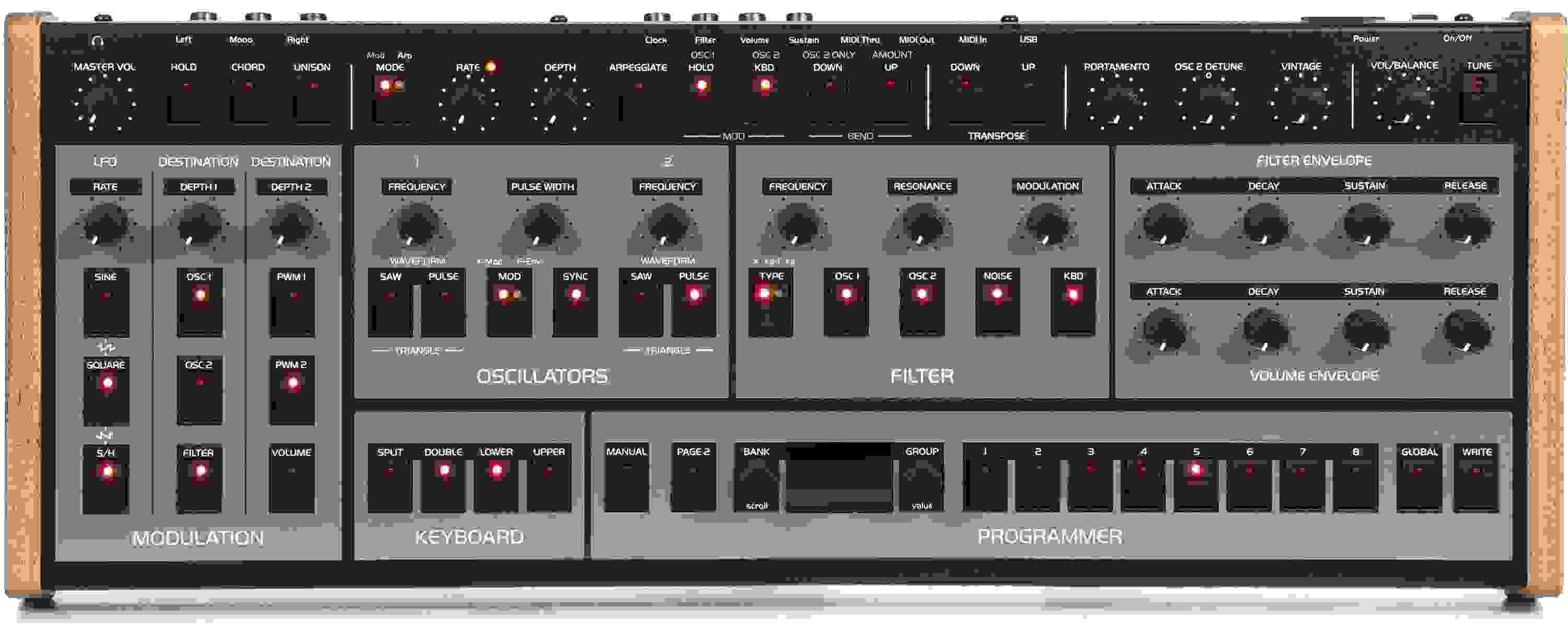
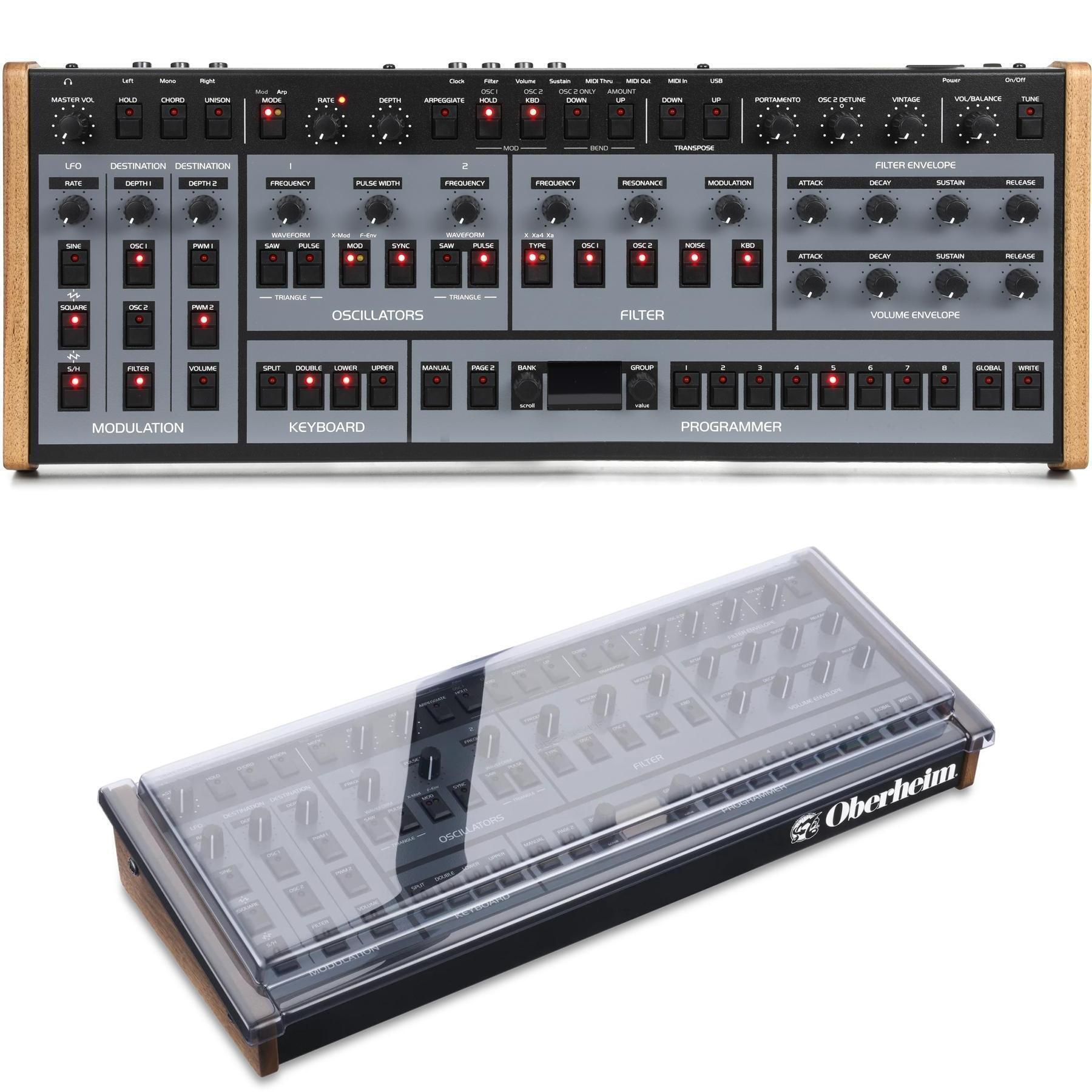
At first glance, the OB-X8's expansive control set may seem daunting. That said, Oberheim designed the desktop powerhouse with new and veteran users in mind, ensuring everyone can experience its sonic magic with minimal effort. Everything is labeled in function-specific sections with tactile knobs and buttons for effortless navigation across the board. Take the reins on every parameter, like volume and balance, for dialing in splits and doubles as well as chord memory, tuning, and note hold functions. You're also given discrete options for Oscillator 2 detuning alongside a unique Vintage knob, affecting the voice-to-voice variability of envelopes, oscillators, and filters like the behavior of vintage instruments.
Modulation offers six different waveforms and allows you to route the LFO to a wide range of destinations, channeling everything from filter sweeps to vibrato, tremolo, and other creative effects. Oscillators dials in the base sound of the OB-X8, with two SEM/OB-X-lineage oscillators per voice and sawtooth, pulse, and triangle waveform options. The Keyboard section handles bi-timbral capability, one of the OB-X8's most impressive playing features that boasts upper and lower presets assignable to different areas of the keyboard and a wealth of controls to balance everything to taste. The Filter section is where the Oberheim sound gets its time to shine, with three unique analog configurations taken from the original OB-X, OB-Xa, and OB-8 models. Envelopes' 4-stage filter and volume envelopes further shape your sound by focusing on the harmonics and loudness, taking you from hushed sounds to "Hallelujah Chorus" jubilance with only a handful of knobs.
For those who like to save their favorite sounds for instant recall, Programmer is your soon-to-be secret weapon, allowing you to save and select presets and access global settings for even deeper tonal tweakability. A set of programmable performance modes offer vibrato and other modulation options, with a bend box providing a second LFO dedicated to the mod lever. Sweeping arpeggios and complex passages are a breeze thanks to the OB-X8's Arpeggiator section, with an ultra-visible OLED screen displaying program information and accessing the synth's "Page 2" functions. The OB-X8 Desktop Module delivers the sonic versatility and sound-shaping options musicians of all stripes crave — best of luck putting it away once you dive in!

Three delectable filters from Oberheim's lauded history
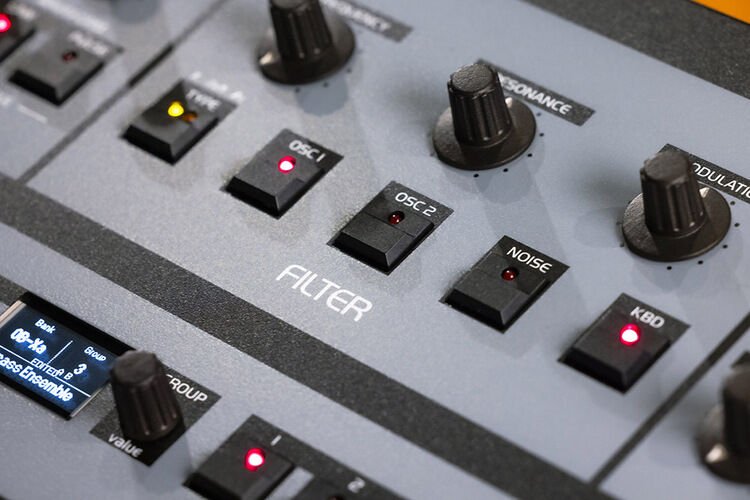
When anyone refers to an Oberheim as possessing that sound, there's a solid chance this is the result of the high-quality filter configurations found in all their classic products. The OB-X8 possesses three analog filters, one from each model it replicates. From the OB-X is the SEM-lineage, 2-pole, discrete lowpass filter, delivering massive sound and body with the addition of all the different modes of the original SEM design. The Doug Curtis-designed CEM3320 filters found in the OB-Xa and OB-8 make their way into the OB-X8, available in 2- and 4-pole options and the primary source for these synths' distinct sound.
Spearheaded by a living synth legend
Tom Oberheim's mark on the music industry is objectively undeniable. Before designing and developing some of the most iconic instruments and recognizable sounds of the 1980s, Tom's love of jazz led him to Los Angeles in 1956 with only a mere $10 in his pocket. After studying computer engineering, physics, and music at UCLA — not to mention a stint in the US Army — the Chicago Musical Instruments Company expressed an interest in Tom's groundbreaking ring modulator design. The impact of his ingenuity and electronics mastery quickly rippled through the industry, and in 1969, Oberheim Electronics was born. Several influential pieces of gear would soon follow, including a handy modification to the ARP 2600 for playing two notes simultaneously and the DS-2 music sequencer, before Tom's next game-changing idea: the Synthesizer Expansion Module (SEM). Co-designed with E-MU Systems founder Dave Rossum, SEMs solve the problem of sequencers controlling synths in a way that disallowed players to perform alongside the sequences by combining live playing and sequenced playback. Fast-forward to 1981, and a collaboration with Roland's Ikutaro Kakehashi and Sequential's Dave Smith would result in the MIDI spec, forever altering the course of modern music. The OB-X8 marks 35 years since the last authentic Oberheim, ushering in a new era of synthesis perfection for today's players and encapsulating an unforgettable career in music innovation.
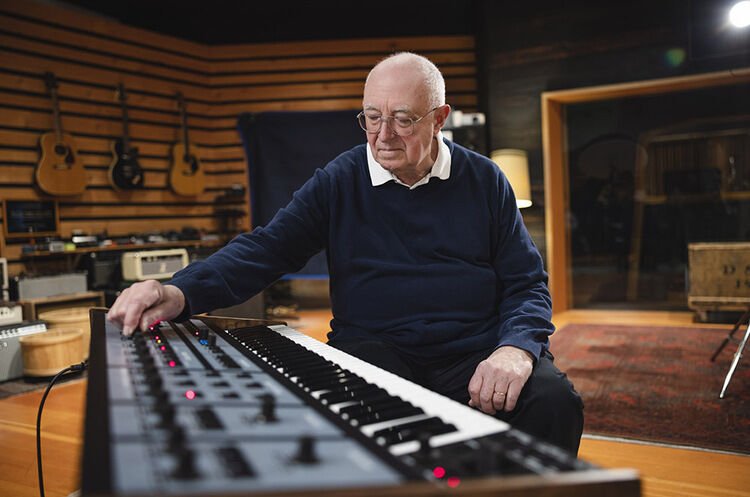 Tom Oberheim inspecting the OB-X8.
Meet the team behind OB-X8
With decades of design and engineering under his belt, it's only fitting that Tom Oberheim employed only the best minds available to reintroduce the Oberheim brand to the world. In addition to Tom, the OB-X8 was designed by Marcus Ryle, Tony Karavidas, Dave Smith, and the incredible team at Sequential — Sweetwater's synth and gear fanatics quickly recognized this cadre of venerable movers and shakers in the industry. A former Oberheim engineer, Ryle is best known as a co-founder of Line 6 and the ADAT audio protocol. Karavidas has a long history of incredible hardware engineering, most notably working for Sequential and Dave Smith Instruments in a high-level capacity. Rounding out the list is Smith himself, founder of Sequential and responsible for the Prophet-5, hailed as the first commercially available polyphonic and microprocessor-controller synthesizer. With this all-star team behind the OB-X8, Oberheim is fully prepared to take the synth world by storm once again.
Oberheim OB-X8 8-voice Polyphonic Analog Desktop Synthesizer Features:
- 8-voice polyphonic analog synth brings the full suite of OB-X8’s sonic possibilities to a portability-minded desktop module
- 3 all-analog synths in one: the Oberheim OB-X, OB-Xa, and OB-8
- 2 discrete OB-X/SEM-lineage VCOs per voice and discrete SEM-lineage VCFs deliver that vintage Oberheim tone and punch
- Genuine Dave Curtis-designed filters deliver classic OB-Xa and OB-8 character
- Additional SEM modes for highpass, bandpass, and notch functions
- Vintage knob dials in voice-to-voice variability
- Meticulously modeled envelope responses for each model; components as well as interactions between components analyzed for 1:1 realism
- Bi-timbral capability allows 2 presets to be played simultaneously
- Up to 8-voice unison stacking
- Programmable per-voice pan for a wide stereo spread
- Variable triangle wave cross modulation
- Pitch and Mod levers for note bending, vibrato, and arpeggiator access
- Includes 400+ presets from the original 3 models as well as new ones
- Over 600 user presets
- OLED display shows program information and accesses advanced features
- MIDI and USB allow for compatibility with any setup
- Genuine walnut ends