

Clarinet Mouthpieces
Get More at Sweetwater
Refine Your Search
Availability
Brand
- Vandoren (68)
- Chedeville (31)
- Syos (22)
- Clark W Fobes (16)
- Pomarico (14)
- D'Addario (13)
- Backun (12)
- JodyJazz (11)
- Selmer Paris (9)
- Yamaha (8)
- Buffet Crampon (7)
- J&D Hite (6)
- Nuvo (5)
- Theo Wanne (5)
- Bari (3)
- Barkley (3)
- Jupiter (2)
- Leblanc (2)
- Scott (2)
- Prelude (1)
- Selmer (1)
Price Range
- Under $25 (7)
- $25 to $50 (13)
- $50 to $100 (15)
- $100 to $200 (104)
- $200 to $300 (48)
- $300 to $500 (47)
- $500 to $750 (7)
Financing What is this?
Type of Deal
Series
- Vandoren Black Diamond (20)
- D'Addario Reserve (13)
- Chedeville Elite (12)
- Vandoren M (12)
- JodyJazz HR* (11)
- Backun Vocalise (10)
- Vandoren B40 (10)
- Chedeville SAV (9)
- Clark W Fobes 10K (9)
- Chedeville Umbra (8)
- Pomarico Wizard (8)
- Syos Smoky (8)
- Syos Steady (8)
- Vandoren B45 (8)
- Vandoren 5RV (7)
- Syos Spark (6)
- Buffet Crampon Urban Play (5)
- Pomarico Classic Crystal (5)
- Theo Wanne DURGA (5)
- Bari Esprit (3)
- Barkley Prima 55 (2)
- Buffet Crampon ICON (2)
- Chedeville Kanter (2)
- Clark W Fobes Debut (2)
- Clark W Fobes Europa (2)
- Clark W Fobes NOVA (2)
- Nuvo Dood (2)
- Selmer Paris Concept (2)
- Selmer Paris Focus (2)
- Vandoren B44 (2)
- Vandoren JB (2)
- Barkley Jazz (1)
- Pomarico Diamond (1)
- Prelude Primo (1)
- Selmer Paris Density (1)
- Selmer Paris Echo (1)
- Vandoren B46 (1)
- Vandoren B50 (1)
- Vandoren JUNO (1)
- Yamaha Custom (1)
Material
Related Searches




If you want to compare another product, please remove one of your earlier choices.
Choosing the Right Clarinet Mouthpiece: What Every Player Should Know
Whether you’re refurbishing a hand-me-down horn or fine-tuning your primary instrument, your choice of clarinet mouthpiece plays a critical role in shaping your sound, comfort, and expression. Tip opening, facing length, chamber shape, reed strength — these specs and more can mean the difference between snagging first chair and sitting on the sidelines. And, considering that every player’s embouchure and mouth interior are unique, finding the right mouthpiece is essential to getting the most out of your instrument.
Are you searching for the perfect mouthpiece to help you achieve your clarinet goals? Explore our expert picks and tips below or reach out for personalized recommendations.
Frequently Asked Questions About Clarinet Mouthpieces
Do clarinet mouthpieces make a difference?
Great question! For many players, upgrading their mouthpiece is one of the most effective ways to improve sound without buying a new instrument. From tone quality to jaw comfort, a clarinet mouthpiece can make a considerable difference in your learning journey. Signs you’ve found the right mouthpiece for your clarinet might include:
- Reduced embouchure fatigue
- Increased air support
- Improved pitch accuracy
- A fuller or brighter tone
- Enhanced dynamics and expression
- Greater projection and perceived loudness
Important note: no mouthpiece can make a poor horn sound professional or take the place of daily practice. Please temper expectations accordingly.
How often should you replace your clarinet mouthpiece?
Most students and hobbyists will find that replacing a mouthpiece every five to ten years keeps tone and response consistent, depending on playing frequency and care. Professionals and advanced players may need to swap mouthpieces more frequently — typically every two to three years — to maintain peak performance. Even if wear isn’t obvious, auditioning a new mouthpiece every few years can help you explore changes in your sound and technique.
How do I know when it’s time to replace my mouthpiece?
If you’ve logged enough time on your instrument, you’ll often hear there’s a problem before you see it. Clues that your current mouthpiece isn’t up to snuff may include:
- Visible wear along the tip, facing, or rails
- Tooth marks wearing down the beak
- Warping or cracks of any kind
- Poor intonation
- Note instability
- Buildup inside the tip
- Lackluster sound
- Impeded articulation or dynamic expression
What’s a good mouthpiece option for beginners?
Ideally, students and beginners will want to audition several mouthpieces to find the one that complements their embouchure and tonal goals. The right clarinet mouthpiece will make learning easier — not harder. If you’re just starting out, look for a mouthpiece with a medium tip opening and a balanced facing length. These specs will help you build a consistent tone with less effort. Brands like Yamaha and Vandoren offer beginner-friendly models like the Yamaha 4C or Vandoren B45, known for their ease of playability and warm sound. Ultimately, the “best” choice depends on your comfort level and the kind of music you’re playing, so it’s a good idea to test a few options if possible.
How do I choose the right clarinet mouthpiece for my instrument?
Although all standard clarinet mouthpieces share the same tenon dimensions and will fit any Bb- or A-clarinet barrel, their cork thickness may require test-fitting to ensure a proper seal. Choosing the right mouthpiece involves considering your skill level, playing style, and the sound you want to achieve. Beginners often benefit from a more forgiving mouthpiece with moderate resistance, while advanced players may prefer a more responsive model that allows for greater tonal flexibility. Factors like tip opening, facing length, and material (hard rubber vs. plastic) can all affect how a mouthpiece performs. If you’re unsure, consulting your teacher or a specialist at a music store can help guide your decision based on your unique needs.
What are the most popular brands for Clarinet Mouthpieces on Sweetwater.com?
What are the most popular Clarinet Mouthpieces on Sweetwater.com?
-
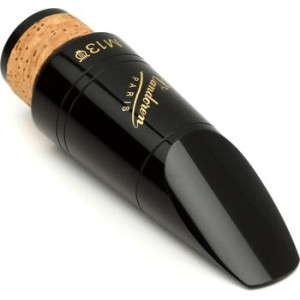
Vandoren M13 Lyre Series Bb Clarinet Mouthpiece - Profile 88
5 out of 5 stars 2 reviews
$142.50 -

Vandoren CM1004HD Black Diamond BD4 Bb Clarinet Mouthpiece - HD
5 out of 5 stars 2 reviews
$236.00 -
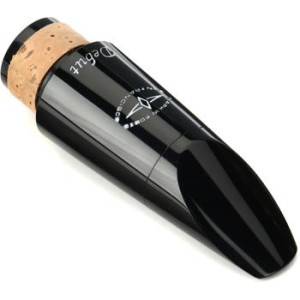
Clark W Fobes Debut Bb Clarinet Mouthpiece
5 out of 5 stars 4 reviews
$34.99 -

Yamaha YACCL4C Bb Clarinet Mouthpiece - 4C
5 out of 5 stars 3 reviews
$49.99 -
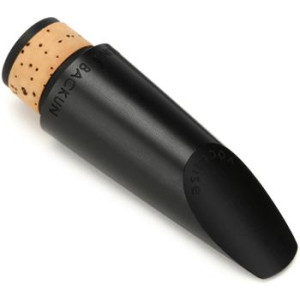
Backun Vocalise Bb Clarinet Mouthpiece - G Model
4.5 out of 5 stars 5 reviews
$137.00
Why shop Clarinet Mouthpieces at Sweetwater.com?
With a massive selection of Clarinet Mouthpieces, free shipping, a free 2-year warranty, 24/7 access to award-winning support - and more - Sweetwater gives you more than any other retailer! If you have any questions about Clarinet Mouthpieces, make sure to give your personal Sales Engineer a call at (800) 222-4700.
